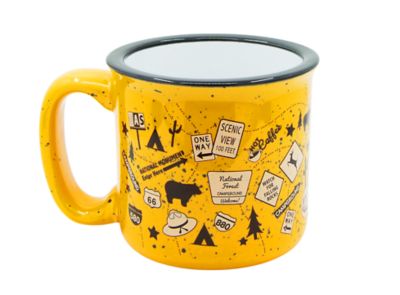
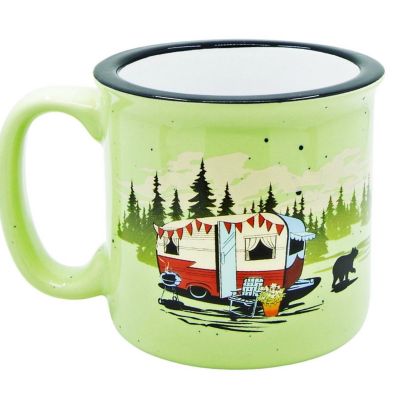
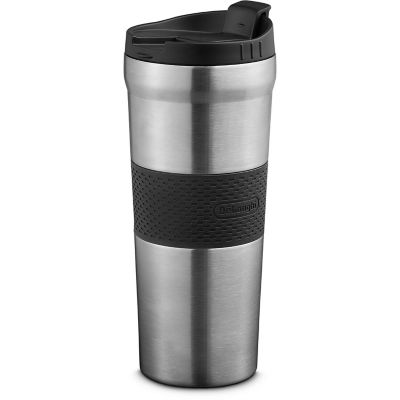
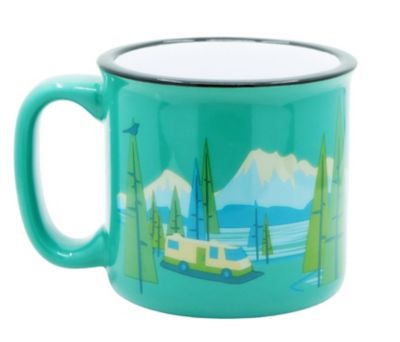
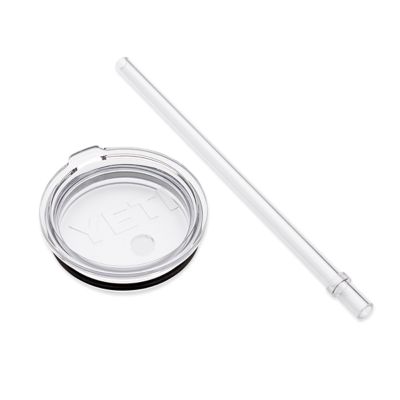
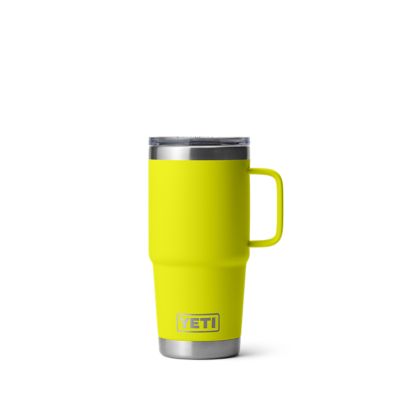
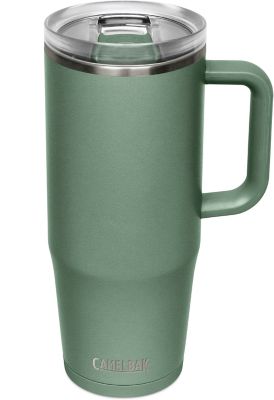
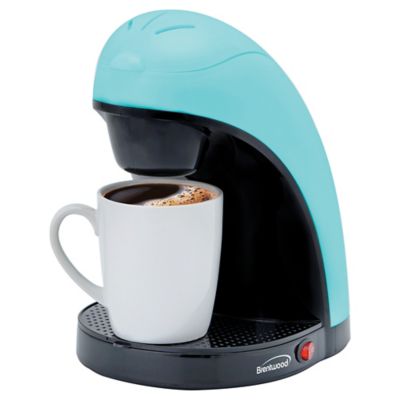
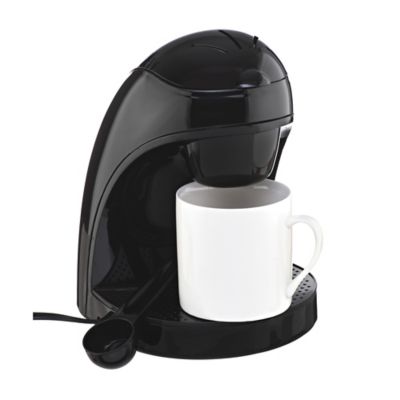
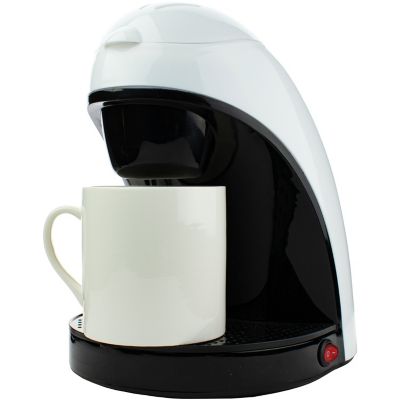
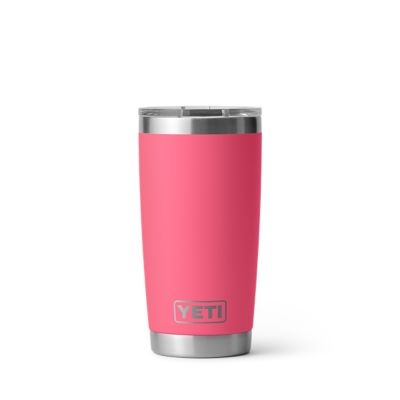
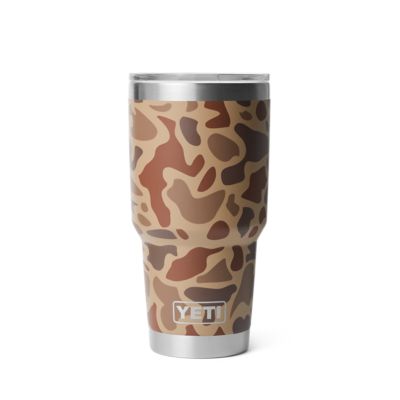
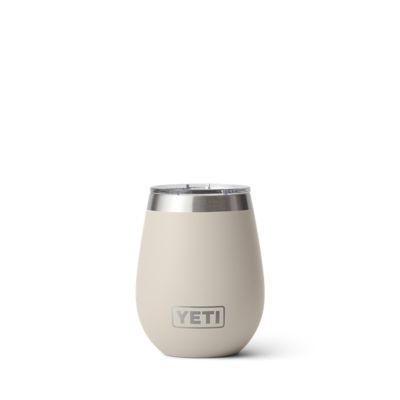
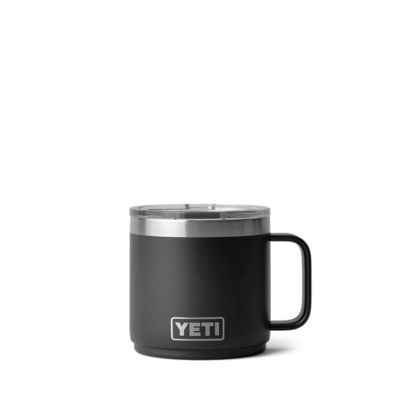
A coffee mug earns its place in the day through small, familiar moments: a first cup at the kitchen table, a refill beside a stack of paperwork, or a quiet break after feeding the animals. The right shape and feel can make those few minutes more comfortable, whether the drink is strong black coffee, tea with honey, or cocoa after a long day of chores. Ceramic mugs have a familiar weight and a smooth drinking rim, with finishes that range from glossy and bright to soft, earthy tones. Stoneware often has a substantial feel that suits a farmhouse table, while porcelain can offer a lighter profile without taking up much room beside a breakfast plate. Glass brings the drink into view, making it easy to see how much coffee remains or how much milk has been added. Stainless steel takes the mug beyond the kitchen, especially when a little less weight and resistance to breakage matter around a workshop, campsite, or busy workbench. Insulated construction can help a drink hold its serving temperature longer, though performance depends on the mug’s design, lid, and how often it is opened. Not every coffee break calls for the same setup. An open mug is simple to sip from while reading the mail, while a covered design can help limit splashes when moving between tasks. The drinking edge matters, too: a rounded rim feels different from a thin one, and a lid opening changes the way each sip flows. Appearance has a place alongside those practical details. Solid colors blend easily with everyday dishes, while animal artwork, country scenes, lettering, and patterned finishes can bring a bit of personality to a coffee shelf. A mug does not have to match every plate in the cupboard to feel at home. Sometimes the one that gets reached for most is simply the one with the comfortable handle, familiar heft, and enough room for coffee just the way its owner likes it.
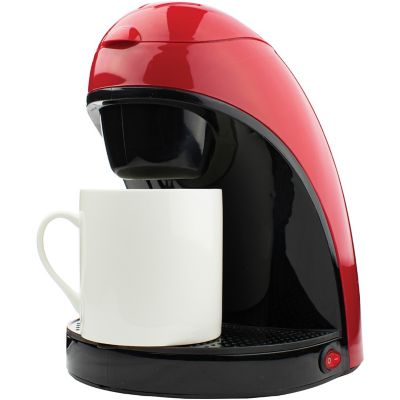
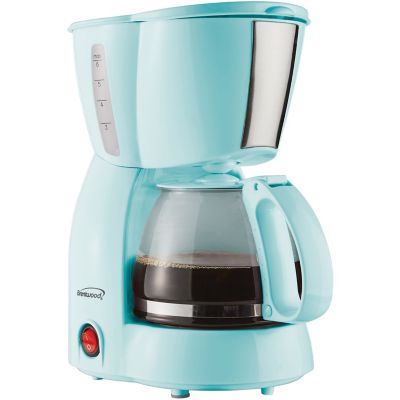
Size is about more than how many ounces a coffee mug holds. A smaller cup makes sense for someone who prefers frequent fresh pours, while a larger one leaves room for a generous serving and a splash of cream. Listed capacity may describe a mug filled close to the rim, so the comfortable drinking amount can be a little less. That extra space helps when carrying a full cup from the counter to the table without leaving a trail behind. A broad, low shape tends to feel different in the hand than a tall, narrow one, and each takes up space differently on a desk, shelf, or coffee maker tray. Clearance beneath a brewer’s spout is worth keeping in mind, particularly with taller mugs or machines that have a fixed drip tray. Handles deserve just as much attention as capacity. A roomy opening gives fingers more space, while a smaller loop may suit someone who prefers to cradle the mug with both hands once the outside is comfortable to touch. The empty weight can be misleading; a substantial mug becomes heavier with a full pour, which matters for anyone who finds lifting or gripping difficult. A broad base can help a mug sit steadily on a level surface, though keeping it away from elbows, cords, and the edge of a workbench still matters. For a commute or a trip across the property, a handle and wide base may not fit a vehicle’s cup holder, even if the mug itself is easy to carry. A lid that limits splashes is not necessarily sealed against leaks, either, so its closure and intended position deserve a look before it goes near paperwork or into a bag. When coffee regularly goes beyond the porch or kitchen,
Outdoor Drinkware connects with those same practical needs for carrying, sipping, and cleaning away from home. The best fit comes down to where the cup spends its day, how it travels, and what feels comfortable through the last sip.
Everyday care helps a coffee mug stay pleasant to drink from and ready for another round. Smooth interiors and accessible corners make rinsing easier, especially for coffee drinkers who add cream, sugar, or flavored syrups. A narrow opening or a lid with several moving parts can take more attention than an open ceramic cup. Removable seals and sliding closures may need separate cleaning according to the maker’s directions, followed by thorough drying before reassembly. Dishwasher suitability varies by material, finish, and construction; artwork, metallic accents, and insulated designs can have different care requirements from a plain glazed mug. Microwave suitability also needs a check rather than an assumption. Metal mugs and metallic trim do not belong in a microwave, and a lid may have different heating instructions from the cup beneath it. Ceramic and glass benefit from avoiding sudden shifts between hot and cold, which can cause cracking in materials not intended for that change. Chips along a drinking rim, cracks in the body, or a loose handle are reasons to retire a mug from beverage service. Storage plays a part in keeping edges and handles intact, too. A little room between cups helps prevent knocks, and stacking makes the most sense when the shape is intended for it. Those practical details matter just as much when a mug is a gift. A roomy handle may be more welcome than an elaborate finish for someone who drinks coffee through a morning of bookkeeping, while a compact shape might suit a smaller kitchen or a favorite single-cup brewer. For a teacher, neighbor, ranch hand, or family member, a design tied to an animal, hobby, or everyday routine makes the choice feel personal without needing a grand occasion. A pair can mark a new home, and a familiar color can fit naturally into an established collection. From the cupboard to the breakfast table and back to the sink, a well-chosen coffee mug has a straightforward job: hold a favorite drink comfortably and fit the rhythm of an ordinary day.