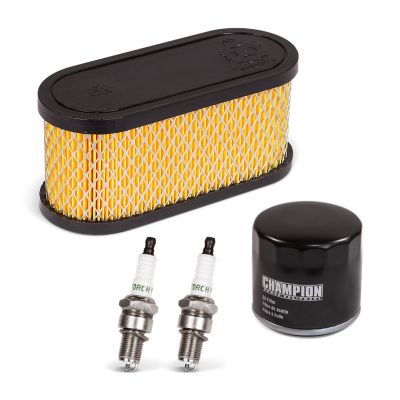
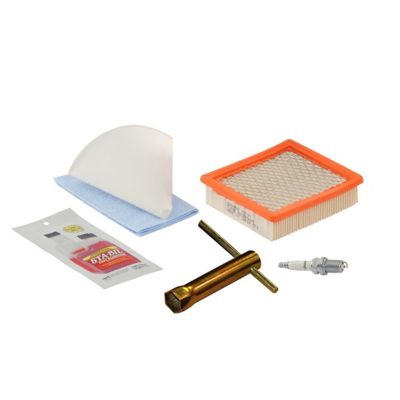
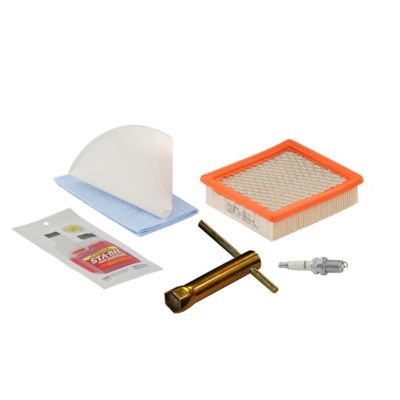
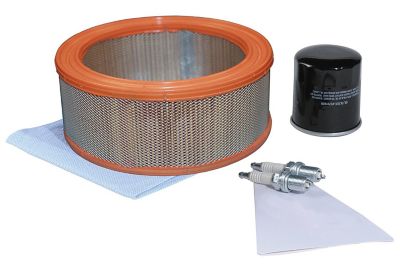
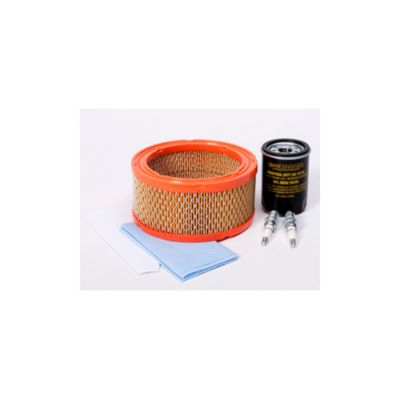
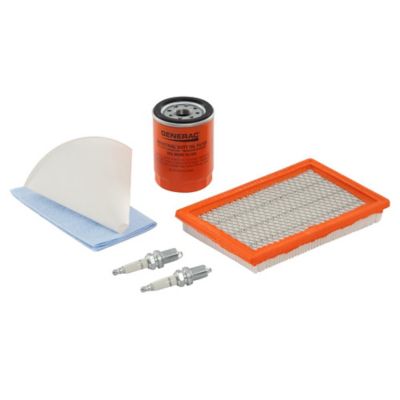
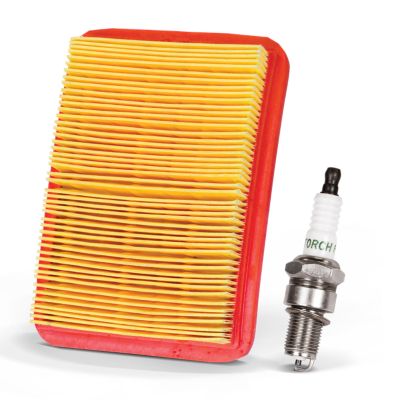
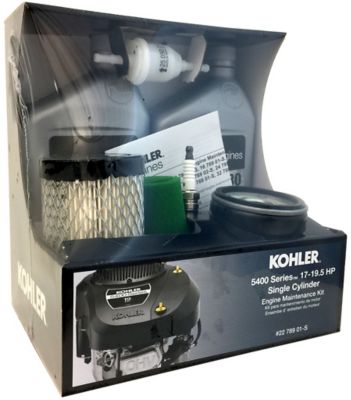
Generator maintenance kits help keep portable and standby generators ready for the times you need dependable power most. A well-matched kit commonly includes an air filter, oil filter, spark plug or spark plugs, and small service items such as an oil funnel, shop towel, or maintenance reminder sticker. Engine oil is often sold separately, so check the generator’s owner’s manual for the recommended oil type, weight, capacity, and change interval before adding anything to your cart. The right maintenance kit depends on the generator’s make, model, engine size, wattage, and service schedule. A kit made for one engine may not fit another, even when both generators look similar from the outside. Matching the kit to the model number helps prevent a frustrating trip back to the store and makes routine service a whole lot simpler. It also pays to confirm whether the kit is intended for a portable generator, a home standby unit, or an RV generator, since service parts and maintenance intervals can differ. For rural homes, workshops, barns, hunting cabins, food plots, and job sites, a generator may sit quietly for long stretches before being called into action. Dust, moisture, fuel residue, and long storage periods can all take a toll, especially when equipment is kept in a shed, trailer, or open-sided shelter. Keeping the basic service parts on hand means less scrambling when a storm moves in, temperatures drop, or an unexpected outage leaves the freezer, well pump, lights, or tools depending on backup power.
Regular maintenance is less about chasing peak performance and more about building dependable habits. Before servicing any generator, turn it off, let the engine cool, disconnect the spark plug wire when recommended by the manufacturer, and work in a well-ventilated area away from flames or ignition sources. Follow the owner’s manual for every step, including oil draining, filter replacement, spark plug inspection, air filter service, and torque specifications. A dirty air filter can restrict airflow and make an engine run poorly, while an overdue oil filter can allow contaminants to circulate through the engine. Worn or fouled spark plugs may lead to hard starting, rough running, or poor fuel efficiency. Replacing these parts at the proper interval helps the engine breathe, start, and run as it should. It is also smart to inspect the fuel system, battery connections on applicable units, exhaust area, cords, wheel kits, and enclosure for damage while completing scheduled service. Never operate a fuel-powered generator indoors, inside a garage, or near doors, windows, and other openings; place it outdoors in a dry, well-ventilated location and follow safe distance and carbon monoxide guidance from the manufacturer. A maintenance kit is not a substitute for a full inspection, but it gives you many of the everyday service parts needed to stay ahead of wear. Keep a record of oil changes and filter replacements on a maintenance sticker or in a notebook near the generator. That simple habit can be a big help when several pieces of equipment share the same storage area, or when someone else needs to take over upkeep in a hurry. For related garage and workshop upkeep, browse
Car Maintenance Tools to help round out a practical service setup.
Generator maintenance kits can also make a thoughtful, useful gift for a homeowner, landowner, camper, contractor, or anyone who keeps backup power close by. They are especially handy for a new generator owner who has the machine ready but has not yet gathered the basic replacement parts for its first service. A kit can be tucked into a workshop cabinet, emergency supply tote, RV compartment, or barn shelf, where it will be ready when routine service comes due. Before giving one as a gift, find the exact model and engine information from the generator’s label or owner’s manual; a photo of the identification plate is often enough to help match the correct kit. Consider whether the recipient needs a single scheduled service package or several sets for extended ownership and frequent use. People who run generators for well pumps, livestock equipment, refrigeration, heaters, tools, or remote camps may go through maintenance parts more quickly than someone who only uses a unit during occasional outages. During the cooler months and unsettled weather, keeping fresh filters and ignition parts available can make generator preparation feel orderly instead of rushed. Store oil, filters, and other supplies according to their labels, protect paper filters from moisture, and keep maintenance parts separate from gasoline and other flammable materials. It is wise to test-run a generator on its normal schedule, under an appropriate load when the manual allows, rather than waiting for an outage to discover a stale fuel issue or a starting problem. With the right kit, a clear service record, and a few minutes of attention at the proper intervals, generator upkeep becomes another straightforward chore—like checking fence lines, topping off feed bins, or greasing a favorite piece of equipment.