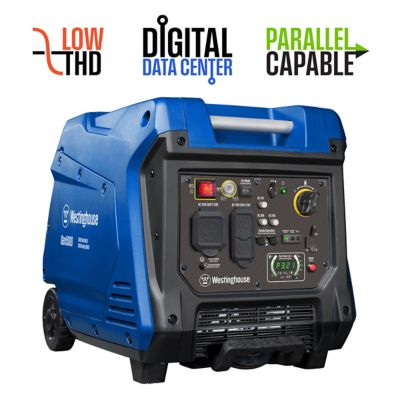
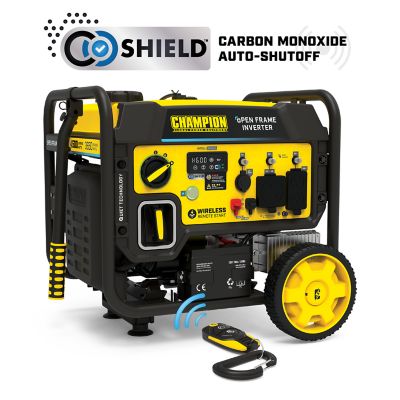
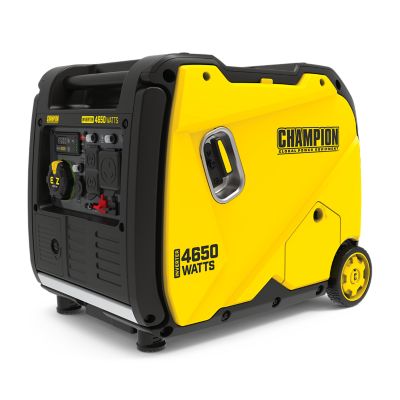
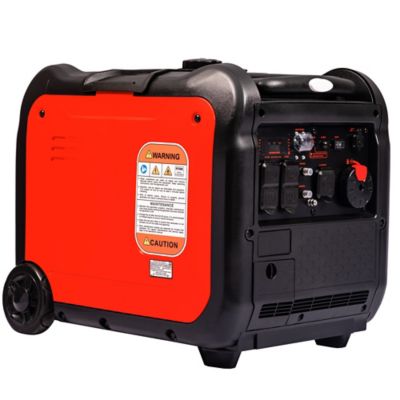
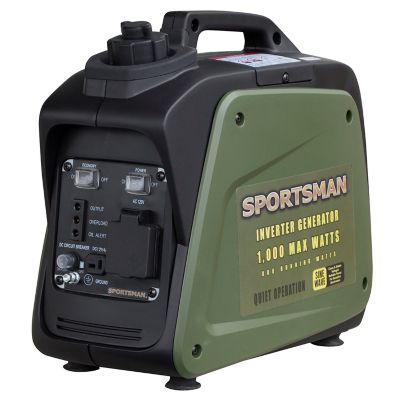
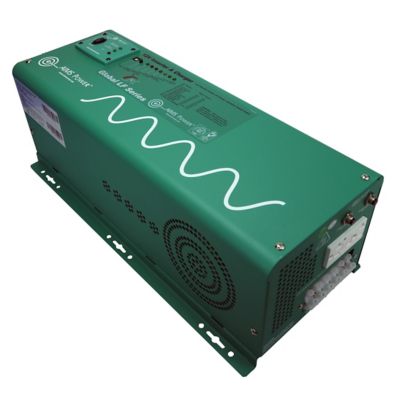
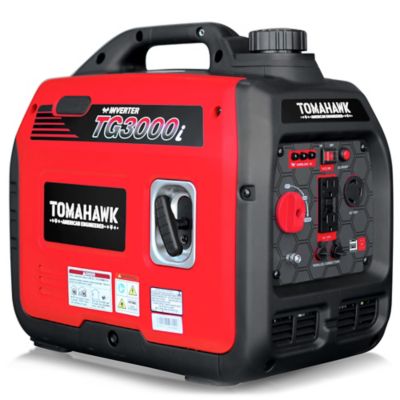
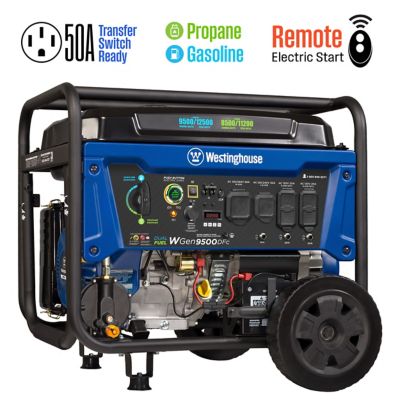
Inverter generators with remote start bring portable power and push-button convenience to places where an outlet is a long walk away. A wireless key fob lets you start or stop the engine from a distance, within the manufacturer’s stated range, after the generator is properly set up outdoors. Some models offer app-based controls, but remote operation depends on the equipment and its connection requirements. That convenience makes sense beside a camper, across a work area or outside a home during a power outage: fewer trips back to the generator when it’s time to turn the power on or call it a day. Remote start is different from electric start alone, which may require pressing a button or turning a key at the machine. It also does not automatically mean the generator can detect an outage and start without someone operating it. The inverter system is a separate part of the package. It converts the generator’s electrical output into controlled AC power, with many models designed for low total harmonic distortion to support electronics that require a stable power supply. Published electrical specifications and the connected equipment’s requirements still matter, especially for computers, charging equipment and appliance controls. Many inverter generators can adjust engine speed to match demand, helping reduce fuel consumption and sound levels under lighter loads. They aren’t silent, though, and sound ratings only tell a useful story when the load and measurement distance are comparable. For folks who travel with an RV, work around an acreage or want backup power for household essentials, the appeal is straightforward: electricity where it’s needed, with less walking back and forth to operate the engine. A compact unit may suit lights, chargers and a few smaller loads, while a larger machine may support more appliances at once. The right fit comes from matching the generator’s capabilities to the actual job, rather than choosing by size or remote-start range alone.
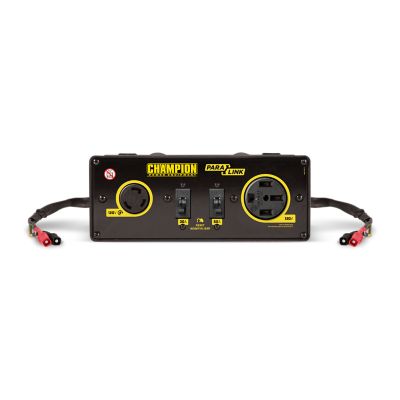
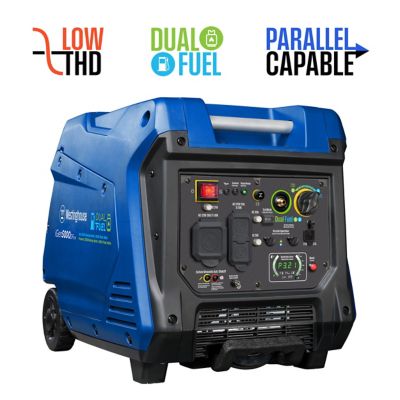
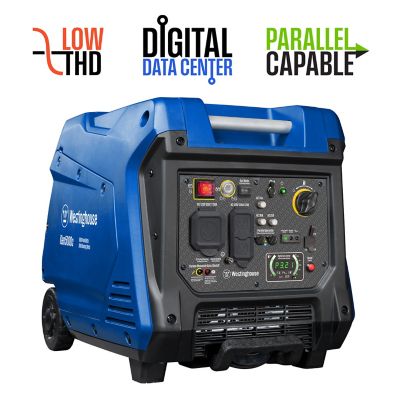
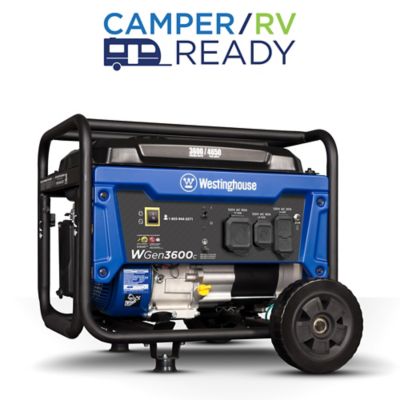
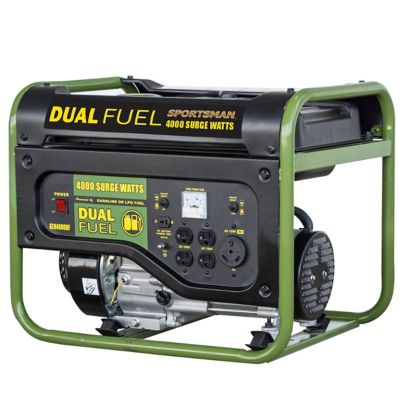
Power ratings help separate inverter generators with remote start by what they can handle. Running watts describe the power a generator can supply continuously, while starting or surge watts cover the brief extra demand of equipment with motors. A refrigerator, sump pump or air compressor can need considerably more power at startup than it does once running. Picture a camper with lights on, a refrigerator operating and an air conditioner about to kick in; those overlapping demands matter more than any one appliance’s rating. Smaller portable units can cover modest combinations of essentials, while higher-output units can support heavier loads when their continuous rating, surge capacity and connections all match the equipment. Outlet type matters just as much as wattage. A 120-volt receptacle cannot supply a 240-volt load, and an RV-style outlet does not mean a generator can run every appliance in the trailer at the same time. Covered receptacles, clearly marked controls and displays for load, fuel level or operating hours can make everyday operation easier. Some units support parallel operation with compatible equipment and a manufacturer-approved connection kit, but that feature should never be assumed. Fuel choice is another practical difference. Gasoline-only engines keep fuel planning focused on one source, while dual-fuel models generally offer gasoline and propane operation. A
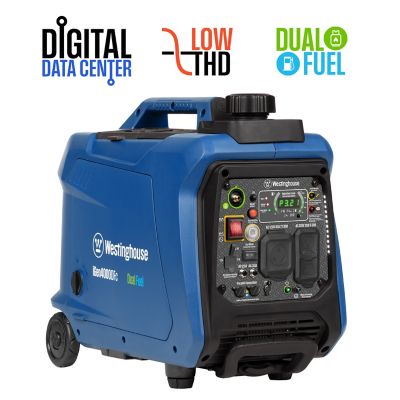
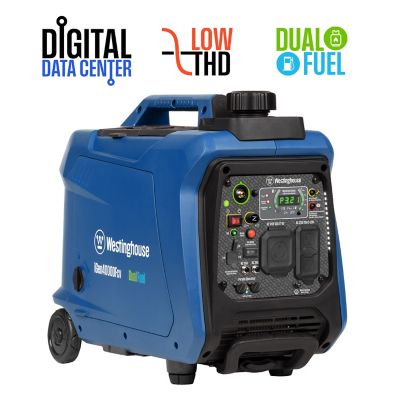
Dual Fuel Inverter Generator can make sense for a camper owner who already carries propane or a homeowner who wants another fueling option for backup power. Output and runtime may change with the selected fuel, and propane operation requires the specified regulator, hose and tank connection. Tri-fuel equipment adds another fuel option, commonly natural gas, where the model supports it and a suitable supply connection is in place. Runtime figures also depend on load and fuel capacity. A long advertised runtime at a light load won’t necessarily carry over when several appliances are drawing power together. Comparing those details gives a clearer picture of how a generator will fit a full day’s work or an evening at camp.
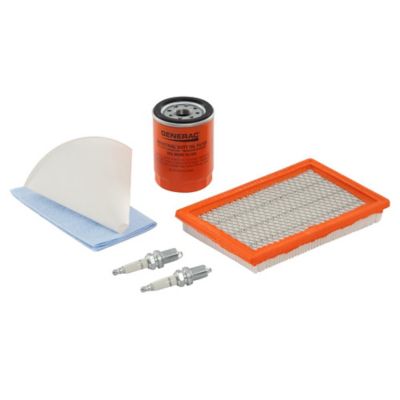
Construction and handling features shape how convenient a remote-start inverter generator feels beyond the first push of a button. Depending on the design, enclosed housings help manage sound and shield internal components, while metal frames, lifting handles and wheel kits support transport and placement. Machine weight matters when loading a pickup or moving equipment out of storage, and small wheels may take more effort across gravel than across a concrete floor. A folding handle can save space in a shed, while accessible oil-fill points, service panels and air filters make routine care less of a chore. Engine oil checks, filter service and maintenance at the specified hour intervals help protect service life. Fuel storage practices matter, too; gasoline should be managed according to the engine manufacturer’s directions, including any instructions for stabilizer and extended storage. Remote-start systems also depend on a charged starting battery, and the key fob may have its own battery to maintain. Some machines require a fuel valve, battery switch or control setting to be in a particular position before remote starting will work. Range can change around walls and other obstructions, so convenience should never replace checking the setup. Every fuel-burning generator produces carbon monoxide and must operate outdoors, at least 20 feet from a home, with exhaust directed away from windows, doors, vents and occupied areas. A garage, barn, shed or porch is not a safe operating location, even with doors open. Built-in carbon monoxide shutoff sensors add protection but do not make enclosed operation safe or replace working carbon monoxide alarms inside the home. Extension cords need the proper rating for the load and distance, and a generator must never feed a home through a wall outlet. Powering household circuits requires suitable transfer equipment installed by a qualified electrician. The engine should be shut down and allowed to cool before refueling, regardless of how easily it starts from the remote. With suitable capacity, manageable transport features and straightforward service access, these generators can fit the routines of RV travelers, property owners and crews who need portable electricity without returning to the control panel for every start and stop.