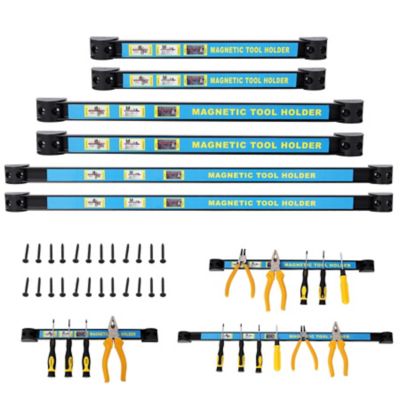
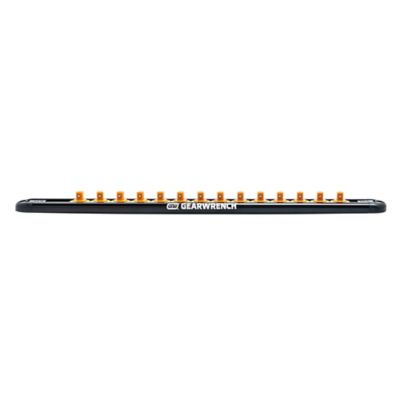
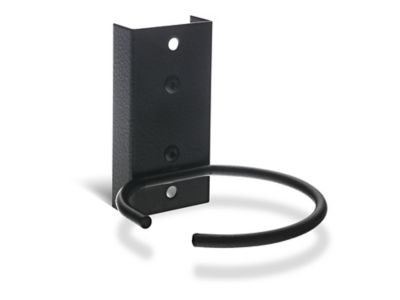
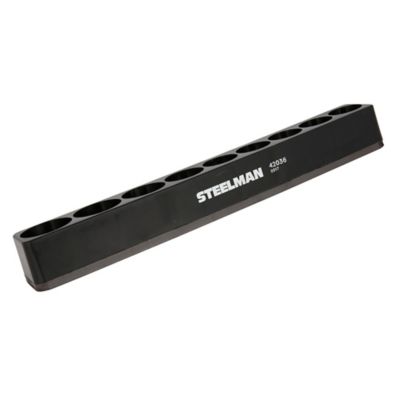
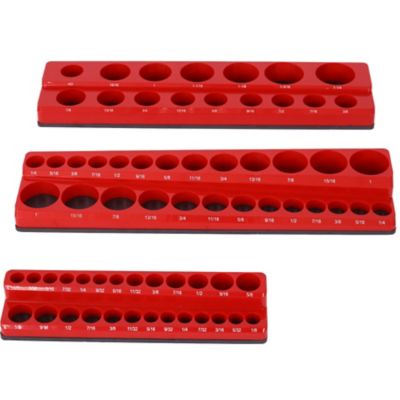
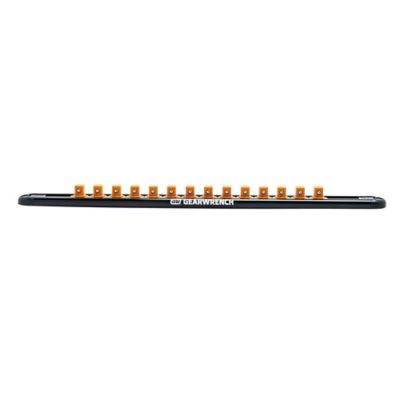
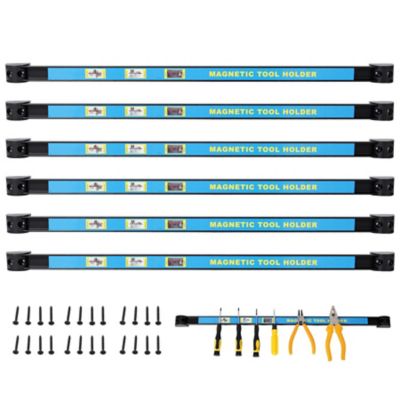
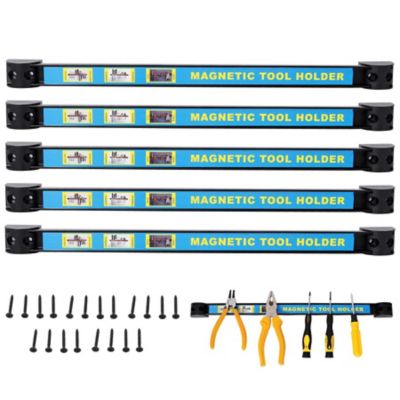
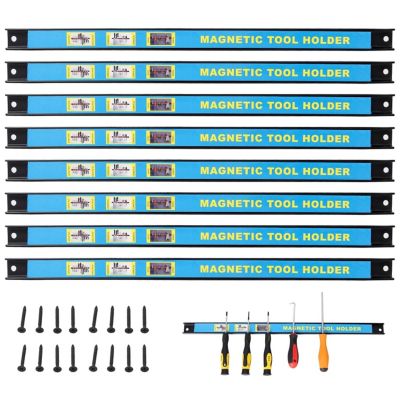
A magnetic tool holder strip is a wall-mounted or surface-mounted bar with magnets that hold compatible metal tools in plain sight and within reach. It gives wrenches, pliers, screwdrivers, and other steel hand tools a place to land without taking up bench space or burying them in a drawer. In a farm shop, garage, equipment shed, or workroom, that can mean less rummaging when a loose fitting or stubborn fastener needs attention. A row of tools above the bench also makes an empty spot easy to notice before a job gets packed away. These strips work best with tools that respond strongly to a magnet, generally those made with iron or magnetic steel. Aluminum, brass, plastic, and many stainless steel alloys will not attach, so a metal appearance alone does not tell the whole story. Tool shape matters, too. A flat wrench body can make more contact with the strip than a rounded handle or a tool with a thick rubber grip. Screwdrivers may attach by their steel shafts, while pliers need a suitable exposed metal surface that lets them sit securely. Long handles, uneven shapes, and attachments can change how a tool hangs, even when its weight seems modest. Magnetic tool holder strips make sense for the tools that earn their keep every day: the pliers that tighten a wire tie, the wrench that fits a frequently adjusted nut, or the screwdriver that always seems to disappear beneath a shop rag. They are not a replacement for every drawer or toolbox, but they can give a hardworking bench a clear, easy-to-read arrangement. A strip near the work area keeps common tools close, while less frequently needed equipment stays tucked away elsewhere. For anyone moving between repairs, maintenance, and small building jobs, that division helps keep the bench open for the work itself rather than the tools waiting their turn.
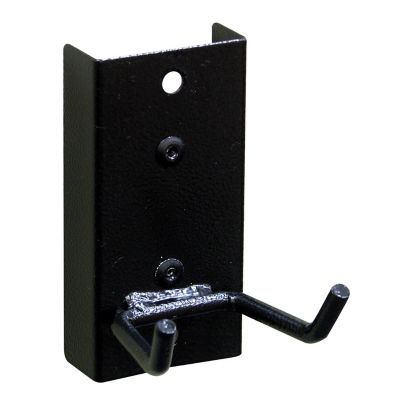
Length, construction, magnet layout, and mounting style all affect how a magnetic tool strip fits a space. A shorter bar may suit the side of a workbench or a narrow stretch of wall, while a longer one leaves room to spread tools out where their handles will not overlap. Overall length is not always the same as usable holding space; mounting ends, gaps between magnets, and the shape of the face can affect placement. Steel housings can provide a sturdy frame, while other designs may incorporate aluminum or plastic around the magnetic components. Paint, powder coating, and protective facing can help limit scuffs, though exposed edges and damaged finishes still deserve attention. Some strips present a continuous magnetic face, while others have distinct holding areas. Either arrangement needs enough room around each tool for a comfortable grip without knocking its neighbor loose. Holding ratings deserve a close look because a stated magnetic pull does not necessarily describe how much weight a wall-mounted strip can safely carry in everyday shop work. Contact area, tool orientation, vibration, surface condition, and the mounting connection all play a part. A heavy wrench hanging downward puts a different demand on the setup than a flat piece of steel pulled straight away from a magnet. Secure attachment to a suitable surface matters just as much as magnetic strength. Screw-mounted designs need fasteners and a mounting surface appropriate for the expected load; thin wall paneling alone may not provide enough support. Designs intended to attach magnetically to a steel surface have their own limits and should not be assumed to work on every cabinet or machine housing. Clearance is another practical consideration. A strip behind a bench needs space for long handles, and one near a door should sit clear of the door’s swing. Sharp edges, pointed ends, and heavy tools belong where an accidental bump is less likely to send them falling into a walkway or onto someone’s foot.
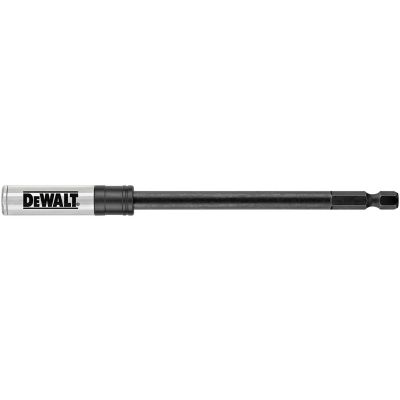
Day-to-day care is mostly about keeping the holding face, tools, and mounting points in good shape. Magnetic surfaces can collect steel filings and small metal fragments, especially near grinding or drilling work. That debris can scratch a tool finish, interfere with close contact, or leave sharp bits where hands reach. A clean strip gives compatible tools a better chance to sit flat, and wiping tools before hanging them helps keep grease and grit from spreading across the bar. Cleaning methods should suit the strip’s finish and the manufacturer’s directions rather than relying on harsh solvents or abrasive scrubbing. Periodic checks for loose screws, bent brackets, cracked housings, or lifting coatings are worthwhile in a busy shop where vibration and bumps are part of the day. A crowded strip can be awkward even when every tool technically fits. Space between handles makes it easier to grab one tool without dragging another along, and grouping tools by task can keep a repair moving. Wrenches near the vise, pliers beside an assembly area, or frequently reached-for screwdrivers above a bench can each make sense, provided the location is safe and the tools attach firmly. Small driving accessories may call for a different kind of holder;
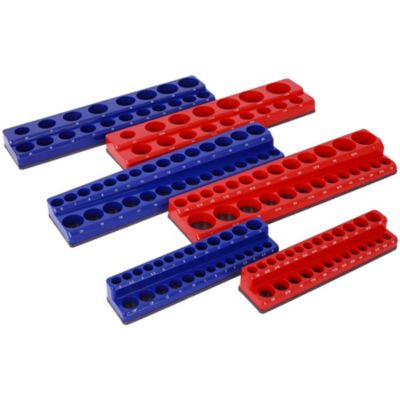
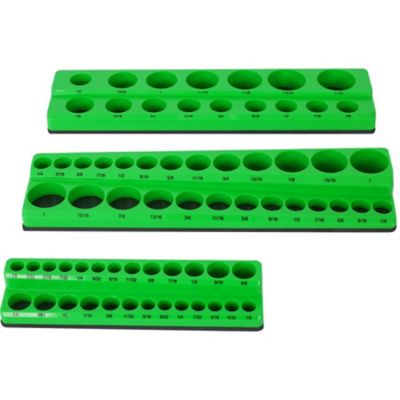
Magnetic Bit Holders serve a separate role by retaining compatible driver bits rather than organizing full-size hand tools along a wall. Keeping those jobs distinct helps match each holder to the task. Magnetic tool strips can also be a practical gift for a mechanic, woodworker, equipment owner, or neighbor setting up a first workshop, especially when there is a clear mounting spot and a set of compatible tools. The best fit is not simply the longest bar or the strongest-sounding magnet. It is a strip with suitable holding capacity, sensible spacing, a sound mounting arrangement, and easy access to the tools that see regular work. That combination brings a little more order to the bench without making the shop harder to work in.