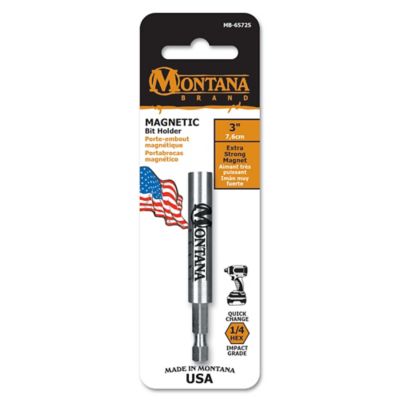
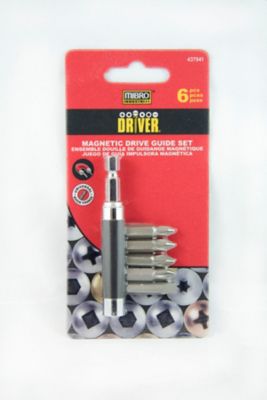
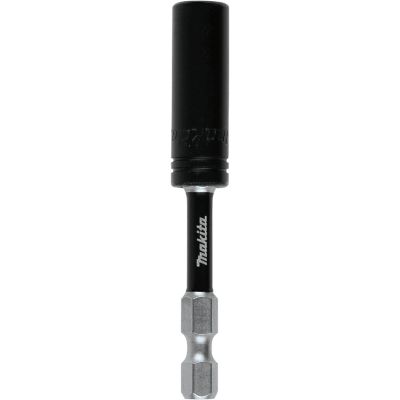
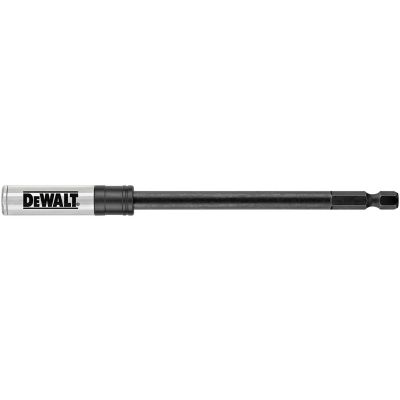
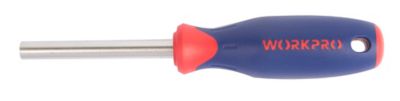
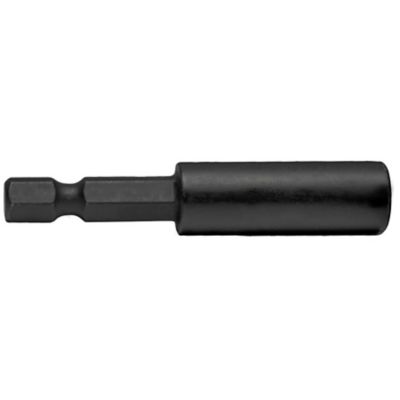
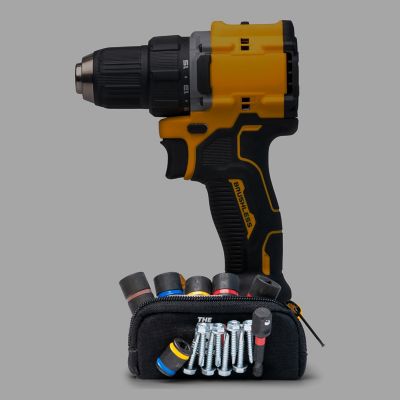
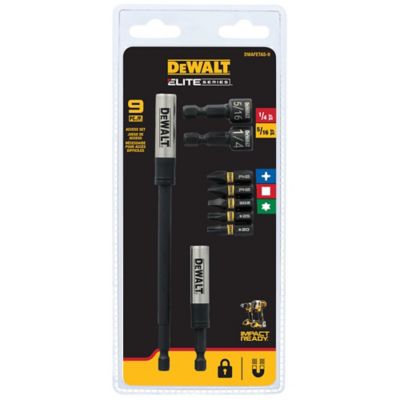
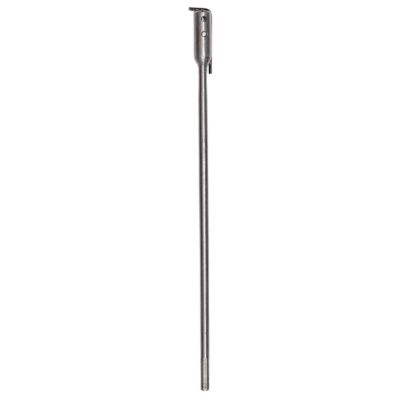
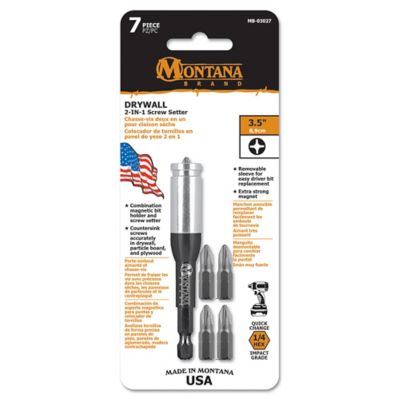
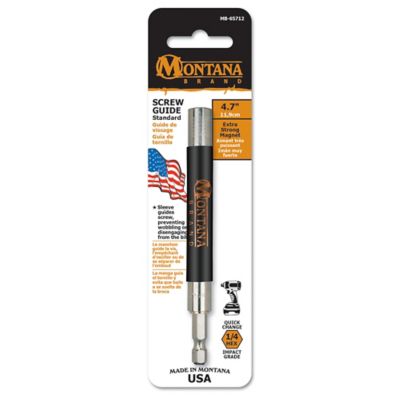
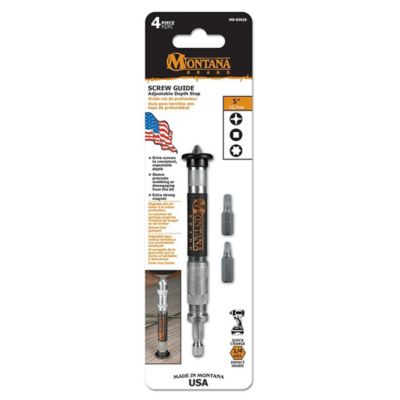
A magnetic bit holder is an accessory for compatible drills, impact drivers and screwdrivers that uses a built-in magnet to retain a screwdriver bit. Many accept 1/4-inch hex-shank bits, and some designs also help hold a steel screw against the bit tip. That small connection can make a noticeable difference when one hand is steadying a hinge and the other is holding the drill. Around a workshop, barn or equipment shed, magnetic bit holders put interchangeable driving bits within reach for jobs such as fastening plywood, hanging brackets, repairing cabinets and tightening loose hardware. Instead of placing each short bit directly in a drill chuck, a compatible holder provides a connection between the tool and the bit. Different lengths suit different working spaces. A shorter holder keeps the tool closer to the work, which can be handy inside a cabinet or between framing members. A longer holder adds reach when a chuck would otherwise bump against a nearby surface, though extra length also calls for attention to alignment. Neither length replaces a bit that properly matches the screw head. Phillips, square, Torx and other drive styles still need the correct bit profile and size to reduce slipping and damage to the fastener. Magnetic assistance also depends on the fastener material and holder design; it should not be expected to grip every screw. Aluminum, brass and some stainless steel fasteners do not respond to a magnet the way ordinary steel does. For everyday fastening, the useful combination is a holder that fits the tool, a bit that seats firmly and a length that leaves enough room to work without unnecessary overhang. Someone assembling a workbench may favor a compact setup, while someone reaching past a cabinet face may appreciate additional clearance. Those practical differences matter more than choosing the longest holder for every job.
Construction and fit help determine how magnetic bit holders perform through repeated fastening work. Steel shanks and bodies are common, with hardened or alloy steel appearing in designs intended to handle greater driving loads. Material alone, however, does not establish whether a holder belongs in an impact driver. Impact-rated holders are designed for repeated rotational blows, and both the holder and the bit need ratings appropriate for the tool and application. A standard drill holder should not be assumed suitable for impact work simply because its shank fits the chuck. The connection at each end deserves attention, too: the tool must accept the holder’s shank, and the holder must accept the bit’s shank size and style. A 1/4-inch hex connection is common, but the tool’s instructions remain the best reference for compatibility. Retention systems vary as well. Some holders rely mainly on magnetic attraction, while others add a retaining ring or a release sleeve to help secure the bit mechanically. Certain designs include a sleeve that supports a screw during its initial placement; that feature is different from a sleeve that locks the bit into the holder. Body diameter and sleeve shape can affect access in narrow openings, especially around closely spaced hardware. A slim holder may reach a recessed screw more easily, while a larger collar may be easier to grasp when changing bits. Firm seating, a straight shank and clean contact surfaces all contribute to steady operation. For external hex-head fasteners,
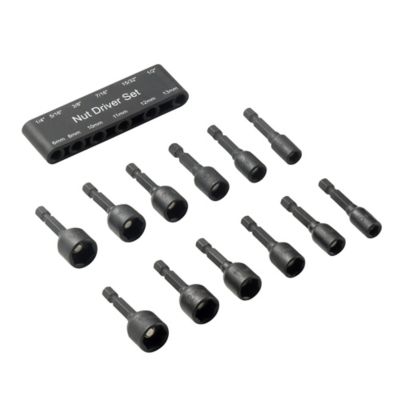
Magnetic Nut Drivers provide a different working end: a socket-shaped opening sized to fit around the fastener head rather than a screwdriver bit that engages a recess. The distinction matters on sheet-metal screws, equipment panels and brackets, where matching the driving end to the hardware helps prevent rounded corners and wasted effort. Magnetic retention is a convenience, not a substitute for proper engagement or support.
A little attention between jobs helps keep magnetic bit holders ready for the next repair. Magnets attract metal filings along with the parts meant to stay attached, so a holder tossed into a tray of drilling debris can collect a gritty buildup around its opening. Wiping away loose dirt and carefully clearing filings from accessible surfaces helps bits seat fully and makes wear easier to spot. Cleaning methods should follow the maker’s instructions, especially on holders with moving sleeves or internal retention parts. Dry storage helps limit rust, while a bit case or a separate compartment keeps the holder from disappearing beneath sockets, washers and loose screws. Bent shanks, cracked bodies, damaged sleeves and bits that no longer stay seated are reasons to stop and inspect the setup rather than keep driving. The tool should be off and disconnected from its power source as directed by its manual before fitting, removing or clearing accessories. In use, keeping the holder lined up with the fastener helps reduce sideways strain; it is a driving accessory, not a pry bar. Those habits fit naturally into the pace of work around a property, whether the task is rehanging a shed latch, assembling shelving or putting a loose handle back where it belongs. For a maintenance worker, carpenter, farm owner or homeowner, a magnetic bit holder can be a small but frequently reached-for part of the toolbox. It can also make a practical gift for someone who regularly tackles repairs, provided the shank, length and tool rating match the equipment already in that person’s shop. A shorter holder for open, close-up fastening and a longer option for obstructed access serve different purposes rather than competing for the same job. Choosing around those real working conditions keeps the focus on comfortable reach, secure bit fit and straightforward fastening, from the first screw in a bracket to the last screw in a repaired cabinet hinge.