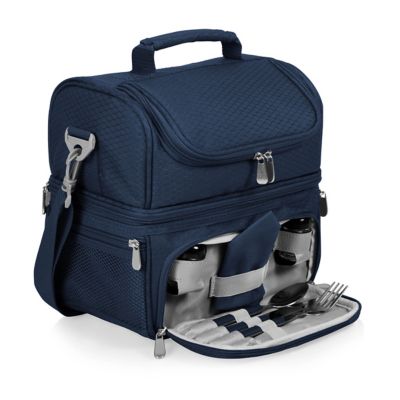
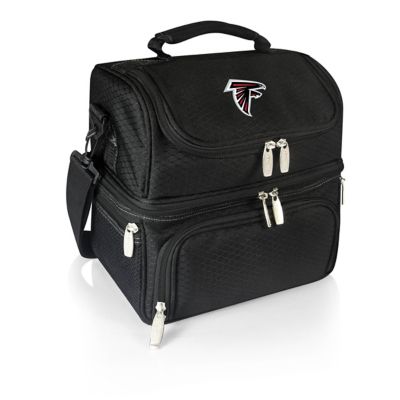
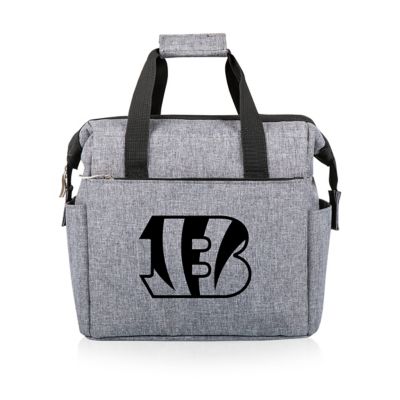
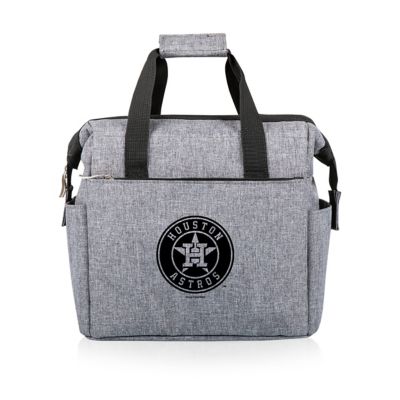
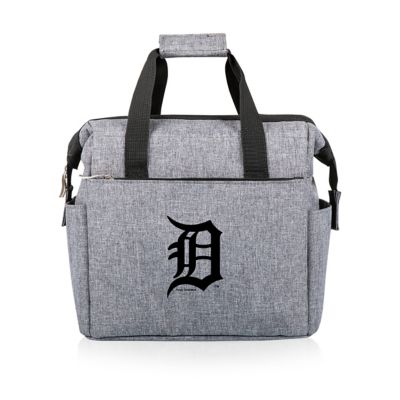
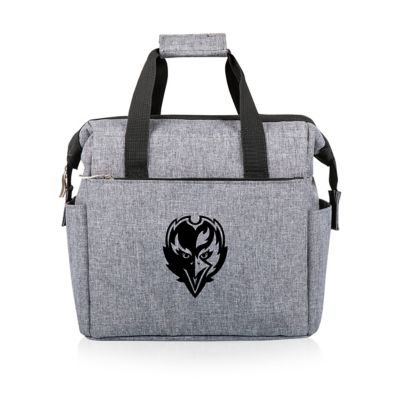
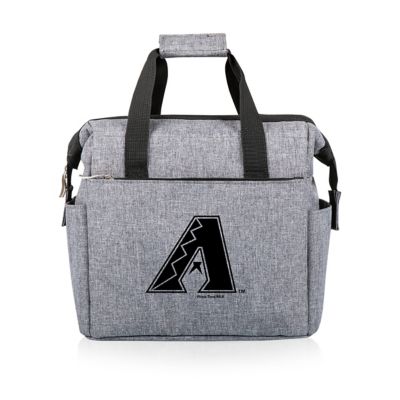
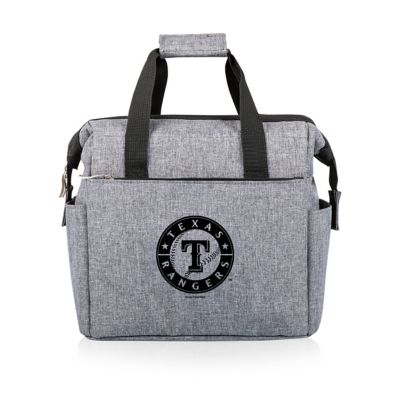
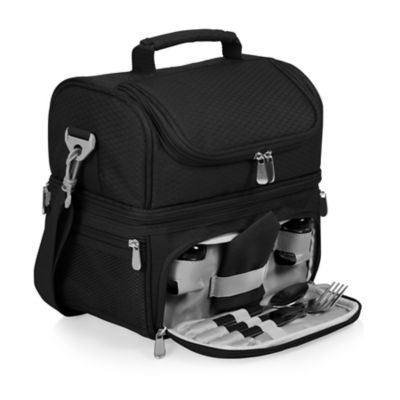
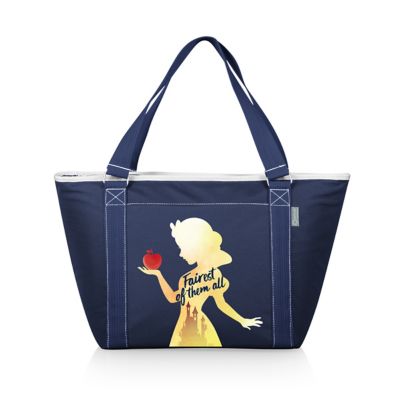
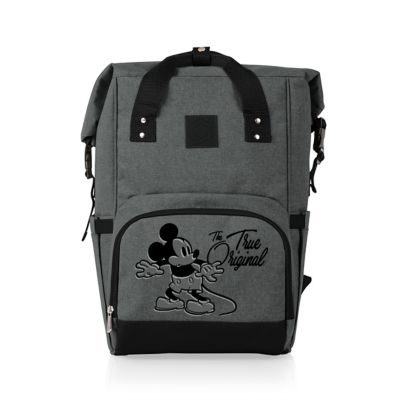
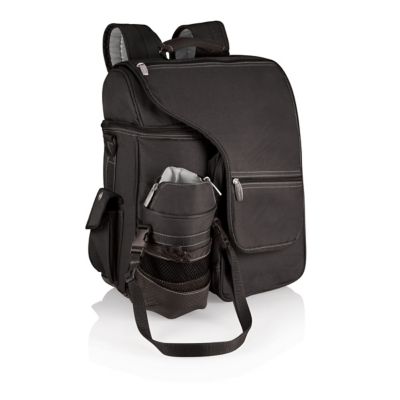
A lunch cooler bag is a soft-sided, insulated bag made to carry meals, snacks, and drinks while helping them stay cold when packed with ice or frozen cold packs. It gives a packed lunch its own spot, whether the day takes you to the barn, a jobsite, a classroom, or a break room. Unlike a regular tote, an insulated lunch bag has a layer between the outer shell and inner lining that slows heat transfer. Its flexible shape is handy for everyday carrying, especially when there’s already a tool bag, backpack, or stack of paperwork coming along. The right size depends less on how much the bag looks like it holds and more on what actually goes inside. A sandwich container, piece of fruit, and small drink call for a different layout than two meal-prep containers and snacks for a long shift. Interior dimensions matter when a favorite container needs to sit flat, and ice packs take up part of that space. A bag’s can capacity can help describe its size, but it doesn’t tell the whole story when lunch includes a wide bowl or a tall bottle. A broad opening makes packing easier and lets you reach the bottom without unloading everything onto a truck seat. Divided compartments can keep a soft sandwich away from heavier drinks, while an upper pocket offers room for crackers or other snacks that don’t need chilling. Exterior pockets give napkins, utensils, and a folded shopping list a place away from the food. For a short commute, a compact lunch tote may be all that’s needed. For a full workday away from a refrigerator, extra room for cold packs and a second meal can make a larger lunch cooler bag a better fit. A structured base also helps containers stay level when the bag is set beside a desk or tucked into a cab.
Materials and construction make a difference when a lunch bag travels back and forth every day. Polyester and nylon are common outer-shell materials, with tightly woven fabrics offering resistance to scuffs from floorboards, benches, and the other gear sharing the ride. Reinforcement around handles, strap attachments, and bottom corners helps address the spots that take repeated strain. A water-resistant finish can help the outside shed small splashes, but that feature doesn’t mean the entire bag is waterproof. The same distinction applies inside: a wipe-clean lining isn’t necessarily leakproof, particularly around stitched seams or zipper openings. Some lunch cooler bags have smooth PEVA linings, while others have removable rigid liners that help hold their shape and make spills easier to reach. Welded liner seams can help contain liquid, though the bag’s stated care and performance details still matter. Foam insulation works with the closure and cold source to slow warming; it doesn’t chill food on its own. Chilled food, frozen packs, and a bag that stays closed between breaks give insulation a better chance to do its job. There’s no single cold-holding time that applies to every lunch bag, since performance changes with insulation thickness, packing, surrounding conditions, and how often it’s opened. Perishable food should stay at 40°F or below, so an insulated bag isn’t a substitute for refrigeration unless it can maintain that level. Carrying comfort deserves just as much attention as the lining. A padded handle is handy for a short walk from the parking area, while an adjustable shoulder strap leaves a hand free for a gate latch or equipment case. A strap that sits comfortably when the bag is full matters more than how it feels empty. Zipper pulls that are easy to grasp and an opening that stays wide can also make lunch a little less fussy when break time is short. For school or everyday commuting, overall dimensions should leave enough room to carry the bag comfortably alongside the rest of the day’s gear.
A lunch cooler bag earns its place through the ordinary details: keeping a sandwich from getting flattened, giving a yogurt cup a steady spot, and making it easy to find a fork before a short break is over. Separate sections are especially practical when one person packs an early snack and a later meal, since there’s less rummaging through the main compartment. An upright shape suits bottles and taller food containers, while a wider, box-shaped bag often works better for shallow lunch containers. Soft sides can make storage easier after the meal, although a structured design may offer more protection against bumps. Everyday care helps keep either style ready for the next trip. Emptying crumbs, wiping spills promptly, and leaving the bag open until the lining is fully dry can help prevent lingering odors. Removable liners and accessible corners make that routine easier, especially after a loose lid leaves dressing or juice in the bottom. Cleaning directions vary by material and construction, so machine washing or soaking shouldn’t be assumed safe. Harsh scrubbing can damage coatings, and moisture trapped inside a closed bag can lead to mildew. Handles, seams, and zippers also benefit from an occasional check, particularly when the bag regularly carries heavy drinks or large cold packs. As a practical gift, an insulated lunch bag can suit a student heading to classes, a family member starting a new job, or someone who takes lunch along for chores away from the house. Size and carrying style are worth matching to that person’s routine rather than picking by appearance alone. For outings that call for refreshments for more than one person,
Beach Cooler Bags offer another category to consider alongside an everyday lunch carrier. For daily meals, a manageable size, comfortable handle, accessible compartments, and a lining that’s easy to clean are the features that tend to matter most once the bag becomes part of the routine.