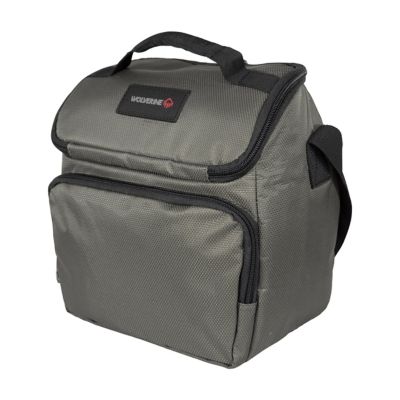
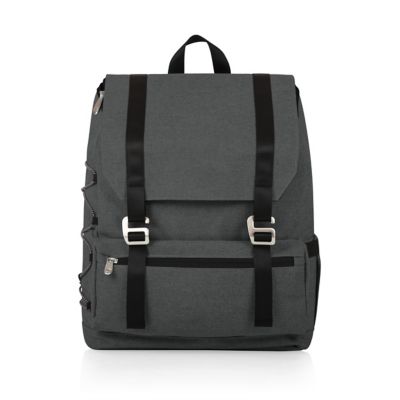
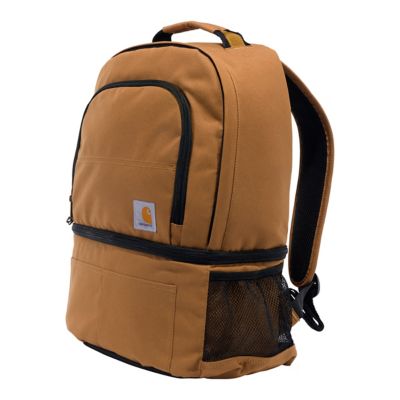
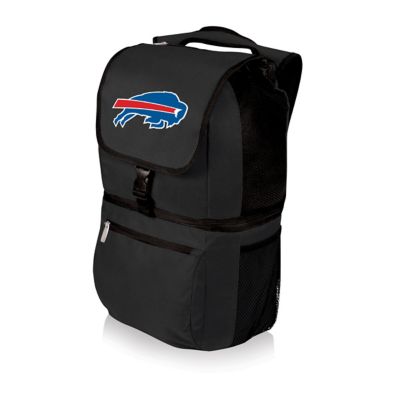
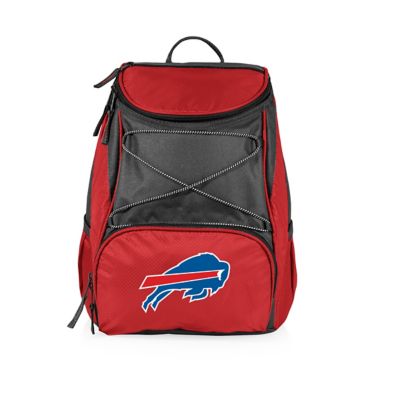
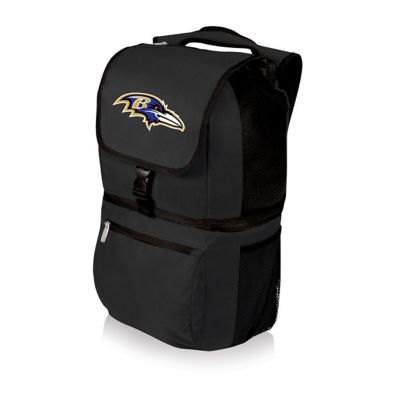
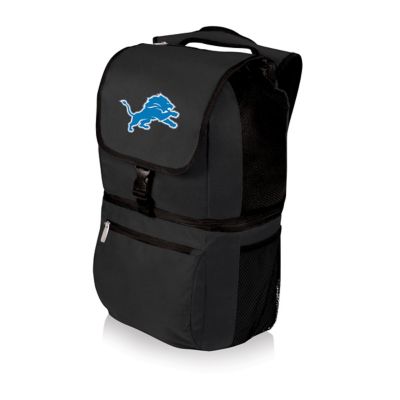
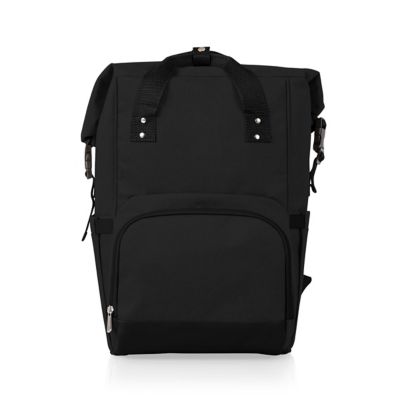
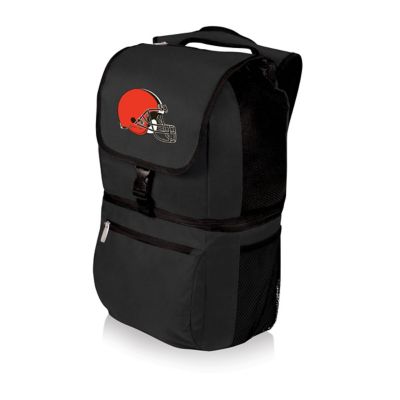
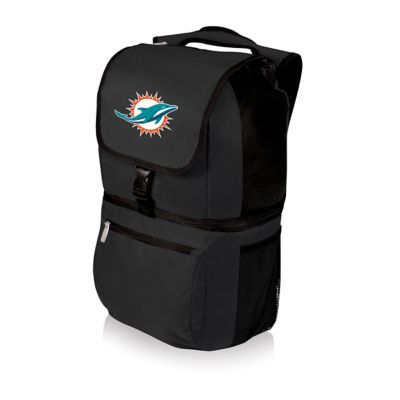
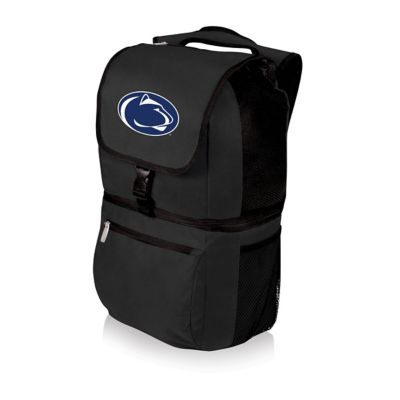
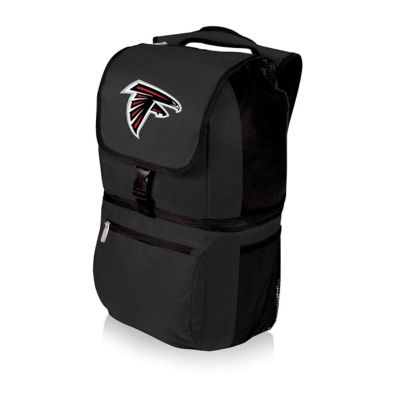
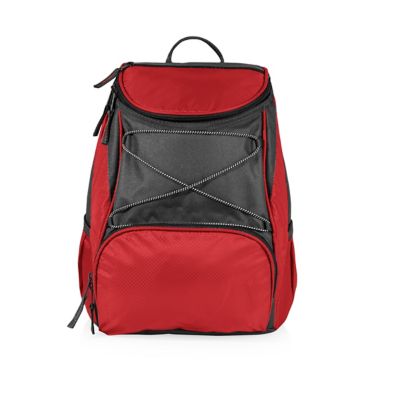
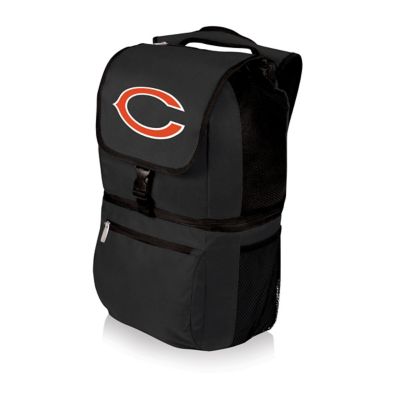
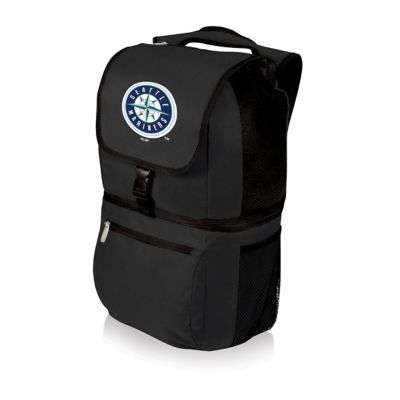
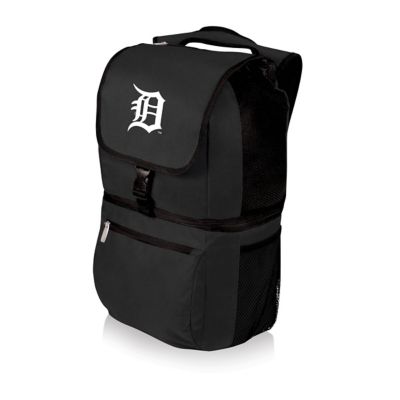
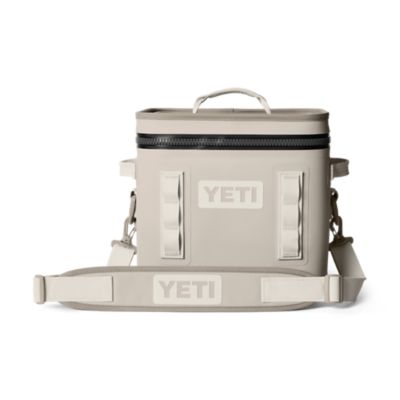
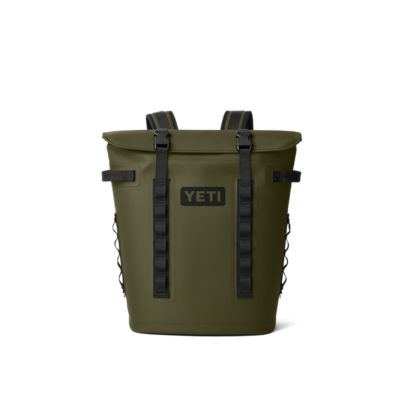
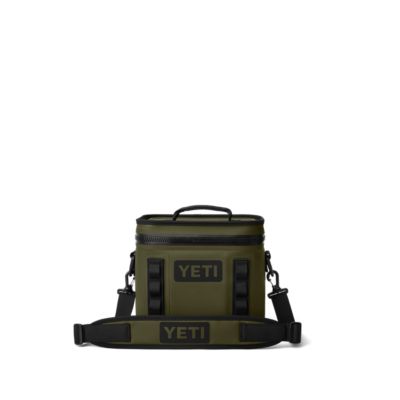
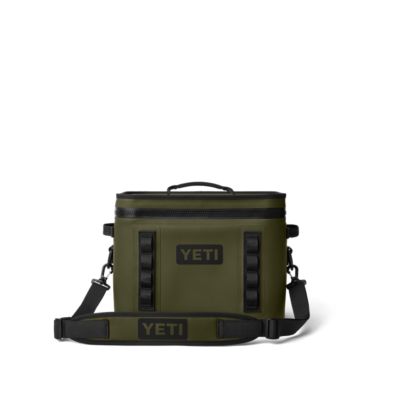
Backpack coolers for men put insulated food and drink storage on your shoulders, leaving both hands free for a tackle box, a folding chair or a gate latch. They make sense for work lunches, fishing trips, trail walks and afternoons spent a fair distance from the truck. The appeal is straightforward: drinks, sandwiches and snacks travel together without a cooler handle pulling on one arm. Compared with many hard-sided coolers, soft-sided backpack styles can be easier to carry along a narrow path or tuck behind a truck seat, though their shape and support vary. A compact pack can suit one person’s lunch and a couple of drinks, while a larger insulated compartment leaves room for shared meals or a longer outing. Capacity deserves a little attention because a can count does not necessarily describe the space left after adding ice, food containers and a full-size water bottle. Capacity measurements also vary among designs, so interior dimensions and stated packing assumptions tell more than a can count alone. A wide opening makes it easier to settle a lunch container flat instead of wedging it between drinks, and a broad base helps keep the load from turning into a stack of cans against your back. Interior shape matters as much as total volume when lunch includes a square container, a tall bottle and something that should not get crushed. For a workday away from a refrigerator, separate space for food and beverages can make a pack easier to organize. For an afternoon at the fishing pond, room for drinks and reusable ice packs may matter more than extra compartments. The right capacity also depends on the walk. A pack that feels manageable between the house and the pickup can feel very different halfway down a long trail with every compartment filled. Empty pack weight, the weight of the contents and the distance to the destination all play a part in how practical a backpack cooler feels.
Construction affects how a cooler backpack handles the ride, the carry and the cleanup afterward. Polyester and nylon are common outer-shell materials, with coated fabrics adding resistance to splashes and damp ground. A water-resistant exterior is not the same thing as a waterproof pack, and a wipe-clean liner does not automatically mean the whole compartment will hold loose ice without leaking. Welded liner seams can help contain meltwater, but the closure needs its own consideration. A standard zipper may let liquid escape when a bag tips over, even if the lower compartment holds water. Designs intended for loose ice should specifically support that use; otherwise, sealed reusable ice packs help limit free water around lunch containers. Closed-cell foam insulation is common in soft coolers because it slows heat transfer without requiring a rigid box. Actual cold retention depends on the full design, the starting condition of the contents, the amount of ice or ice packs and how often the compartment opens. An insulation claim alone does not establish food-safe storage time. Perishable foods need to stay at 40°F or below, and a cooler thermometer provides a way to check conditions inside. Carry comfort comes down to more than thick shoulder padding, too. Adjustable straps help position the load close to the back, while a sternum strap can reduce sideways shifting on uneven ground. A supportive hip belt, when included, can shift some weight away from the shoulders. Back-panel cushioning helps keep bottle edges and container corners from pressing through, although careful packing still matters. Men with broad shoulders or longer torsos may need more strap adjustment than a smaller framed wearer, so the fit of the loaded pack matters more than the men’s label alone. Reinforced strap attachments, protected base panels and smooth-working closures are worth attention because those areas take repeated strain when a loaded cooler gets lifted from a truck floor or set beside a dock.
Everyday details often decide whether a backpack cooler becomes a regular companion or stays in the closet. An exterior bottle pocket keeps a frequently reached-for drink handy without opening the insulated section, while a separate dry pocket gives keys, napkins and a phone their own space. Dry storage still needs a secure closure and protection from meltwater; simply being outside the cooler compartment does not make a pocket waterproof. A sturdy top handle helps with short lifts onto a picnic table, and zipper pulls that are easy to grip make access less of a chore when the bag is packed full. Attachment loops can carry light extras, but heavy gear hanging off one side can upset the balance. For parking-lot lunches before kickoff,
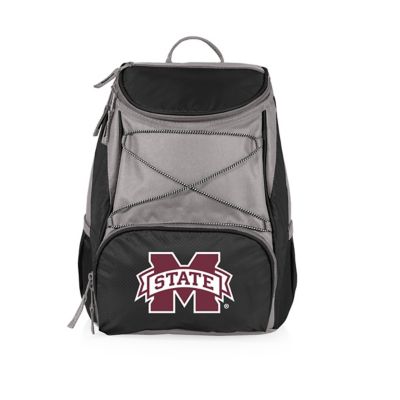
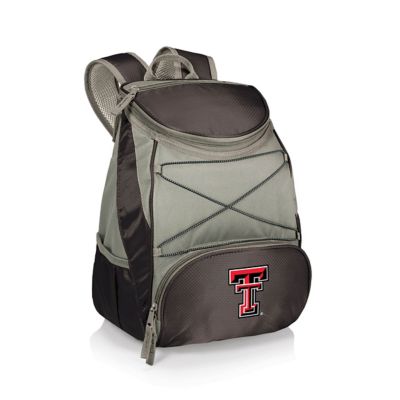
backpack coolers for college gamedays bring that same hands-free convenience to the walk from the truck to the gathering spot. Stadium and venue bag rules still determine what can go beyond the tailgate area. Back at home, simple care helps keep the pack ready for the next trip. Food spills and trapped moisture can leave lingering odors, so the liner needs cleaning according to its care directions and enough open-air drying time before storage. Seams, folds and the area around the zipper deserve attention because crumbs and moisture can collect there. Many insulated bags call for hand cleaning rather than a washing machine, and closures may have separate maintenance directions. A clean, fully dry pack stored with its lid open or unzipped is less likely to trap stale smells between outings. These practical details also make backpack coolers a thoughtful gift for men who carry lunch to a jobsite, spend free time fishing or regularly haul snacks for the family. Matching the size, carrying fit and compartment layout to the recipient’s routine makes the gift useful well beyond a single outing, whether its next stop is a lunch break beside the barn or a picnic table down the trail.