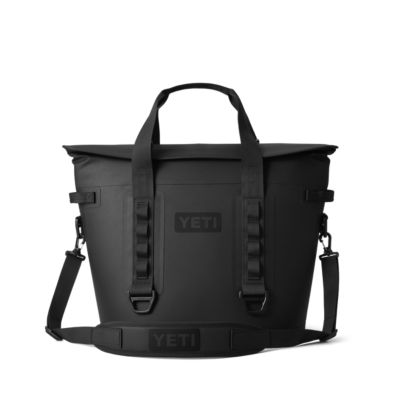
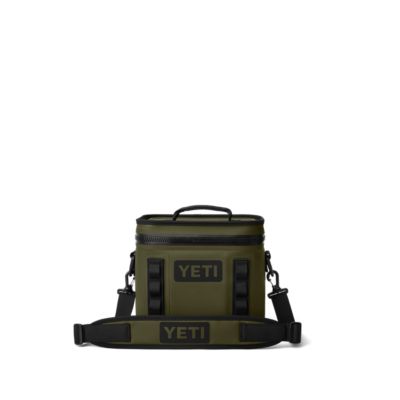
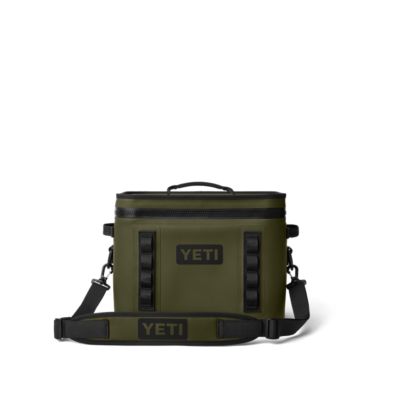
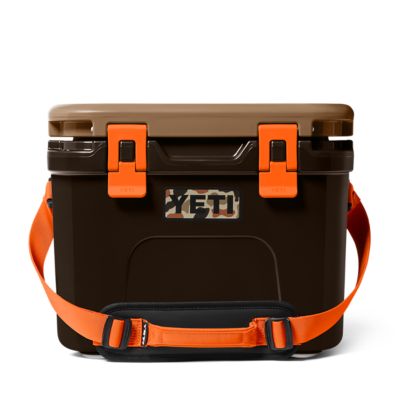
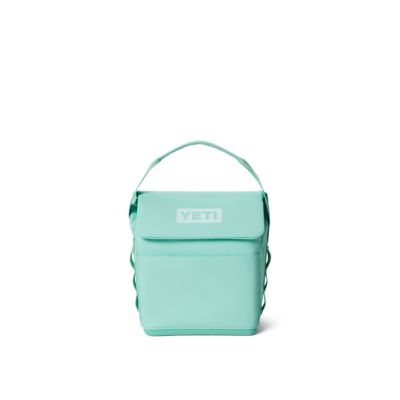
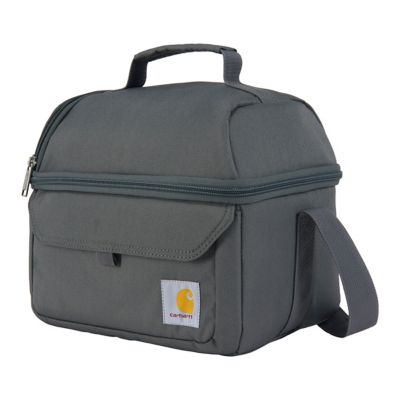
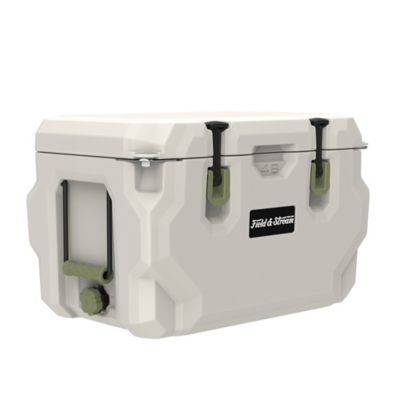
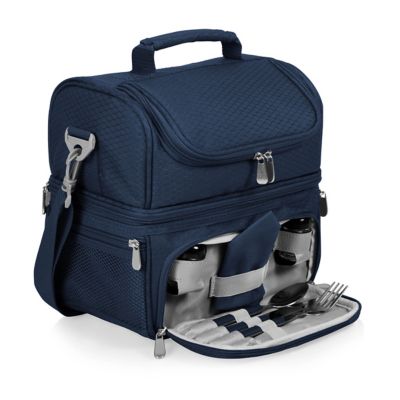
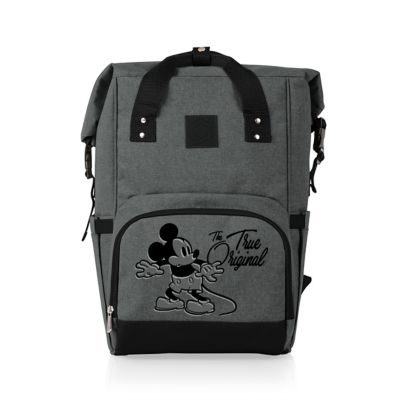
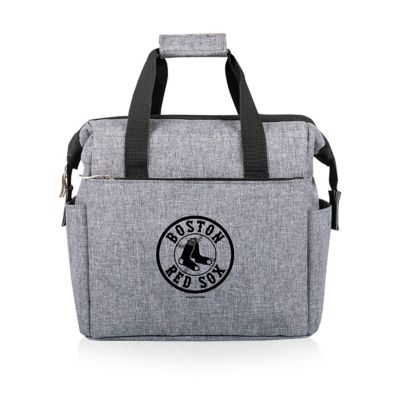
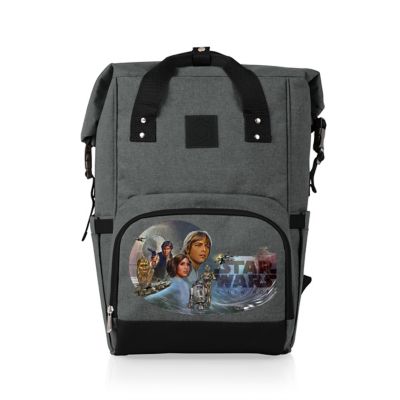
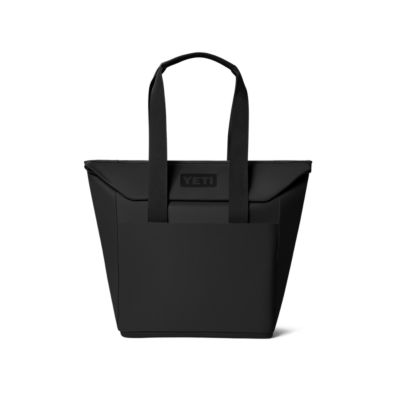
Insulated cooler bags help keep food and drinks cold while making a packed lunch, grocery run, or afternoon by the fishing pond easier to manage. Their insulation slows heat transfer, while ice or frozen packs supply the cooling needed for perishable food. Unlike a refrigerator, a cooler bag does not actively chill its contents, so starting with cold food makes a difference. These soft-sided carriers fit plenty of everyday routines, from taking sandwiches out to the field to bringing milk and eggs home after a trip into town. A compact lunch bag suits one person’s meal, while a roomy tote can handle groceries or snacks for the family. Backpack coolers leave both hands free for carrying tackle or holding a child’s hand, and shoulder bags can make the walk from the truck to the picnic table less of a juggle. The right size depends on more than the number of people eating. Food containers, drink bottles, ice packs, and the length of the outing all take up space in the decision. Capacity may appear in quarts, liters, or a stated number of cans, but can counts are not always measured the same way and may leave little room for ice. Interior dimensions tell more about whether a lunch container will sit flat or a tall bottle will stand upright. A broad base helps keep stacked containers steady, while a wide opening makes it easier to reach lunch without pulling everything out. Extra height can accommodate upright groceries, but a bag that is too large for the daily load may be awkward to carry and leave more empty space around the contents. For a lunch break between chores, a straightforward layout with room for a main meal, a drink, and a cold pack often makes more sense than an oversized carrier. For a full day away from home, separate compartments can keep snacks within reach without opening the main insulated section every time.
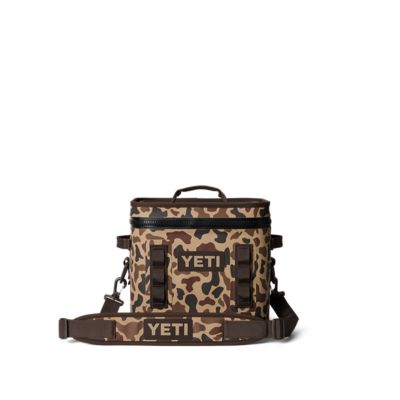
Materials and construction shape how an insulated cooler bag carries, cleans up, and handles regular trips. Polyester and nylon outer fabrics are common, sometimes paired with coatings that help shed splashes and make dirt easier to wipe away. The outer fabric protects the insulation, but its appearance alone does not tell the whole story. Stitching at handles, reinforcement around strap attachments, and protection along the bottom matter when a bag rides on a truck floor or rests beside a workbench. Foam insulation varies in thickness and construction, and cooling performance also depends on the closure, the amount of ice, and how often the bag opens. Thicker walls can take up more room, so outside measurements may not reflect the space inside. A smooth interior lining makes spills easier to spot and clean, while welded seams can help limit leakage in designs intended to hold loose ice. A water-resistant exterior, a leak-resistant liner, and a watertight closure are different features; one does not guarantee the others. Some bags work best with sealed ice packs rather than loose ice, especially when zippers or stitched seams can let meltwater escape. Closure design also affects daily convenience. A broad zippered lid gives a clear view of the contents, while a roll-top opening may call for more space above the bag during packing. Carrying comfort becomes important once drinks and ice add weight. Padded shoulder straps, adjustable backpack straps, and handles that meet comfortably in one hand can make a loaded bag easier to manage. Strap length matters, too, particularly when carrying the bag over work clothes or alongside another bag. Insulated bags are part of the broader family of
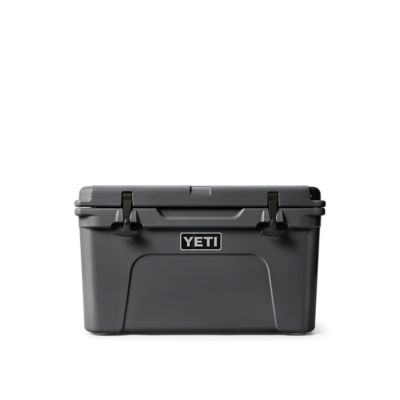
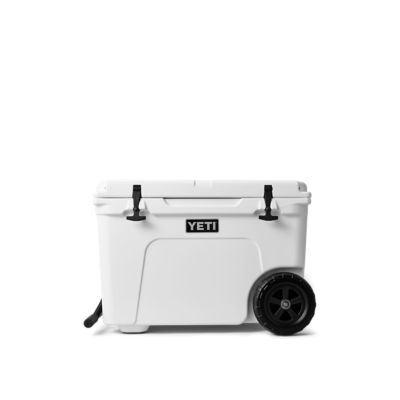
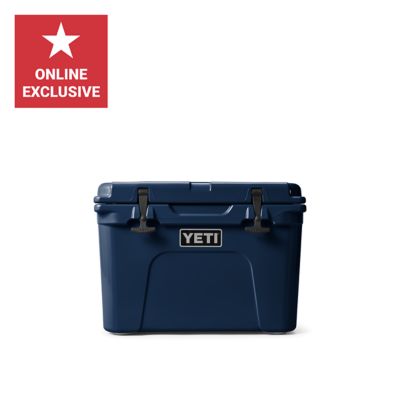
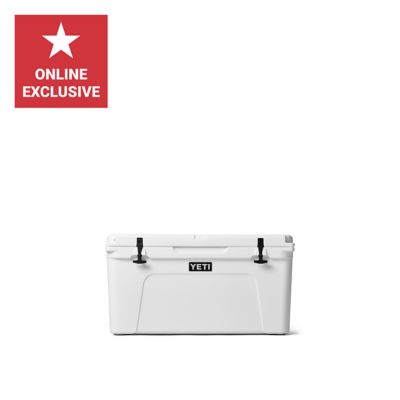
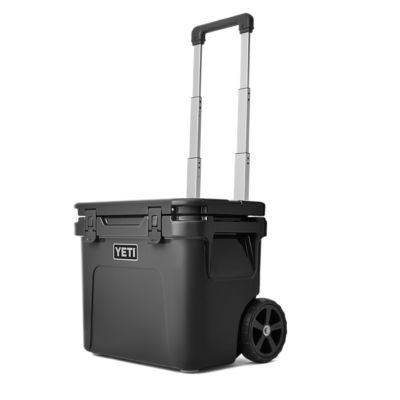
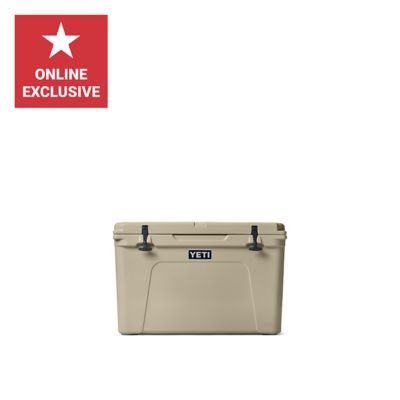
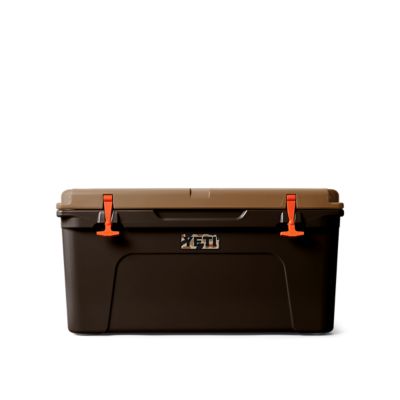
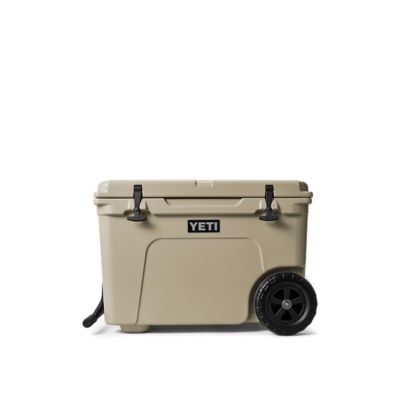
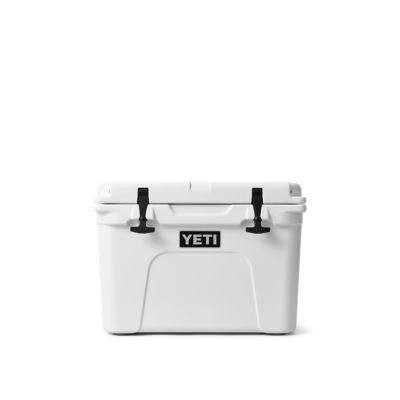
Portable Coolers, offering a lighter, more flexible alternative to many hard-sided designs. Some fold down for storage between trips, while others keep their shape to protect food containers and make packing more predictable.
Everyday performance comes down to matching the bag to the load and giving the lining, closures, and straps a little attention between outings. Frozen packs offer tidy cooling for lunches and groceries, while loose ice belongs only in bags whose care and use directions allow it. Cold packs placed around perishable food help limit warm spots, and keeping the main compartment closed helps preserve cooling. Perishable food should stay at 40°F or below; a food thermometer provides a better check than judging the temperature by touch. Raw meat needs its own sealed packaging, kept separate from ready-to-eat snacks, produce, and drinks. A cooler bag is also no place for farm chemicals, fuel containers, or other supplies that could contaminate food. For a long drive home from the grocery store, a bag with enough space for chilled purchases and frozen packs can be handy, but it is still important to put food away promptly. At lunchtime, an exterior pocket can hold napkins and utensils without taking up chilled space, and a separate compartment can keep dry crackers away from condensation. After the trip, crumbs, spills, and trapped moisture deserve attention before the bag goes back into the closet. Most linings benefit from gentle cleaning with mild soap and a soft cloth, followed by thorough drying with the bag open, but the manufacturer’s care directions take priority. Machine washing, soaking, bleach, and high heat can damage some fabrics, coatings, or insulation. Zipper tracks also benefit from having grit and food residue cleared away, particularly after a day near dirt or sand. Storage is easier when the bag is completely dry and the straps are tucked out of the way rather than caught beneath a heavy load. For gift giving, insulated cooler bags suit folks who pack lunches, spend time fishing, travel to ballgames, or carry meals between home and the farm. A familiar container size, a comfortable carrying style, and a lining that is easy to clean make the gift practical long after the first outing.