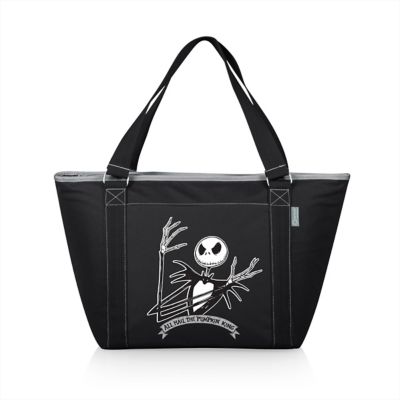
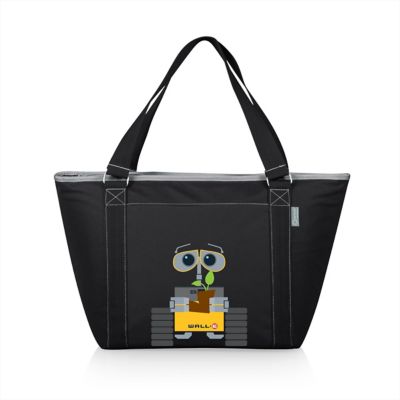
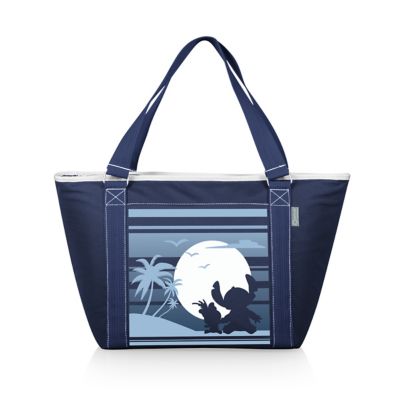
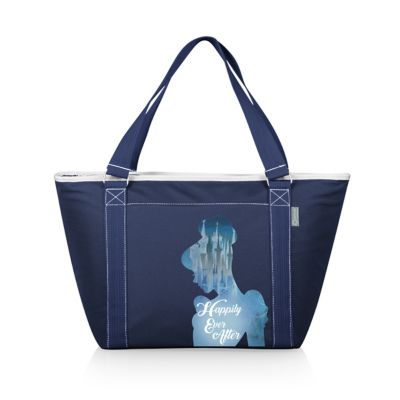
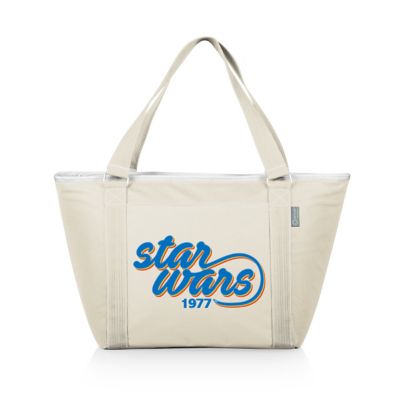
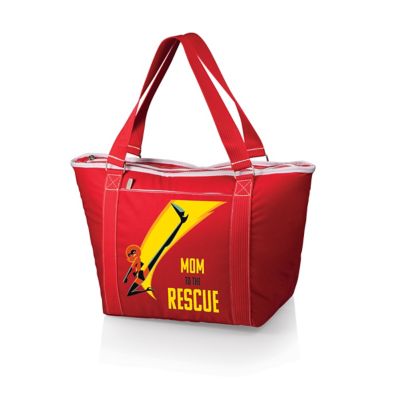
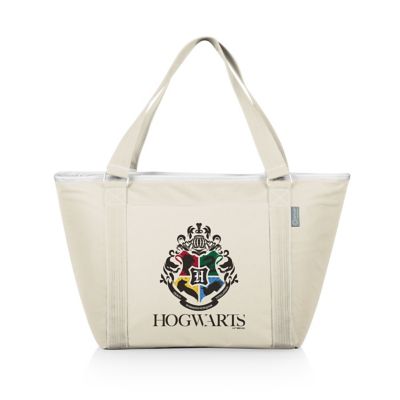
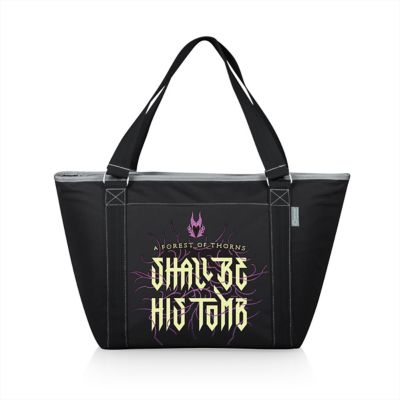
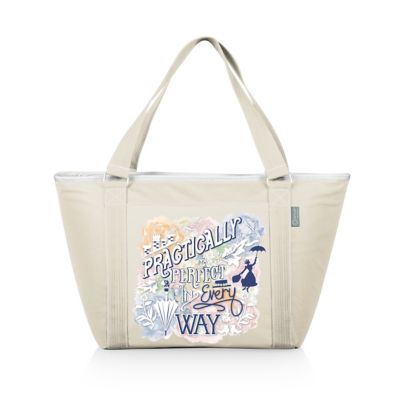
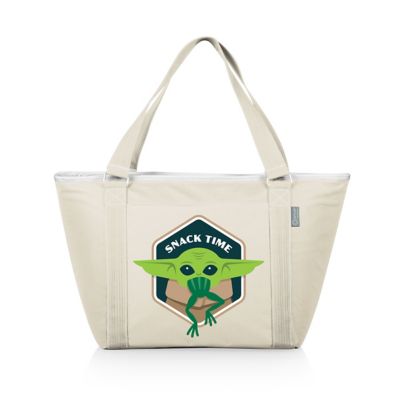
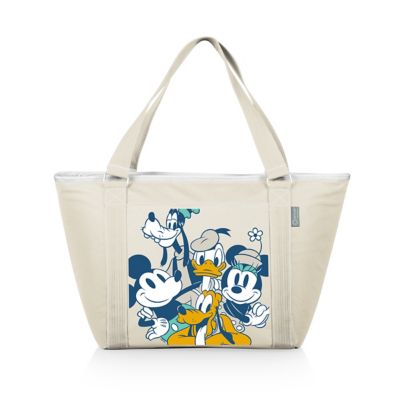
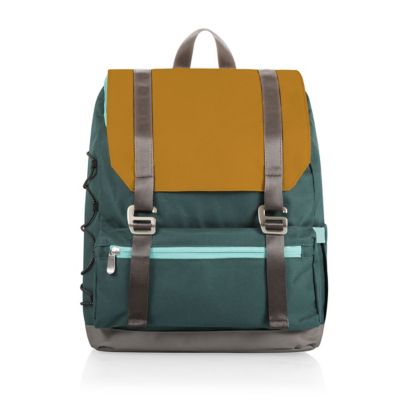
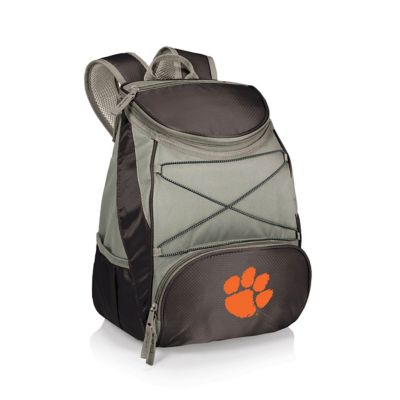
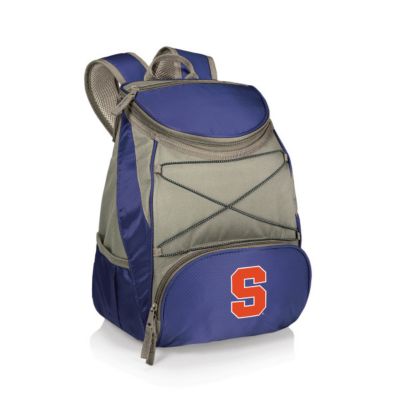
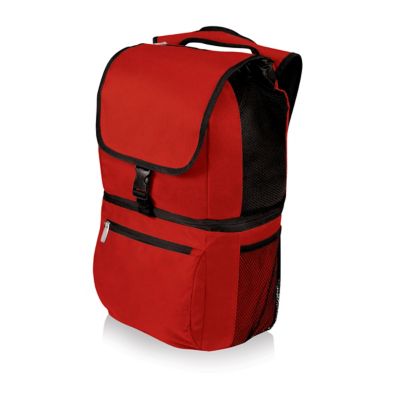
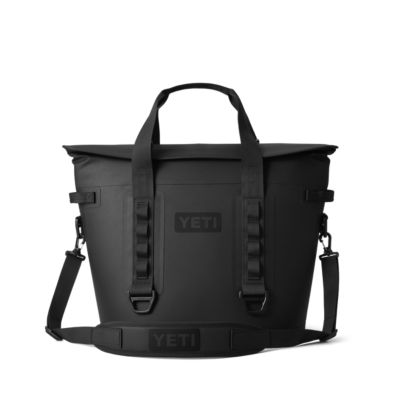
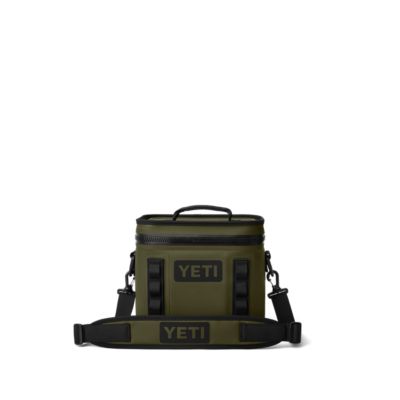
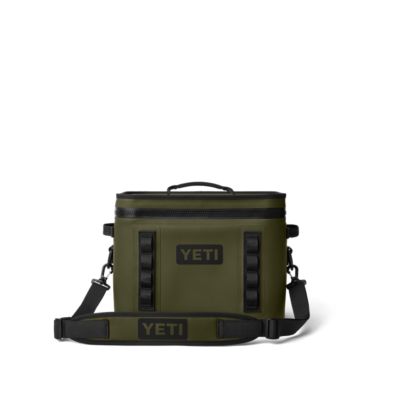
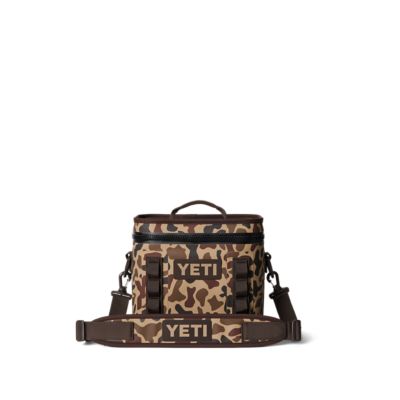
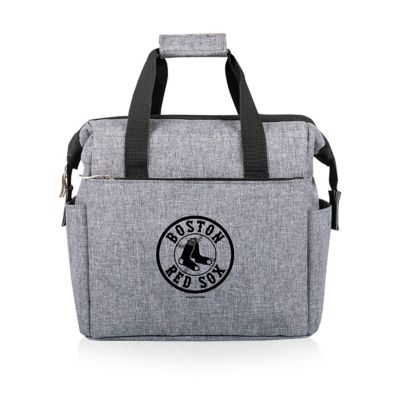
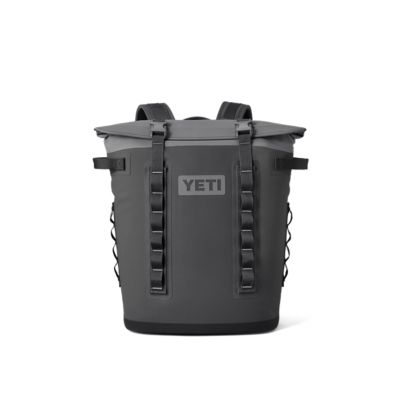
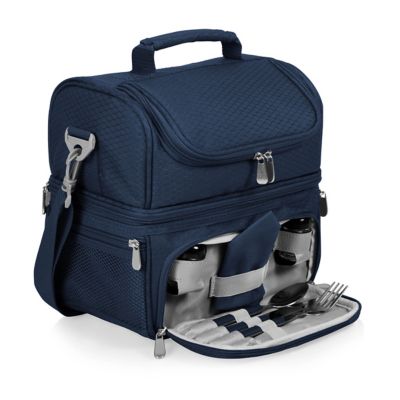
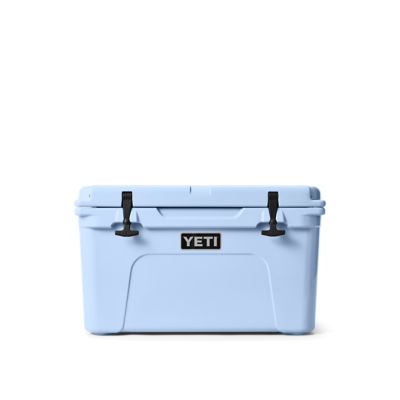
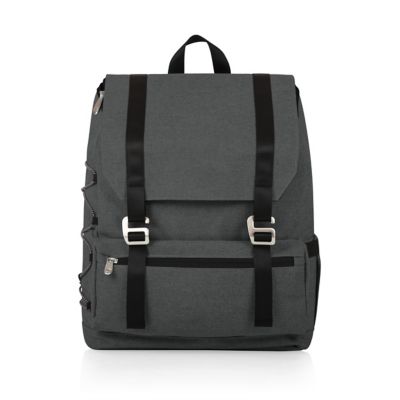
Beach cooler bags are insulated totes, shoulder bags and backpacks built to carry chilled food and drinks to the shore without the rigid shape of a hard cooler. They make sense for everything from a couple of sandwiches beside a fishing pier to a family’s lunch spread near the dunes. Their flexible sides can fit around other gear in a vehicle, while handles and straps make the walk from the parking area more manageable. The best fit depends on what’s going inside and how far it needs to travel. A tote with a wide opening makes it easier to arrange food containers, slide in cold packs and find a drink without unpacking lunch. A backpack-style cooler leaves both hands free for folding chairs, a tackle box or a child’s hand. Shoulder bags offer another way to carry a modest load, especially when the strap has padding and enough adjustment to keep the bag close to the body. Interior dimensions matter as much as an advertised can count: tall bottles, upright containers and room for ice all affect how much a bag can carry. A broad, flat base helps support a packed lunch, while a taller profile may better suit drink bottles. The bag’s empty weight also becomes more noticeable once drinks and cold packs go in. For a long walk across loose sand, a manageable load and comfortable straps often matter more than squeezing in a few extra cans. Exterior pockets can keep napkins, utensils and other small essentials separate from the chilled compartment, though they generally do not provide the same insulation. A secure pocket for keys is handy when there’s no picnic table nearby. Closures deserve attention, too: an opening that’s easy to reach while the bag sits beside a chair can save a good bit of rummaging. For families sharing one cooler, separate compartments can help keep snacks within reach without disturbing the containers underneath.
Materials and construction shape how a beach cooler bag handles sand, splashes and repeated trips from the truck to the water’s edge. Woven polyester and nylon shells are common in soft-sided coolers, sometimes with coatings that help shed moisture and make surface cleanup easier. A reinforced bottom can help protect high-contact areas when the bag rests on a dock, a concrete walkway or the bed of a truck. Strong stitching and well-attached handles matter most when the load gets heavy; those attachment points carry the strain each time the bag gets lifted. Inside, foam insulation slows heat transfer, while the liner separates food and ice from the outer fabric. Insulation thickness, closure design, the amount of ice and how often the bag opens all affect how long its contents stay cold. No single cooling-time claim tells the whole story of a day at the beach. Shade and a closed lid help reduce heat exposure, and already-chilled food puts less demand on the ice or frozen packs. An insulated bag slows warming rather than chilling warm groceries on its own. For perishable foods, 40°F or below is the safe cold-holding target, and a food thermometer provides a better check than how cool the liner feels. Leak resistance is another detail worth sorting out before packing loose ice. A water-resistant exterior does not necessarily mean the interior will hold meltwater, and an ordinary zipper may let water escape if the bag tips over. Sealed or welded liner seams can help contain moisture, but the bag’s stated care and use information should determine whether loose ice belongs inside. Frozen packs offer a less messy option for lunches, especially when containers need to stay dry. Secure lids on food containers add another layer of protection against spills and keep sandwiches from sharing space with loose ice. A separate, sealed container for raw meat is important when the same cooler carries food for a beachside grill.
A beach cooler bag also needs to be practical once the outing is over. Smooth interior surfaces make crumbs, spilled juice and melted ice easier to clear away, while fewer tight corners leave fewer places for moisture to linger. A removable liner, when the design includes one, can make cleanup more straightforward, but it still needs care suited to its material. Mild soap and a soft cloth are generally gentler on coatings and seams than abrasive scrubbers or harsh cleaners. Care labels take priority, especially for bags with bonded layers, special closures or treatments that may not tolerate soaking or machine washing. Salt and sand deserve attention around zipper tracks, strap hardware and seams, where grit can interfere with movement and wear against the fabric. After cleaning, a fully open bag has a better chance to dry throughout before storage. Trapped moisture can leave odors that follow the bag into the next outing, so dry storage matters just as much as a wiped-down liner. A collapsible shape can be handy in a mudroom cabinet or behind a vehicle seat, provided folding does not strain the insulation or closure. Beyond the shoreline, these bags can carry snacks to a ball field, lunch to a fishing spot or drinks for a picnic by the lake. For a smaller meal-size carry, a
Lunch Cooler Bag suits an everyday lunch without the space needed for a shared beach spread. That overlap makes an insulated bag a thoughtful gift for anglers, picnic-loving families and folks who would rather pack a meal than leave their spot to find one. Comfortable carrying, sensible storage and easy cleanup are the details that keep earning their place on the next trip. Whether the plan is a quiet afternoon by the water or a full family outing, the right size leaves room for lunch without turning the walk back to the truck into a chore.