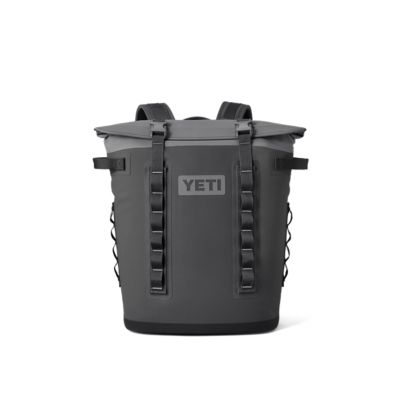
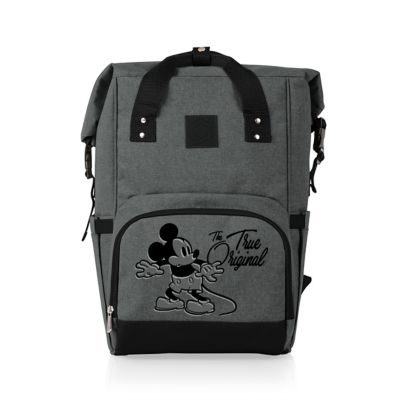
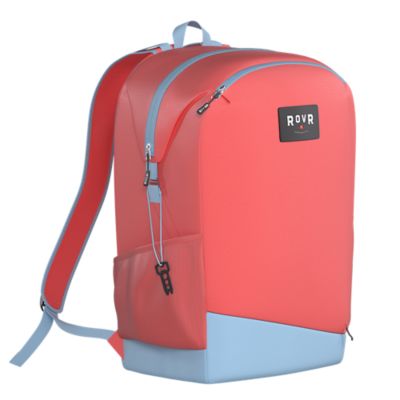
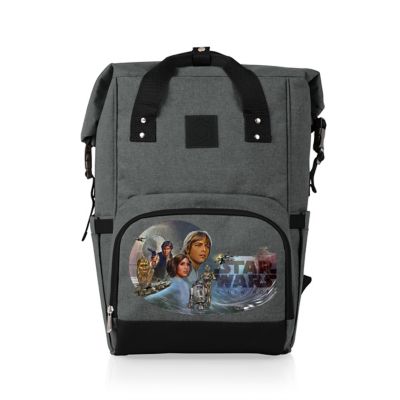
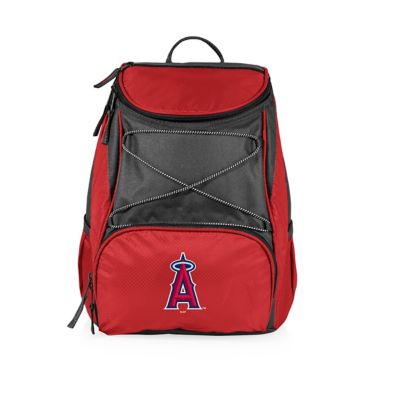
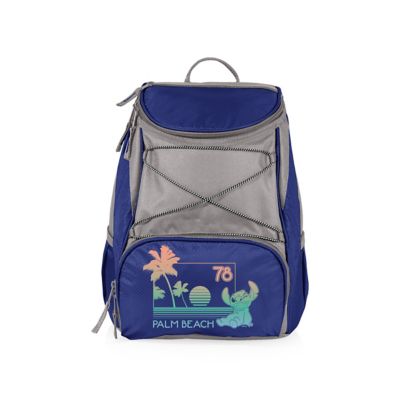
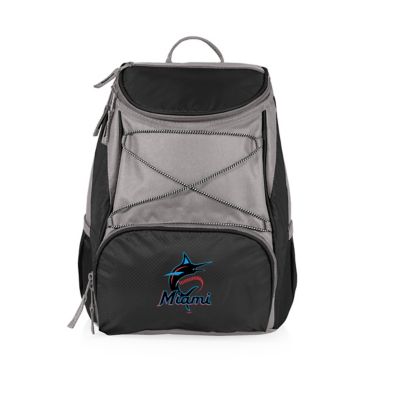
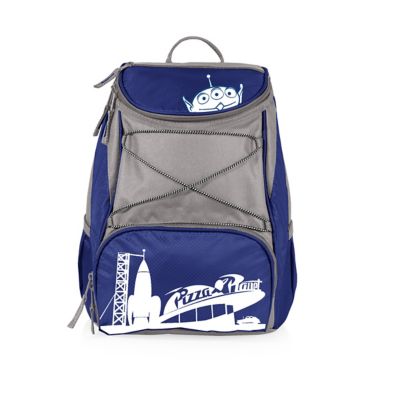
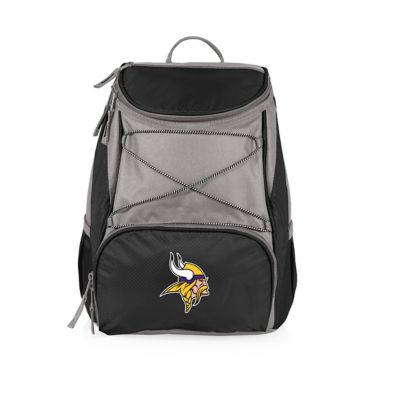
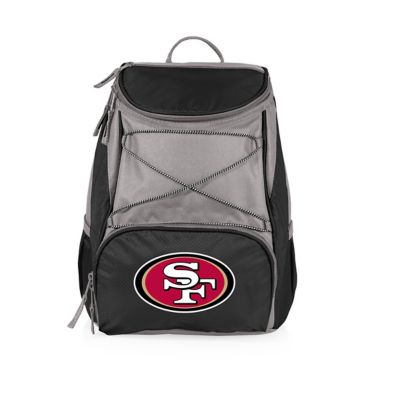
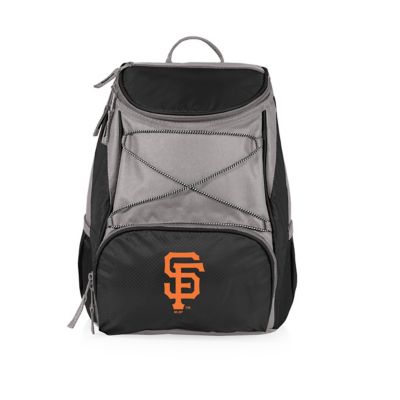
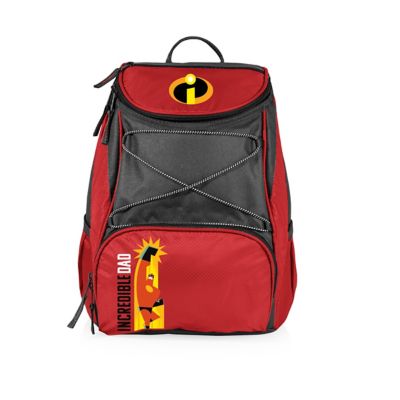
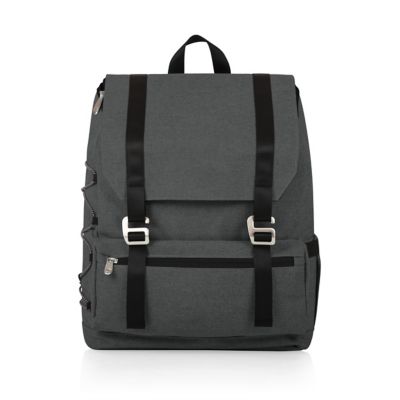
Insulated cooler backpacks are soft-sided coolers with shoulder straps, made to carry chilled food and drinks while leaving both hands free. They bring together the carrying comfort of a backpack and an insulated compartment that slows heat transfer to the contents inside. That combination makes sense for a walk to the fishing hole, lunch out along the fence line, a family picnic or a full day at the ball field. A backpack design can be especially handy when the trip also calls for tackle, folding chairs or a youngster’s hand to hold. Compared with a hard-sided cooler, a soft-sided pack generally has a more flexible shape that fits against the back, though its capacity, structure and carrying comfort depend on the design. Smaller insulated backpacks suit a sandwich, a couple of drinks and an ice pack, while roomier versions leave space for meals and refreshments for several people. Listed can capacity tells only part of the story: ice, frozen packs, tall bottles and lunch containers all take up room, so interior dimensions matter alongside the capacity number. A broad opening makes it easier to settle a food container flat without tipping the rest of the load. A taller compartment may work better for upright bottles, while a wider base can accommodate meal-prep containers or a few stacked lunches. Some layouts keep the cooler compartment separate from dry storage, giving napkins, keys and a phone their own place away from condensation. Exterior mesh pockets, zippered compartments and attachment loops can add convenience, but those spaces are not necessarily insulated or protected from water. For someone moving between a truck, a jobsite and a lunch spot, a pack that keeps the day’s food together can cut down on loose bags and awkward armloads. For a longer walk, the balance between usable space and loaded weight becomes just as important as how much the bag can hold.
Materials and construction shape how an insulated backpack cooler carries, cleans up and stands up to everyday wear. Polyester and nylon shells are common, with fabric weight, weave and coatings influencing how they handle rubbing against gear or brushing past a rough surface. Coated fabric can make spills easier to wipe away, but a water-resistant exterior does not make the entire pack waterproof. Inside, foam insulation helps slow heat transfer, while a liner separates food and ice from the outer shell. Closed-cell foam resists absorbing water, although insulation thickness, coverage and the overall design all affect cooling performance. Welded liner seams can help contain melted ice; stitched seams and ordinary zippers may let moisture escape. A leak-resistant liner also does not guarantee that liquid will stay inside if the backpack tips over, particularly around the lid or closure. That distinction matters when a bag will ride beside clothing, paperwork or other gear. Reinforced handles and strap attachment points help support a loaded pack, and a protected base takes some of the wear when it rests on gravel or a truck floor. Structured walls help the compartment hold its shape during packing, while more flexible construction may tuck into a smaller space between outings. Fit deserves the same attention as the shell and liner. Wide, padded shoulder straps spread the load across more surface area, and adjustable straps help position the bag close to the body rather than hanging low against the hips. A padded back panel adds a buffer between the wearer and the contents. Chest straps can limit side-to-side movement, while a supportive hip belt, when included, may transfer some weight away from the shoulders. Those features become more noticeable on a walk across uneven pasture than on a short trip from the parking lot. Comfortable carrying also depends on the load itself: even a compact cooler can feel heavy once it holds several drinks, lunch and enough ice for the outing.
Cold retention depends on more than the amount of insulation in an insulated cooler backpack. Starting with chilled food and drinks, adding enough ice or frozen packs, and keeping the main compartment closed all help preserve the cold inside. A nearly empty bag with little cooling material will not perform like a well-packed one, and frequent opening allows more heat into the compartment. Published ice-retention claims may reflect particular test conditions rather than a day of repeated snack and drink stops. A roomy main compartment offers flexibility for different cooling setups: frozen packs keep lunch containers away from loose meltwater, while ice can settle around beverage cans and bottles. Neither approach replaces food-safety checks. Perishable food needs to stay at 40°F or below, and a cooler thermometer provides a way to check the temperature instead of judging by touch. Sealed containers help keep sandwiches and cut fruit separate from melting ice, and raw meat needs its own securely sealed packaging to prevent contact with ready-to-eat food. After an outing, an emptied, wiped-clean liner and an open lid help the interior dry before storage. Mild soap and a soft cloth suit many liners, but care directions determine which cleaners and washing methods are appropriate for a particular material. Machine washing or soaking can affect foam, coatings and closures, so those methods require specific approval in the care instructions. Removing crumbs from zipper tracks and allowing straps and pockets to dry can help keep the pack ready for its next trip. For ranch hands, anglers, coaches and folks who pack lunch every day, the appeal is straightforward: food, drinks and a little dry storage travel together without tying up both hands. An insulated backpack can also make a practical gift for someone whose days regularly take them away from a kitchen. For gift shopping or another look at carrying styles,
Backpack Coolers For Men offers a related place to browse, with the recipient’s usual load and daily routine helping narrow the choice.