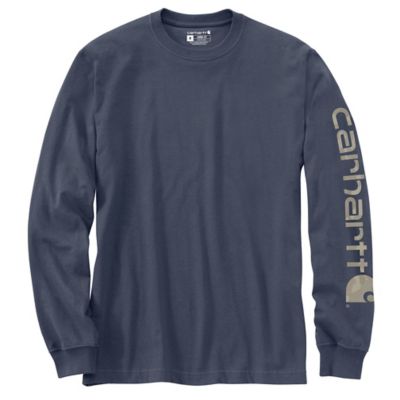
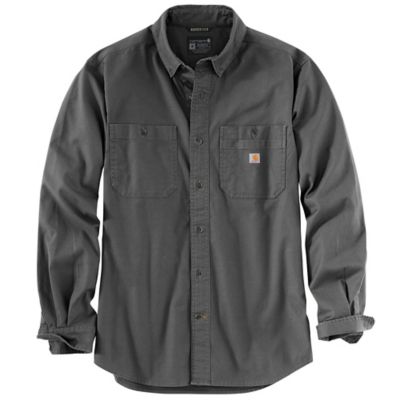
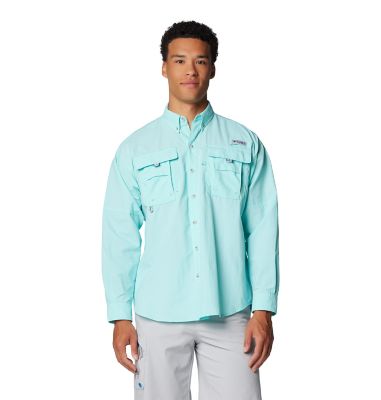
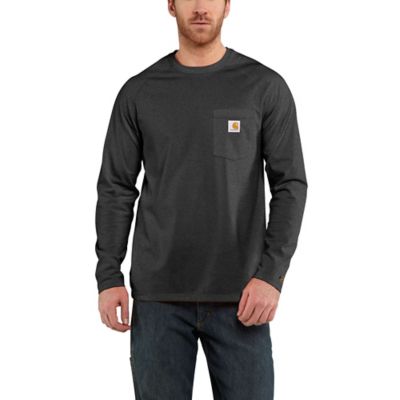
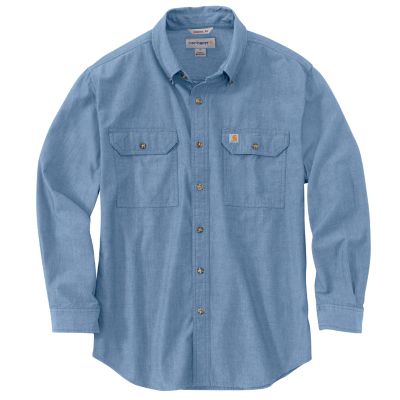
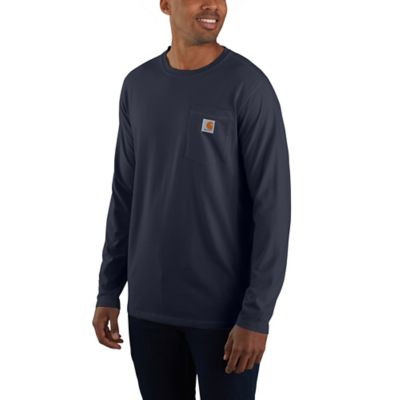
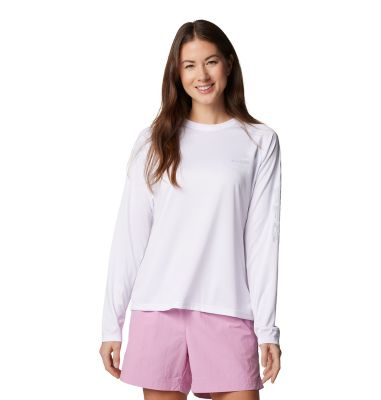
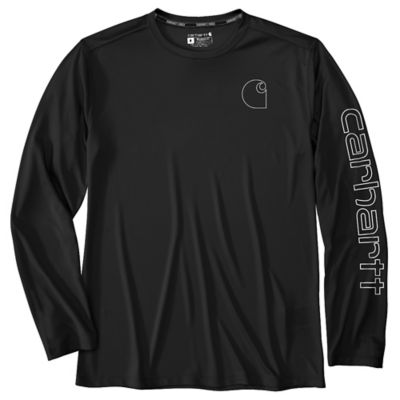
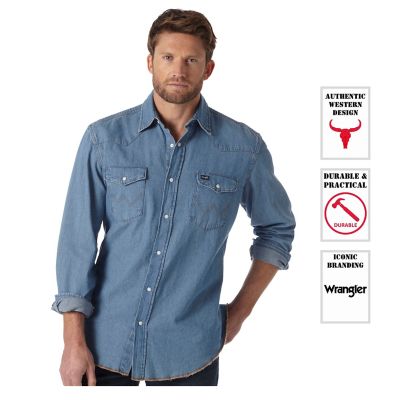
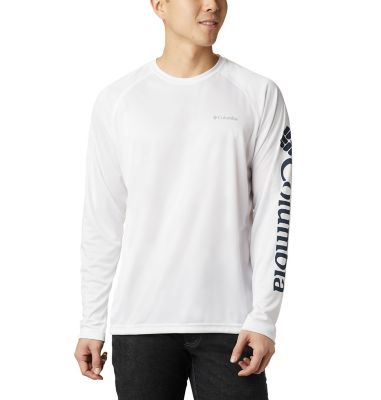
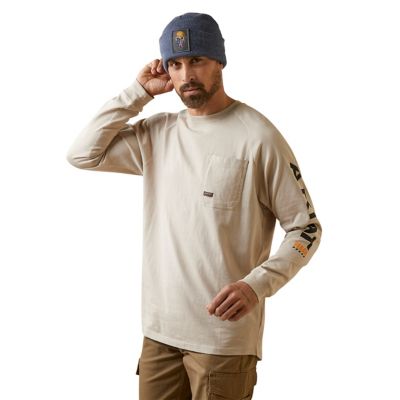
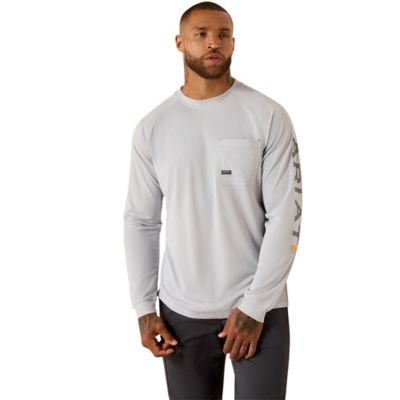
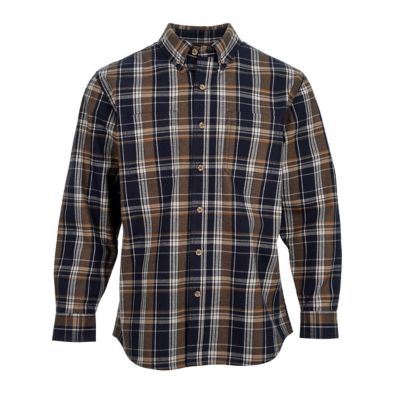
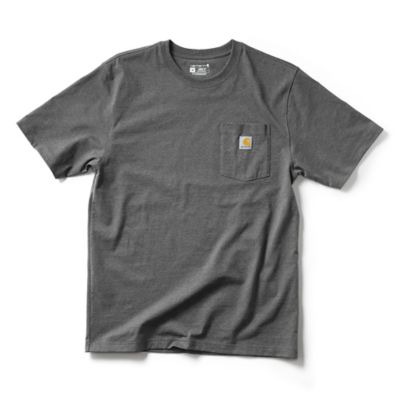
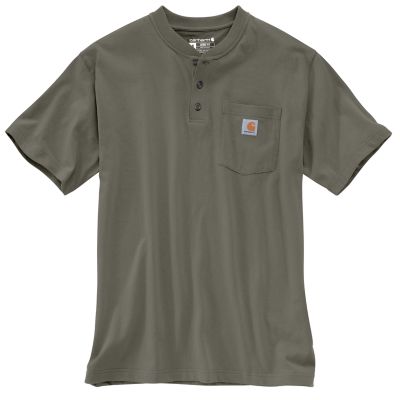
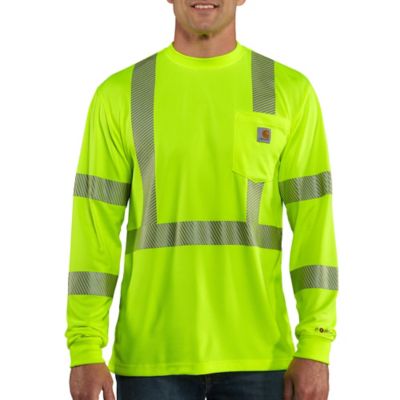
Long sleeve work shirts bring arm coverage, practical storage and room to move to jobs that call for more than an everyday tee. The category includes woven button-front shirts, snap-front styles and knit work shirts, with different fabrics and cuts suited to farm chores, shop work, construction and general maintenance. A cotton twill shirt has a substantial feel without the stiffness of heavier canvas, while denim offers a familiar workwear feel that softens with laundering. Flannel has a brushed surface, though its weight and construction vary, so the fabric name alone does not tell the whole story. Cotton is absorbent and comfortable against the skin; polyester blends often dry faster and hold their shape with less fuss. A small amount of stretch can make a difference when reaching across a workbench, climbing into a tractor cab or bending to latch a gate. Knit fabrics offer easy movement, while woven fabrics generally have a more structured shape. Fabric weight matters just as much as fiber content: lighter cloth can feel less restrictive during active work, while heavier cloth gives a shirt more substance for repeated contact with rough surfaces. Breathable construction and moisture-wicking finishes can help manage perspiration through a busy shift, but those features depend on the garment rather than the sleeve length. Reinforced seams, sturdy pocket edges and securely attached closures are details worth noticing on shirts that will see regular work. A smooth, closely woven fabric may also be easier to brush clean after handling feed bags than a heavily textured surface. No single material fits every chore, and a shirt that feels right for equipment checks may not be the same one chosen for hauling lumber or making service calls. The appeal of long sleeve work shirts comes down to that mix of coverage, movement and function, with enough variety to suit different jobs without making getting dressed another chore.
Fit makes a work shirt feel right long before the first pocket gets filled. Across the shoulders and upper back, there should be enough room to reach forward without the fabric pulling tight or the collar riding up. Sleeves need to follow the arm through a full reach, with cuffs that sit neatly at the wrist rather than swallowing the hand. A relaxed fit can leave room through the chest and waist, while a straighter or closer cut reduces extra fabric; neither should interfere with bending, lifting or driving. For someone who tucks a shirt into work pants, a longer tail helps keep it in place through repeated reaching. An untucked style needs enough length for coverage without hanging where it could catch. Checking the size chart against chest measurements and a well-fitting shirt gives a better picture than relying on a size letter alone, especially when moving between knit and woven styles. Pocket layout is another everyday consideration. Chest pockets can keep a pencil, folded work order or small notepad close, and flap closures help keep contents from slipping out when leaning over. Carrying too much up front can make a shirt pull unevenly, so pocket size is only part of the equation. Buttons offer a familiar closure, while snaps can be convenient for quick fastening; either needs to stay secure through normal movement. Adjustable cuffs help control sleeve openings, and roll-tab sleeves offer flexibility for tasks where that arrangement is appropriate. Around rotating equipment, loose cuffs, hanging shirttails and unsecured fabric present a snagging hazard, so clothing needs to follow workplace safety rules. Ordinary long sleeves are not a substitute for protective workwear. Electrical, flame and visibility hazards call for garments with the ratings and labeling required for the job. For everyday clothing beyond task-focused workwear,
Men's Long Sleeve Shirts offers a broader category to consider alongside the features needed for a particular workday.
Long sleeve work shirts earn their place in a regular rotation when they are straightforward to care for and hold their fit through repeated washing. Care labels matter because cotton, blended fabrics, stretch fibers and performance finishes do not all respond the same way to laundering. Cotton may shrink if washed or dried outside its care directions, while excessive dryer heat can affect stretch fibers and certain finishes. Wrinkle-resistant fabrics can cut down on ironing, but they still benefit from being taken out of the dryer promptly and hung or folded. Soil-release treatments may help with everyday grime, though they do not make a shirt stainproof. Treating ordinary dirt and stains according to the garment instructions gives the fabric a better chance of coming clean without harsh scrubbing. Empty pockets before washing, especially after a day with fence staples, screws or a carpenter’s pencil close at hand. Those small leftovers can mark fabric, damage a washing machine or wear through a pocket from the inside. Shirts exposed to chemicals or other hazardous substances need handling that follows the substance instructions and workplace procedures rather than an ordinary household wash routine. Between laundry days, checking cuff edges, elbows, underarm seams and pocket corners can catch wear before a small opening becomes a bigger tear. A loose button or broken stitch is often a manageable repair, provided the garment has no protective certification that changes repair requirements. Keeping a few shirts in rotation also leaves time for proper washing and drying instead of rushing one shirt back into service. As a gift for a ranch hand, mechanic, carpenter or someone who spends weekends tending property, a work shirt is most useful when the fabric, fit and pocket arrangement match what that person actually wears. Familiar sizing, an easy-moving cut and care requirements that suit the household routine tend to matter more than extra features. The right combination keeps attention on the job, whether that means checking fence lines, sorting tools or finishing one last repair before calling it a day.