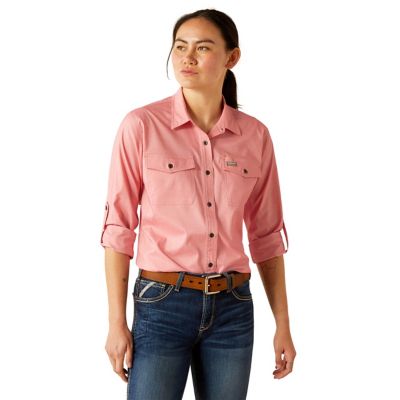
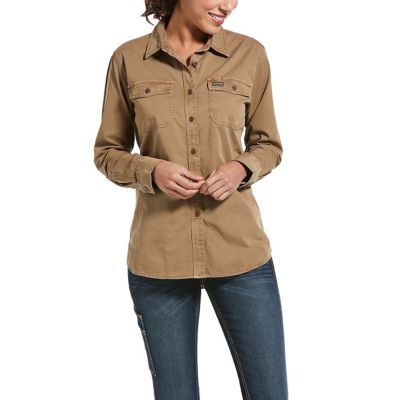
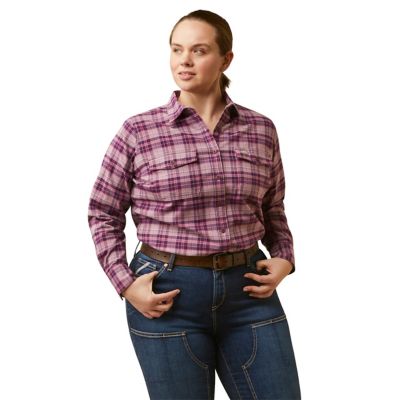
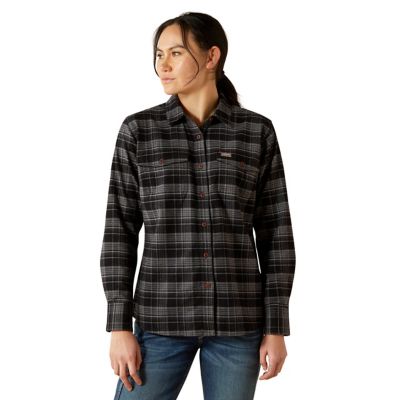
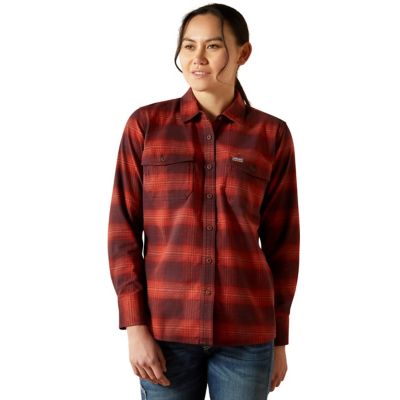
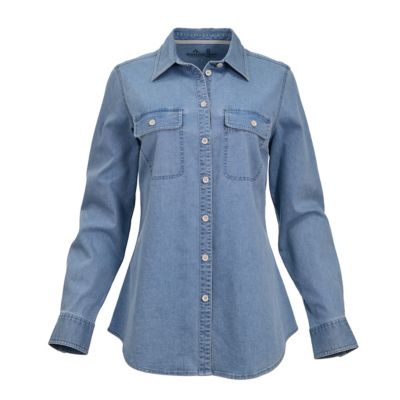
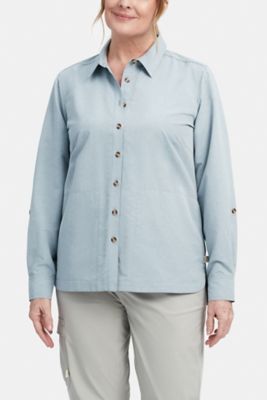
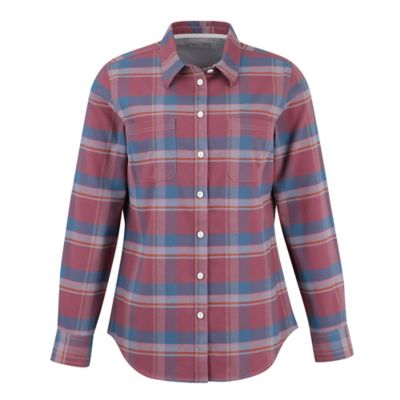
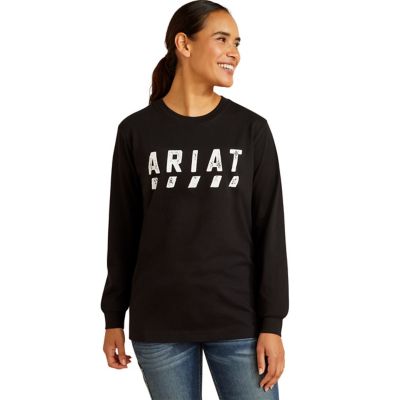
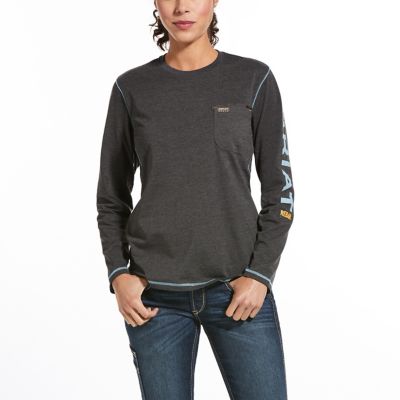
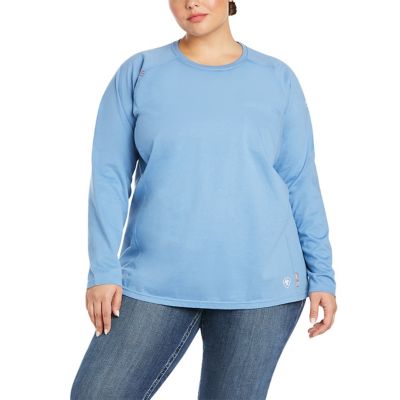
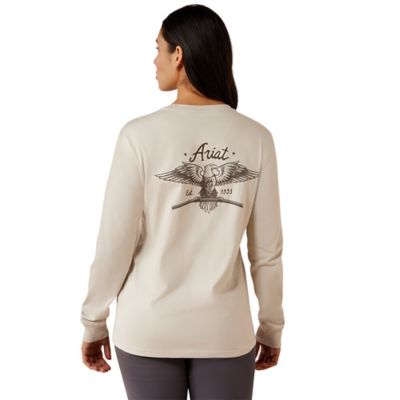
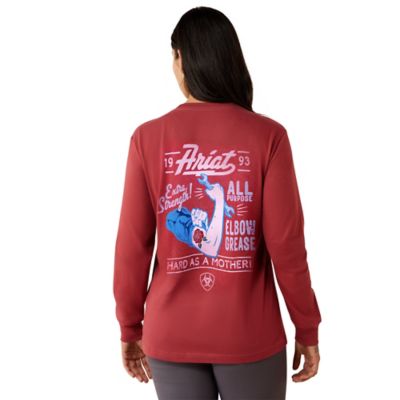
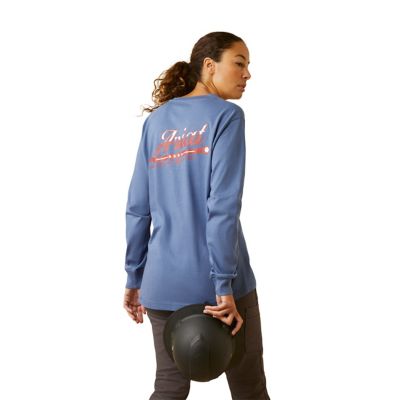
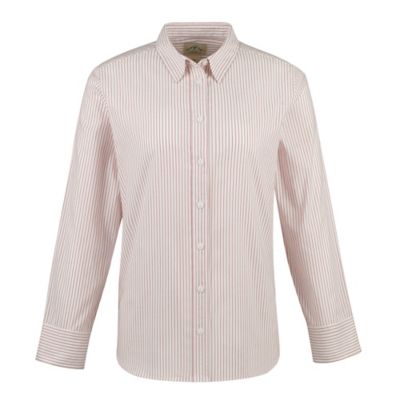
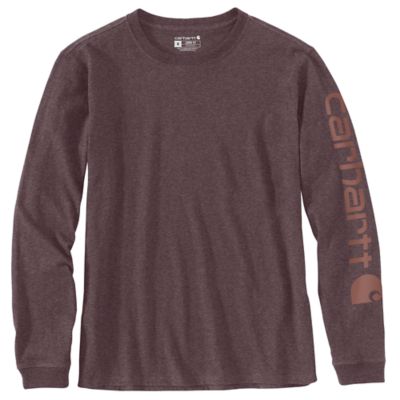
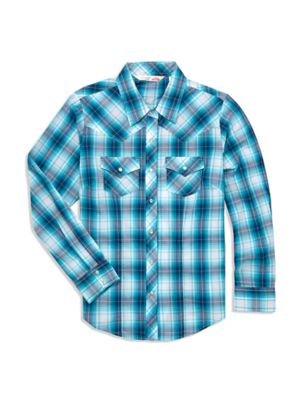
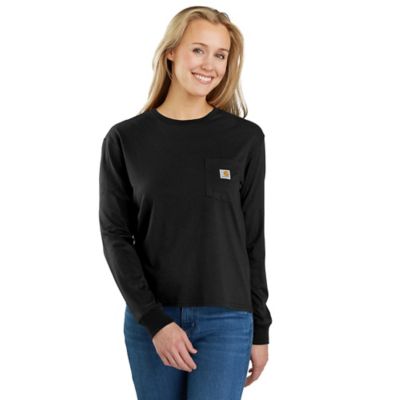
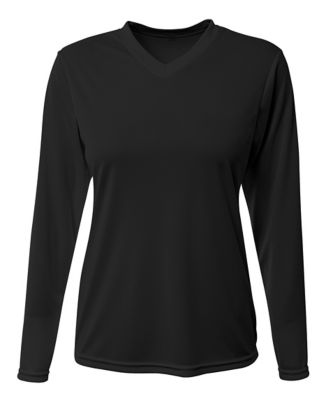
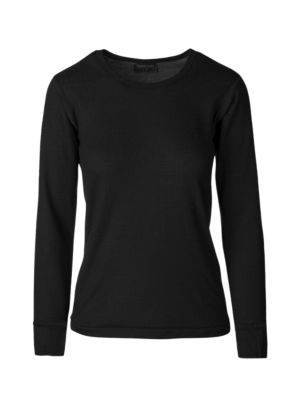
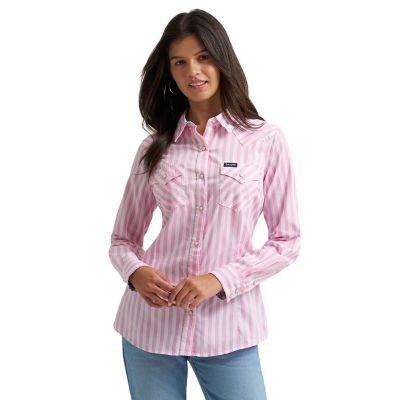
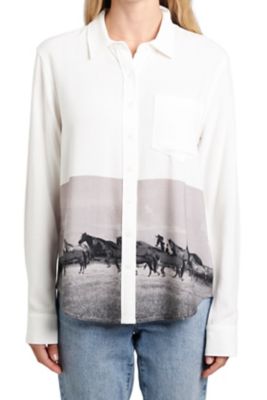
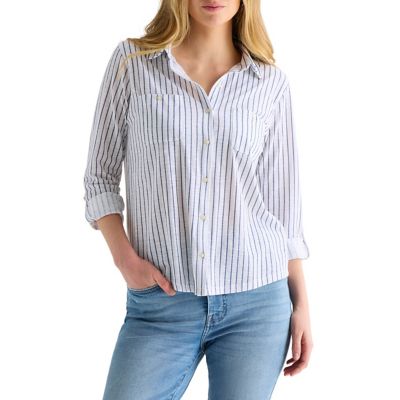
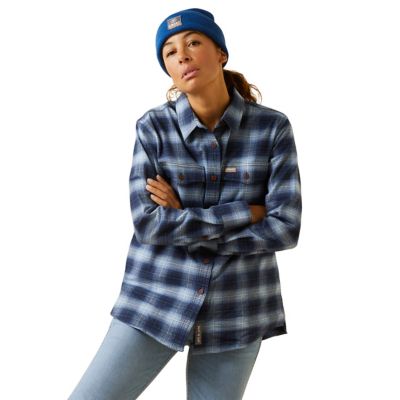
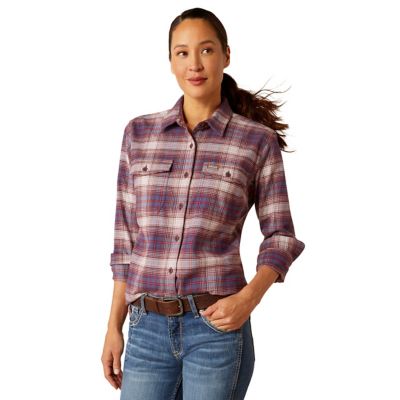
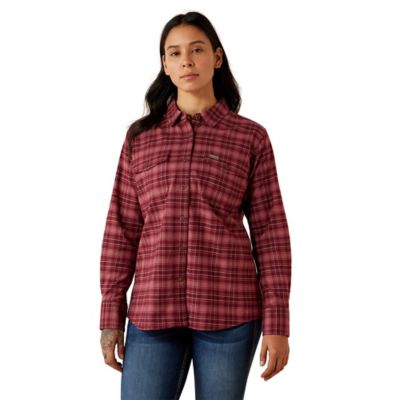
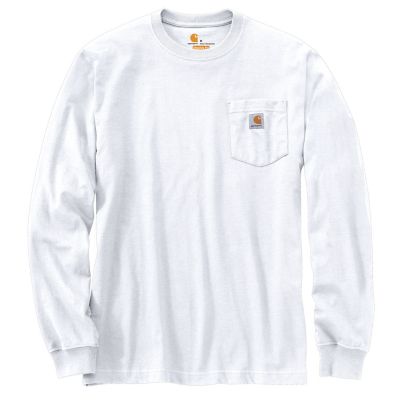
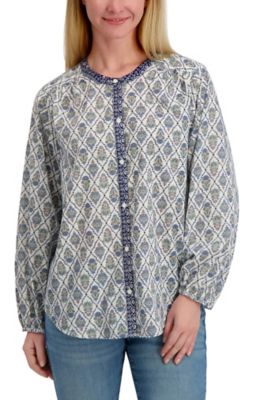
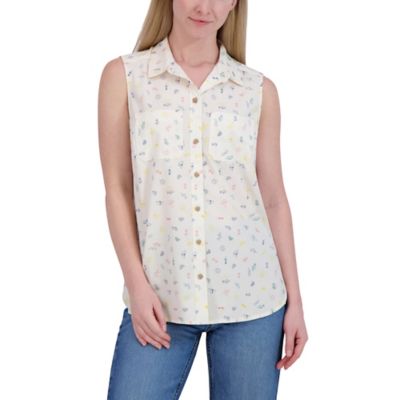
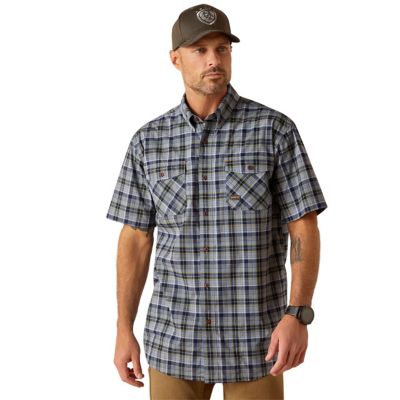
Long sleeve work shirts for women bring coverage, freedom of movement and practical details to days spent tending animals, keeping a shop running or handling chores around the property. The right shirt feels comfortable across the shoulders, stays put when reaching and stands up to the kind of wear the job dishes out. Cotton, cotton blends, twill and canvas each have a place in a working wardrobe, with differences in feel, structure and upkeep. Cotton offers a familiar, breathable feel against the skin, while polyester-and-cotton blends can help with shape retention, wrinkle resistance and drying time, depending on the fabric and finish. Twill has a diagonal weave that gives it a substantial feel without necessarily making it stiff. Canvas generally has a firmer structure suited to tasks where fabric rubs against tools, work surfaces and rough materials. A small amount of stretch can make a noticeable difference when lifting a feed scoop, reaching across a workbench or climbing into a truck. Brushed fabrics offer a softer surface, while smooth woven fabrics can be easier to brush free of loose hay and bedding. Fabric weight matters, too: a substantial shirt may feel reassuring for hands-on chores, while a lighter woven shirt may be more comfortable for a role that mixes physical work with paperwork. Weight alone does not tell the whole story, though. Secure stitching, reinforced stress points and firmly attached buttons all contribute to how a shirt holds up through repeated wear. Women’s long sleeve work shirts can also bridge different parts of the workday, looking tidy enough for the front counter without feeling out of place beside the feed room. Solid colors, checks and plaids offer different looks, but the most useful details are often the ones that become apparent halfway through a task: sleeves that stay in position, a collar that lies flat and fabric that moves without pulling across the back.
Fit makes a work shirt easier to live in from the first chore to the last stop on the way home. A women’s work shirt should leave enough room through the chest and upper back for a full reach without a tight line across the buttons. Shoulder seams, armhole shape and sleeve width all affect that freedom, so a relaxed cut and a stretch fabric are not interchangeable. A fitted shirt can still allow movement when its proportions suit the wearer, while an overly roomy shirt can leave extra fabric hanging near tools or catching on gate hardware. For chores that involve bending, a longer back hem helps maintain coverage. A shirt worn tucked in needs enough length to stay under a waistband when reaching for an overhead shelf, while an untucked style should fall comfortably without getting in the way of pockets or a tool belt. Sleeve length deserves the same attention: cuffs should reach the wrist without swallowing the hand or pulling well up the forearm when the elbows bend. Adjustable cuffs let the opening sit closer to the wrist, and secure sleeve tabs can hold rolled sleeves in place for tasks where exposed forearms are appropriate. Button fronts have a familiar workwear look, while snap fronts offer a different closure feel; either should lie smoothly without gaps. Chest pockets can keep a folded note or small pencil within reach, though pocket placement matters when leaning over a bench or carrying something against the body. Flaps and secure closures help keep small contents from slipping out during movement. For women working around rotating equipment, loose sleeves, open cuffs and unsecured clothing can create hazards. Everyday work shirts are not a substitute for required protective clothing, and tasks involving flame, electrical exposure or chemicals call for garments with the specific protection the workplace requires.
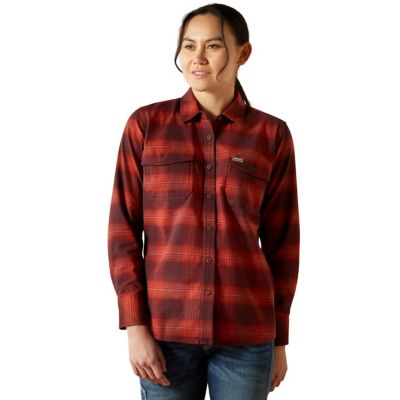
Care habits help a work shirt stay presentable and ready for another round of chores. The garment label is the starting point because cotton, blended fabrics, stretch fibers and special finishes may need different treatment. Emptying pockets, fastening closures as directed and brushing away loose dirt before washing can make cleanup more straightforward. Feed dust, grease and ground-in soil call for different stain treatments, and treating a mark promptly is generally easier than tackling it after it has set. Stretch fabrics and performance finishes may carry restrictions on bleach or fabric softener, so those details deserve attention before laundry day. Cotton can shrink depending on its construction and care, while blends may offer better shape retention; neither is a reason to ignore the washing instructions. Smoothing the collar, cuffs and front placket before hanging or folding helps a woven shirt keep a neat appearance. Buttons, snaps, pocket corners and underarm seams are worth an occasional look, since a small repair can keep everyday wear from becoming a bigger problem. Beyond upkeep, color and pattern help a work shirt fit the setting. Darker shades and busy patterns may make some everyday marks less noticeable, while solid colors offer a straightforward look for customer-facing roles. For another color-focused option,
Womens Red Long Sleeve Shirts brings a bold shade into a working wardrobe without changing the importance of fit and fabric. These shirts also make practical gifts for women who spend their days at the barn, in a workshop, running a farm stand or managing property. Knowing the recipient’s usual size, preferred sleeve fit and habit of wearing shirts tucked or untucked makes the choice more personal and useful. Whether the day calls for checking fences, sorting supplies or helping someone at the counter, a well-fitting long sleeve work shirt earns its place by staying comfortable, keeping essentials close and allowing the wearer to get on with the job.