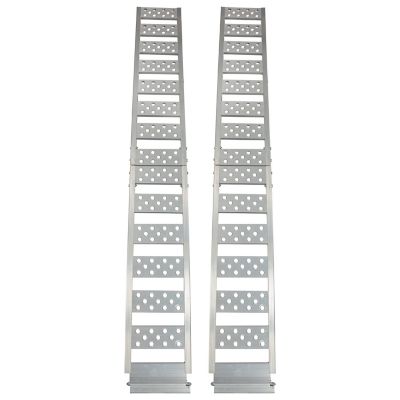
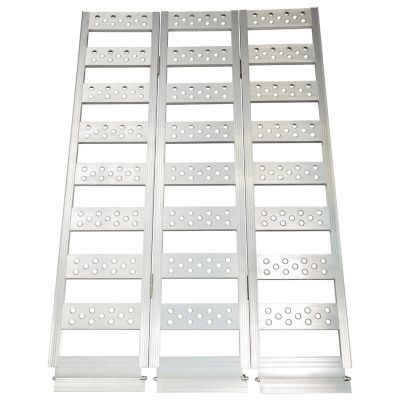
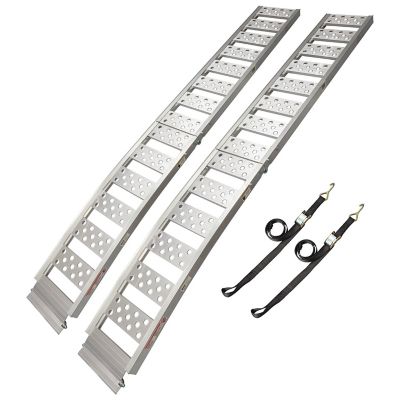
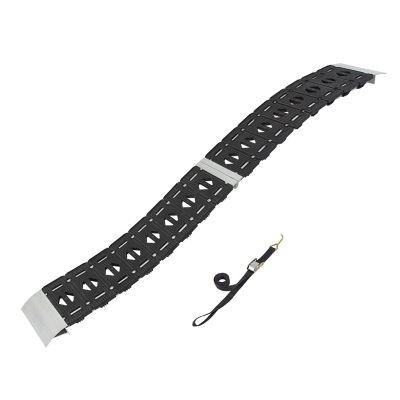
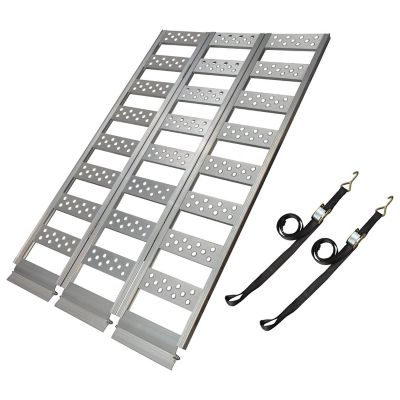
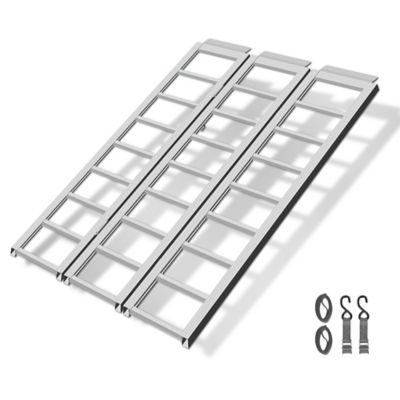
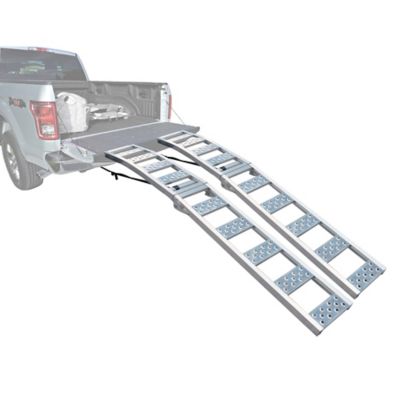
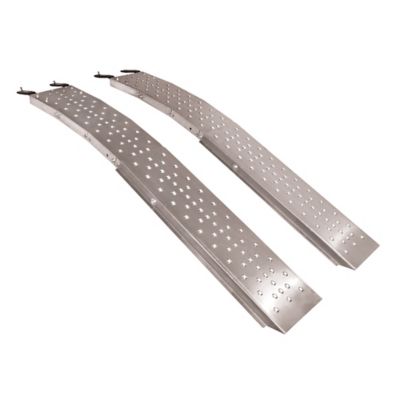
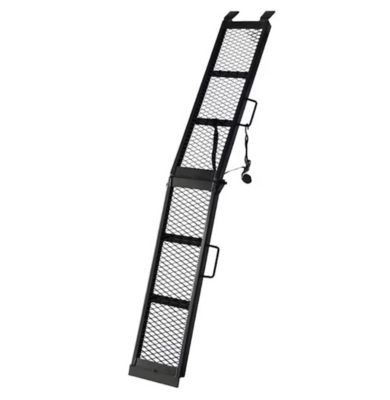
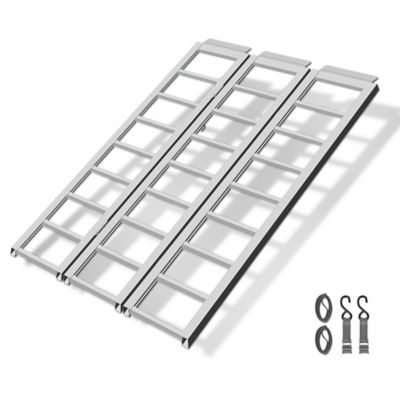
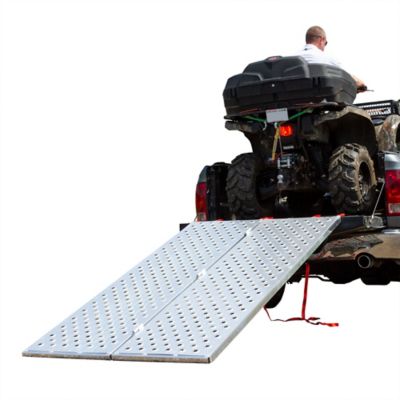
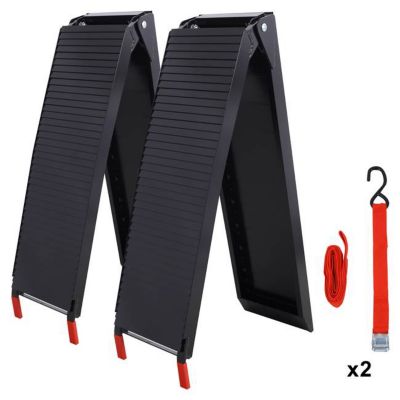
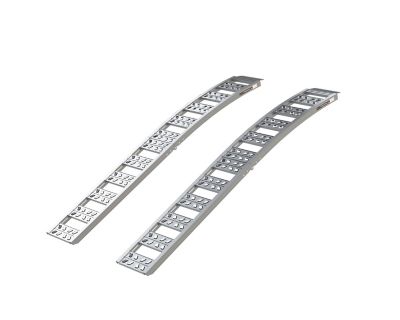
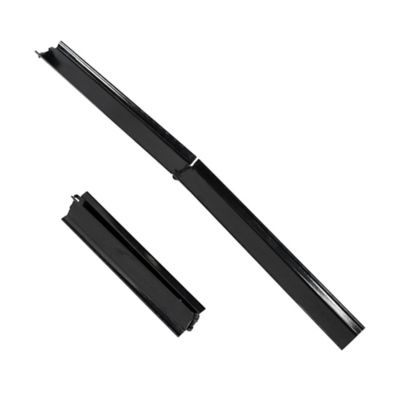
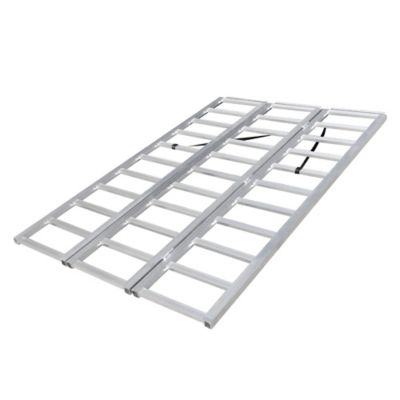
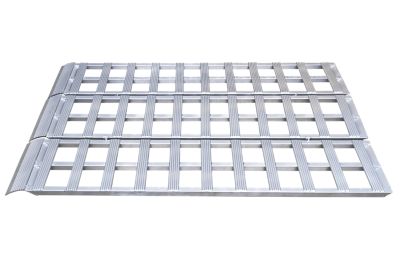
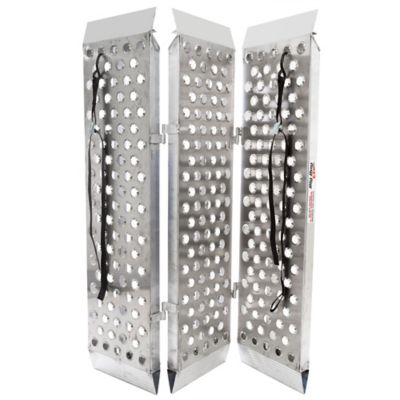
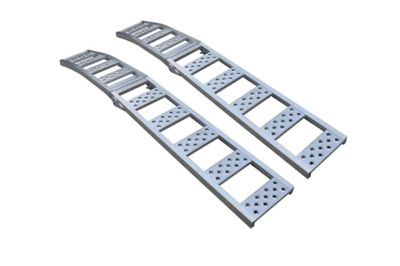
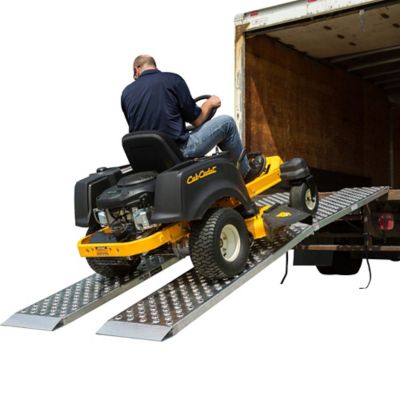
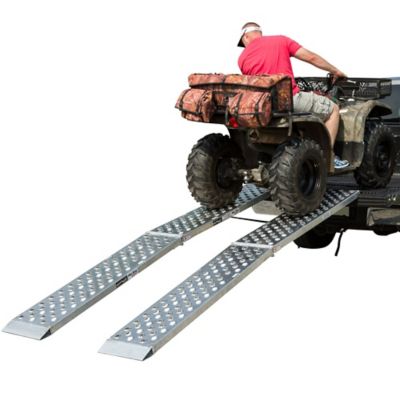
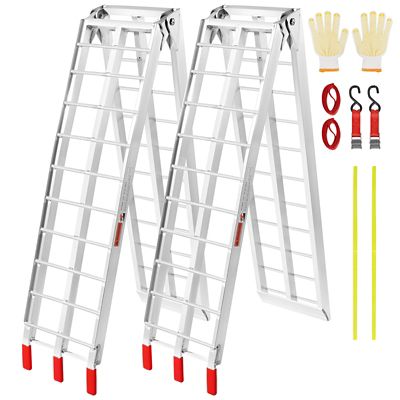
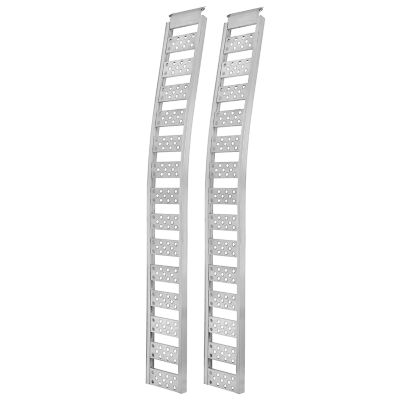
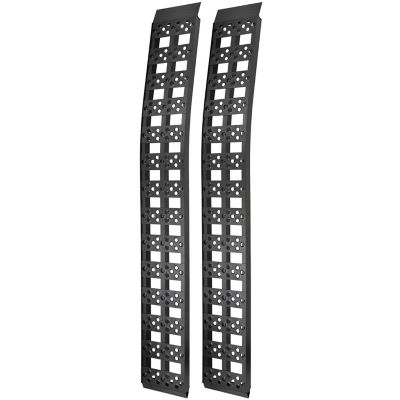
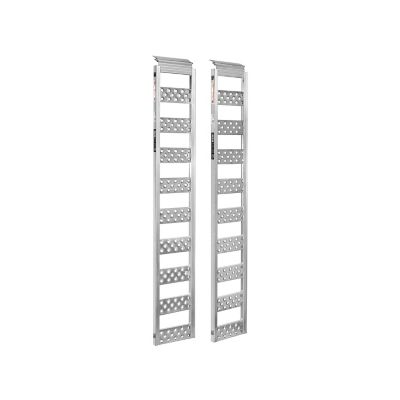
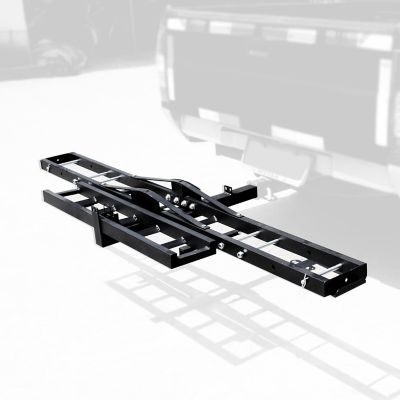
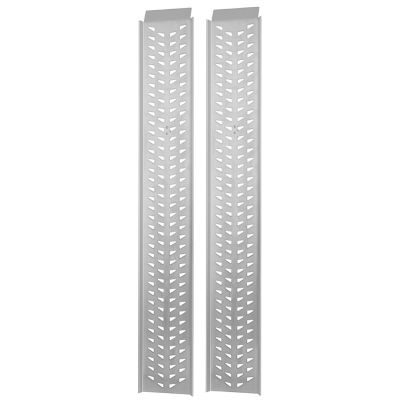
Foldable ramps make it easier to move equipment between ground level and a raised surface without trying to muscle the whole load into place. Around a farm, acreage, or home shop, that can mean getting a mower onto a trailer, rolling a garden cart into a shed, or loading a properly matched powersports vehicle for a trip away from the property. Their main advantage is simple: they provide a loading surface when opened, then take up less room when the job is done. Depending on the design, panels may fold end to end or alongside one another, changing both the length and width of the stored ramp. That distinction matters when storage space is a narrow trailer compartment, a pickup bed shared with tools, or a spot along the garage wall. Folded dimensions, carrying weight, handles, and storage latches all affect how manageable a ramp feels between jobs. Aluminum folding ramps are often lighter to carry and resist rust, while steel designs may weigh more and need attention to protective finishes. Material alone does not determine strength; the frame, hinges, deck construction, and manufacturer’s rating all matter. Surface design deserves just as much attention. Open rungs can suit certain equipment tires, while closely spaced mesh or a more continuous deck may better accommodate smaller wheels when the ramp is rated for that application. Small casters, narrow tires, and wider flotation tires make very different contact with a loading surface. A wheel needs support throughout its travel, including at panel joints and the transition onto the trailer or truck bed. Raised edges can help define the path on some designs, but they do not replace correct alignment or careful loading. For anyone moving equipment regularly, these details matter more than simply choosing a ramp that folds down small. The best fit balances the load, the loading surface, and the room available to carry it.
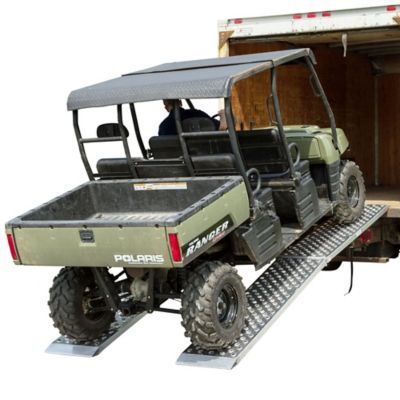
Ramp length and loading height work together to determine the slope. At the same loading height, a longer ramp generally creates a gentler incline, which can help equipment approach the loading surface without an abrupt climb. The manufacturer’s permitted loading height and operating instructions still set the limits. A ramp that works with a low utility trailer may not suit a taller pickup bed, even when the equipment fits between its edges. Low mower decks, long wheelbases, and attachments extending ahead of or behind a machine also affect clearance. Arched folding ramps can provide additional clearance near the upper transition for some equipment, but the whole setup still needs to match the machine. Weight capacity is another essential fit consideration: the applicable ramp rating must cover the entire supported load, including equipment, attachments, cargo, and an operator only when the manufacturer permits that loading method. Ratings may apply to one ramp, a matched pair, or a complete platform, so those numbers are not interchangeable. A pair’s total capacity also does not mean either ramp can carry that entire amount by itself. Uneven weight distribution and concentrated wheel loads can matter, especially with machines that carry more weight over one axle. For two-ramp setups, wheel spacing and usable track width need to match the equipment; a full-width platform has different fit considerations. The upper connection matters, too, whether the design has a plate, lip, or another specified attachment. Proper support at that connection and at the ground end helps the ramp stay seated throughout loading. Manufacturer-required straps, pins, or other restraints help prevent movement and should connect only at suitable attachment points. Tailgate limits, trailer stability, and the condition of the supporting surface belong in that same assessment. Shoppers comparing pickup-loading setups can also explore
Truck Ramps with their bed height, equipment dimensions, and storage space in mind. Those measurements give a much clearer picture of fit than an unfolded length alone.
Not every foldable ramp is meant for machinery. Folding mobility ramps serve a different purpose, with platform width, surface traction, edge protection, threshold transitions, and the mobility device’s requirements all playing a part in selection. A wheelchair or scooter needs a ramp specifically rated and designed for that use; an equipment loading ramp is not an automatic substitute. The required slope can also call for considerably more ramp length than a short rise might suggest. Pet ramps are another separate category, sized and surfaced for animals entering a vehicle or reaching another raised spot. For an older dog, a broad walking surface and a manageable incline may matter more than the carrying capacity associated with equipment ramps. Keeping those purposes separate helps narrow the selection to designs that actually fit the task. Across categories, care and storage have a lot to do with how a folding ramp holds up over time. Dirt packed into a hinge, grass clippings on a deck, or oil on a contact surface can interfere with movement or footing. Cleaning according to the manufacturer’s directions, allowing the ramp to dry before storage, and keeping folding joints clear help preserve its function. Hinges, welds, fasteners, traction surfaces, and attachment points deserve regular inspection, especially after a hard knock or an unexpected shift during loading. Bent sections, cracked joints, or missing hardware call for taking the ramp out of service until the issue is properly addressed. During transport, a folded ramp needs restraint so it cannot slide into equipment or unfold unexpectedly. At home, a designated storage spot keeps it out of traffic and makes inspection easier before the next job. Whether the regular task is hauling a mower, moving a cart, or providing an approved access path, a well-matched folding ramp should fit the work from the first wheel onto the deck to the last panel folded away.