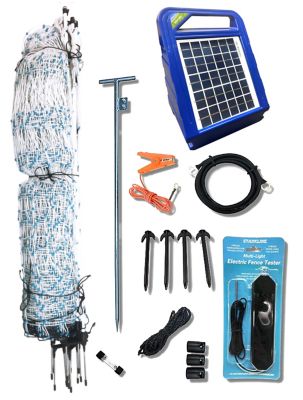
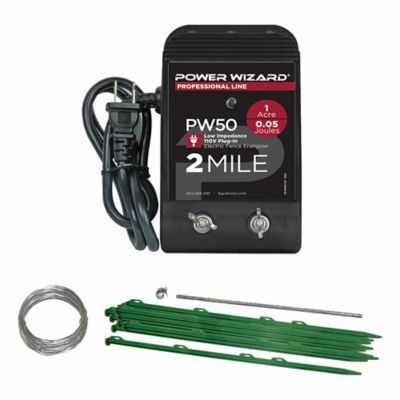
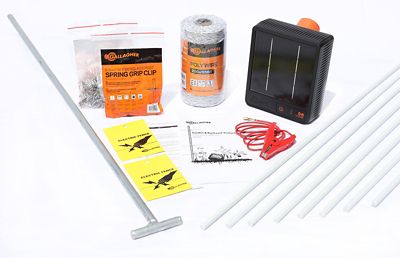
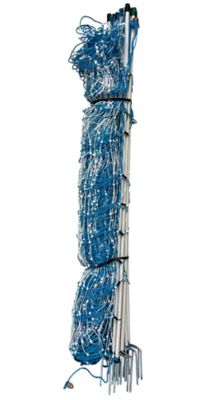
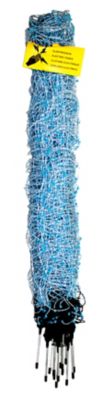
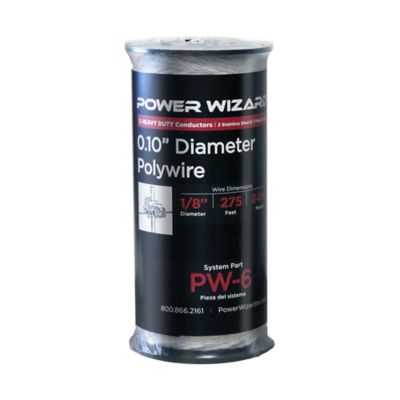
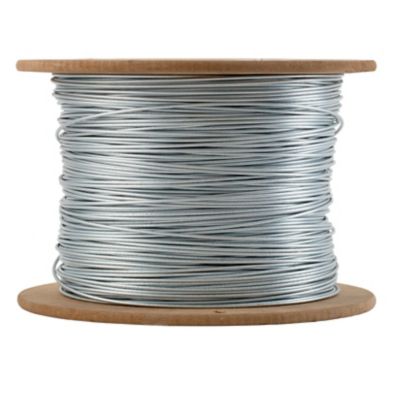
When it comes to keeping goats safe and where you want them, electric fencing is a go-to solution for folks living out in the country or managing a small farm. Goats are clever, curious, and notorious escape artists—they’ll climb, jump, squeeze, and even test a fence with their horns if given half a chance. That’s why electric fencing, whether you’re using netting, high-tensile wire, or polywire, is such a popular choice. During the warmer months when pastures are green and rotational grazing is in full swing, electric netting makes it easy to move goats from one area to another, helping keep your fields healthy and your herd well-fed. As the days grow shorter and cooler, a well-set electric fence continues to provide peace of mind, protecting your goats from wandering off and keeping predators at bay. Folks who raise goats for milk, meat, or even just as pets know that a properly installed electric fence isn’t just about convenience—it’s about safety and stewardship.
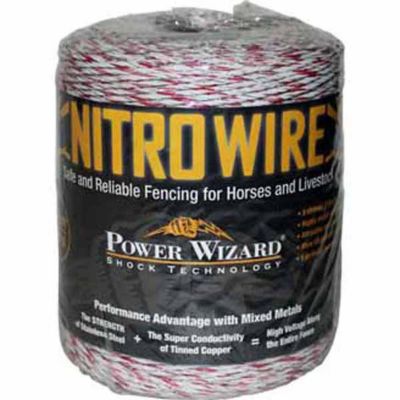
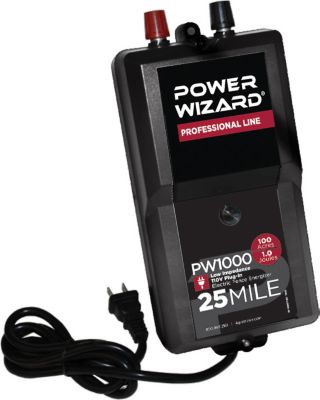
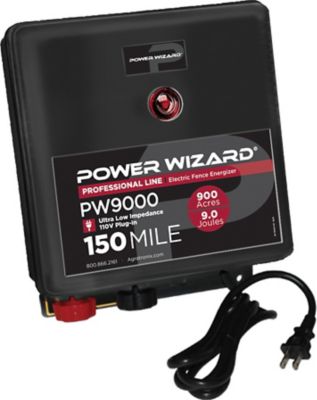
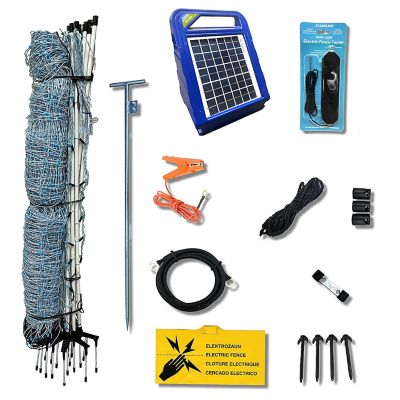
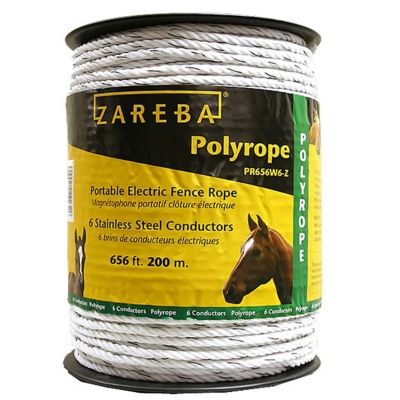
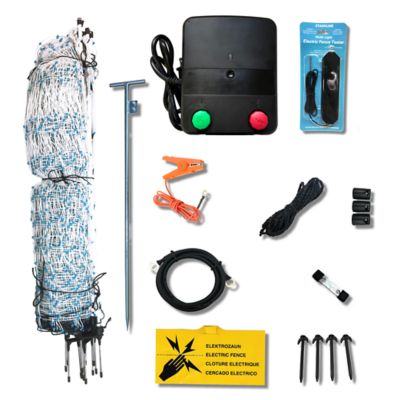
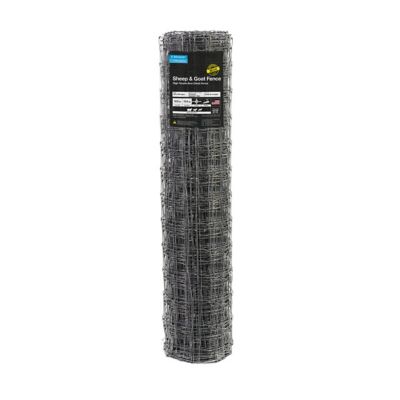
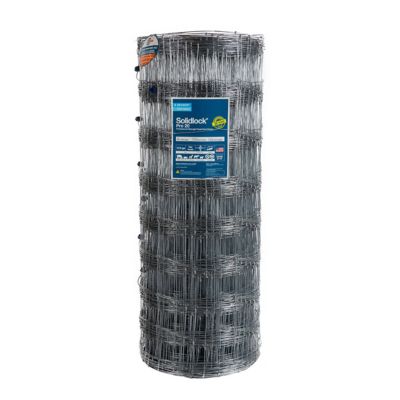
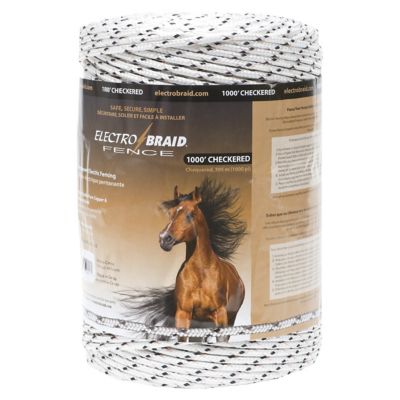
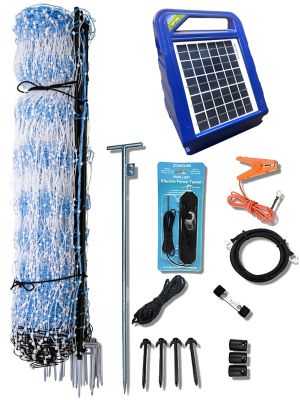
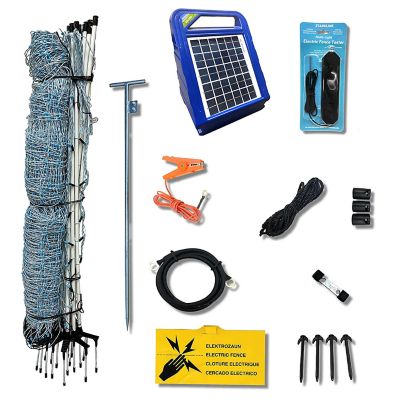
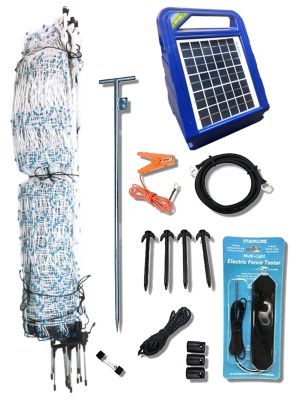
Setting up an electric fence for goats means considering a few key things. Height is important—goats love to jump, so you’ll want your fence to stand at least 42 to 48 inches tall. If you’re using netting, it’s a breeze to set up and move, perfect for temporary paddocks or rotating your herd. For more permanent setups, high-tensile wire with closely spaced strands (especially near the ground) keeps even the smallest kids from slipping through. Polywire and polytape, strung between step-in posts, are handy for interior fencing or dividing pastures, but they require careful spacing and regular checks. No matter what type you pick, the energizer is the heart of the system—look for a low-impedance, pulsating charger that packs enough punch to deliver a memorable (but safe) jolt. Power options range from solar units for remote fields to plug-in models for barns and homesteads closer to home. Don’t forget about grounding: most fence troubles trace back to poor ground rods, so drive in a few good galvanized rods and space them out. A fence tester is a must-have tool, letting you check voltage and spot problems before your goats do. And as the grass grows tall or weeds start creeping up, keep the fence line clear—vegetation can sap power and give your herd a chance to make a break for it.
Electric fencing for goats isn’t just practical; it’s a thoughtful gift for anyone starting out with a small herd, moving to a new property, or looking to upgrade their setup. Grandparents might surprise the grandkids who’ve taken on 4-H goats, or neighbors might pitch in together to help a friend expand their pasture. Some folks even use these fences to protect garden plots or orchards from curious goats and hungry wildlife. Whether you’re a seasoned farmer or just getting your boots muddy for the first time, investing in a good electric fence saves time and worry all season long. If you need more ideas or want to round out your setup, take a look at our full selection of
Fencing Supplies For Livestock to find everything you need to keep your goats happy, healthy, and right where they belong.