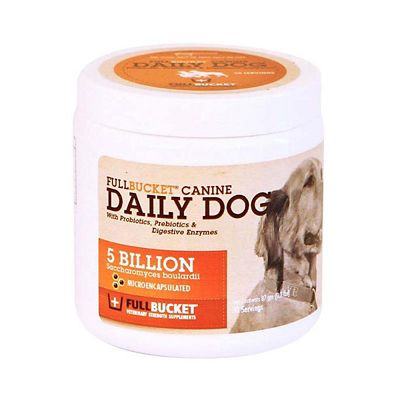
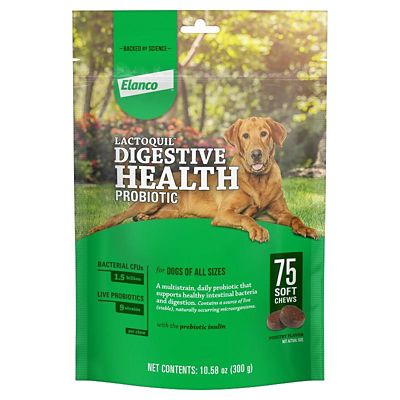
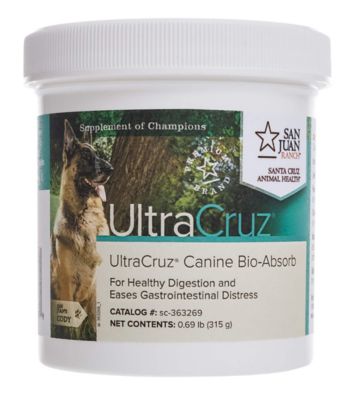
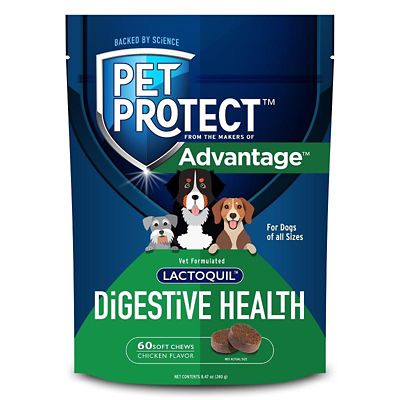
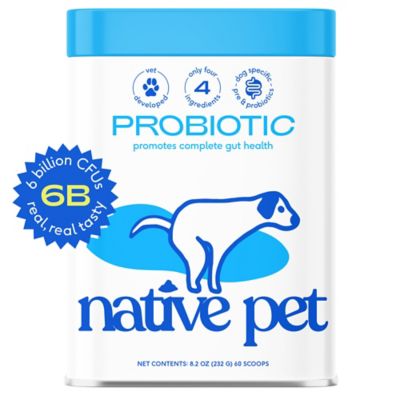
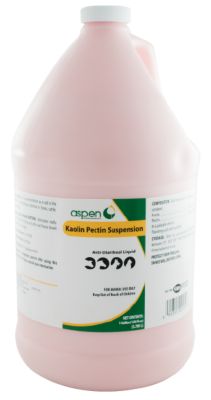
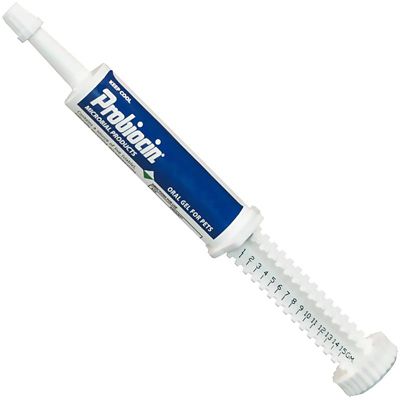
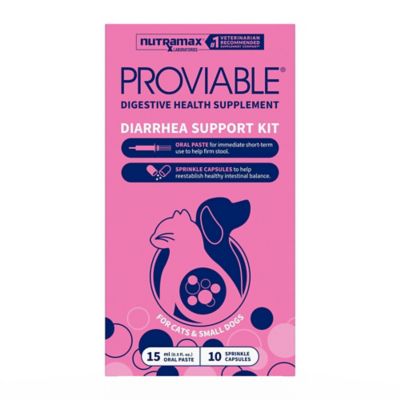
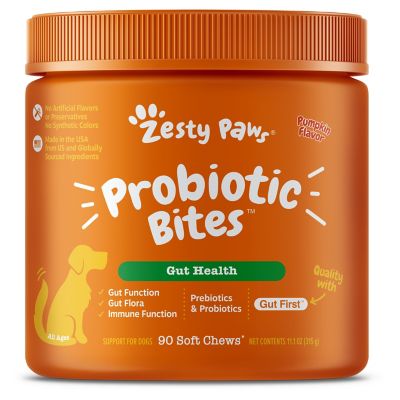
Medicine for dogs with diarrhea can include canine-labeled over-the-counter treatments, prescription medication selected by a veterinarian, and digestive-support supplements such as probiotics. These categories serve different purposes, so the right choice depends on what is causing the loose stools and how the dog is feeling overall. Some anti-diarrheal preparations contain intestinal protectants or adsorbent ingredients, including kaolin and pectin, while probiotics supply beneficial microorganisms that may support digestive balance. Supplements are not a substitute for treatment when an illness, parasite, blockage, or other medical problem is behind the symptoms. Prescription treatment may target a diagnosed condition rather than simply firming up stools, and antibiotics are not routinely needed for every bout of diarrhea. A dog that got into the kitchen trash has a different set of concerns from one with recurring digestive trouble or a confirmed intestinal parasite. Even a sudden food change, too many rich treats, or the stress of boarding can upset a dog's stomach, but the cause is not always obvious from the mess left by the back door. That is why product selection starts with the dog's health history, age, body weight, and symptoms—not just the promise of firmer stools. For a household with a farm dog, a hunting companion, or an older pet that mostly keeps company on the porch, the same basic distinction matters: short-term symptom support and treatment of an underlying condition are not interchangeable. Products intended for occasional digestive upset also should not become a standing answer to repeated episodes. Frequent loose stools, weight loss, or changes in appetite deserve veterinary attention even when a dog still seems eager for supper. Clear labeling and an explanation of each formula's intended purpose help pet owners compare options without treating every digestive product as though it does the same job.
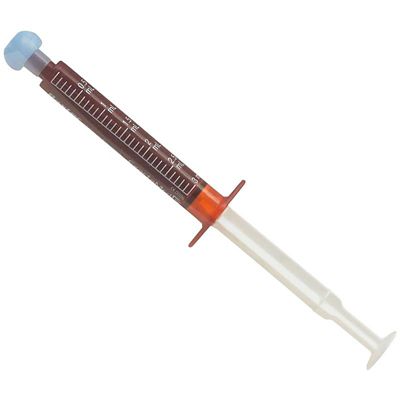
The form of an anti-diarrhea medicine for dogs can make a difference in how easily it fits into everyday care. Liquids, tablets, chewable forms, and powders each have their own label directions, measuring requirements, and handling considerations. A dog that spits out tablets may do better with another veterinarian-approved format, while a powder mixed with food only delivers its intended amount if the dog finishes the portion. A liquid can allow for measured administration, but the concentration matters just as much as the amount poured or drawn into a dosing syringe. Two bottles with similar names do not necessarily contain the same ingredients or provide the same amount per milliliter. For shoppers comparing that format,
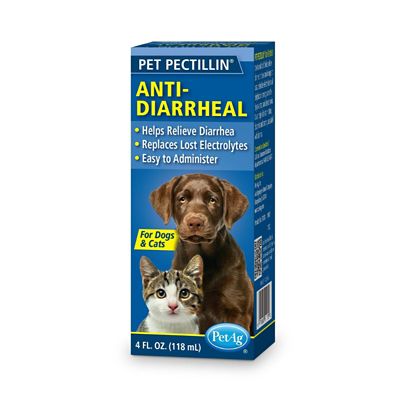
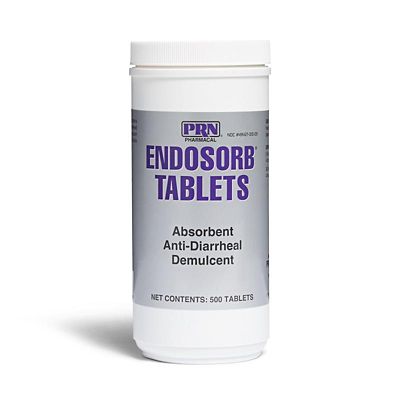
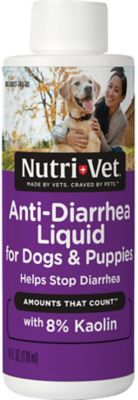
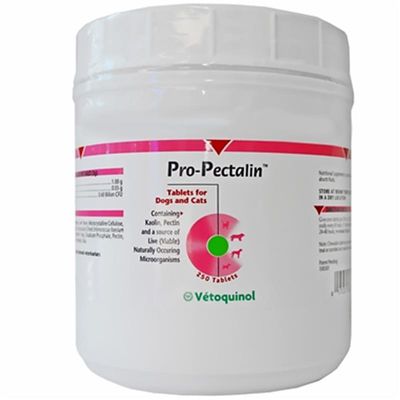
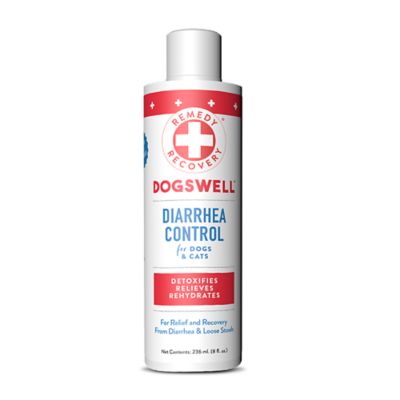
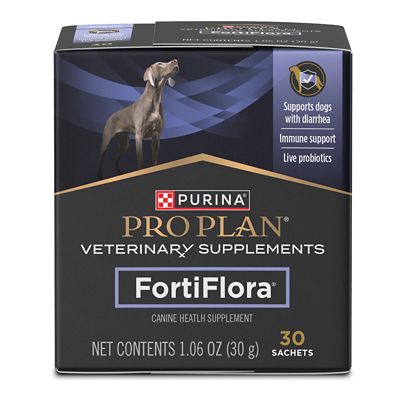
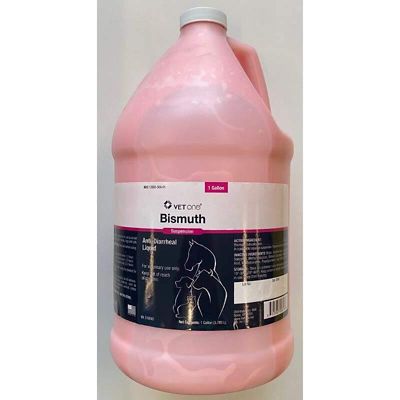
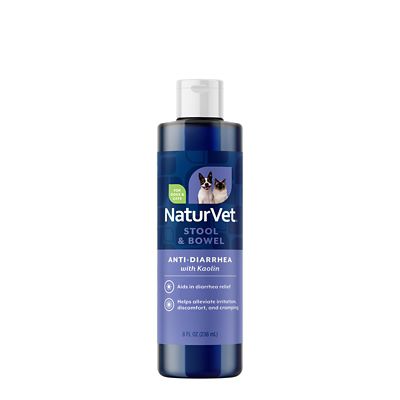
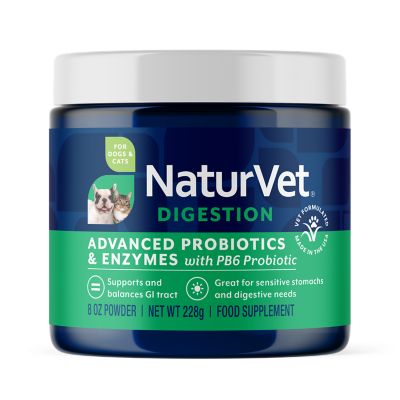
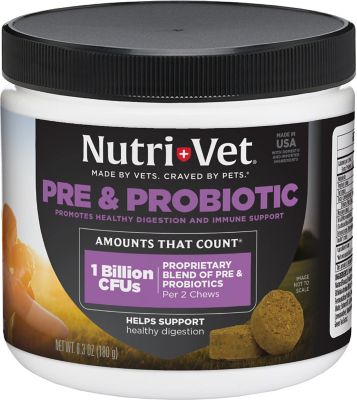
Anti Diarrhea Liquid for Dogs offers a focused category to consider alongside the dog's needs and veterinary recommendations. Label details worth comparing include the active ingredients, the intended species, minimum age or weight restrictions, directions for administration, and any limits on how long the product should be given. Flavorings and inactive ingredients matter for dogs with food sensitivities, too. A probiotic label may identify particular strains and the amount of live microorganisms, along with storage directions that help maintain the formula through its expiration date. Those details are more meaningful than assuming every digestive supplement provides the same support. Packaging also has a practical role in a busy home: readable markings, a secure closure, and clear measuring directions make handling less confusing. Products belong in their original containers, stored as directed and out of reach of children and animals. Measuring tools should match the label's units; a kitchen spoon is not a substitute for a marked device. When several people share feeding and medication duties, keeping track of each administration helps prevent an extra dose. These everyday details matter whether care happens at the kitchen counter or beside a kennel after morning chores.
Suitability is especially important for puppies, small dogs, senior dogs, pregnant or nursing dogs, and pets with ongoing health conditions. A preparation labeled for an adult dog may not be appropriate for a young puppy, and a weight-based amount cannot safely be guessed from a dog's size or breed alone. Other medications and supplements can affect the choice as well. Some intestinal adsorbents may interfere with the absorption of medicines given around the same time, so a veterinarian can help determine whether a product fits the dog's existing care plan. Human anti-diarrhea medicines should not be given unless a veterinarian specifically directs their use; certain ingredients can cause serious problems in dogs or mask symptoms that need attention. Combining several digestive treatments without that guidance can add risk rather than speed recovery. Hydration is another concern that stool-firming products do not solve on their own. A dog losing fluid through frequent diarrhea may need veterinary treatment, particularly when vomiting makes drinking difficult. Blood in the stool, black or tarry stool, repeated vomiting, a painful or swollen belly, marked weakness, or suspected exposure to a toxin or swallowed object calls for prompt veterinary care instead of another over-the-counter option. Puppies and medically vulnerable dogs warrant an earlier call because they can become dehydrated quickly. Diarrhea that lasts longer than about a day, keeps returning, or occurs with appetite loss also deserves a conversation with the veterinarian. Details such as when symptoms began, recent food changes, access to trash or livestock feed, and any medicines already given can help that conversation. Fresh water and a veterinarian-recommended feeding plan remain important parts of care, but medicine for dogs with diarrhea works best when its intended role is clear. The goal is support that fits the individual dog, with attention to comfort, hydration, and the reason the digestive upset started—not simply a temporary change in stool consistency.