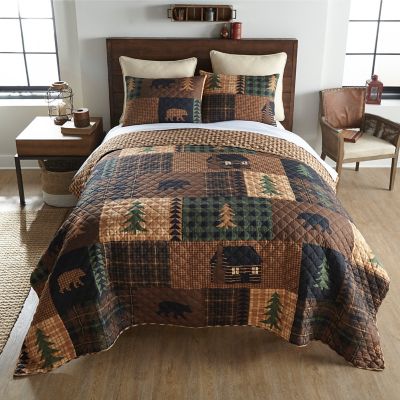
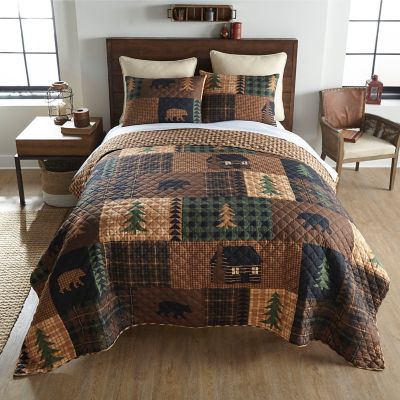
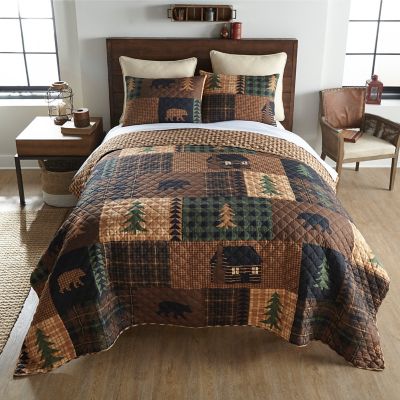
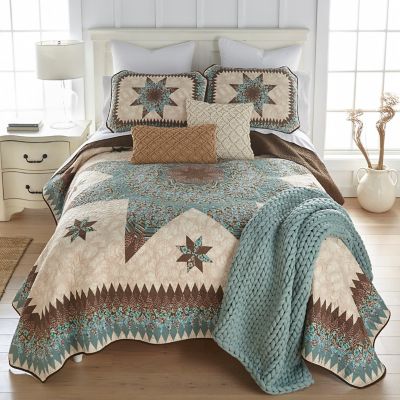
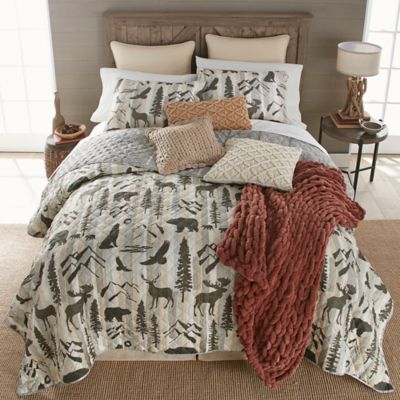
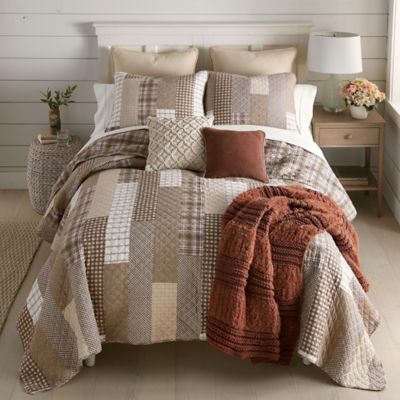
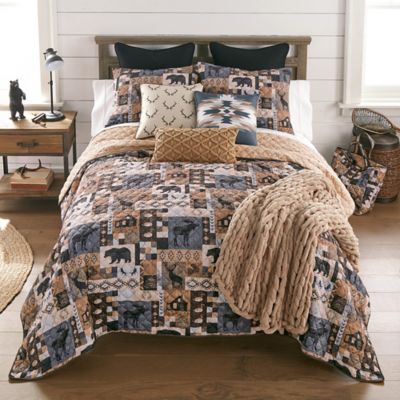
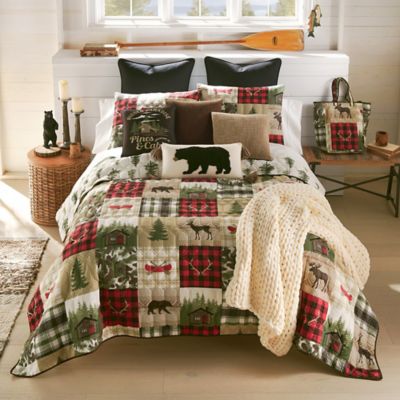
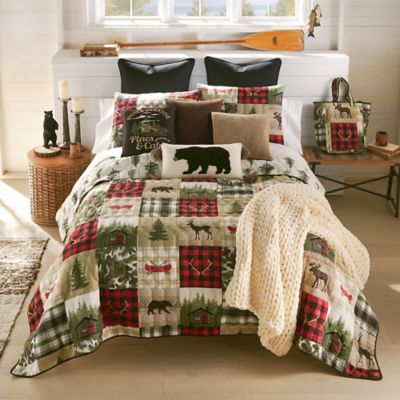
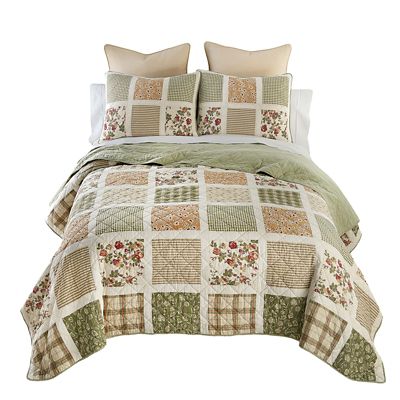
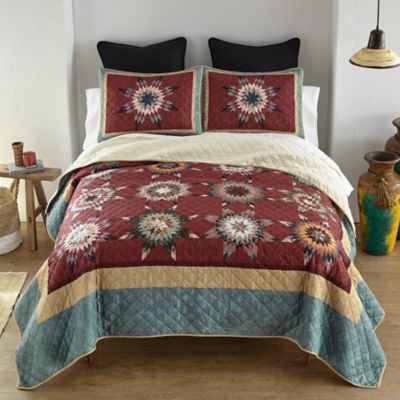
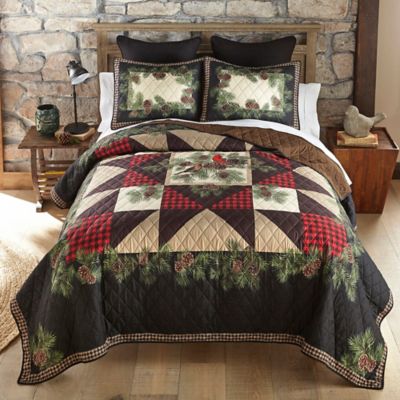
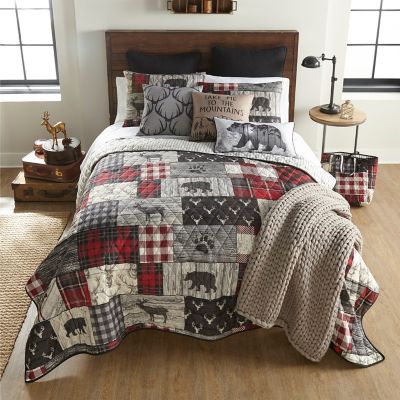
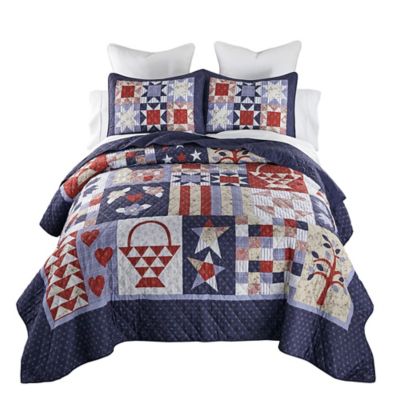
Lightweight quilt sets bring a finished look to a bed without the thick, puffy feel of a comforter. A typical quilt has a fabric face, a thin inner layer and a backing held together with stitching, giving it a flatter profile that folds neatly and layers easily. Sets often pair the quilt with coordinating pillow shams, though the number and type of pieces vary, so the package contents matter just as much as the bed size on the label. For an everyday bedroom, a spare room down the hall or a bunk at the family cabin, that simple combination makes it easier to pull a bed together without piling on extra bedding. Materials play a big part in how a quilt feels against the sheets and how it handles regular washing. Cotton faces tend to have a familiar, breathable feel, while polyester microfiber often feels smooth and can resist wrinkling. Cotton blends combine characteristics of both fibers, with the exact feel depending on the blend and fabric construction. The outer fabric and the filling may have different fiber contents, so checking both gives a clearer picture than looking at the face fabric alone. A cotton-covered quilt, for example, may contain polyester fill. Fabric weight, the amount of fill and the spacing of the quilting all affect how the finished quilt drapes. Closely spaced stitching can create a flatter, more structured surface, while wider quilting patterns may leave a little more loft between the seams. Neither construction tells the whole story by itself; the fabric, fill and stitching work together. For someone who dislikes a bulky bedspread or wants a top layer that is easy to fold back before turning in, a lightweight quilt can be a practical fit. It also leaves room to adjust the bed with a separate blanket rather than committing to one thick layer.
Getting the right fit starts with the mattress, not just the size name. Twin, full, queen and king labels are useful starting points, but finished quilt measurements can differ from one set to another. Mattress depth, a topper and the height of the bed frame all change where the edges land. A quilt that reaches generously down the sides of a shallow mattress may sit much higher on a deep one. Measuring across the mattress and adding the desired drop on both sides helps show how much coverage is needed; measuring from the head of the mattress toward the foot helps with length. On a bed with storage drawers, a shorter drop can keep fabric clear of the drawer fronts. On a taller bed, more side coverage may give the balanced look you want. Pillow shams deserve the same attention, since standard and king shams fit different pillow sizes, and a sham is generally a finishing cover rather than a replacement for an everyday pillowcase. Color and pattern can be just as practical as measurements. Small prints can make stray lint less noticeable, while solid colors put more attention on the quilted texture. Checks, stripes and patchwork-style patterns settle naturally into a farmhouse bedroom, but a plain stitched surface works just as well alongside wood furniture and a simple bedside lamp. A reversible quilt offers another look when both sides are finished for display; check whether the shams reverse too if that matters to the bed’s appearance. Lightweight quilt sets can serve as the main bed covering or sit neatly over another layer. For a fuller, loftier look,
comforter sets offer a different bedding style, while quilts generally keep the outline flatter. That distinction helps when choosing between a crisp, easy-to-straighten bed and a puffier finish. In a shared bedroom, coordinating colors can tie separate beds together without requiring every pattern to match.
Care requirements are worth considering before a quilt becomes part of the regular laundry routine. Many lightweight quilt sets are machine washable, but the care label determines the right water setting, cycle and drying method. Fiber content alone does not tell you whether a particular quilt can go in the dryer or needs special handling. A generously sized quilt also needs enough room to move freely in the washer; packing it into a small drum can keep it from rinsing thoroughly and put extra strain on the fabric. Washing the quilt and shams according to their individual labels, treating spills promptly and avoiding more detergent than needed can help keep bedding pleasant to handle. When tumble drying is permitted, following the listed heat setting helps protect the fabric and filling. Make sure every layer is dry before folding the quilt away, especially around bound edges and thicker seams where moisture can linger. For bedding that sees frequent laundering, look closely at the finishing details: even quilting, secure edge binding and tidy seams give the layers support through everyday handling. A household where a pet sometimes naps at the foot of the bed may appreciate a closely woven surface without loose embellishments that can catch a claw, though no quilt is snag-proof. Smooth fabric can also make brushing away loose hair less of a chore. A folded quilt at the foot of a guest bed gives visitors another layer within reach without crowding the sleeping space. Between visits, store clean bedding in a dry place with enough breathing room rather than pressing it into a damp storage spot. Lightweight quilt sets can also make thoughtful housewarming or wedding gifts when the recipient’s mattress size, laundry setup and taste are known. A familiar color, manageable care routine and the right dimensions will matter long after the wrapping is gone. For a first apartment, a refreshed guest room or the bed you straighten before heading out for chores, those everyday details help a quilt set earn its place.