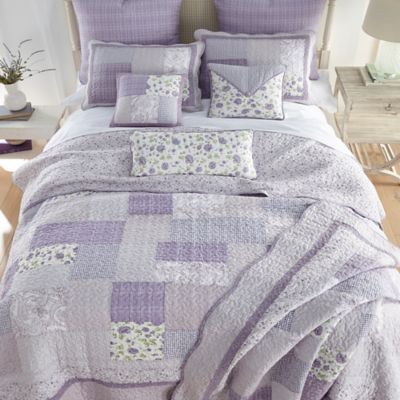
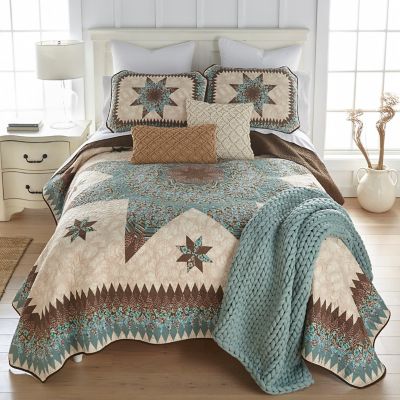
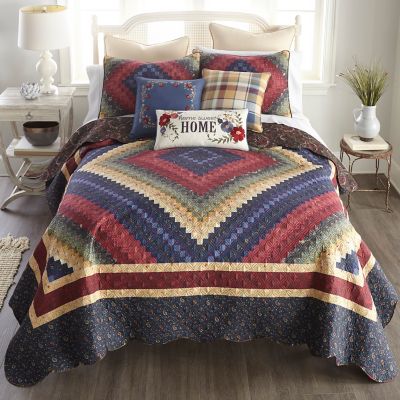
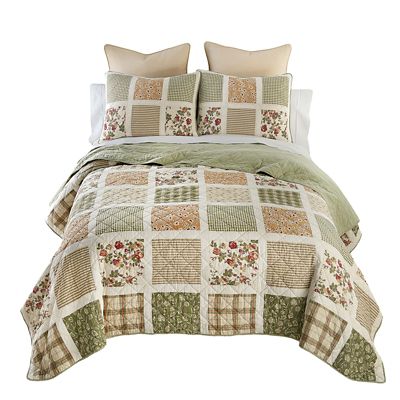
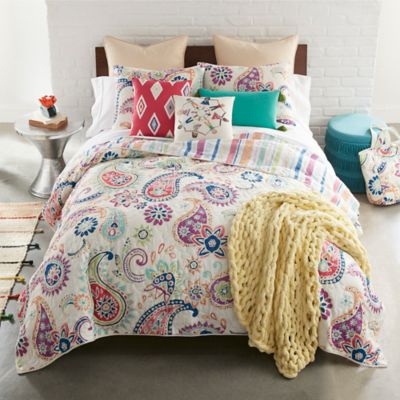
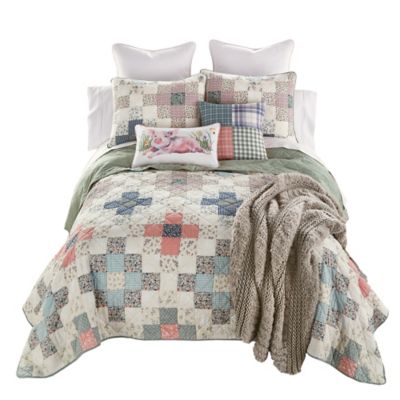
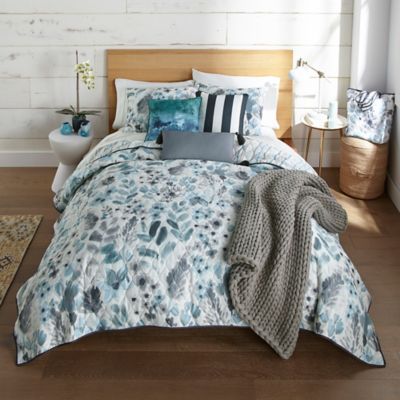
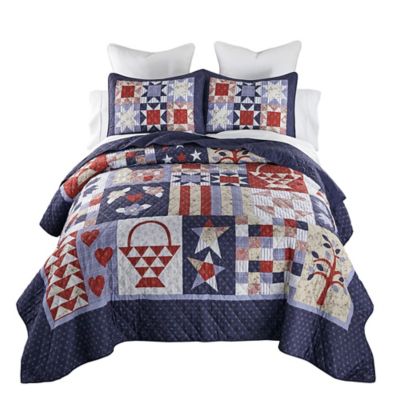
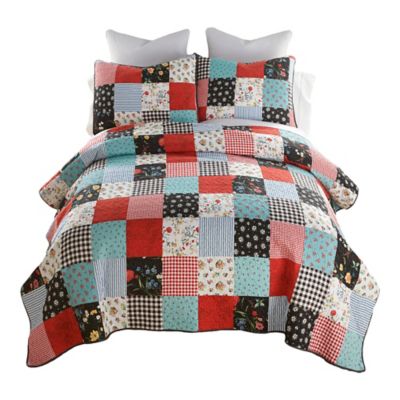
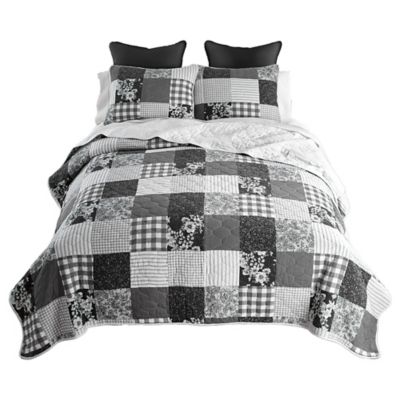
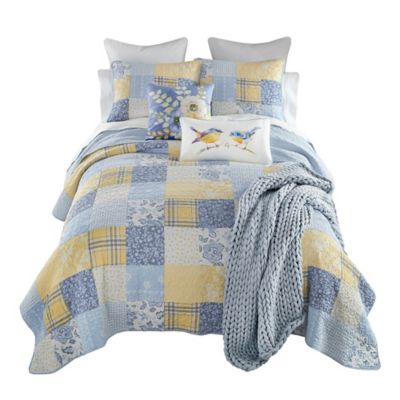
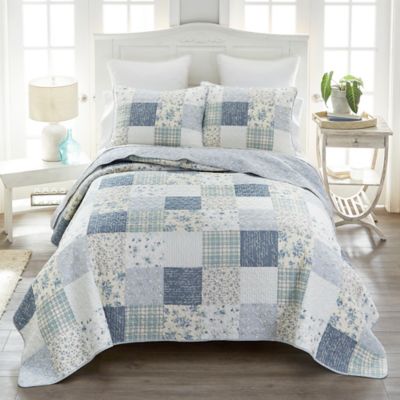
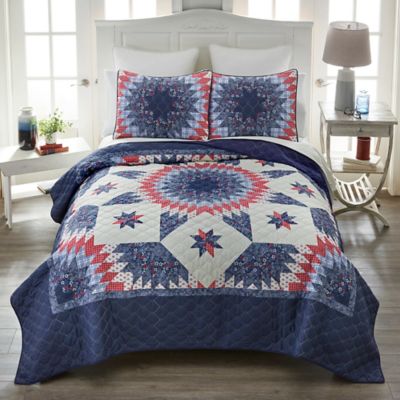
Floral bedding sets bring a bit of garden character indoors, with colors and patterns that can make a bedroom feel settled and inviting. Small blossoms scattered across a pale background give a bed a softer look, while larger flowers and leafy stems create a bolder focal point. The scale of the print makes a real difference: a close pattern tends to blend together from across the room, while broad blooms remain easy to pick out. In a room with a patchwork rug, patterned curtains, or several framed pictures, a floral print with plenty of open space can keep the bed from feeling too busy. Where the furniture and walls are simple, a fuller pattern has room to stand out. Color offers another way to tie things together. A green leaf in the bedding can pick up the shade of a painted dresser, or a blue flower can echo a favorite chair beside the window. There’s no need for every surface to match. Wood furniture, a plain bed skirt, and solid pillowcases give the flowers some breathing room without losing that comfortable country feel. Cream backgrounds tend to soften the overall look, while darker grounds give pale petals a more pronounced outline. Stripes, checks, and small geometric patterns can sit alongside florals when they share a color and differ enough in scale. For a child’s room, a cheerful flower pattern can feel playful without depending on a particular character or theme. In a main bedroom or guest room, quieter colors and smaller prints can make the bed feel welcoming without taking over the space. Floral bedding also makes a thoughtful housewarming or wedding gift when the recipient’s bed size and color preferences are known. A pattern that works with the furniture already in the room is often easier to enjoy than one that calls for changing everything around it.
What comes in a floral bedding set matters just as much as the print. A comforter set generally centers on a filled bed covering, while a quilt set usually has a flatter, stitched construction. Duvet cover sets are made to hold a separate insert, so the cover alone will not provide the same fullness as a comforter. Pillow shams may be included, but sheets, pillow inserts, bed skirts, and accent pillows are not part of every set. Checking the listed contents helps keep the finished bed in line with expectations. For a flatter covering that folds neatly across the foot of the bed,
Lightweight Quilt Sets are another option alongside fuller comforter styles. Whatever the construction, mattress measurements are a better starting point than the size name alone. A full/queen covering can fall differently on a full mattress than on a queen, and a tall mattress or thick topper takes up more of the side drop. Measuring from the top of the mattress to the desired stopping point makes it easier to picture whether the bedding will skim the frame or leave more of it showing. Pillow dimensions deserve the same attention, especially when choosing between standard and king shams. Fabric affects the feel and everyday upkeep, too. Cotton can have a crisp or soft hand depending on its weave and finish, while polyester microfiber often feels smooth and may resist wrinkling. Blends bring different fibers together, so the fabric label gives a clearer picture than appearance alone. The face fabric, backing, and fill may have different fiber contents. Stitching also plays a part in how a covering holds its shape: quilted lines help secure the layers, and sound seams help edges stand up to regular handling. For a bed that gets made every morning and turned down every night, a manageable weight and a pleasant feel against the hands matter as much as the pattern.
Everyday life is worth keeping in mind when choosing floral bedding, especially in a household where pets hop onto the bed or children pile in for a story. Closely spaced flowers and mixed colors can make a small mark less noticeable than it would be on a broad, pale background, though no print takes the place of regular washing. A smooth surface may be easier to clear of loose pet hair than fabric with lots of raised texture, and fewer loose trims mean fewer places for claws to catch. In a guest room, a coordinated covering and shams help the bed look pulled together without a stack of extra pillows to move at bedtime. On the main bed, a plain sheet cuff folded over a floral covering gives the pattern a clean border and keeps the sleeping surface easy to refresh. Care requirements should suit the household’s laundry setup. Follow the care label for washing, drying, and spot treatment, and make sure the machine has enough room for the bedding to move freely. A tightly packed washer can leave detergent behind and put extra strain on seams; larger coverings may need a larger-capacity machine. Keeping fasteners closed when the label calls for it, treating spots promptly, and avoiding more detergent than necessary can help fabric stay pleasant to handle. Some floral patterns are printed on the surface, while others are woven into the fabric, and either type benefits from care suited to its fibers and finish. Before storing a spare set, let every layer dry completely, then fold it into a clean, dry space away from direct sunlight. With sensible sizing, comfortable fabric, and care that fits the household routine, floral bedding can earn its place on an everyday bed rather than being saved only for company. The best fit is a set that looks right in the room and is straightforward to live with.