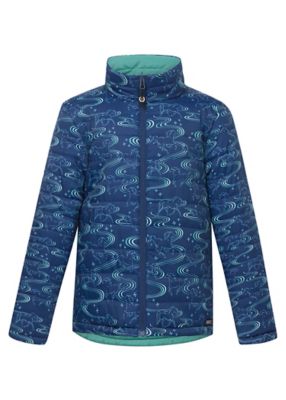
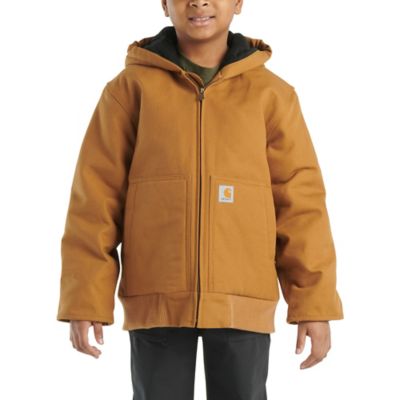
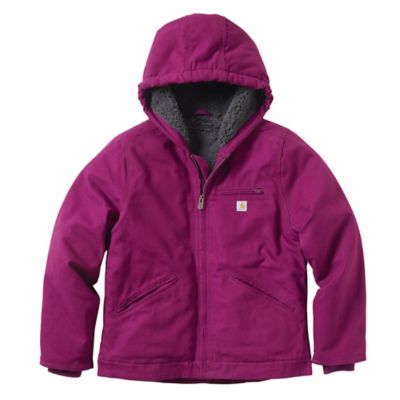
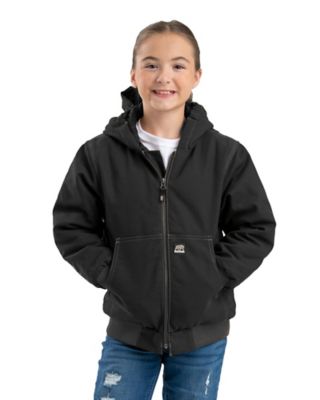
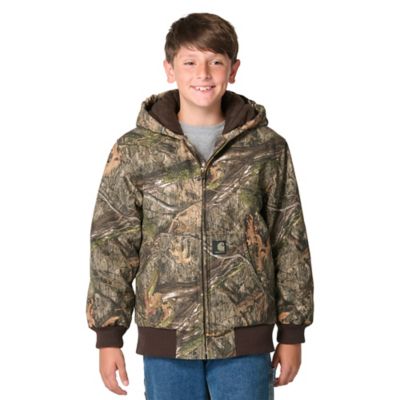
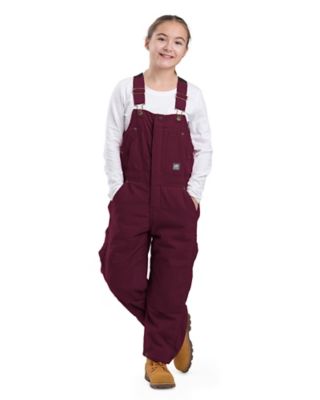
Children’s lightweight coats give kids an extra layer against wind, light rain, or a chilly start without the weight of a heavy winter coat. They suit the in-between stretches of a day: the walk to the school bus, a breezy afternoon at the playground, or a trip out to gather eggs before supper. The right amount of coverage depends on what a child will be doing and what they’ll wear underneath. An unlined shell offers a simple outer layer, while a fleece-lined coat adds warmth for less active outings. Lightly insulated styles provide another option when a thin shell isn’t enough, though lightweight outerwear isn’t a stand-in for winter gear in freezing conditions. Materials make a difference in how these coats feel and perform. Nylon and polyester shells can keep the overall weight down and often dry faster than cotton, making them practical for damp grass, passing showers, and everyday splashes. Cotton-rich fabrics tend to have a softer, familiar feel, but they hold moisture longer and aren’t the best choice for steady rain. Fleece feels cozy against a shirt, although fleece alone may let wind pass through. A woven outer shell over a soft lining can balance comfort with coverage. Water-resistant and waterproof coats also serve different needs: water resistance helps with brief moisture exposure, while waterproof construction is intended for more sustained rain. Sealed seams and a covered or water-blocking zipper can help keep rain from working through openings, but the garment’s stated protection matters more than its appearance. Breathability is worth considering for kids who run hard at recess or climb every hill on the property. Venting and breathable fabrics can help release heat, so a child doesn’t feel clammy once the play picks up. Packable designs are handy for a backpack or day bag, especially when a coat needs to come along even if it won’t stay on all day.
Fit matters just as much as fabric in kids’ lightweight coats. A child should be able to reach overhead, bend down, and stretch both arms forward without the shoulders pulling or the hem riding far above the waistband. Enough room for a sweatshirt makes layering easier, but going several sizes too big can leave sleeves hanging over hands and extra fabric getting in the way. A coat that fits comfortably over the clothes a child actually wears is more useful than one chosen only for room to grow. Sleeve length, shoulder width, and body length all deserve a look, since children with the same height can need different proportions. A slightly longer back can provide coverage while sitting on a bench or crouching beside a garden bed. Elastic cuffs help keep sleeves near the wrists, while adjustable cuffs offer flexibility over different layers. Neither should feel tight or make it difficult to pull hands through. Front closures matter during the school-day rush, too. A zipper with an easy-to-grip pull can be simpler for small hands, and a fabric guard at the chin helps keep the zipper from rubbing tender skin. Pockets give kids somewhere to tuck gloves or carry a small treasure from the yard; secure closures are helpful when the afternoon involves plenty of running. Hoods should stay in place without blocking side vision, and younger children’s coats should avoid neck-area drawstrings that can catch on playground equipment. A hood that folds away or detaches may suit some activities, provided the coat’s design allows it. Reflective details can add visibility in low light, but they don’t replace adult supervision or other precautions near roads. For car-seat travel, follow the seat maker’s directions rather than assuming a coat is suitable beneath a harness because it looks thin. These everyday details help a lightweight jacket feel comfortable through school, errands, and outdoor play instead of becoming the layer a child keeps trying to take off.
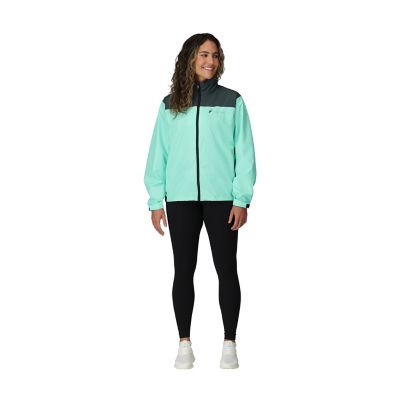
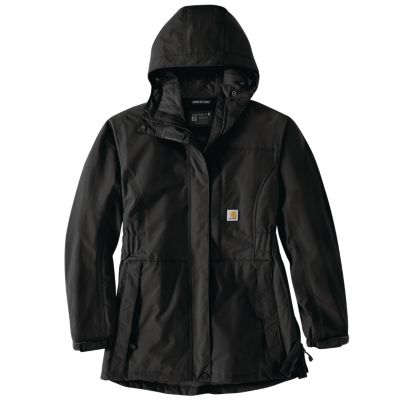
Children’s outerwear gets dragged across benches, stuffed into cubbies, and brushed against fence rails, so construction and care deserve attention. Even stitching, reinforced pocket openings, and securely attached fasteners can help a coat stand up to repeated wear. A smooth lining makes it easier to slide sleeves over a long-sleeve shirt, while a less bulky design is easier to fold into a school bag. Fabric weight alone doesn’t tell the whole story: a very thin shell may be ideal for carrying along, while a more substantial weave may better suit frequent contact with rough surfaces. Care directions should fit the household routine. Check the label before washing, close fasteners as directed, and follow the recommended wash and drying settings. Fabric softeners and some laundry additives can interfere with certain water-repellent finishes, so rainwear may need a different routine than everyday shirts. Mud is often easier to brush away once dry, although stains and fabric treatments call for the garment maker’s directions. Letting a damp coat dry fully before packing it away helps prevent lingering odors, and keeping pockets free of rocks, tissues, and forgotten snacks makes laundry day easier. Small tears or loose stitching are easier to address before they spread. For a gift, a lightweight coat can be a practical choice for a child heading to school, spending weekends outdoors, or tagging along on family outings. Checking measurements and asking about favorite colors can help the coat feel like something they’ll reach for, not just another layer hanging by the door. Bright colors, simple solid shades, and playful patterns each have their place, but comfort and intended use should lead the choice. For adults joining those rainy walks and sideline afternoons,
Womens Lightweight Rain Jackets can round out the family’s rainwear. A well-fitting coat with the right coverage leaves kids free to get on with their day, whether that means catching the bus or heading across the yard.