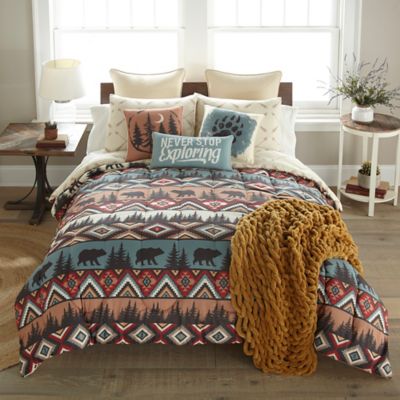
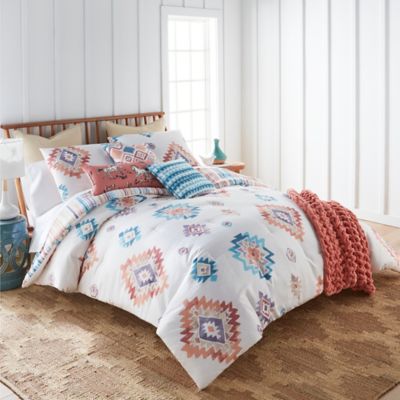
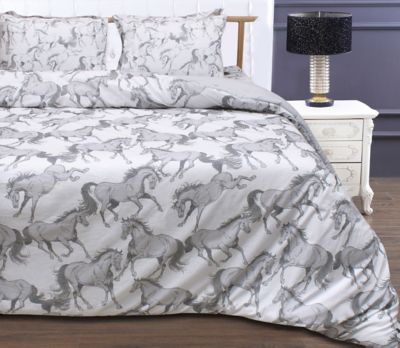
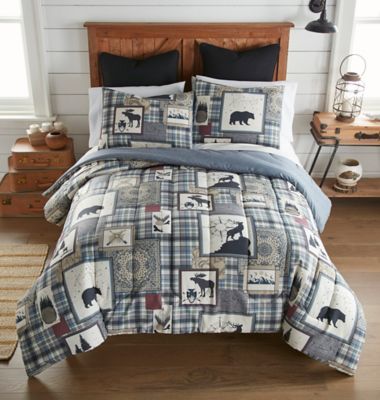
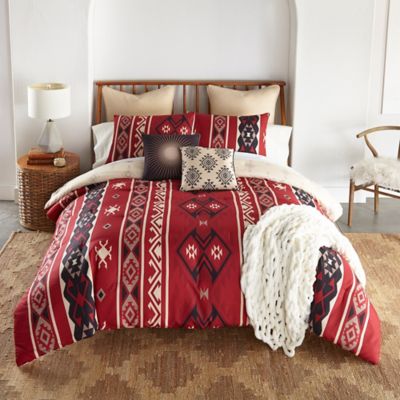
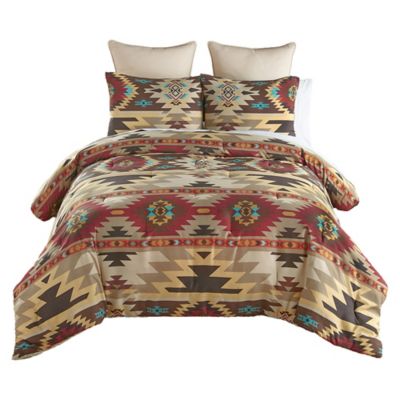
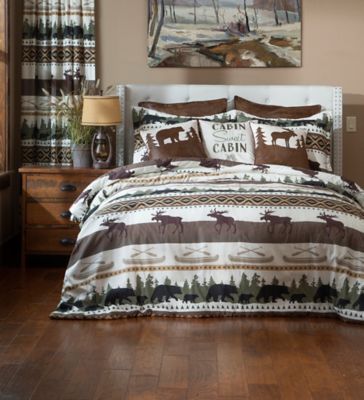
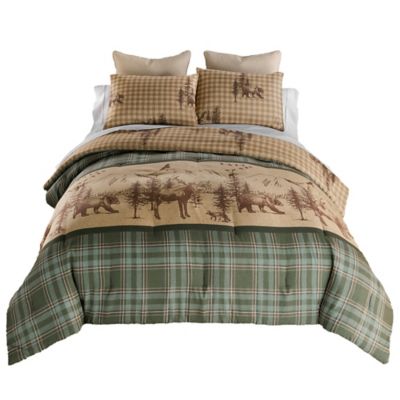
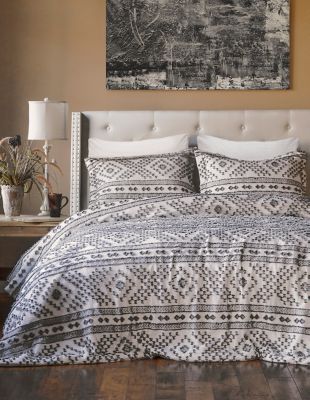
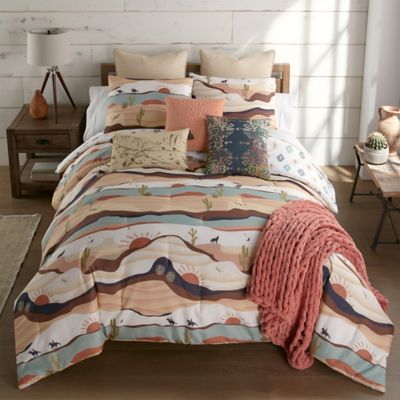
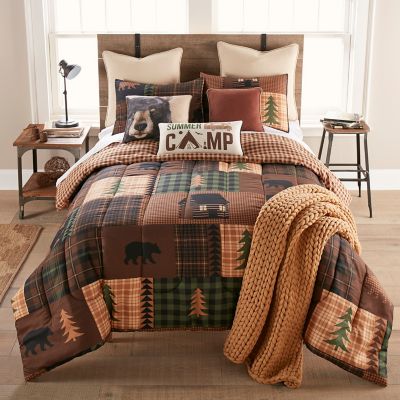
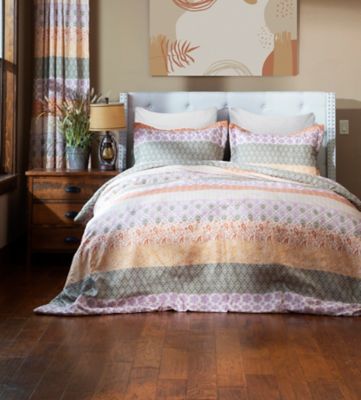
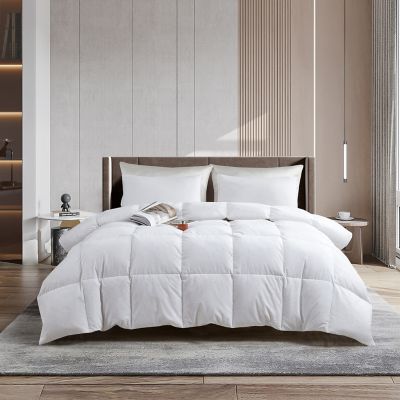
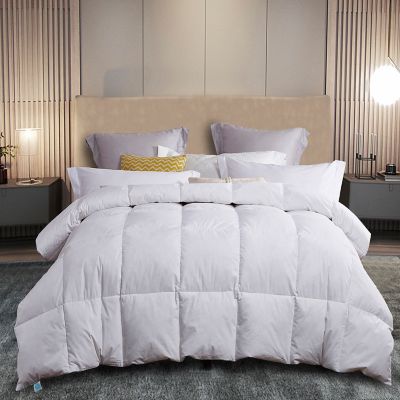
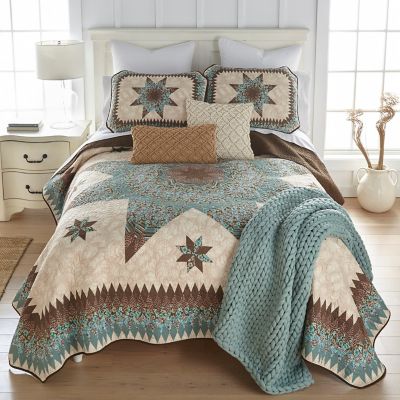
Well-made comforter sets bring together a soft outer fabric, evenly distributed fill, secure stitching, and enough coverage to make the bed feel inviting. A coordinated comforter and matching pillow shams can give a bedroom a pulled-together look without making the bed a chore to straighten each morning. Fabric makes a big difference in how that bedding feels against the skin. Cotton shells offer a familiar, breathable feel, while cotton blends combine different fibers for characteristics such as softness, wrinkle resistance, or easier care. Polyester microfiber has a smooth surface and a closely woven feel, though its breathability varies with the fabric’s construction. Viscose made from bamboo is another fabric option, with a soft drape; the fiber content and care label tell more than a name on the package alone. Inside the shell, fill provides the loft that gives a comforter its fullness. Down and feather blends differ from polyester down-alternative fill in feel, care needs, and how readily they compress. A down-alternative label describes the filling material, not a guarantee that the bedding will prevent allergy symptoms. For anyone sensitive to feathers, the complete fiber and fill information matters more than broad comfort claims. Fill weight also deserves attention: a lofty appearance does not necessarily mean a comforter will feel heavy, and a flatter profile does not automatically mean less coverage. Quilted channels, box stitching, and other stitched patterns help hold filling in place so it does not all settle toward the edges. Neat seams, firmly finished edges, and consistent stitching are useful signs of careful construction, especially on bedding that gets straightened, folded, and laundered often. A tightly woven shell can also help contain the fill. The right combination feels comfortable during a full night’s rest and remains manageable when it is time to make the bed or carry the comforter to the laundry room. For a bedroom that sees everyday activity, practical construction matters just as much as the first soft touch.
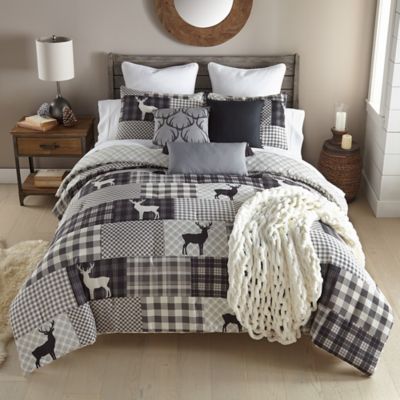
Comforter set sizing goes beyond the mattress name printed on the package. Twin, full, queen, and king labels provide a starting point, but actual comforter measurements determine how far the fabric hangs over the sides and foot of the bed. A deep mattress, thick topper, or tall foundation takes up more of that drop than a thinner mattress on a low frame. On a shared bed, a little extra width can make a noticeable difference when one sleeper rolls over with the covers. On a platform bed, a shorter drop may leave the frame visible and keep the edges clear of the floor. Comparing the listed width and length with the made-up bed helps avoid a comforter that looks skimpy or trails where boots, dust, and pet hair collect. Set contents matter, too, because a comforter set is not always a complete bedding bundle. A smaller set may pair the comforter with one or two shams, while a larger assortment may include other coordinating pieces. Sheets, sleeping pillows, and pillow inserts may need to be selected separately. Sham dimensions should match the pillows they will cover, particularly when moving from standard pillows to king-size pillows. Once the fit is right, color and pattern can help the bedroom feel settled rather than fussy. Solid colors leave room for patterned sheets or a favorite blanket, while checks, stripes, florals, and nature-inspired prints can bring character to a simple bed frame. Reversible designs provide two looks without another comforter taking up closet space. Earthy shades sit comfortably beside wood furniture, and lighter tones can give a small guest room an open feel. Coordinated bedding suits a main bedroom, a child’s room, a farmhouse guest room, or a cabin where making up the beds should be straightforward. It can also make a thoughtful housewarming or wedding gift when the recipient’s mattress size, preferred colors, and laundry setup are known. A set that fits both the bed and the household’s routine is easier to enjoy long after the wrapping is gone.
Care requirements play a big part in how well a comforter set fits daily life. Machine-washable bedding can simplify laundry day, but the care label still governs water settings, detergent, drying methods, and whether professional cleaning is necessary. The comforter needs room to move freely in the washer; squeezing a lofty bed covering into a small drum can keep it from rinsing thoroughly and put strain on seams. Larger sizes may call for a larger-capacity machine, even when the fabric itself is washable. Drying deserves just as much attention as washing. Filling should be completely dry before the bed is remade or the comforter is folded away, since moisture can linger inside after the outer fabric feels dry. Where the label allows tumble drying, the recommended setting helps protect both the shell and the fill. Strong bleach, excessive heat, and fabric treatments that are not permitted on the label can affect color, texture, and stitching. Small spills are easier to address promptly with a fabric-appropriate method, and shaking out the comforter while making the bed helps redistribute the fill. In a home with pets, closely woven fabric, secure seams, and a manageable washing routine are especially practical considerations. Keeping sharp claws and rough fasteners from catching the surface can help limit snags. A top sheet adds a washable layer between the sleeper and comforter, while matching shams can be set aside at bedtime if they are mainly there to finish the bed’s appearance. For a flatter covering with less loft,
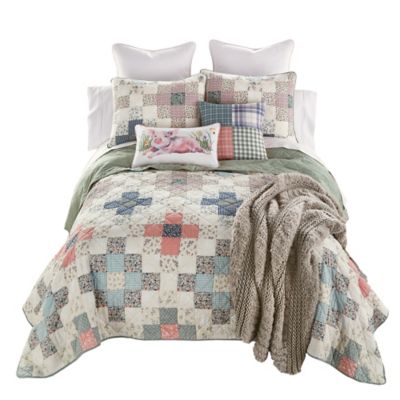
Lightweight Quilt Sets offer another approach to coordinated bedding. Comforter sets suit sleepers who prefer a fuller, cushioned layer and want the main pieces of the bed to work together without much fuss. Whether the bed belongs to someone coming home after a long day on their feet or a guest staying for a few nights, soft fabric, sensible sizing, and straightforward care help make it a comfortable place to turn in.