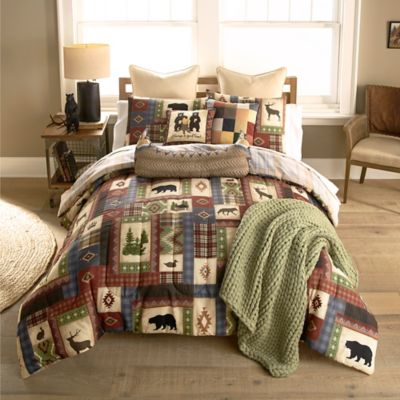
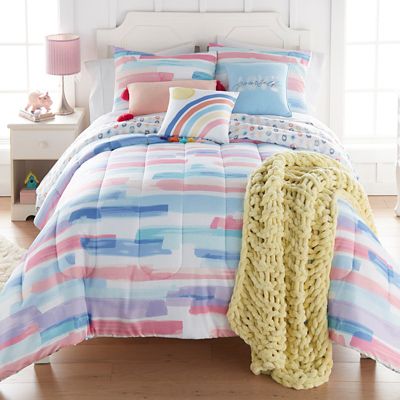
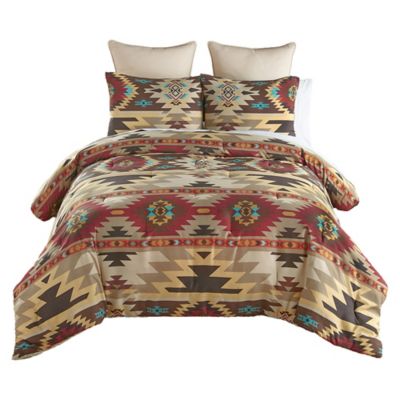
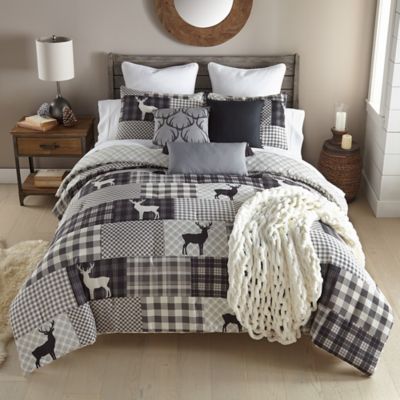
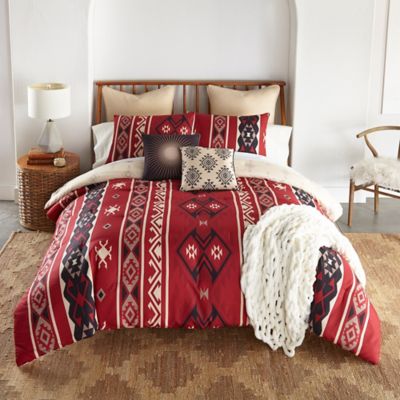
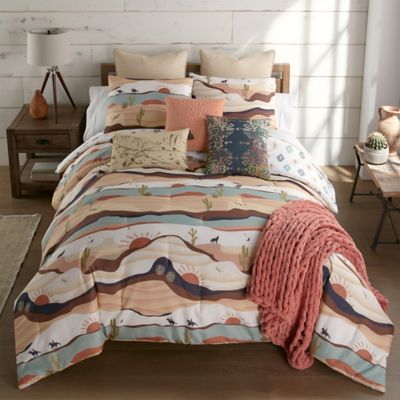
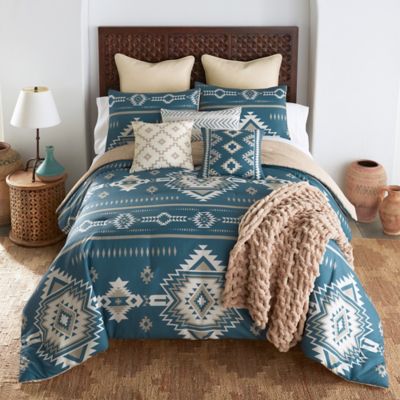
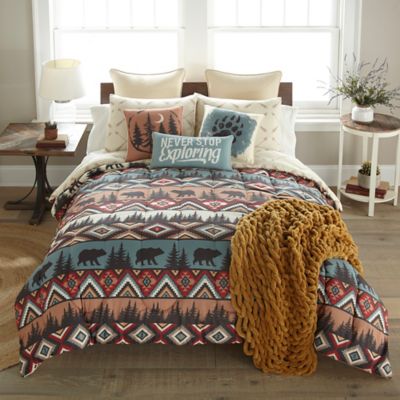
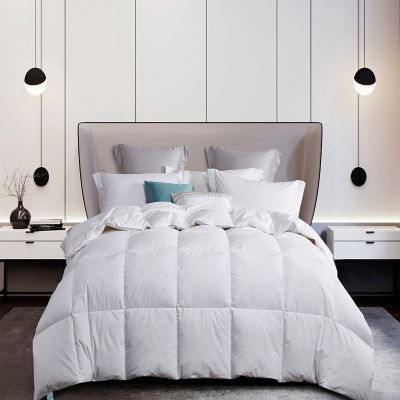
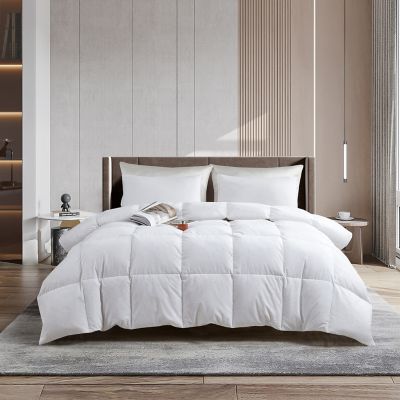
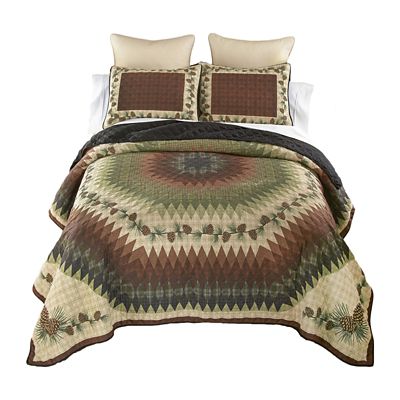
King size comforter sets bring a comforter and matching pillow coverings together, giving a large bed a finished look without piecing every layer together separately. A common three-piece king comforter set includes one comforter and two pillow shams. Larger sets may add accent pillows, a bed skirt, or other coordinating pieces, so the listed contents matter more than the piece count alone. Sheets and sleeping pillowcases are not automatically included, and a sham is a styled pillow cover rather than a replacement for a regular pillowcase. That distinction matters when setting up a main bedroom, furnishing a guest room, or putting together bedding for a new home. Fit starts with the bed itself: a standard king mattress measures about 76 inches wide by 80 inches long, while a California king measures about 72 inches wide by 84 inches long. Those different proportions mean king and California king comforters are not always interchangeable. Comforter sizing varies by maker; dimensions around 104 by 92 inches are common, but the actual width and length tell more than the size name. A deep mattress, thick topper, or tall foundation can take up more of the fabric that would otherwise hang down the sides. Oversized king comforter sets generally provide extra coverage, though “oversized” does not describe one fixed measurement. The right fit depends on whether the comforter should skim the bed rails, cover the foundation, or leave a bed skirt showing. On a bed shared by two people, enough side coverage also leaves more fabric for each sleeper. King shams often fit pillows measuring about 20 by 36 inches, but dimensions vary. A roomy comforter, properly sized shams, and sheets that fit the mattress depth help the whole bed look pulled together rather than crowded or stretched tight.
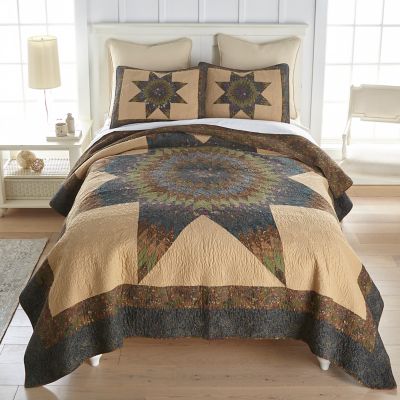
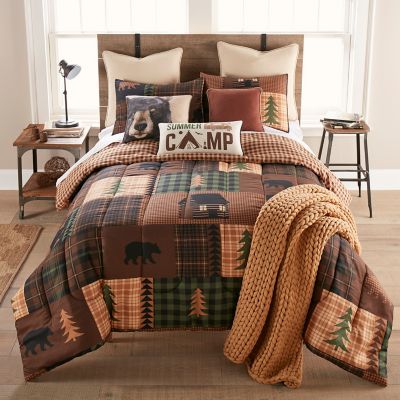
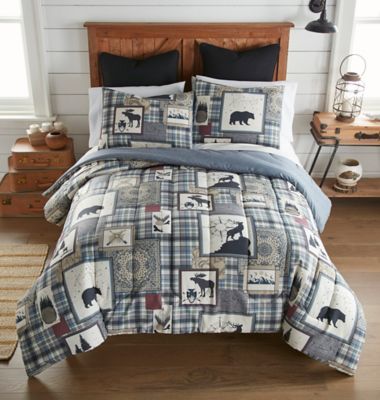
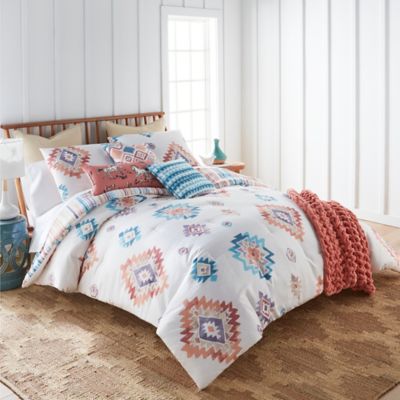
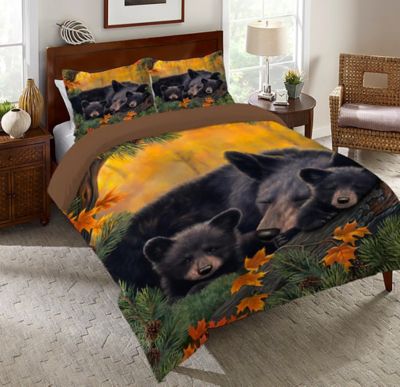
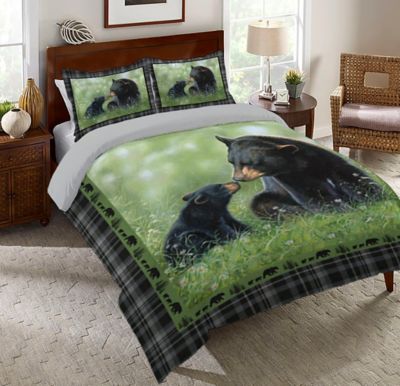
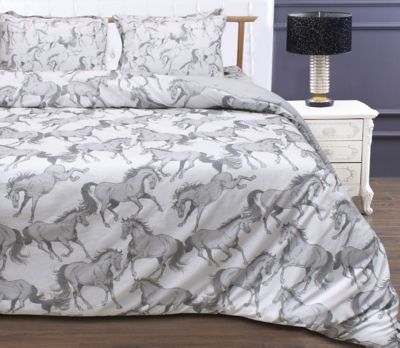
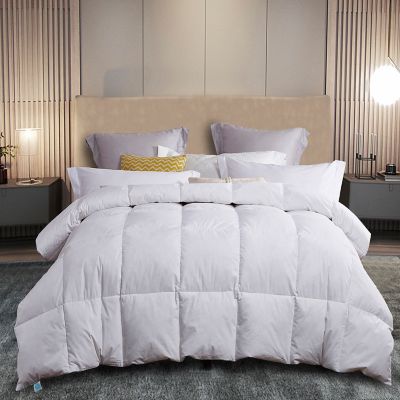
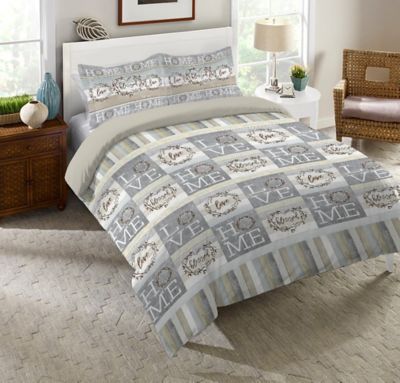
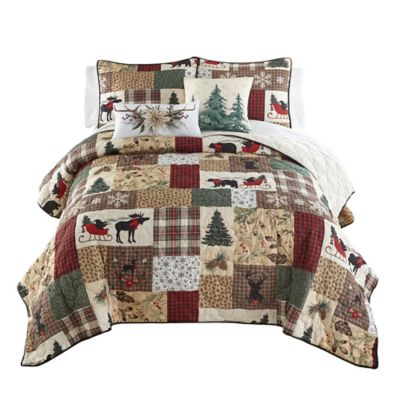
Fabric and fill shape how king comforter sets feel, drape, and stand up to everyday handling. Cotton shells offer a natural-fiber feel and breathability, with the weave making a difference in the finish. Percale tends to feel crisp, while sateen generally feels smoother and has a slight sheen. Polyester microfiber has a fine, smooth surface and often resists wrinkling, making it worth considering for a bed that needs to look tidy with a quick straightening. Linen brings a more pronounced texture and a relaxed, softly rumpled look. Blended fabrics combine fibers, so the fiber percentages provide a clearer picture than a broad fabric name alone. Inside the comforter, polyester fill, down, and feather blends can create different levels of loft and weight. Down alternative generally describes synthetic fill intended to provide loft without down; the term alone does not guarantee allergy protection. For households with sensitivities, the full shell and fill descriptions matter. Fill weight, construction, and personal preference work together, whether the goal is a lofty bedspread-like look or bedding that feels less substantial across the body. Box stitching and other quilted patterns help limit fill movement, while sound seams and securely finished edges help bedding hold up to repeated handling. Appearance matters, too, especially across the broad surface of a king bed. Plaid and checked comforter sets pair naturally with wood furniture and a farmhouse bedroom. Floral prints can soften a room with a metal bed frame, while solid colors let a patterned rug or favorite wall art stand out. Raised stitching, woven texture, and contrasting borders add interest without requiring a busy print. Reversible comforters offer two looks in one piece, though the fabric and finish may differ between sides. Coordinating shams carry the pattern up to the head of the bed, creating a settled-in look without needing a pile of extra pillows to move each night.
Care requirements deserve as much attention as color, especially with bedding this size. Some king comforter sets are machine washable, while others call for professional cleaning or separate treatment for certain pieces. The care label sets the rules for washing, drying, and stain treatment; matching pieces do not necessarily share the same instructions. A king comforter needs enough room in the washer to move freely and rinse thoroughly, and a tightly packed drum can make that difficult. Washer capacity matters more than simply fitting the bedding through the opening. Drying space matters as well, since thick fill can remain damp inside after the shell feels dry. When machine drying is permitted, the stated heat setting and thorough drying help protect the fabric and fill. Regular straightening and gentle fluffing can help keep the bed looking even between washes. For a guest room, bedding that is straightforward to launder makes getting ready for the next visit less of a chore. In a bedroom shared with pets, a smooth surface without loose fringe or raised loops may be easier to manage around paws and claws. Washable layers can also help keep everyday messes off the comforter itself. For a flatter bedding layer with less loft,
Lightweight Quilt Sets offer another option, either on their own or folded across the foot of the bed. Comforter sets also make thoughtful wedding or housewarming gifts when the recipient’s bed size, fabric preferences, and laundry setup are known. A simple pattern or familiar color can fit more easily with furniture and linens already in the home. Whether the bed is a place to stretch out after chores or a welcoming spot for visiting family, the most useful set balances generous coverage, a comfortable feel, and care that fits the household routine. Those everyday details help king size bedding earn its place in a room that gets lived in.