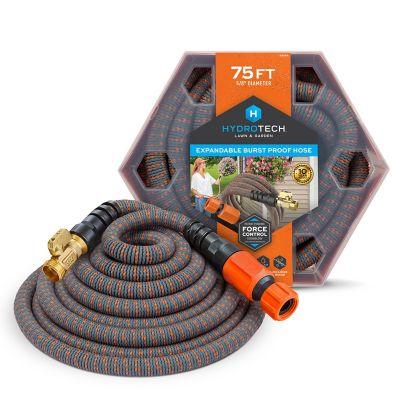
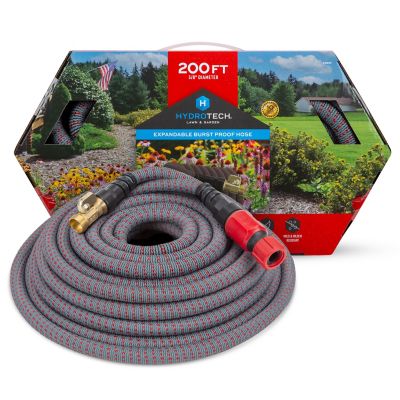
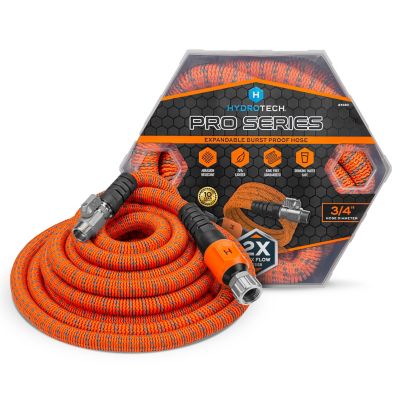
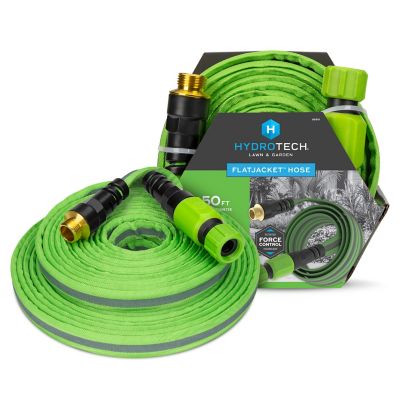
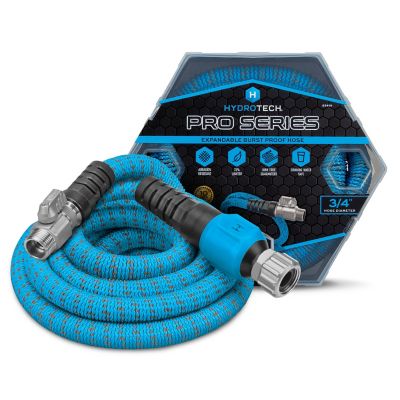
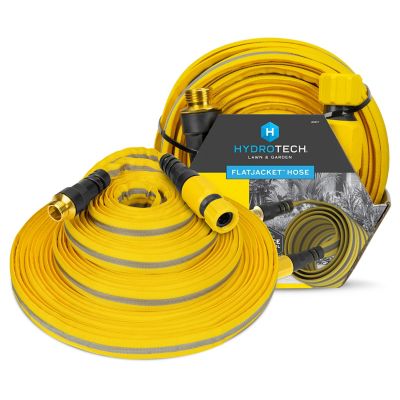
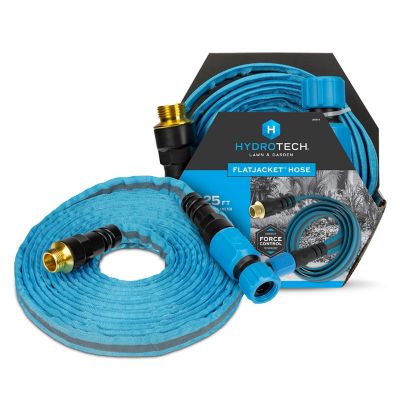
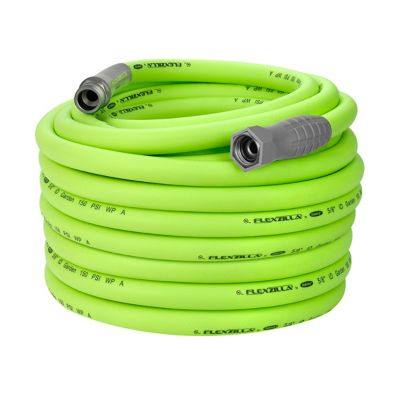
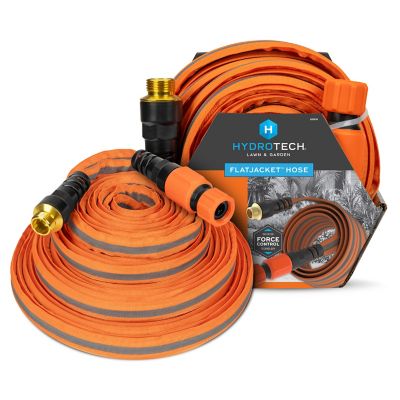
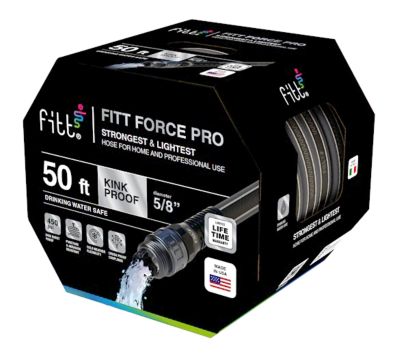
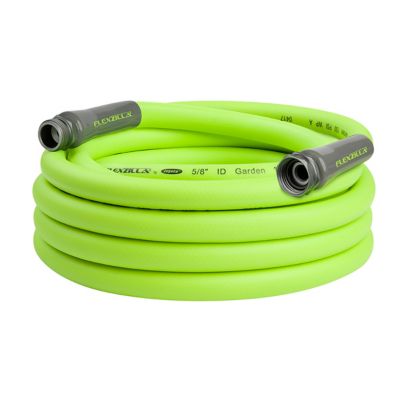
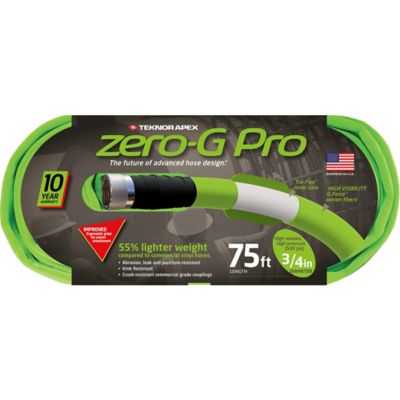
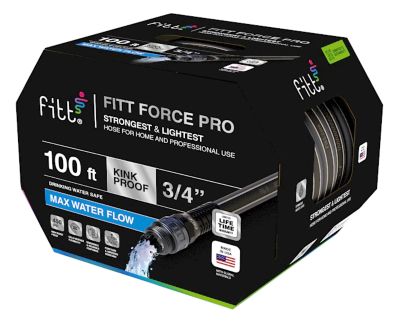
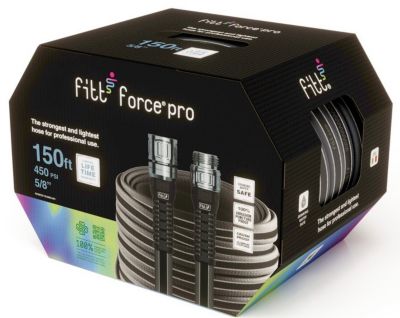
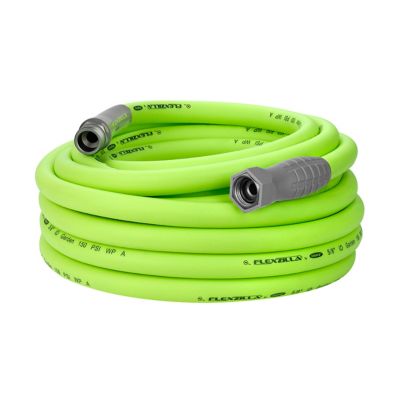
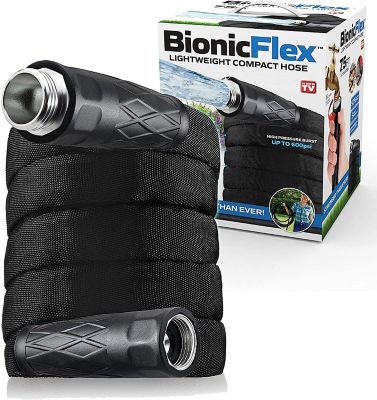
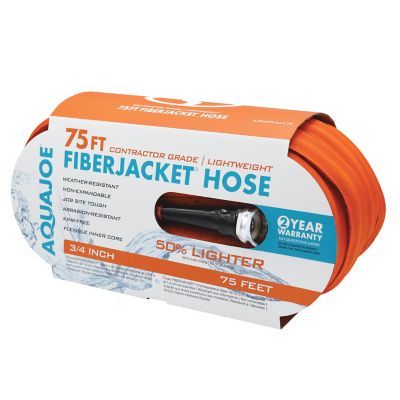
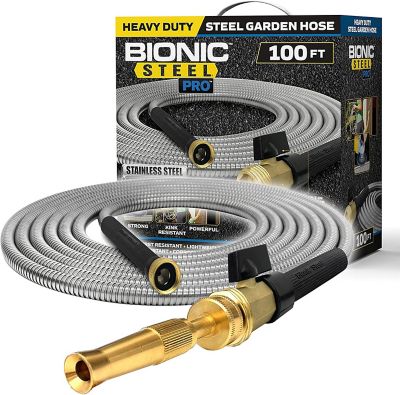
Lightweight hoses make everyday watering and cleanup easier to manage, with less weight to pull across the yard, lift onto a hanger or carry between faucets. A lightweight garden hose can help reduce arm strain, and many designs coil easily and take up less room in a shed or garage. That makes them a handy fit for watering porch planters, reaching vegetable beds, rinsing a wheelbarrow or knocking dirt off garden tools. The right match depends on more than how light the hose feels when empty. Once water fills the line, its length and inside diameter affect the load in your hands and the effort it takes to move it around fence posts, steps and garden rows. A shorter hose can be easier to handle for chores close to the faucet, while a longer one adds reach across a bigger yard. Common lengths such as 25 or 50 feet suit different layouts, but the distance around obstacles matters just as much as a straight measurement from the spigot. A little extra reach keeps the connection from pulling tight when you work around the far side of a raised bed. Too much extra hose leaves more line to drag, coil and tuck away. Inside diameter also matters: a smaller bore generally holds less water and weighs less when full, while a larger bore can support more flow when the water supply allows it. A 1/2-inch hose may suit hand-watering tasks, while a 5/8-inch hose offers a familiar balance of handling and flow for many yards. Actual output still depends on supply pressure, hose length and the nozzle or sprinkler attached. For someone tending a few pots near the back door, easy handling may matter most. For someone watering several beds or washing out equipment, reach, flow and connection strength deserve equal attention. Thinking about the whole route—from the faucet to the last plant—helps put hose weight in perspective.
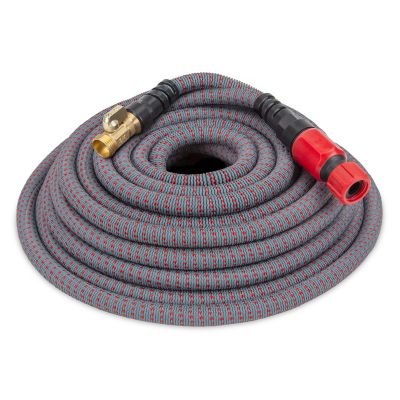
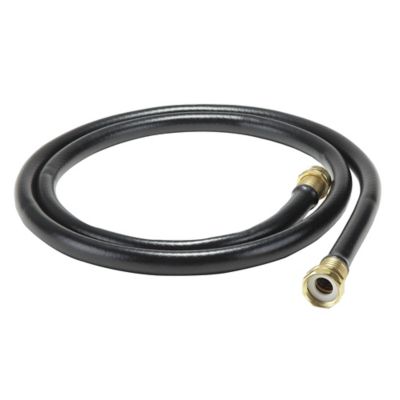
Materials and construction shape how lightweight hoses bend, resist wear and feel in your hands. Vinyl, polyurethane and rubber-blend designs each bring a different balance of weight, flexibility and resistance to scuffs. Wall thickness and reinforcement matter alongside the material name, so two hoses made from similar materials can handle quite differently. Some designs have a smooth outer surface that slides through grass, while others have a woven jacket around a flexible inner tube. Fabric-covered hoses can be easy to carry, but sharp gravel, thorny stems and rough concrete still call for care. Expandable hoses change length under water pressure and contract after draining, making them useful where storage space is tight. Their stated working length depends on the design and adequate water pressure, and they need room to extend without catching on corners or pulling against a closed gate. Other lightweight hoses keep a consistent length, which can make placement around beds and equipment more predictable. Reinforcement helps the hose hold its shape under pressure, while kink resistance affects how smoothly water keeps moving when the line bends. No hose is immune to a hard fold or a tight turn around a post. Working-pressure ratings are especially important when pairing a hose with a nozzle, timer or sprinkler; a burst-pressure figure is not the same as a continuous operating limit. Connections deserve a close look, too. Brass, aluminum and reinforced polymer fittings differ in weight and handling, and a comfortable grip can make attachment easier with damp hands. A properly seated washer helps seal the connection without excessive tightening. Standard garden-hose threads are common, but fitting size and thread type still need to match the faucet and accessories. The hose’s inside diameter is a separate measurement from its threaded connection. Drinking-water tasks need another check: filling a pet’s bowl, an animal’s water container or a camper’s fresh-water tank calls for a hose specifically labeled for drinking-water use, along with suitable fittings. A lightweight build alone does not establish that suitability.
Around a working yard, a hose has to fit the routine as well as the space. Someone moving between hanging baskets and ground-level beds may appreciate a flexible line that follows easily without tugging at the nozzle. Someone rinsing muddy boots or cleaning a feed scoop may put more value on a manageable short length near the utility faucet. For chores that move from the house to the barn,
Portable Hoses are another practical option to consider alongside weight, reach and storage needs. A compact coil is easier to carry through a narrow doorway, and a broad hose hanger or compatible reel can keep the line off the ground without bending it sharply. Reel capacity should match both the hose length and its outside dimensions, especially with thicker jackets or larger fittings. Expandable designs may have different storage requirements, so the manufacturer’s directions matter more than assuming every hose belongs on the same reel. Giving the line room to straighten before watering helps limit twists, while keeping it clear of tires, mower blades and closing gates protects against damage that a tough outer layer cannot always prevent. After the chore, relieving pressure and draining the hose as directed can make it easier to handle and put away. Dirt around the threads can interfere with a good seal, and a missing or worn washer may explain a dripping connection without the hose itself being at fault. Occasional checks for split jackets, bulges and loose fittings help catch trouble before water ends up pooling beside the faucet. Storage away from sharp tools, chemicals and direct sunlight can also help preserve the hose materials. For a gardener who finds a heavy hose tiring, a lighter setup can be a thoughtful practical gift, especially when its length and connections fit the recipient’s space. Whether the job is watering a small kitchen garden or rinsing gear beside the shed, a well-matched lightweight hose keeps the focus on the chore rather than the line trailing behind.