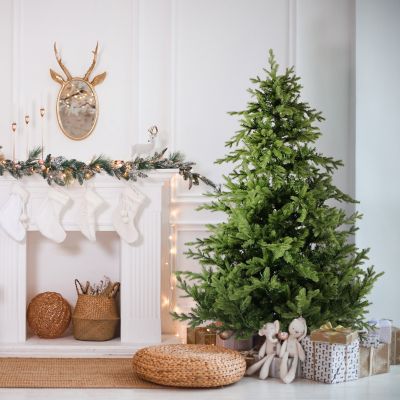
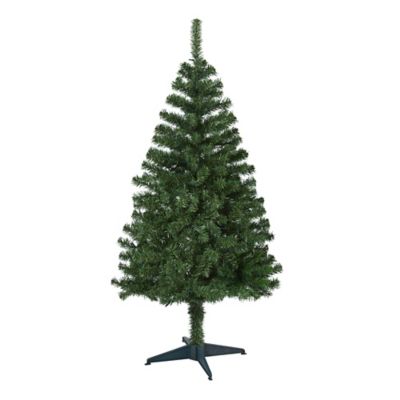
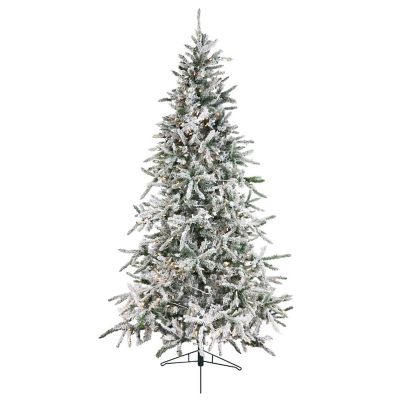
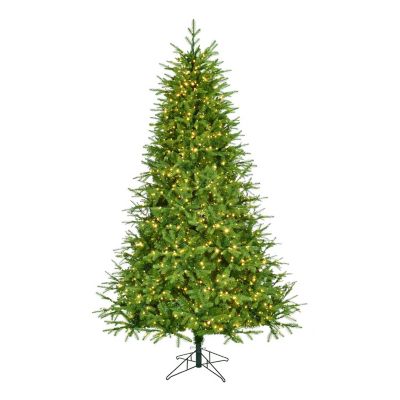
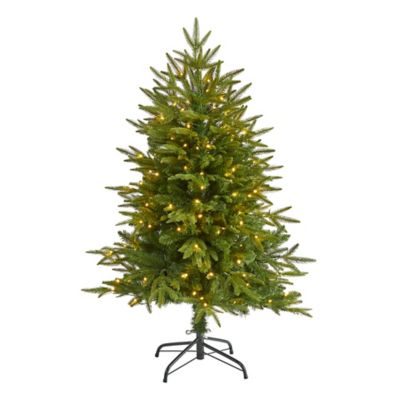
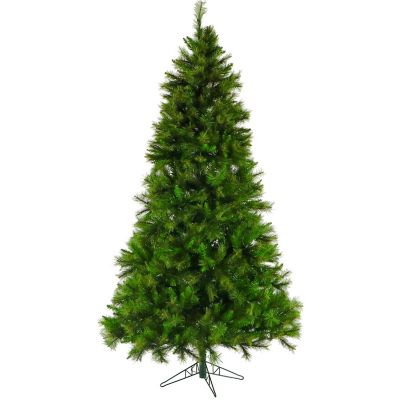
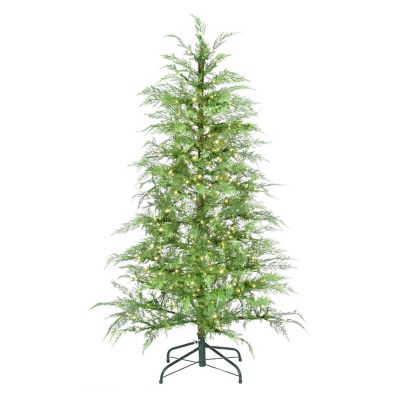
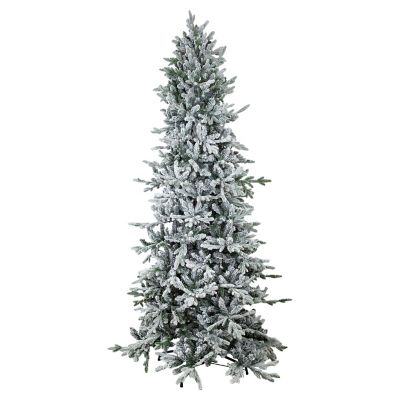
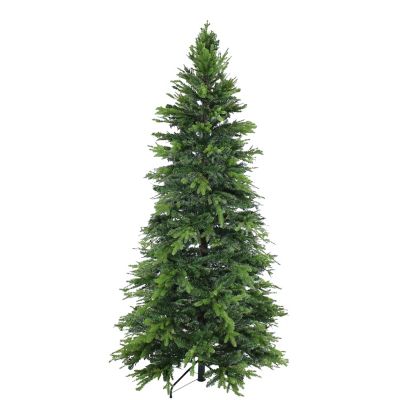
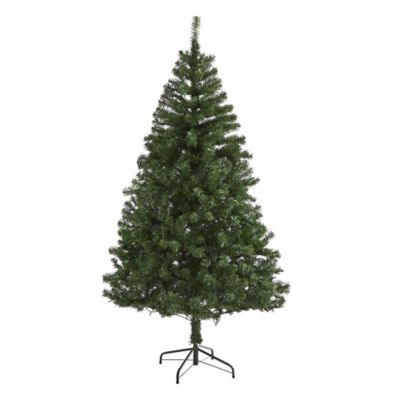
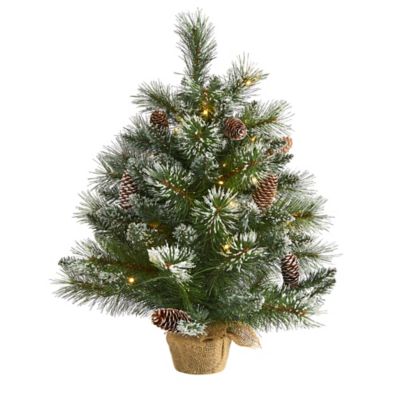
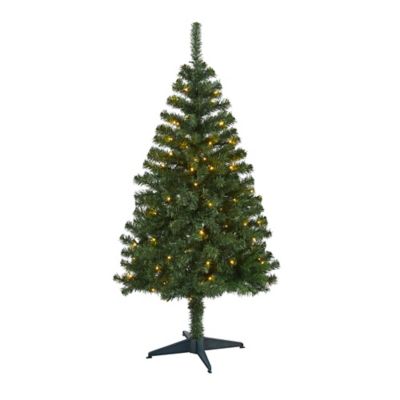
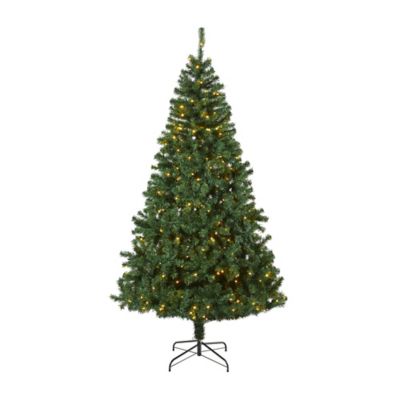
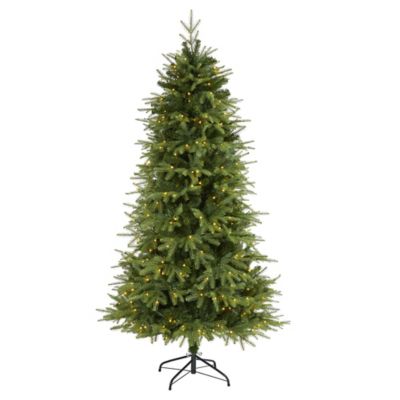
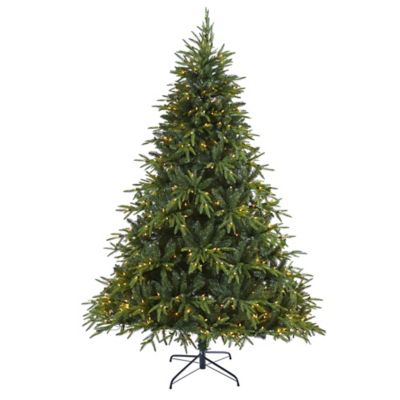
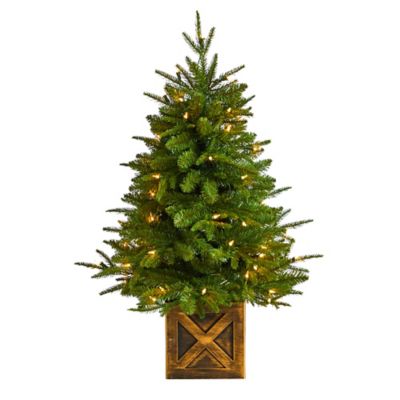
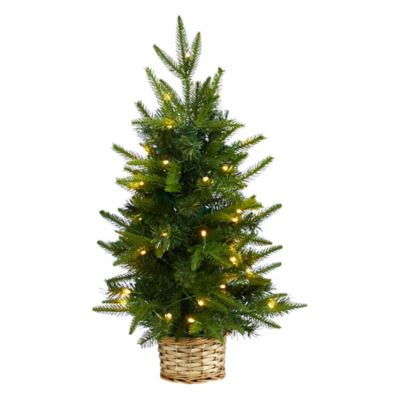
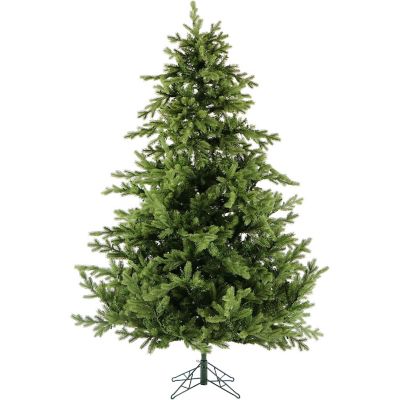
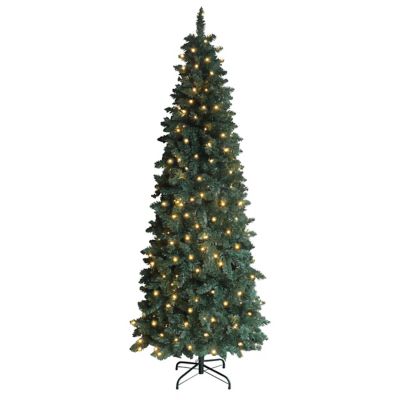
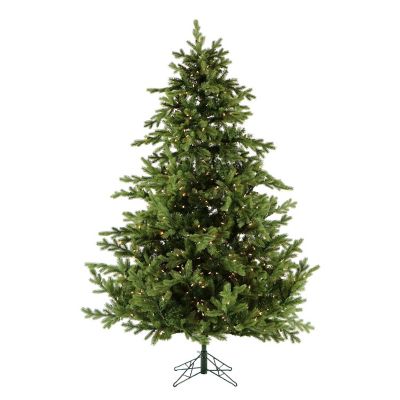
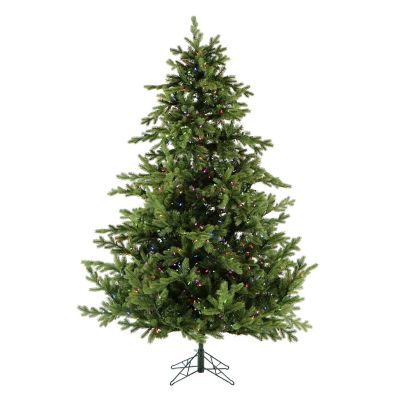
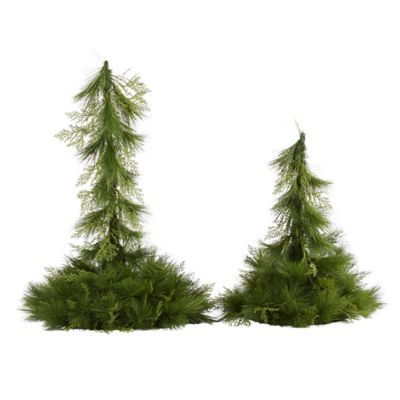
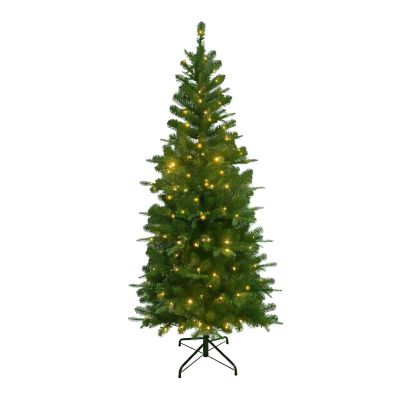
Lifelike artificial Christmas trees bring the look of a fresh evergreen indoors with molded branch tips, layered foliage, and shades of green that resemble natural growth. Many realistic artificial trees combine polyethylene, or PE, tips with traditional polyvinyl chloride, or PVC, needles. PE tips are molded to capture the shape and texture of evergreen sprigs, while PVC needles can help fill the spaces closer to the trunk. Some trees feature mostly molded foliage, and others blend the two materials in different proportions. The overall effect depends on more than the material alone: branch spacing, needle color, tip shape, and the outline of the tree all play a part. A slightly uneven silhouette and small variations in green can look more natural than a perfectly uniform cone. Fir-inspired branches often have a dense, layered appearance, while spruce-inspired foliage may look shorter and more pointed. Pine-inspired styles tend to have longer needles and a softer, more open outline. Those differences help set the feel of a room, whether the tree stands beside a stone fireplace in a farmhouse living room or fills a corner near the front window. Trees with visible spaces between branch layers leave room for ornaments to hang freely, while fuller shapes create a thick green backdrop for lights, ribbon, and family keepsakes. A natural-looking tree does not have to be packed solid from top to bottom; a little breathing room can show off the branching structure and give larger ornaments a place to settle. Branch strength matters, too, especially for heavier glass ornaments, clay pieces brought home from school, or a favorite metal star. Foliage can hide much of the support structure, but the branches still need enough support to hold the intended trimmings without sagging. Close-up views of the outer tips and wider views of the whole tree offer different clues about its appearance, from needle texture to how well the center fills out. For many homes, the most convincing look comes from a balance of detail, fullness, and an evergreen shape that feels familiar.
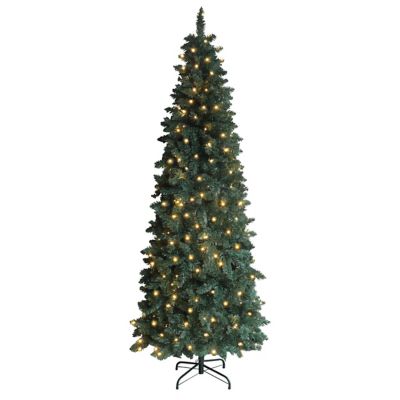
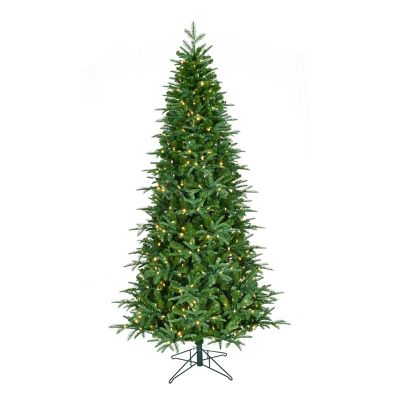
Size and fit have just as much to do with a Christmas tree feeling at home as its needles do. The listed height generally includes the stand and the topmost branch, but a topper needs additional clearance. A seven-and-a-half-foot tree beneath an eight-foot ceiling can leave little room for a tall star or angel. Width deserves the same attention, especially in rooms where the tree shares space with a recliner, a woodstove hearth, or the path from the kitchen to the front door. A full-width tree can anchor a roomy living area, while a slim silhouette brings greenery into a smaller sitting room without taking over the floor. Pencil shapes have an even narrower footprint, though their upright outline gives a different impression than a broad evergreen. Clearance around the lower branches helps keep ornaments away from passing boots, wagging tails, and busy little hands. A properly fitted stand and a level floor provide a steady foundation, and placement away from heat sources, exits, and everyday traffic makes the space easier to enjoy. Indoor trees belong indoors unless their labeling specifically permits another setting. Lighting changes the look of the foliage as well. Warm white lights give green branches a soft glow that suits wood walls and treasured family ornaments, while cool white lights create a brighter, crisper effect. Multicolor lights bring a familiar Christmas feel, especially alongside painted ornaments and a well-loved tree skirt. Pre-lit trees keep the lights integrated into the branches, while unlit trees leave more freedom over light color, spacing, and future changes. On pre-lit styles, the connection system, replacement-light requirements, and whether individual sections can be serviced are worth noting. Any electrical setup should follow the tree and light manufacturers’ directions, including connection limits and outlet requirements. Even a tree labeled flame resistant still needs distance from candles, fireplaces, and heaters. The best fit leaves room for both the tree and the people gathering around it.
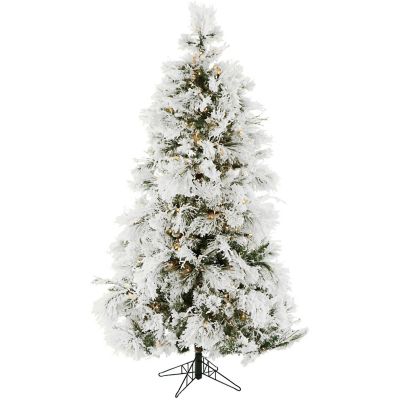
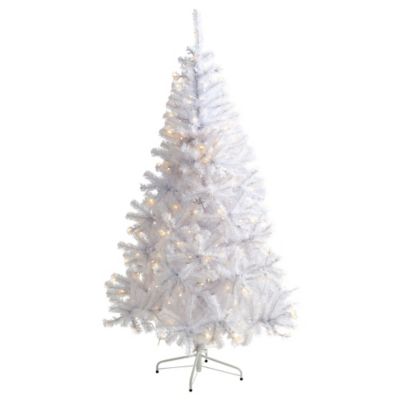
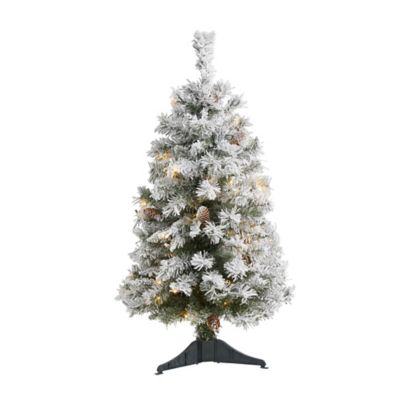
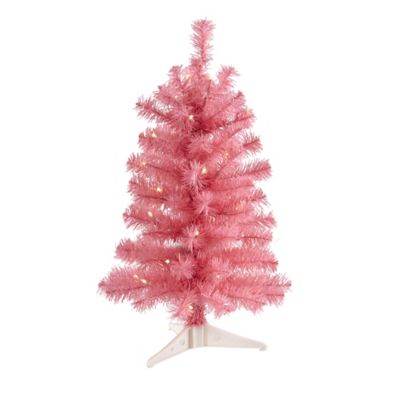
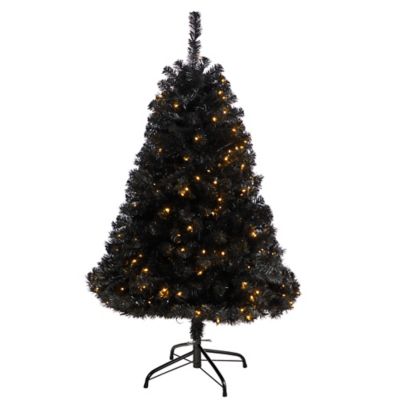
An artificial Christmas tree is meant to come out for more than one celebration, so its frame, branch connections, and storage needs deserve a close look. Hinged branches stay attached to the center pole and fold for storage; hook-in branches attach separately and may call for more sorting during setup. Either style can take some shaping after unpacking, since compressed tips need space to spread into their intended position. Gently separating the smaller sprigs helps conceal gaps and brings out the layered look of the foliage. Handling branches near their supports rather than pulling hard on the tips helps protect both the needles and the underlying frame. Care is usually straightforward, but the manufacturer’s directions should set the limits, especially for flocked branches, built-in lights, and electrical connections. Light dust can often be lifted with a soft cloth or a gentle brush, while soaking or spraying an electrical tree can damage its components. A storage bag or container sized for the tree keeps the sections together without forcing branches into sharp bends. A dry indoor storage spot helps protect the frame, foliage, and wiring between Christmas celebrations; damp outbuildings and spaces with large temperature swings may be harder on those materials. Trees with flocking bring a snow-covered look indoors, though the finish may shed during handling and needs gentler packing. For a classic country Christmas, natural green branches pair easily with plaid ribbon, wooden ornaments, pinecones, and strings of warm lights. A different color can change the whole mood, and
Black Artificial Christmas Trees offer a striking backdrop for white, silver, or richly colored ornaments. Whether the tree holds generations of keepsakes or starts a new tradition in a first home, its shape and features should suit the household. A tree can also make a thoughtful gift for someone setting up a new place, provided the size, storage space, and preferred lighting are a good match. A convincing evergreen appearance, manageable setup, and sensible care all help make it a welcome part of Christmas gatherings year after year.