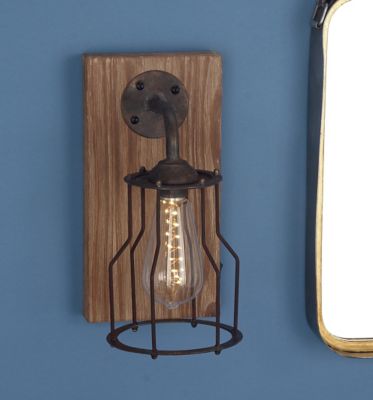
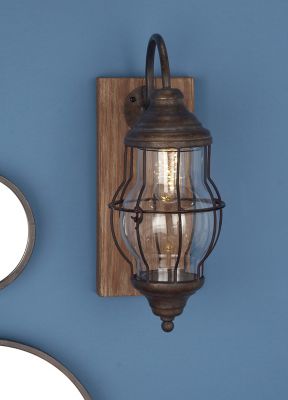
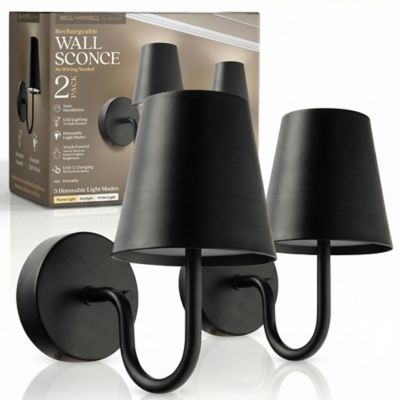
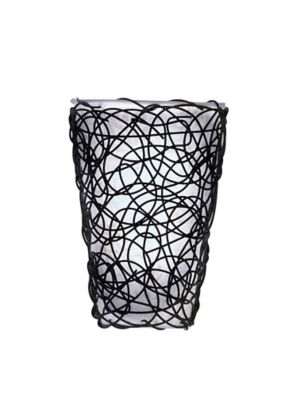
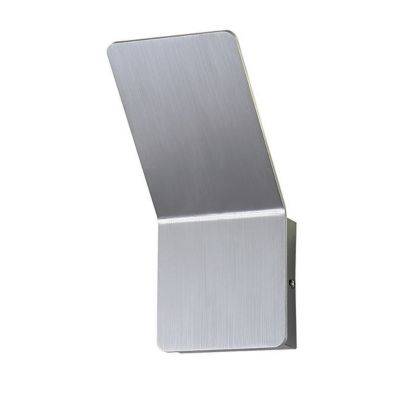
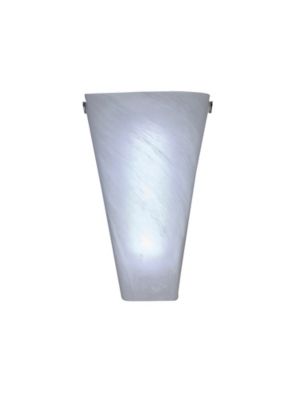
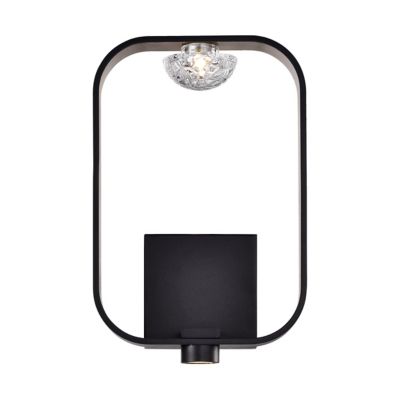
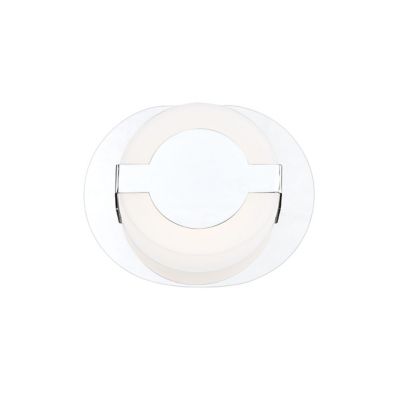
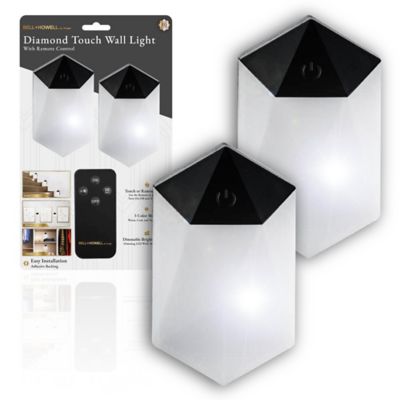
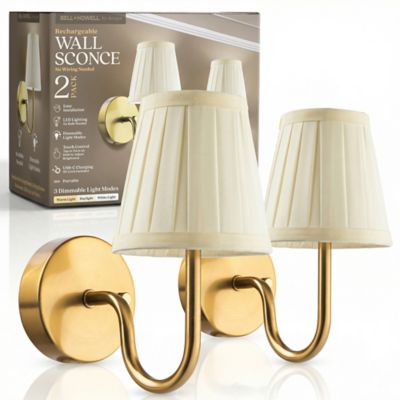
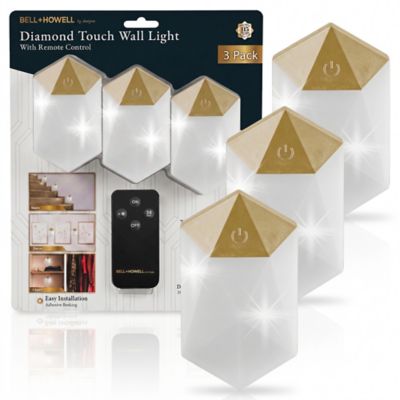
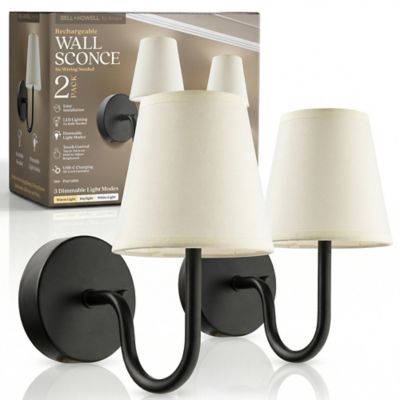
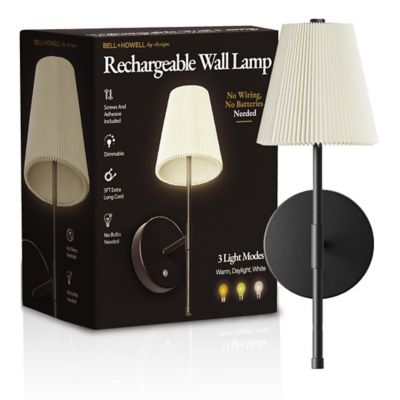
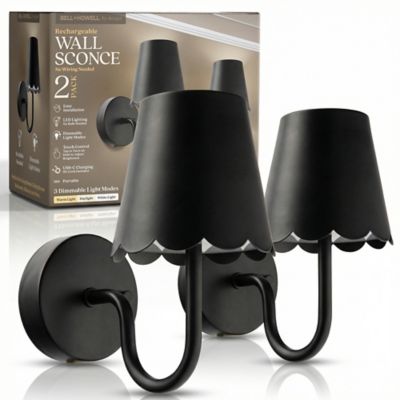
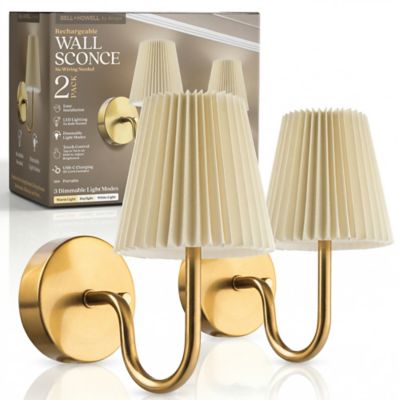
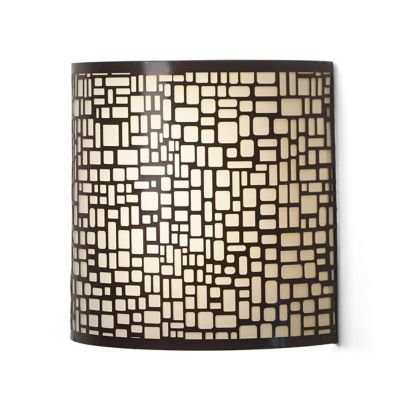
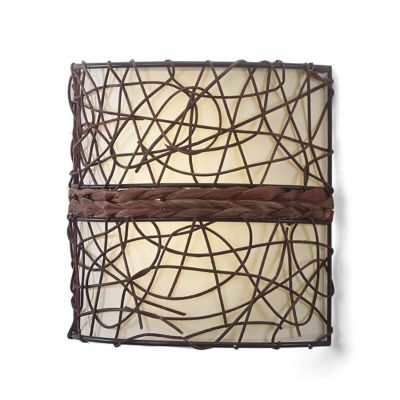
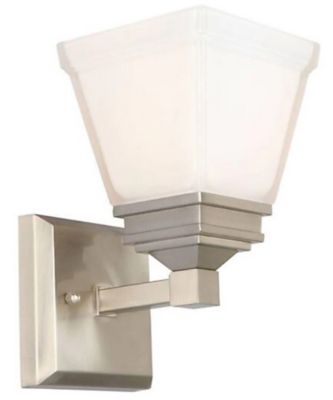
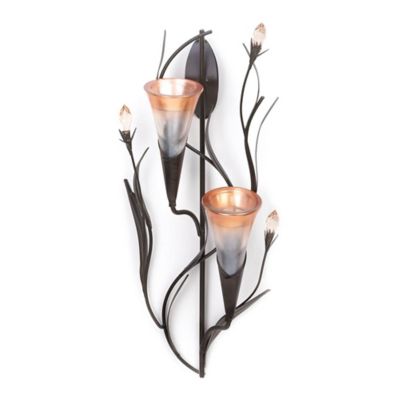
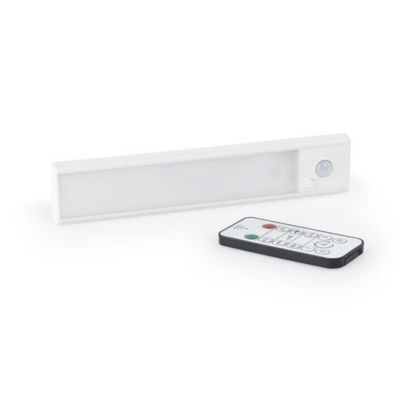
Indoor LED wall sconces bring useful light to the places where overhead fixtures often fall short, while adding a finished look to a room. Mounted on the wall, these fixtures can brighten a dark hallway, cast a soft glow beside the bed, or put focused light over a reading chair without taking up floor or table space. LED technology helps keep energy use lower than many traditional lighting options, and integrated LED designs generally do not need frequent bulb changes. That can be especially handy in a stairwell, entryway, guest room, or high-ceilinged space where changing a bulb is a chore. Styles range from clean, modern bars and simple round shades to farmhouse-inspired shapes, industrial details, and mid-century geometric designs. Common finishes include matte black, brushed nickel, bronze, brass, and white, making it easier to coordinate with cabinet hardware, door handles, curtain rods, or other room accents. When choosing indoor LED wall sconces, start with the way the light will be used. A fixture for relaxed evening light beside a bed may look best with a warm color temperature around 2700K to 3000K, while a hallway, work area, or vanity may benefit from a brighter neutral or daylight tone. Some LED sconces offer selectable color temperatures, allowing the same fixture to feel cozy during quiet evenings and crisp during morning routines. Dimmable options give even more control, but the fixture and wall dimmer must be compatible. Check the listed lumens as well as the wattage; lumens describe the amount of light produced, while wattage describes energy use. A modest output may be all that is needed for accent lighting, while a pair of brighter sconces can provide more balanced task lighting on either side of a mirror, artwork, fireplace, or bed.
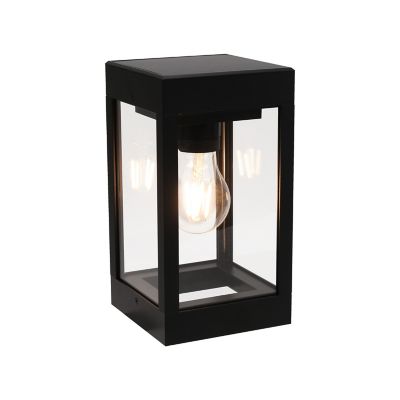
The power source is another important part of the decision. Hardwired wall sconces are connected directly to the home’s electrical wiring and offer a neat, permanent appearance with no visible cord. They are a good fit for new construction, remodels, or locations where a junction box and switch are already available, but installation should be handled by a qualified electrician when new wiring is required. Plug-in sconces can be installed with less disruption and work well in rentals, finished rooms, and spaces where adding electrical wiring is not practical. Look for cord covers or plan the cord path carefully so it stays tidy and clear of walkways. Rechargeable or battery-operated sconces can bring light to a closet, cabin room, hallway, or other spot without an outlet nearby, and they are useful when a no-cord look matters. Before mounting any style, measure the wall area, note the location of studs or an electrical box, and compare the fixture’s height and projection with nearby furniture. A sconce that sticks out too far can crowd a narrow passage, while one that is too small may disappear on a broad wall. Beside a bed, mount the light where the switch is easy to reach and the shade does not shine directly into your eyes. In a hallway, matching sconces placed at even intervals create a steady pool of light and help the space feel welcoming instead of shadowy. For a bathroom or vanity, choose a fixture rated for the intended location and place lights at face level when possible to reduce harsh shadows. Indoor fixtures should not be used in exposed outdoor locations; for porches, barns, covered entries, and other areas subject to dampness or weather, look for purpose-built
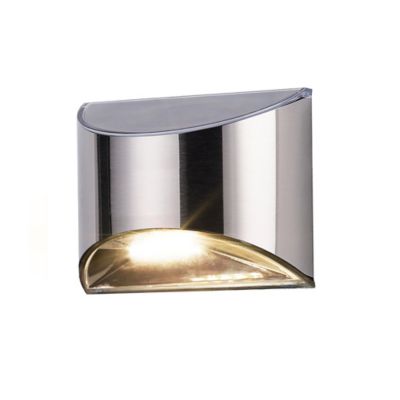
Weather Resistant Outdoor Wall Lights instead.
Indoor LED wall sconces also make practical gifts for homeowners, renters, college students, and anyone settling into a new place. A pair can help finish a bedroom makeover, while a single fixture can add character to a reading nook, home office, mudroom, or guest room. They are a thoughtful choice for someone who enjoys making a house feel more comfortable but may not have much room for another lamp or piece of furniture. During the cooler months, when evenings arrive earlier and people spend more time indoors, a warm wall light can make a kitchen corner, den, or entryway feel more inviting without flooding the room with overhead brightness. In a rural home, sconces can be especially useful in long hallways, stair landings, enclosed porches, and older rooms where outlets are limited or ceiling lighting does not reach every corner. Consider the room’s existing colors and textures before choosing a finish: black can add definition against light walls, brass brings a warmer traditional touch, and brushed metal pairs easily with modern fixtures. Frosted or fabric-like shades soften the beam, while clear or open designs may provide a brighter, more direct effect. Read the installation details for bulb type, integrated LED specifications, dimming capability, color temperature, mounting hardware, and any damp-location rating. It is also worth checking whether the light shines up, down, outward, or in more than one direction, since that changes both the mood and the amount of usable illumination. The best choice is one that fits the wall, suits the way the room is used, and gives you comfortable control over brightness from morning chores to late-night reading.