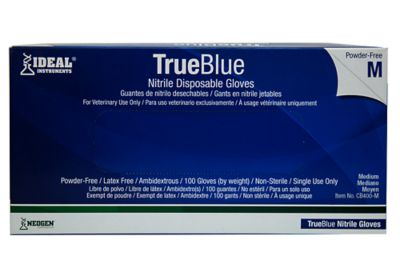
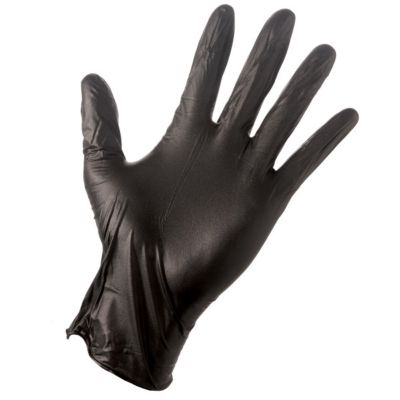
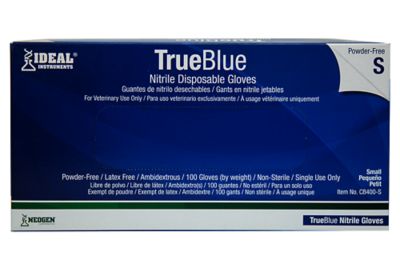
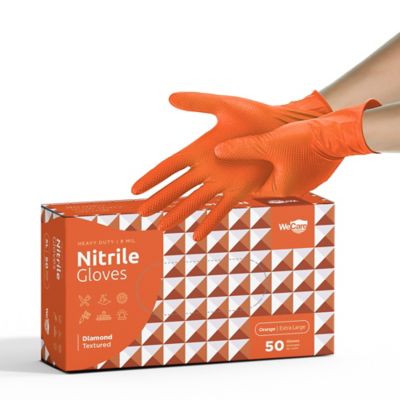
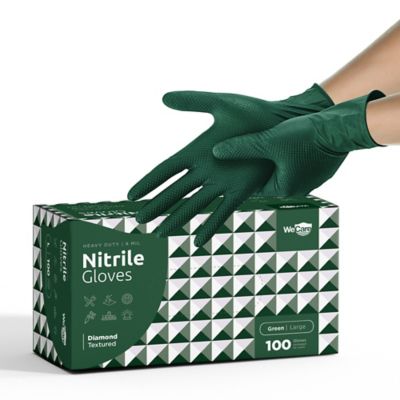
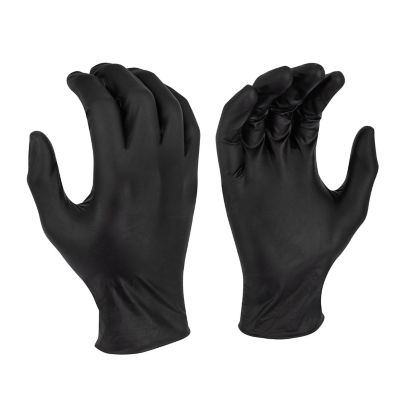
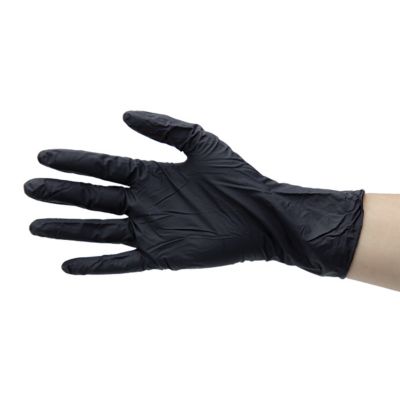
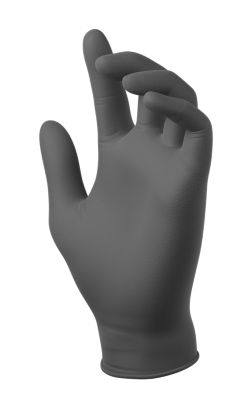
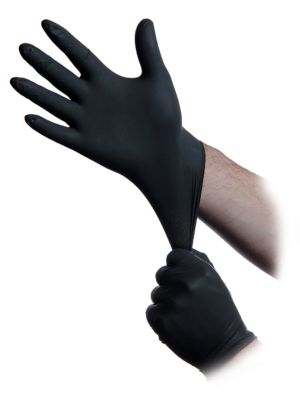
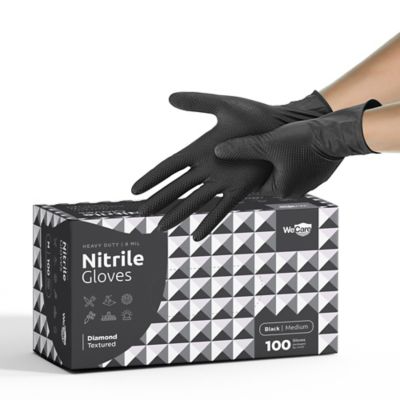
Powder free nitrile gloves are a dependable choice for keeping hands cleaner and better protected during everyday work around the farm, shop, home, and workplace. Made from synthetic rubber, nitrile gloves do not contain natural latex proteins, making them a useful option for people with latex sensitivities or for shared work areas where a latex-free glove is preferred. The powder-free design also helps avoid the white residue that can transfer to tools, food, equipment, countertops, and other surfaces. Whether you are checking livestock, cleaning a chicken coop, changing a mower’s oil, tending to a wound, handling soil, or wiping down a busy workbench, these disposable gloves create a convenient barrier between your hands and dirt, moisture, oils, grease, and many common household or workplace messes. They are especially handy when a job calls for frequent glove changes, since you can pull on a fresh pair without washing and drying your hands between every task. For a broader look at available styles and uses, visit
Nitrile Gloves. Keep in mind that disposable gloves are not a substitute for safe handling practices, and no glove protects against every chemical, sharp object, or heat source. Always check the glove’s intended use and the chemical manufacturer’s instructions before working with solvents, pesticides, fuels, disinfectants, or other strong substances.
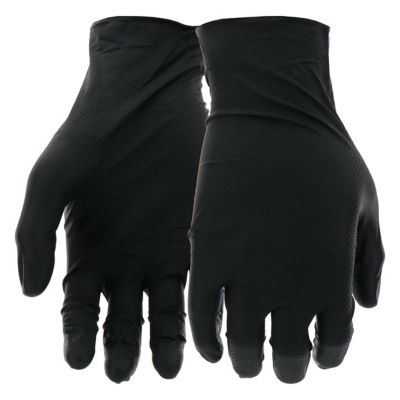
The right glove thickness depends on the kind of work in front of you. Thin nitrile gloves, often around 3 to 4 mil, offer a close fit and good touch sensitivity for light cleaning, food preparation, basic first aid, grooming, painting, and detail work where you need to feel small parts or fasteners. Standard thicknesses around 5 to 6 mil provide a useful balance of flexibility, durability, and hand feel for general maintenance, janitorial work, animal care, laboratory tasks, and routine shop projects. For automotive repairs, deep cleaning, rougher outdoor chores, or jobs involving more contact with grease and grime, heavy-duty gloves of 7 mil or more can provide added resistance to tearing and punctures. Nitrile is known for offering strong puncture resistance compared with many lighter disposable glove materials, though the actual performance depends on the glove’s thickness, fit, formulation, and the task. A snug but comfortable fit is important: gloves that are too loose can catch on equipment, while gloves that are too tight may fatigue your hands or split at the fingertips. Measure around the widest part of your hand and compare that measurement with the sizing information provided for the gloves. If you fall between sizes, consider how long you will wear them and whether you need room for movement. Textured fingertips or palms can be helpful when handling wet tools, slick bottles, metal parts, or feed containers, while a smooth finish may make gloves easier to pull on and off for quick jobs. A rolled cuff can help keep the glove from unrolling and makes it easier to locate a fresh pair in a work area.
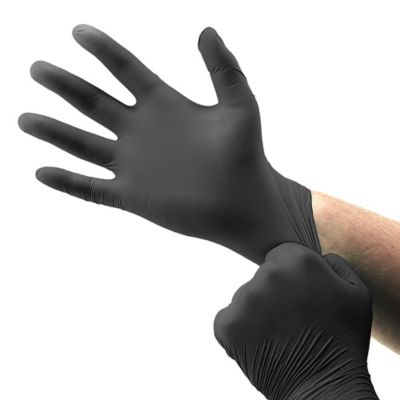
Powder free nitrile gloves fit into plenty of routines, from the small chores that come up before breakfast to the messier jobs that stretch into the afternoon. Gardeners use them while mixing potting soil, pulling weeds, trimming plants, or working with fertilizer and outdoor treatments. Pet owners and livestock keepers may reach for a pair during grooming, cleaning kennels, treating minor scrapes, or handling wet bedding and feed. In the garage, they help keep grease and brake dust off hands while leaving enough dexterity to sort washers, tighten clamps, or wipe down a tool. During warmer weather, they are useful for cleaning outdoor furniture, maintaining equipment, and handling muddy projects; during the cooler months, they can help protect hands while tackling indoor repairs, deep cleaning, craft work, and seasonal maintenance. Restaurants, concession stands, school programs, offices, and care facilities may also keep boxes on hand for food service, cleanup, and routine sanitation. They make a practical addition to a workshop, utility room, first-aid cabinet, or vehicle emergency kit, and a box can be a thoughtful, useful gift for someone who enjoys woodworking, auto repair, gardening, hunting, grooming animals, or working on a small acreage. Store gloves in a cool, dry place away from direct sunlight, moisture, and sharp edges. Before putting them on, check for tears or damage, then choose a fresh pair for each task and replace them if they become ripped, heavily soiled, or contaminated. Remove gloves carefully by turning them inside out as you pull them off, dispose of them according to local requirements, and wash your hands afterward.