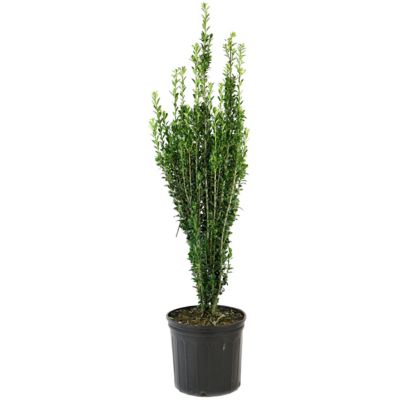
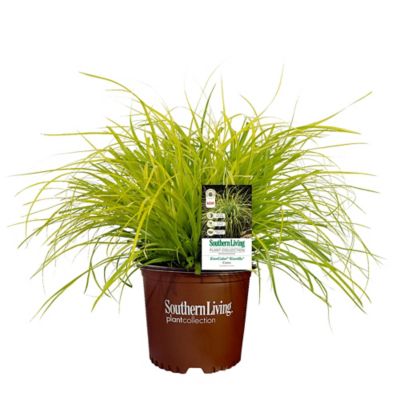
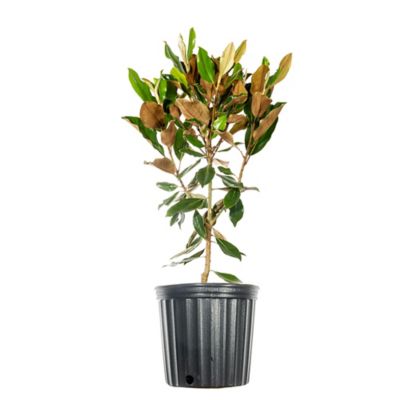
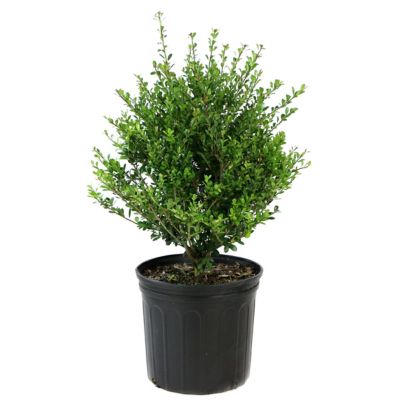
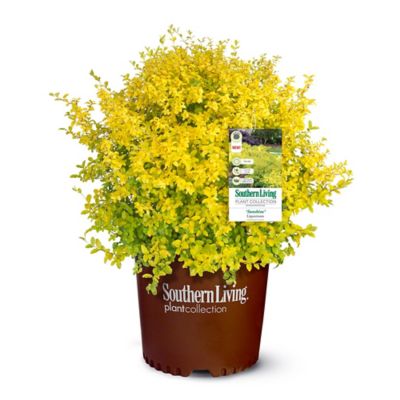
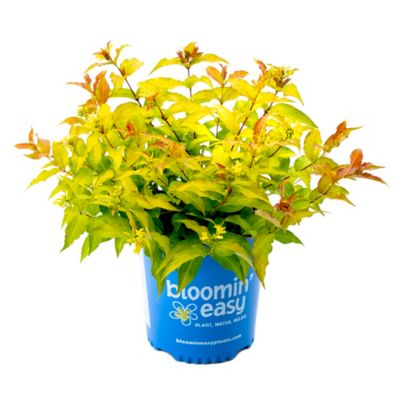
Landscaping for curb appeal brings together plants, defined beds, clear walkways, and well-placed lighting to make a home look welcoming from the road to the front steps. The strongest combinations suit the house and leave room for everyday life, whether that means carrying groceries up the walk or keeping the driveway clear for a pickup and trailer. On a broad farmhouse frontage, generous planting beds and groups of shrubs can look more balanced than a scattering of small plants. Beside a compact porch or narrow entry, smaller plant varieties and modest containers help keep the doorway in view. A cottage-style home often pairs naturally with relaxed planting shapes, while a home with straight architectural lines may suit simpler beds and repeated plant forms. Layered planting adds depth: taller shrubs form a backdrop, midsize plants fill the middle, and low-growing flowers or ground covers soften the front edge. That arrangement works best when the mature height and spread of each plant fit the space, rather than just its size at planting. Windows, house numbers, utility access, and sightlines near the driveway all need breathing room. Native plants suited to the region can support local wildlife and help connect a front yard with the surrounding landscape, though their sunlight, soil, and moisture needs still matter. Lawn areas give the eye a resting place between beds, and a tidy boundary helps both the grass and plantings look intentional. For homeowners working with a long fence line, a gravel drive, or a small patch beside the steps, landscaping supplies support the same basic goal: an entrance that feels cared for without becoming a chore to maintain. Repeating a few plant shapes, material finishes, or colors across the frontage can tie separate areas together. There is no need for every corner to match; a little consistency lets the porch, walkway, and planting beds feel like parts of the same property.
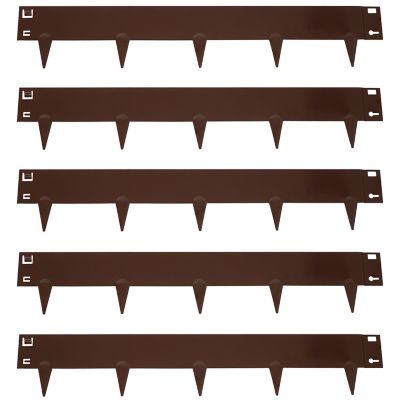
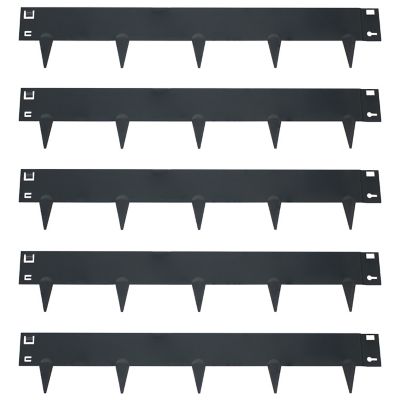
The materials around those plantings do much of the work of keeping the landscape orderly. Landscape edging separates lawn from planting beds, helps contain loose ground coverings, and gives mowing and trimming a clearer boundary. Different profiles suit different jobs, from a nearly hidden division along a straight walk to a raised border around a generous front bed. The
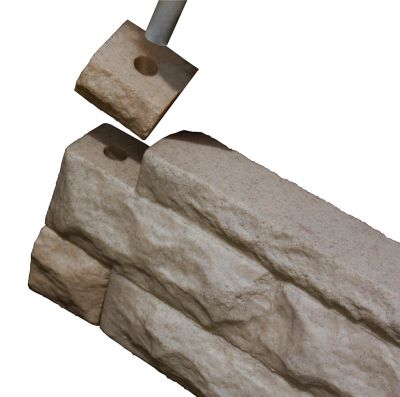
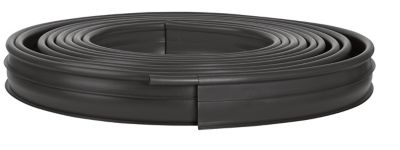
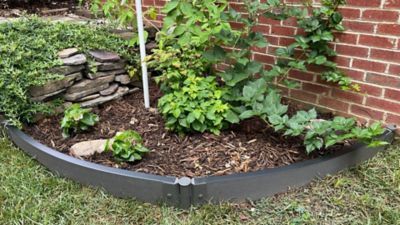
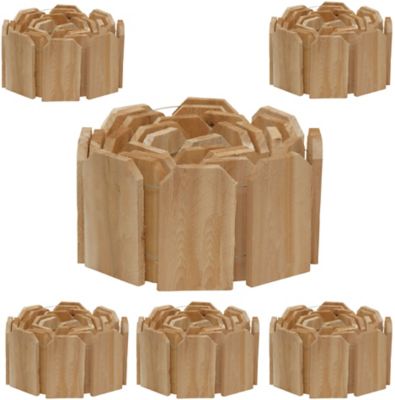
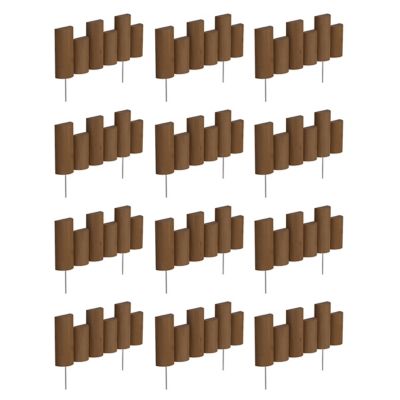
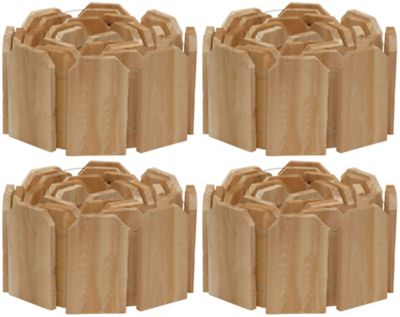
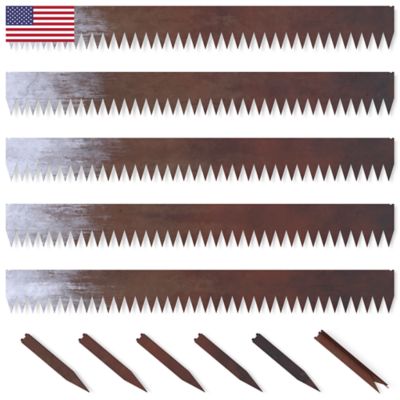
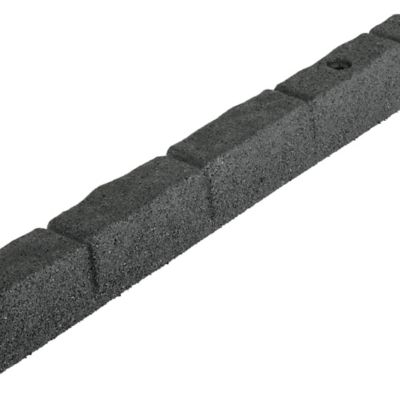
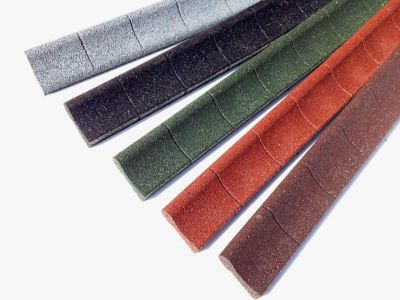
Landscape Edgings collection centers on that finishing detail, which can make a substantial difference in how a yard reads from the street. Material choice affects appearance, upkeep, and how a border fits the ground. Flexible edging can follow rounded beds, while rigid sections lend themselves to straight runs and defined corners. Metal offers a slim profile, plastic is generally lightweight and easy to handle, and stone or concrete gives a border more visual weight. Wood brings a familiar look alongside porches and fences, with suitability for ground contact depending on the material and treatment. Connections, anchoring requirements, installed height, and compatibility with curves all matter as much as color. Along a lawn, a low edge can make mower access easier; beside a walkway, a raised edge needs enough separation to avoid becoming a trip hazard. Ground coverings contribute another layer of texture and function. Organic mulch helps limit moisture loss from soil and breaks down over time, while mineral coverings remain in place longer but can be harder to separate from soil when a bed changes. Neither replaces a good planting layout or regular attention to weeds. Keeping loose material off walking surfaces and away from direct contact with siding helps the whole frontage stay neat. Containers add definition where an in-ground bed does not fit, such as beside steps or along a paved entry. Their footprint, filled weight, drainage openings, and room for roots determine whether they belong in a particular spot. A broad, stable container may suit an open porch corner, while a narrower shape leaves more walking space near a door.
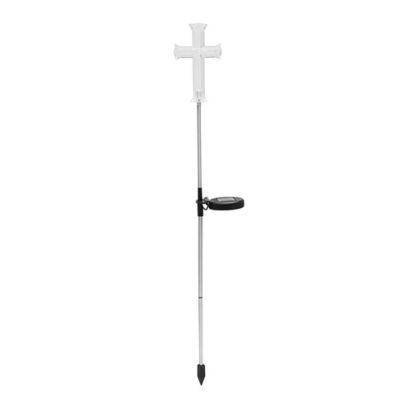
Lighting, watering supplies, and landscape maintenance tools help keep that finished look practical for the people who live there. Entry lighting should make steps, changes in elevation, and the route to the door easier to see without shining into bedroom windows or distracting drivers. Fixture height and spacing affect the result: a few well-positioned lights can define a path more clearly than a crowded row of bright points. Solar lighting depends on sufficient direct sunlight at the panel, while wired systems require attention to power sources, cable routing, and installation requirements. Outdoor electrical components need ratings appropriate to their location, and cords or connections should never create an obstacle across a walkway. Watering equipment also needs to fit the layout rather than dictate it. A hose that reaches the front beds without dragging through plants is easier to manage, and targeted watering can deliver moisture near roots without soaking the entry path. Container plantings and in-ground beds may need different watering routines because their soil volume and drainage differ. For day-to-day upkeep, tool length, grip comfort, weight, and cutting capacity influence how manageable the work feels. Someone tending a few porch-side shrubs has different needs from a property owner maintaining a long frontage, and equipment that is comfortable to carry gets more practical use. Storage space matters, too, especially when tools share a shed with feed, fencing supplies, or other property essentials. Cleaning soil from working surfaces, following care directions, and checking fasteners and connections help protect the investment in those supplies. An occasional look at settled borders, spreading plants, and loose ground covering can catch small problems before they interfere with mowing or walking. The result is curb appeal with a purpose: room to open the gate, a clear path for visitors, visible steps, and planting beds that frame the home instead of hiding it. From a small-town lot to a house set back off a country road, well-matched landscaping materials make the approach feel welcoming and keep routine care within reach.