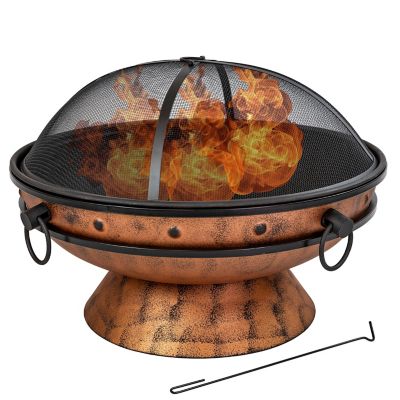
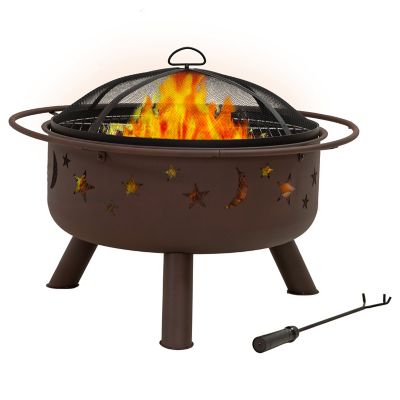
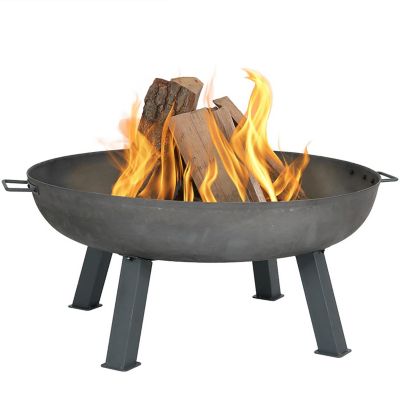
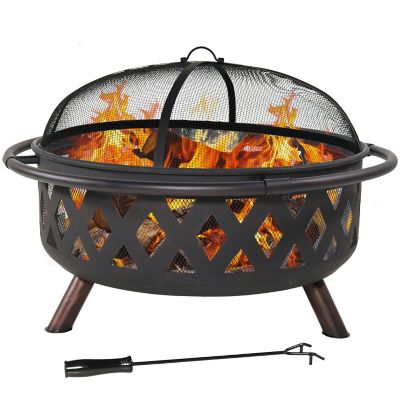
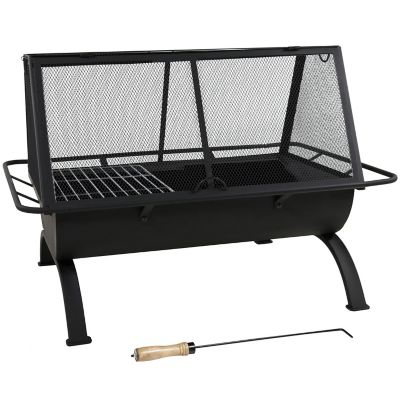
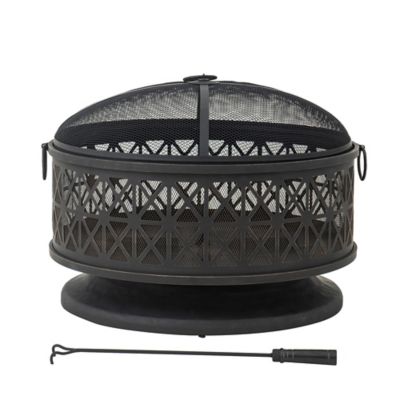
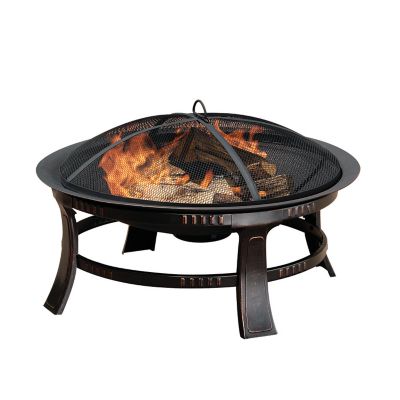
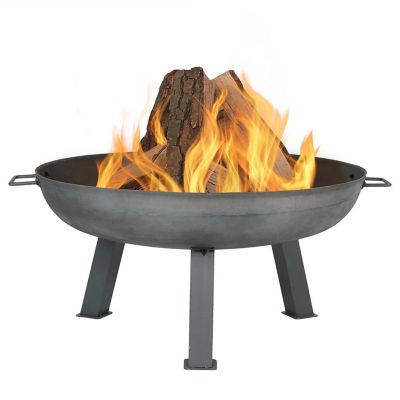
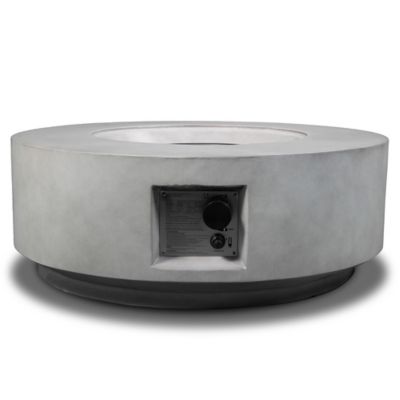
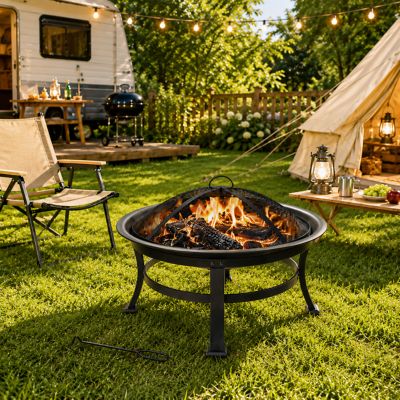
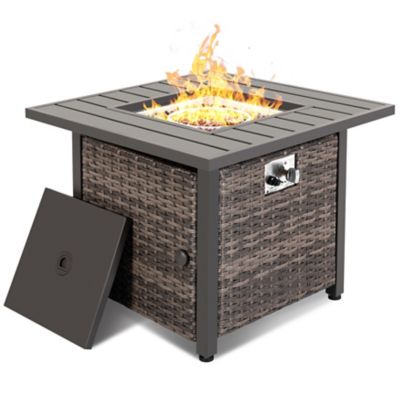
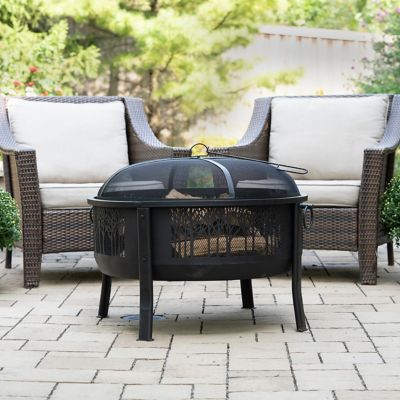
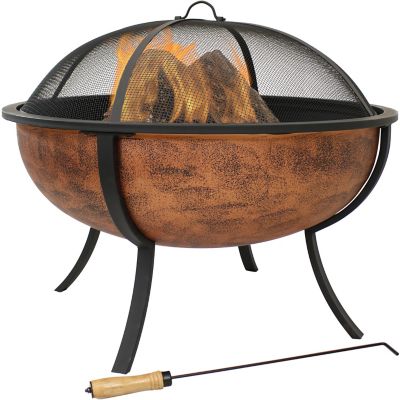
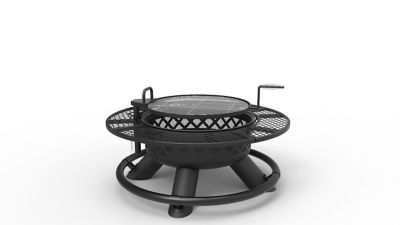
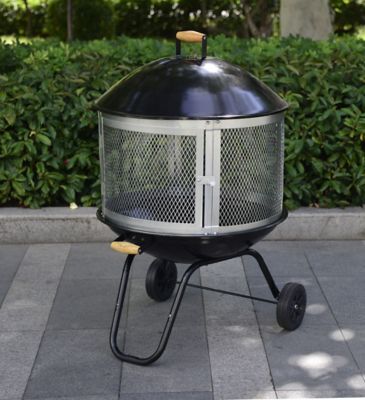
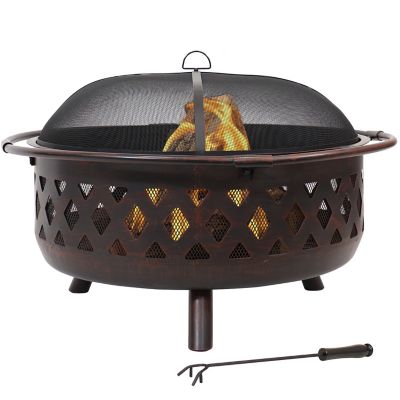
A 30-inch fire pit brings a gathering spot to the backyard without calling for a sprawling outdoor setup. This size generally falls in the middle of the range for residential fire pits, offering a noticeable focal point while leaving room for seating in a properly sized space. The measurement deserves a closer look, though: 30 inches may describe the fire bowl, the outside diameter, or the width of a tabletop, depending on the design. A surrounding ledge, handles, or an extended base can make the overall footprint larger than the burning area. Overall dimensions and the manufacturer’s required clearances give a better picture of how a fire pit will fit than the size in its name alone. Round bowls lend themselves to chairs arranged in a loose circle, while square fire pit tables can sit neatly within a more structured seating layout. Neither shape takes the place of adequate separation from buildings, fences, branches, and anything that can catch fire. A level, noncombustible surface and an open outdoor location are important parts of the setup; grass, a wood deck, or an enclosed porch should never be assumed suitable. Within the right space, a 30-inch backyard fire pit can suit a couple settling in after chores or a few friends pulling up chairs after supper. The seating area needs enough room for people to move around without stepping close to the bowl, especially when children or pets are nearby. Height matters as much as width for everyday comfort. A low bowl keeps the flames in clear view, while a taller table-style design changes the sightline and may provide a border around the burner. That border is not automatically a safe place for drinks or other belongings, so its intended purpose matters. For a housewarming gift or a shared family purchase, the recipient’s outdoor layout, preferred fuel, and willingness to handle routine upkeep all count more than appearance alone.
Fuel type shapes much of the experience with 30-inch fire pits. Wood-burning bowls offer the familiar snap of a log fire, the sight of glowing embers, and the hands-on routine of building and tending a flame. They suit folks who enjoy splitting kindling, keeping firewood nearby, and spending a little time around the fire rather than simply switching it on. The
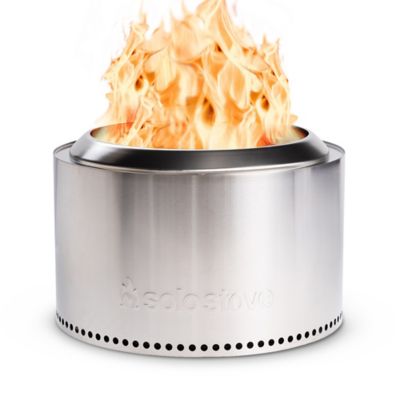
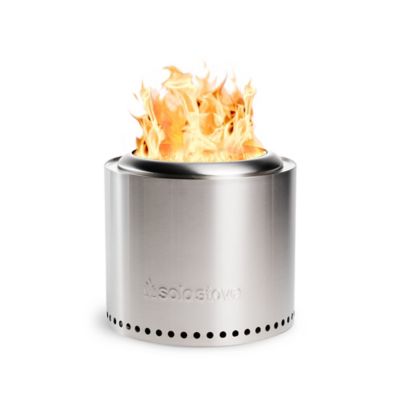
Wood Burning Fire Pits category centers on that traditional backyard experience, with bowl shape, airflow, and firebox depth influencing how a fire burns. A 30-inch outside measurement does not establish the maximum log length or fuel capacity; those depend on the actual fire chamber and its instructions. Dry, seasoned firewood helps a properly tended fire burn more cleanly, while painted lumber, pressure-treated scraps, trash, and other unapproved materials do not belong in the bowl. Propane fire pits take a different approach, pairing an approved gas supply with a burner and controls for flame adjustment. They eliminate the routine of loading logs and clearing wood ash, though tank placement, hose routing, connection checks, and ventilation still require attention. Some table-style designs provide space for a cylinder inside the base, while others call for a separate location, so the full setup may extend beyond the table itself. Gas flames generally produce less smoke than a wood fire, but any fuel-burning fire pit still needs the outdoor placement and ventilation specified by its manufacturer. Double-wall wood-burning designs may support secondary combustion to reduce smoke once the fire is established and operating as intended; that does not mean every burn will be smoke-free. Cooking is another distinction worth checking. A fire bowl is not automatically a grill, and a mesh spark screen is not a cooking surface. Roasting or grilling belongs only on equipment approved for that purpose, with the proper food-contact grate or accessories. For a household that pictures camp-style meals alongside conversation, that detail can make a real difference in which design fits the occasion.
Materials, construction, and care determine how a 30-inch outdoor fire pit holds up to repeated fires and time between gatherings. Steel is common in portable bowls because it can balance strength with manageable weight, but thickness, welds, leg attachments, and the finish all affect how the structure performs. Heavier steel generally adds weight and can better resist distortion from heat than thinner material, though construction and proper firing practices also matter. Cast iron tends to be heavier, making it better suited to a spot where frequent moving is not part of the routine. Stainless steel offers corrosion resistance, but it can still discolor from heat and needs cleaning suited to its surface. High-temperature coatings help protect compatible metal surfaces, yet scratches and worn areas may need attention according to the manufacturer’s directions. Stone-look or tile surrounds bring another set of considerations, including overall weight, joint condition, and approved cleaning methods. For a portable fire pit, manageable weight and secure handles matter when carrying the fully cooled unit between its storage spot and the seating area. A steady base matters once it is in place, particularly where paving joints or an uneven surface could leave a leg rocking. Accessories can make tending and storage simpler, but the details vary by design. A properly fitted spark screen helps limit escaping embers without eliminating the need for supervision, and a suitable poker provides reach when adjusting wood. A fitted cover helps keep debris and moisture out during storage, provided the fire pit is completely extinguished and cool before covering. Wood ash should be cleared as directed after it has fully cooled, with disposal in a metal container with a lid, kept away from combustible materials. Gas models need burner openings kept clear and fuel-system checks performed according to their instructions. Whether the goal is a simple bowl beside the backyard seating area or a fire table for relaxed visits, the best fit balances the full footprint, fuel routine, solid footing, and care the household can keep up with. Those practical details help keep the focus where it belongs: an evening outdoors with good company.