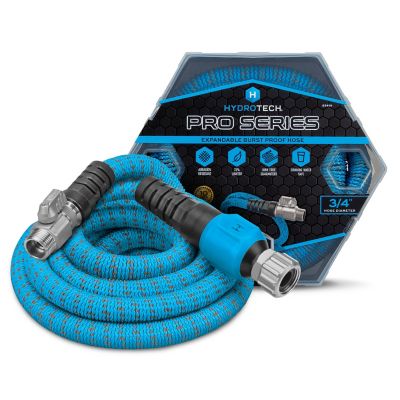
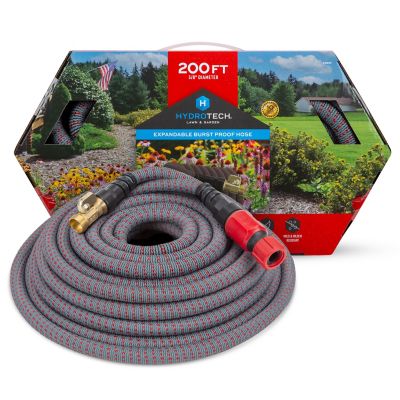
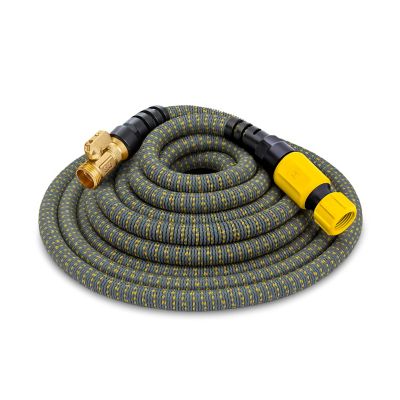
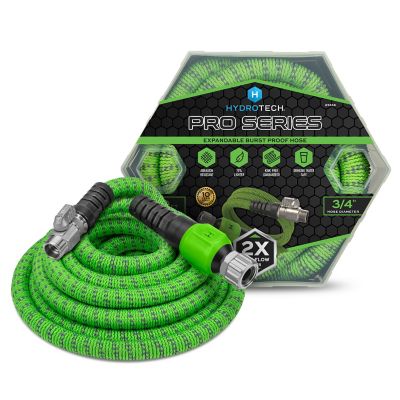
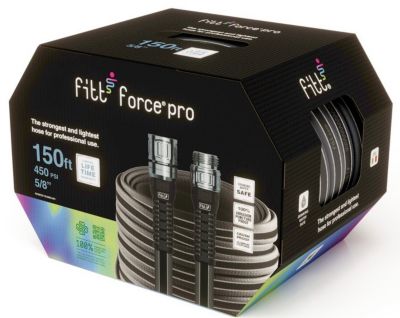
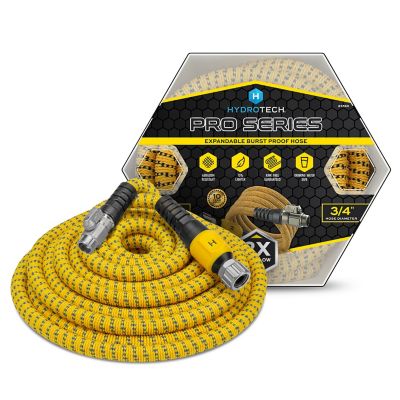
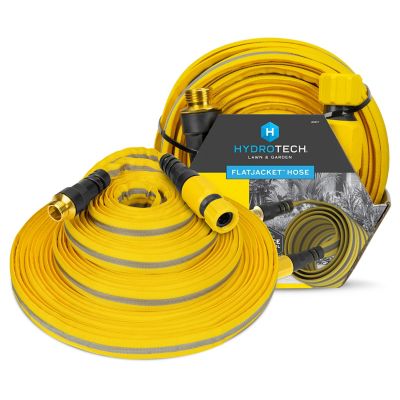
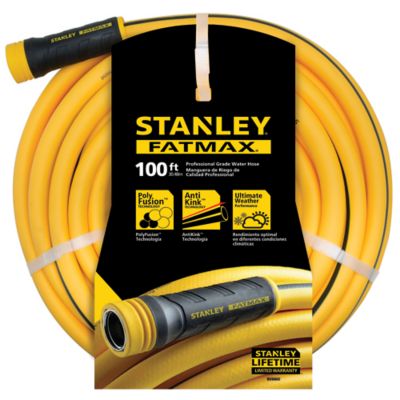
Large diameter garden hoses have a wider inside opening, commonly 3/4 inch or 1 inch, that can carry more water with less friction loss than a smaller hose of the same length under comparable conditions. That extra capacity comes in handy on properties where watering means more than tending a few pots by the porch. Filling a stock tank, supplying a sprinkler across a broad lawn, or reaching a vegetable patch beyond the barn can call for a hose that keeps water moving over a longer run. For many higher-flow watering jobs,
3/4-inch garden hoses offer a practical balance between water delivery and everyday handling. A 1-inch hose may suit applications with greater flow demands, provided the water source and connections can support it. A wider hose does not create extra pressure or increase the capacity of a well pump or faucet; its advantage is reducing the restriction along the hose itself. Actual delivery still depends on the source, hose length, elevation changes, fittings, and whatever attachment sits at the far end. A narrow nozzle or restrictive connector can limit the benefit of a larger opening. On a small acreage, that distinction matters when the same outdoor faucet serves a tank near the pasture gate and a sprinkler farther out in the yard. Large diameter garden hoses fit the needs of gardeners, livestock owners, grounds crews, and anyone whose regular chores involve moving a substantial amount of water. Their value is easiest to see in repeated tasks: topping off a watering trough, soaking a newly planted row, or rinsing soil from a wheelbarrow before putting it away. The right setup pairs the hose’s capacity with the job rather than treating diameter alone as a measure of performance. Even a substantial hose works best when its length, connections, and watering attachment suit the route from the spigot to the work area.
Construction makes a noticeable difference in how a large hose feels across a full day of chores. Rubber, vinyl, and hybrid blends each bring different combinations of flexibility, weight, and resistance to wear. Rubber hoses often have a substantial feel and remain flexible through repeated handling, while vinyl construction can reduce carrying weight. Hybrid materials vary by design, so the stated construction and performance ratings matter more than the material name alone. Reinforcement between layers helps a hose hold its shape under pressure, and an abrasion-resistant outer cover is worth considering where the route crosses gravel, concrete, or the edge of a barn aisle. Kink resistance matters, too, especially around fence corners and raised beds, though any hose can fold sharply if it catches under a wheel or gets pulled around a tight turn. A larger inside diameter also means more water weight once the hose is full. That extra weight can be noticeable when pulling a long stretch uphill or gathering it onto a reel, making length and handling just as important as flow. A hose long enough to reach the far bed without stretching across a walkway is useful; a great deal of extra length adds weight and friction without helping the task. End fittings deserve the same attention as the hose body. Brass, aluminum, and other coupling materials differ in weight and resistance to wear, while a comfortable gripping surface makes connections easier with damp hands. The hose’s inside diameter and its thread size are separate measurements, so a wider opening does not by itself establish whether the ends fit an existing spigot, sprinkler, or reel. Some larger hoses have connections that call for an adapter. Sound washers, compatible threads, and properly seated fittings help keep water at the working end instead of dripping beside the faucet. Hose reels, quick-connect fittings, and shutoff valves also need suitable connections and flow capacity to avoid narrowing an otherwise roomy water path.
Day-to-day use is where those details come together. A hose that stays beside a stock tank has different handling demands from one pulled between garden rows, across a lawn, and back to a shed every day. For stationary jobs, capacity and connection fit may take priority; for frequent moves, flexibility, manageable length, and a comfortable coupling can make the work less awkward. Watering attachments should match the task as well. A gentle spray suits tender plants, while a higher-volume outlet can make sense for filling a tank or rinsing equipment, as long as the water source can keep up. When water is intended for people or animals to drink, the manufacturer’s stated suitability for potable water deserves attention rather than assuming every garden hose serves that purpose. Keeping the outlet out of standing tank water and using appropriate backflow protection helps separate the water supply from the receiving container. Routine care also supports a longer service life. Dragging a hose over sharp edges, pulling it by the nozzle, or leaving it beneath vehicle tires puts strain on the cover and connections. Broad coils or a correctly sized reel help prevent tight bends, and a reel’s capacity needs to account for hose diameter as well as length. A larger hose may take up more room than a reel’s stated footage suggests if that rating applies to a smaller diameter. Releasing pressure, draining water before storage, and keeping the hose away from sharp tools and machinery reduce unnecessary wear. Periodic checks around the couplings can reveal a flattened washer, loose connection, or damaged section before it interrupts a watering job. For a busy home place, garden plot, or working property, large diameter garden hoses bring useful water-carrying capacity to familiar chores, with the best fit depending on how far the water needs to travel and how often the hose needs to move.