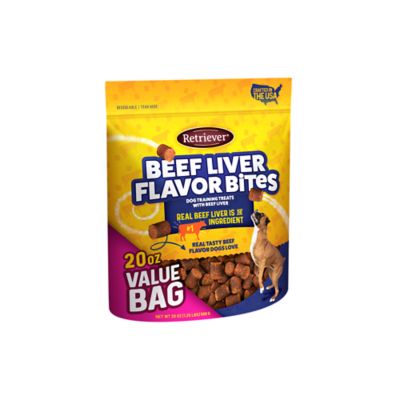
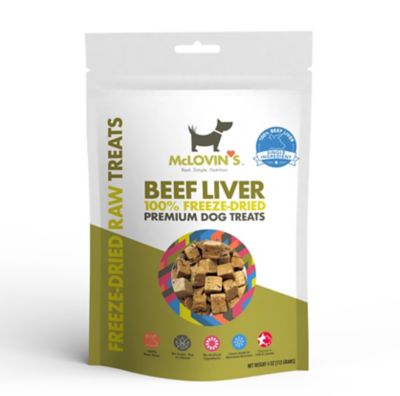
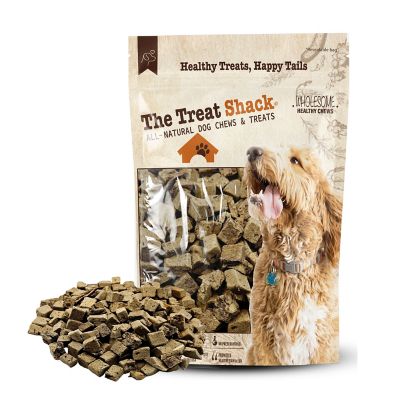
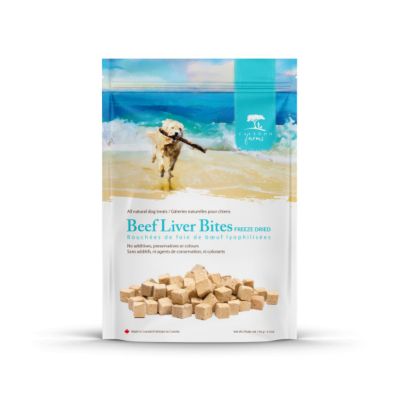
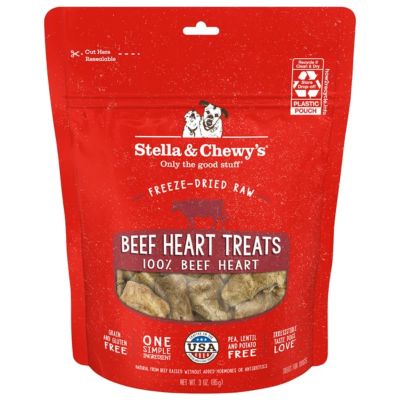
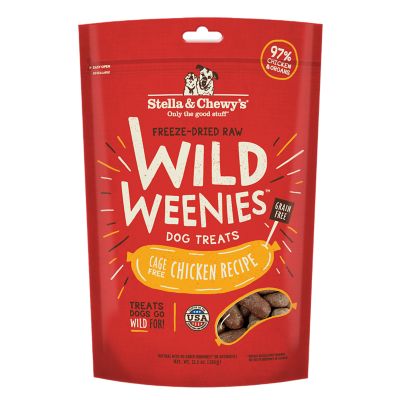
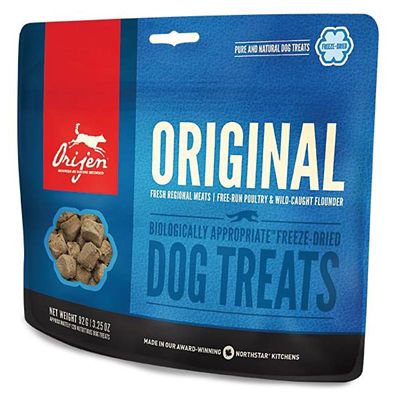
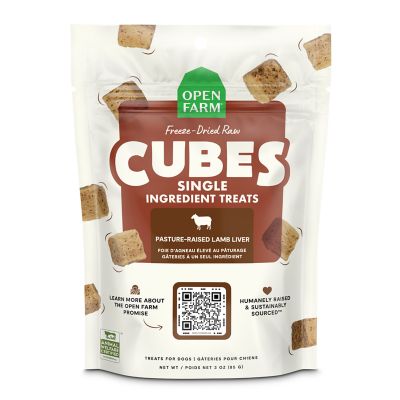
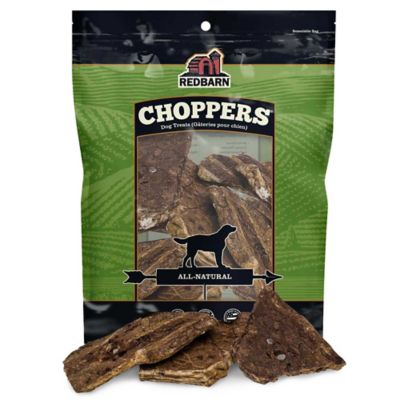
Beef liver dog treats are rewards made with beef liver, with options ranging from single-ingredient pieces to recipes that pair liver with other ingredients. Many single-ingredient varieties contain 100% beef liver, making the ingredient list straightforward to check. Freeze-dried and dehydrated beef liver treats are common forms, but those terms describe different processing methods rather than one standard texture. Freeze-drying removes moisture at low temperatures and often leaves light, porous pieces that crumble or break apart easily. Dehydration removes moisture through a drying process that commonly involves warm air, and the finished pieces may feel firmer or denser. Thickness, moisture content, and the recipe all affect how a treat handles, so the package description matters more than appearance alone. Beef liver naturally contains protein, iron, copper, and vitamin A, though the amount in any serving depends on the treat and portion size. Its rich aroma can make a small piece an appealing reward for a dog that barely notices a plain biscuit. For households keeping track of ingredients, a short ingredient list makes it easier to see exactly what goes into each bite. A single-ingredient label does not, however, establish where the beef came from or whether the liver was cooked before drying; sourcing and preparation details need their own label check. Piece size is another practical difference. Small cubes suit quick rewards, while larger chunks or strips may allow portions to be broken off as needed. Some pieces snap neatly, and others shed crumbs or resist breaking. Those details matter when treats need to fit a pocket pouch, come out quickly during a walk, or leave less mess on the kitchen floor. Package weight, calories per piece or gram, and storage directions help round out the comparison without assuming that every beef liver treat serves the same purpose.
For everyday training, beef liver dog treats fit the moments when a dog needs a clear reward for getting something right. A small bite can mark a calm sit beside the back door, a check-in along the walking lane, or four paws staying on the floor when company steps inside. The strong scent can help hold attention, but a reward still needs to be small enough that the dog can finish it and return to the task. A large chunk that takes several bites can interrupt the rhythm of leash practice or a short training session. For little dogs, appropriately sized pieces help keep portions manageable; for bigger dogs, a small reward may still be plenty when several repetitions are planned. Puppies need treats suited to their age, size, and ability to chew, and older dogs may need a texture that is easier on sensitive mouths. Freeze-dried does not automatically mean soft, so firmness deserves attention alongside size. A dog that gulps food may need a different shape or a more carefully portioned piece than one that chews slowly. Supervision matters with any treat, especially when introducing a new texture. These snacks generally serve as quick rewards rather than long-lasting chews, and they should not be counted on to clean teeth or keep a dog occupied for an extended stretch. Around a working property, a closed treat pouch helps keep rewards handy without scattering crumbs across a truck seat or jacket pocket. A pocketful of loose liver pieces can leave a noticeable smell behind, while a washable pouch separates the food from keys, gloves, and everything else that comes along for the day. For grooming practice, settling on a mat, or getting comfortable with a travel crate, small portions allow several rewards without handing over a full snack each time. Predictable portions also make it easier for everyone in the household to follow the same feeding plan.
Beef liver treats work best as a small part of a dog's overall diet, not as a replacement for regular meals. For most healthy dogs, all treats combined should provide no more than about 10% of daily calories, with the rest coming from complete and balanced food. That total includes training rewards, dental treats, table scraps, and anything tucked into a food toy. Calories vary between recipes and piece sizes, so the feeding information on the package is more useful than assuming every cube counts the same. Breaking a piece into smaller rewards can stretch a training session without increasing the amount fed. Liver is concentrated in certain nutrients, including vitamin A and copper, which is another reason to keep portions modest rather than offer it freely. Dogs with food sensitivities, a prescribed diet, or a condition affecting how they handle copper or other nutrients need a veterinarian's input before liver treats become part of the routine. Single-ingredient beef liver still contains beef protein and is not a fit for every food-allergy plan. Treats also serve a different purpose than
Dog Food With Liver; food chosen for everyday meals should be labeled complete and balanced for the dog's life stage. Storage and handling help keep treat time straightforward. Follow the package directions for resealing, refrigeration if required, and how soon to finish the contents after opening. A firmly closed bag or container helps protect dry pieces from moisture, while the original packaging keeps ingredient details, lot information, and feeding directions close at hand. Freeze-drying alone does not eliminate all harmful bacteria, and some liver treats are made from raw meat. Preparation details matter, particularly in homes with young children or people at greater risk from foodborne illness. Washing hands after handling treats and cleaning food-contact surfaces are sensible habits. With a suitable texture, measured portions, and storage that follows the label, beef liver dog treats can fit into the small, everyday rewards that help dogs practice good habits.