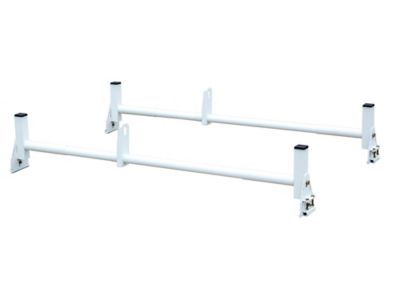
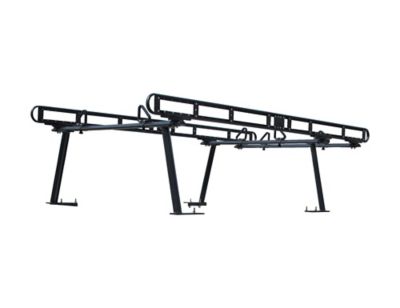
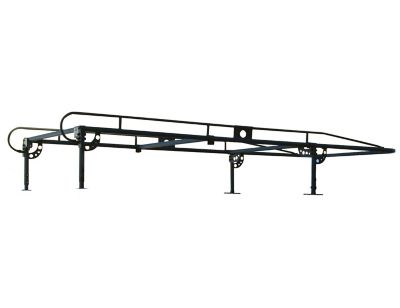
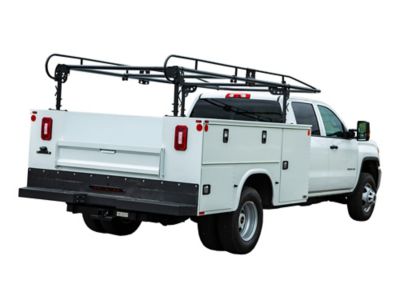
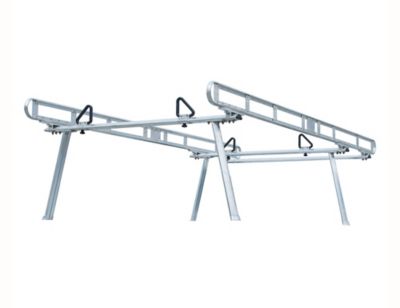
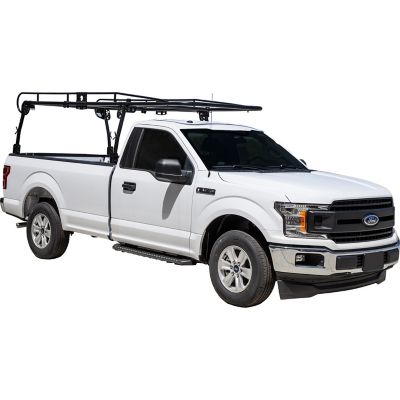
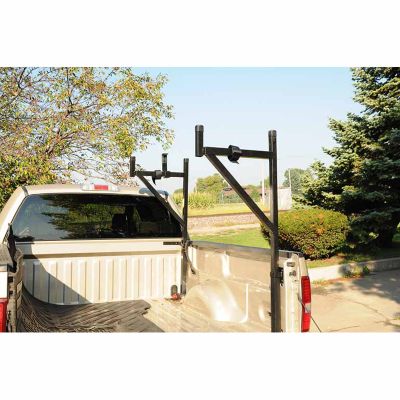
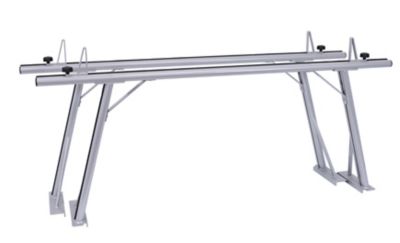
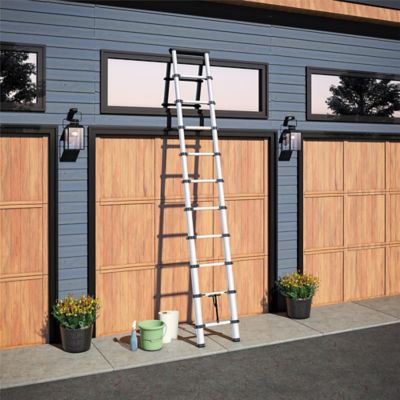
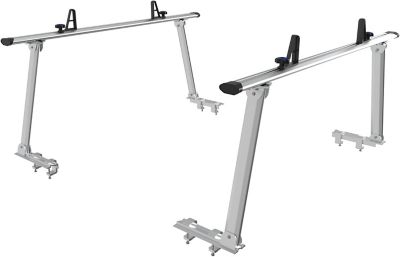
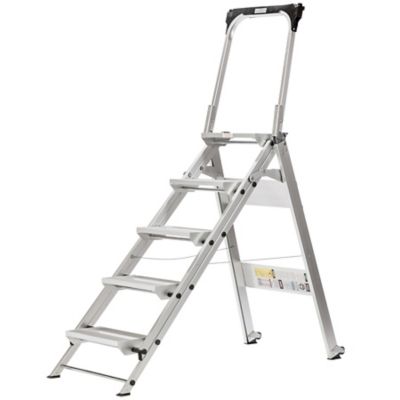
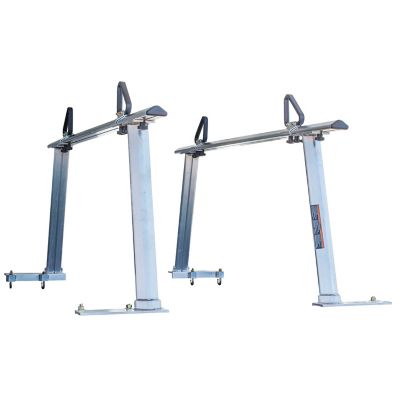
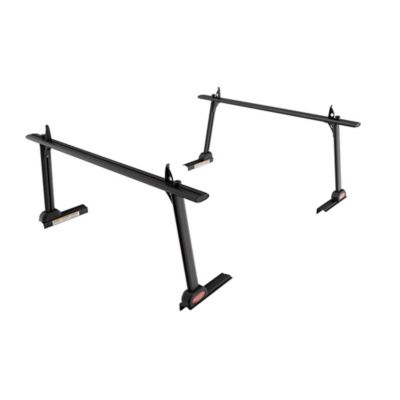
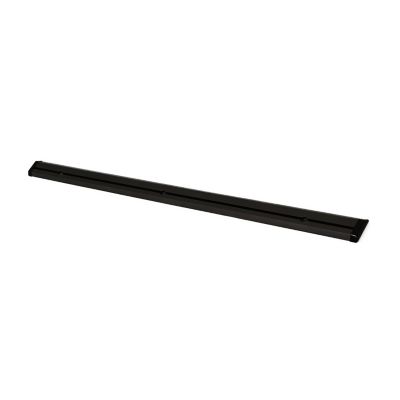
A ladder rack for a cargo van puts long, awkward equipment up top so the space inside can stay focused on tools, parts, and supplies. For electricians, plumbers, painters, remodelers, and property maintenance crews, that separation can make a work van easier to live out of from one stop to the next. An extension ladder riding above the roof leaves room below for toolboxes, fittings, buckets, and the gear that needs to stay within reach. Around a farm or acreage, a van ladder rack can also help with trips between the shop, outbuildings, and rental properties without a ladder stretching through the cargo area. The right arrangement depends on more than the ladder’s length. Crossbar spacing, ladder width, roof height, and the position of the rear doors all affect how the setup fits into an ordinary workday. A rack that suits a short step ladder may not offer the support needed for a longer extension ladder, and carrying more than one ladder calls for enough room and an approved way to secure each load. Some rack designs keep ladders flat above the roof, while others bring them down along the side for loading and unloading. Stops, guides, and ladder supports can help position equipment, but their shape and adjustment range need to match the ladder being carried. For a one-person operation, convenient access can matter just as much as carrying capacity. For a crew sharing a van, a straightforward arrangement helps everyone return equipment to the same place. A well-matched cargo van ladder rack becomes part of that routine: ladders have a dedicated spot, the cargo floor stays open, and the driver can keep the van organized for the kind of work ahead. That matters when a service call turns into a longer repair and the next tool is already packed behind the doors.
Materials and mounting details play a big part in how a cargo van roof rack handles regular work. Steel brings strength and rigidity, with protective finishes helping shield the metal from corrosion. Aluminum weighs less than a comparable steel structure in many designs and resists rust, though construction, hardware, and the stated load rating still matter more than material alone. Welds, joints, crossbar dimensions, and the way the rack spreads weight across its mounting points all contribute to the finished setup. Contact pads or protective sleeves, where provided, can reduce rubbing between ladders and rack surfaces. Fit is specific to the vehicle, not just the general description of a cargo van. Model year, body length, roof height, factory mounting provisions, and existing rooftop equipment can change which mounting system is appropriate. Depending on the rack and vehicle, attachment may involve factory mounting points, roof tracks, rain gutters, or other approved hardware. These approaches are not interchangeable, and any installation that requires drilling needs the specified fasteners, sealing method, and attachment locations. A rack’s listed capacity also does not increase the van’s roof-load limit or overall payload allowance. The weight of the rack, mounting hardware, ladders, and any other approved roof cargo has to stay within the applicable vehicle and rack limits, while the van’s total load also includes people, tools, and supplies. Even weight distribution and the manufacturer’s required support spacing help keep long ladders from resting on too little of the rack. Roof vents, antennas, door travel, and access to attachment points deserve room in the layout as well. For households or work crews that also carry ladders on a pickup,
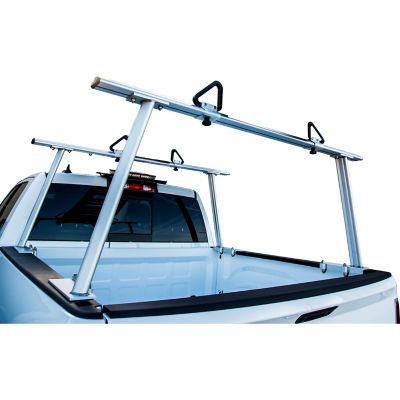
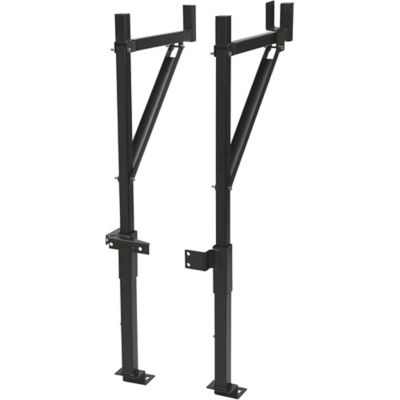
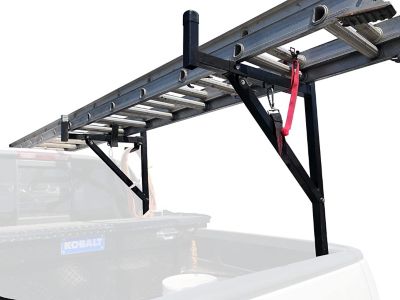
Aluminum Truck Racks offer a related category to consider for that vehicle. Pickup and cargo van mounting systems serve different body layouts, so compatibility needs to be confirmed separately rather than assumed from similar-looking crossbars. A clean fit leaves the rack supported where intended without blocking equipment the van already carries.
Everyday handling is where the details of a van ladder rack really show. A high roof can put a ladder well above a comfortable lifting height, especially when the workday involves several stops. Side-loading, drop-down, or assisted-loading designs can change where the ladder is handled, although the available movement, effort required, and operating clearance depend on the mechanism. These features still call for controlled handling and clear space around the van; a ladder coming down beside a parked vehicle needs room away from people, traffic, and overhead electrical lines. Rear-loading arrangements have their own space needs, including enough room behind the van to lift and slide equipment without interfering with open doors. Ladder stops, retaining hardware, and compatible tie-downs work together to hold the load, and each ladder needs restraint according to the rack and ladder instructions. A lock may help discourage theft, but it is not a substitute for the required transport restraints. Longer ladders can extend beyond the vehicle, making overhang, visibility, lighting, and any required markings part of the overall setup. The rack and its load also add height, which matters at shop entrances, parking structures, car washes, and low-clearance work areas. Knowing the loaded height helps prevent a familiar route from turning into an overhead collision. Care is generally centered on keeping attachment points sound and moving parts operating as intended. Dirt and grit can collect around clamps, rollers, hinges, and retaining mechanisms, so cleaning and inspection have a practical place alongside the van’s other maintenance. Fasteners need checks at the intervals specified by the manufacturer, and worn pads, damaged restraints, loose brackets, or bent components need attention before another load goes up. Any lubrication should follow the mechanism’s instructions rather than leave slippery residue on ladder contact surfaces. For a working van that sees repeated loading, unloading, and miles between jobs, sound mounting, manageable access, and regular attention help keep the rack ready to carry its share of the work.