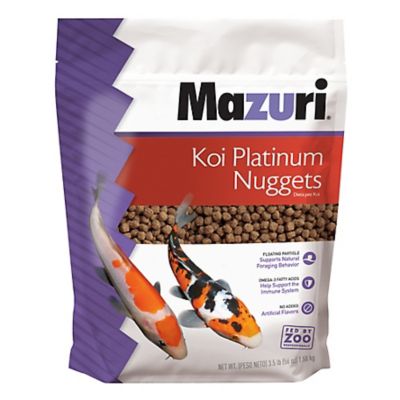
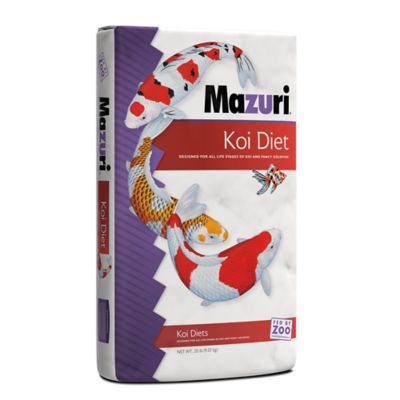
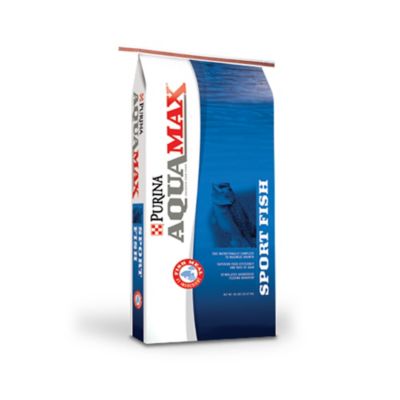
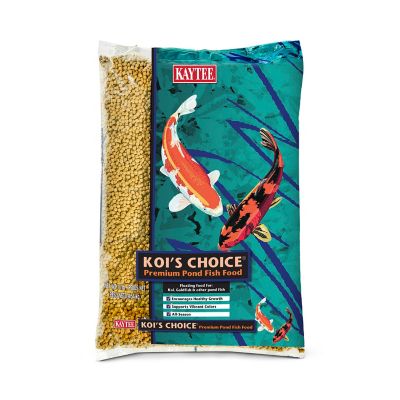
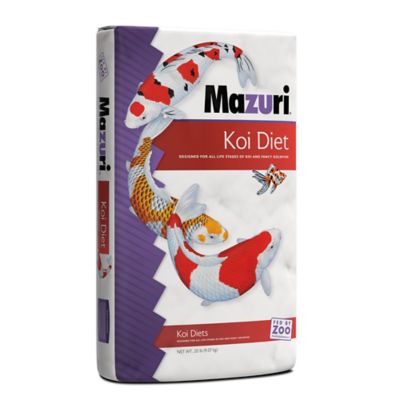
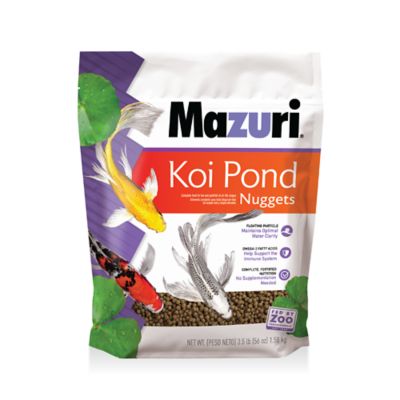
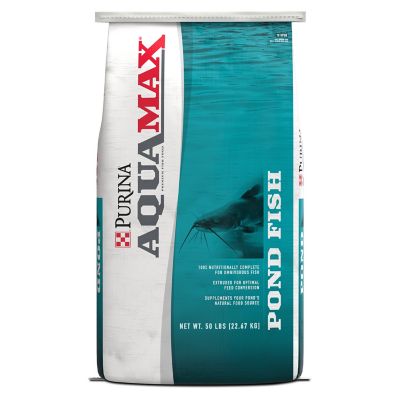
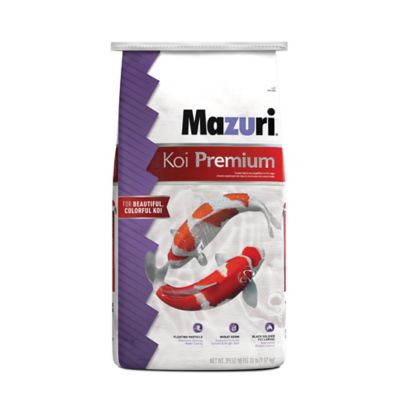
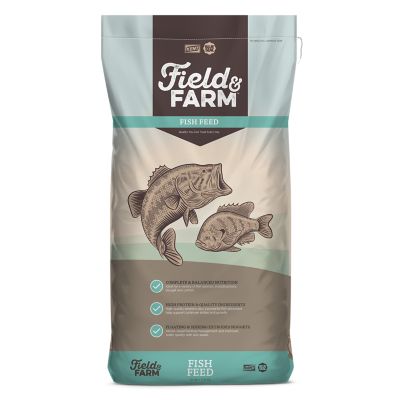
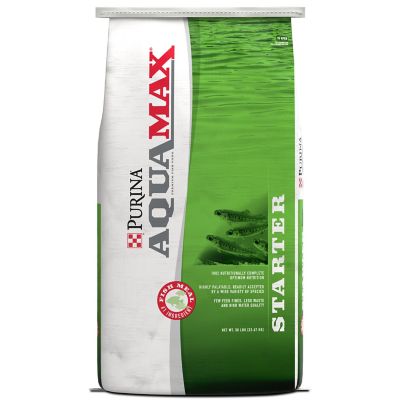
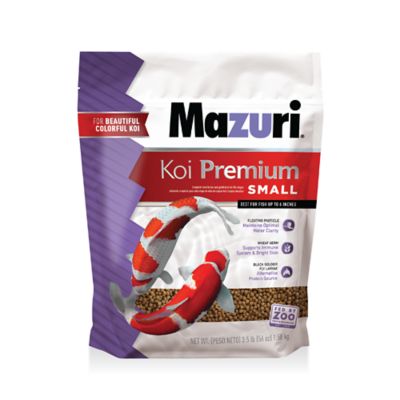
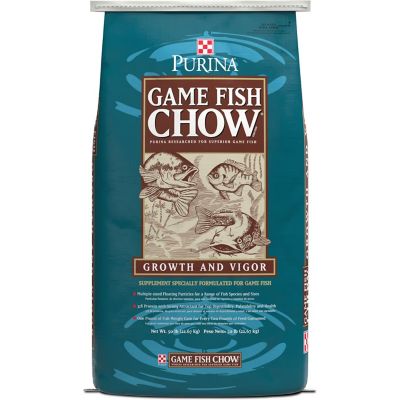
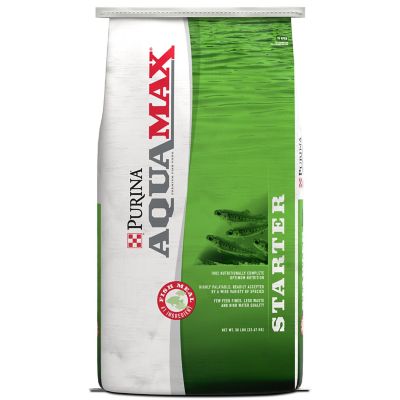
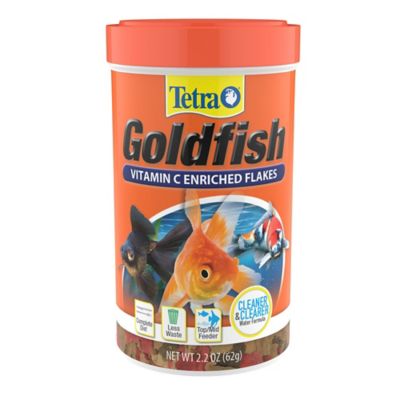
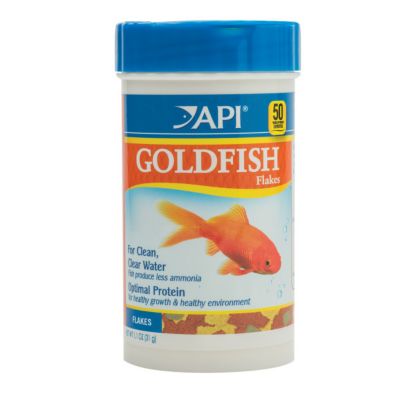
Koi fish food supports the steady growth, body condition, and bright coloring that make a pond full of koi such a pleasure to watch. Whether the pond sits beside a farmhouse porch or along a backyard fence, the right feed starts with the fish living in it: their size, feeding habits, and nutritional needs. A complete diet formulated for koi provides a foundation of protein, fats, carbohydrates, vitamins, and minerals, rather than relying on treats or whatever else lands in the water. Protein supplies the building blocks for muscle and tissue, while fats provide concentrated energy and essential fatty acids. Fishmeal, other fish-derived ingredients, plant proteins, and grains can all play a part in a balanced formula. The ingredient list tells part of the story, but the intended feeding purpose and guaranteed analysis help put those ingredients in context. More protein is not automatically better for every pond, and a growth-focused formula serves a different purpose than a maintenance feed for mature fish. For a pond with koi of several ages, a suitable staple food can make everyday feeding more manageable, provided the pellet size works for each fish. Small koi need pieces they can take in comfortably, while larger koi can handle larger pellets without chasing down as many tiny bites. A pellet that is too big can leave a smaller fish nudging food around instead of eating it. When little koi share space with broad-backed adults, different pellet sizes or separate feeding spots may help each group get its share. Pond owners raising young fish, caring for established koi, or adding feed to a regular animal-care routine all benefit from matching the food to the fish rather than choosing by the package picture alone. A useful match is food that meets the koi’s needs, fits their mouths, and makes it easier to see that every fish is eating.
Floating koi pellets are a practical choice for ponds where watching the fish eat is part of the daily routine. Food on the surface makes it easier to spot leftovers, notice a fish hanging back, and see whether the smaller koi are getting pushed aside. That view matters when several eager fish gather in one patch of water, sending ripples clear across the pond. Sinking koi food offers another feeding format for fish that tend to stay below the surface, though uneaten pieces can be harder to track once they settle out of sight. Neither format takes the place of portion control, and the better fit depends on the pond setup and how its fish behave. Pellets should hold together long enough for koi to eat them without quickly turning into loose crumbs. Excess powder and food that breaks apart before the fish reach it can add unnecessary waste to the water. Food described as highly digestible is intended to support nutrient absorption, but feeding amounts and filtration still matter; no feed can make up for repeated overfeeding. Color-enhancing koi food commonly includes ingredients such as spirulina or other sources of carotenoid pigments to support natural coloration. These formulas may help bring out existing red and orange tones, but they do not give a fish new markings or override its genetics. Growth formulas generally emphasize nutrition for developing fish, while staple diets focus on ongoing maintenance. Wheat germ is another ingredient found in koi diets and is often associated with digestibility, though the overall formula matters more than any single ingredient. For someone watching a young koi develop alongside older pond fish, those distinctions are more useful than expecting one food to do everything. The clearest comparison comes from looking at the intended purpose, fish-size recommendations, ingredient list, and guaranteed analysis together. That combination helps separate a feed suited to everyday nourishment from one meant to support a more focused feeding goal.
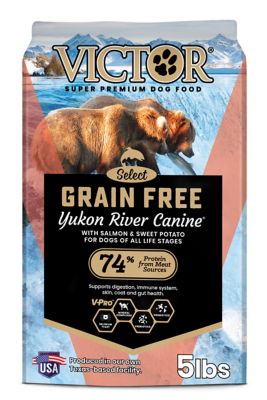
Good storage keeps koi food in better condition from the first scoop to the last. Dry pellets need a tightly closed package or food-safe container in a dry location away from direct sunlight, moisture, and pests. A feed-room shelf can work well when the container stays sealed and separate from pesticides, fuels, and other chemicals. Keeping the original label makes feeding directions, ingredient information, and the best-by date easier to find, even when the bag sits inside a larger bin. Package size should reflect how much the pond’s fish actually eat, not just how much room there is on the shelf. A small backyard pond may go through feed slowly, while a larger group of koi may make a bigger package practical. A clean, dry scoop helps keep pond water out of the container, and food with mold, an off smell, or signs of moisture damage should not go into the pond. Once feed reaches the water, modest portions make it easier to judge appetite and remove uneaten pellets before they collect along an edge or behind pond equipment. The feeding directions provide a starting point, with the fish’s response and the pond’s condition helping show whether the amount is a good fit. Fish that repeatedly ignore food deserve attention rather than another handful of pellets. For households caring for several kinds of animals, keeping feeds clearly separated is just as important as keeping them dry. Fish ingredients appear in diets for other animals, including
Dog Food With Fish, but those recipes meet different nutritional needs and are not substitutes for koi food. A dedicated koi diet keeps the focus on pond fish, from manageable pellet size to balanced daily nutrition. Paired with sensible storage and a feeding routine that leaves little behind, well-matched food helps make pond care a straightforward chore—and leaves more time to enjoy those familiar flashes of color gathering near the bank.