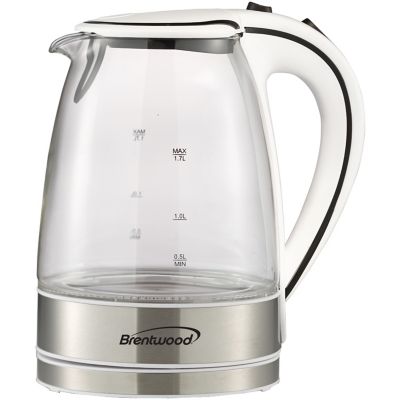
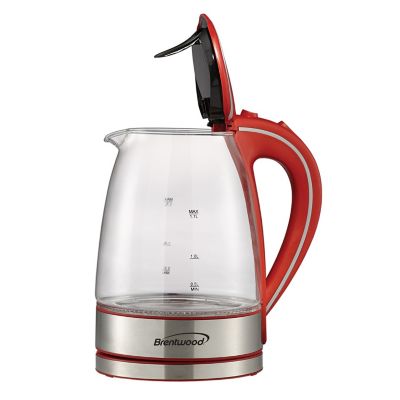
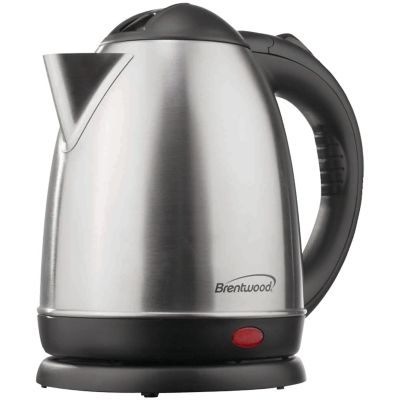
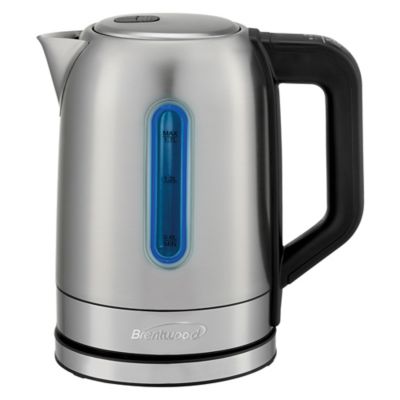
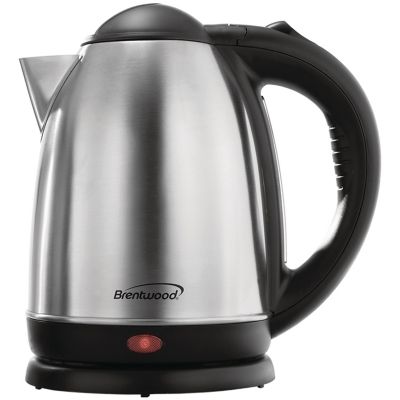
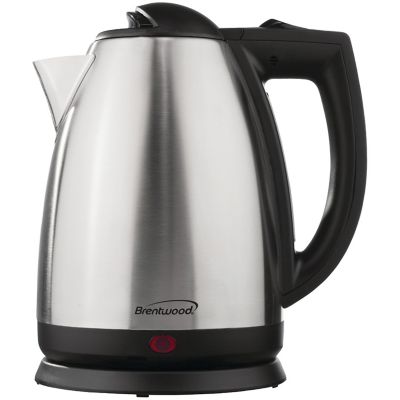
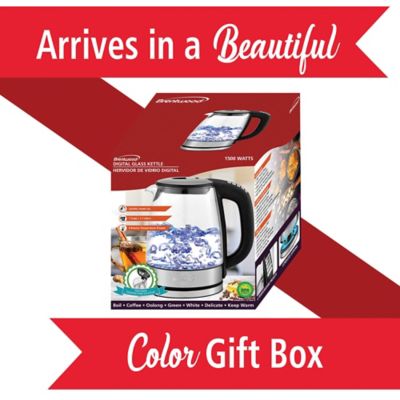
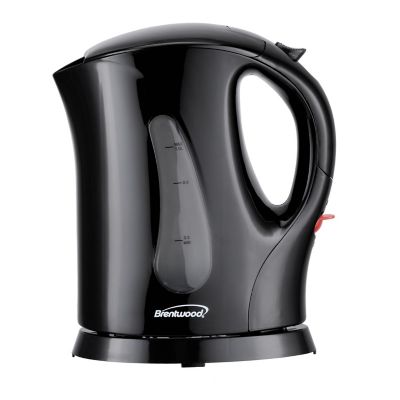
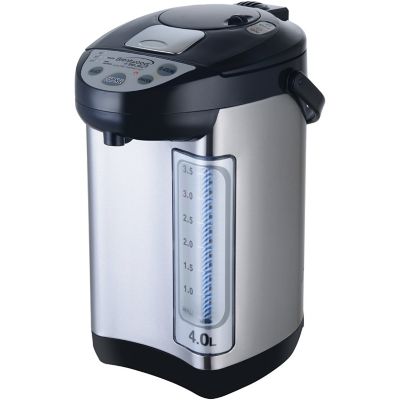
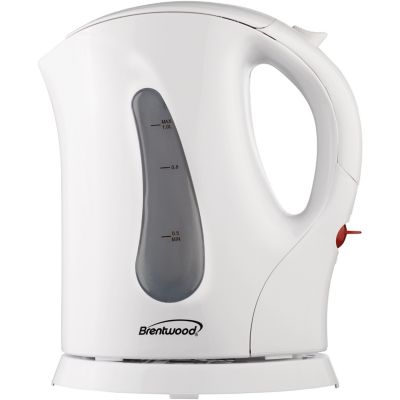
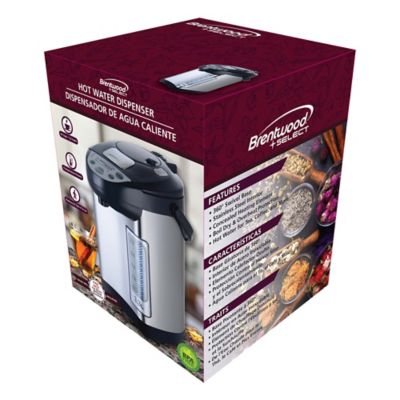
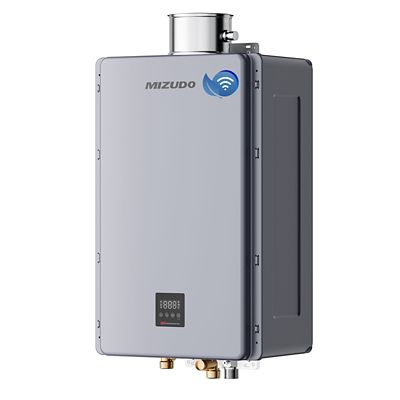
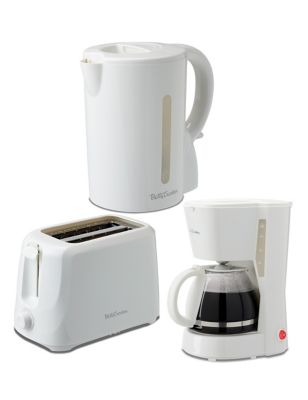
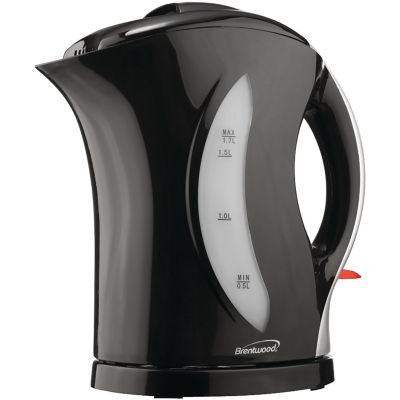
Kitchen water boilers are countertop appliances that heat drinking water for tea, coffee, instant oatmeal, broth, and other everyday kitchen tasks. The category generally includes electric kettles, which heat a batch of water for pouring, and water boilers with warmers, which hold water at a selected temperature for dispensing throughout the day. That difference matters in a busy household: a kettle suits a single mug before morning chores, while a larger boiler can keep hot water ready as family members come through the kitchen at different times. During the cooler months, either style earns its counter space when cold hands call for a warm cup after checking fences or feeding livestock. Electric kettles typically have a handled vessel that lifts from a powered base, making it easy to carry heated water to a mug or coffee setup nearby. Boiler-and-warmer designs generally stay in place and deliver water through a spout, with dispensing methods that vary by model. Some rely on an electric pump, while others have a manual pump or lever. Heating speed depends on wattage, the amount of water, and its starting temperature, so a larger capacity does not necessarily mean a faster boil. Temperature controls also vary. A basic kettle may bring water to a boil and shut off, while an adjustable model can offer lower settings for drinks that do not need boiling water. Many green teas steep at lower temperatures than black teas, and pour-over coffee benefits from water matched to the brewing method. A keep-warm function serves a different purpose from automatic shutoff: one maintains heat for a period of time, while the other stops heating under specified conditions. For a household that gathers around the table in shifts, having the right heating and holding functions can make a bigger difference than having the largest tank. These appliances heat water; they do not take the place of a household water treatment system.
Materials, capacity, and countertop fit all shape how a kitchen water boiler feels in daily life. Stainless steel interiors are common and stand up well to regular handling, though mineral buildup still needs attention. Glass vessels make the water easy to see and can offer a clear view of the fill level, but they need protection from knocks against the sink or faucet. Some boilers have lined interiors, and the maker’s cleaning directions matter because abrasive tools can damage those surfaces. Plastic components may appear in handles, lids, bases, and exterior housings; the parts that contact water are worth checking in the appliance specifications. A comfortable handle, balanced weight, and controlled pouring spout matter most when a kettle is full, not just when it is empty. For someone who would rather not lift a heavy vessel, a stationary dispenser can make serving more manageable, although the tank still needs refilling and cleaning. Capacity is commonly listed in liters, while the cups at home may range from small teacups to tall travel mugs. A one-liter vessel holds roughly 34 fluid ounces before allowing for any minimum or maximum fill requirements, so the number of servings depends on the mug. Bigger households and frequent tea drinkers may appreciate a larger reservoir, while a smaller kettle can fit neatly beside a coffee canister in a compact kitchen. Countertop dimensions tell only part of the story. A hinged lid needs room to open beneath cabinets, a dispensing spout needs clearance for the intended cup, and steam needs a path away from cabinet surfaces. Cord length and outlet location also affect placement. A level, dry surface away from the counter edge helps keep the appliance steady, especially where children or pets pass through. Depending on the model, features such as boil-dry protection, locking lids, dispensing locks, and automatic shutoff add safeguards, but hot water and escaping steam still call for care. Insulated or double-wall construction can help retain heat, though exterior temperatures vary and should not be assumed safe to touch.
Everyday care has a lot to do with how well a water boiler performs over time, particularly in homes where mineral-rich tap or well water leaves a chalky ring in the sink. Those same minerals can collect inside a kettle or reservoir and on heating surfaces. A removable scale screen, when included, can catch some loose particles during pouring, but it does not soften the water or remove dissolved minerals. Descaling at the intervals recommended by the manufacturer helps manage deposits; the approved cleaning method may involve a specified descaler or another recommended solution. Removable parts can make routine cleanup easier, though dishwasher suitability varies. Electrical bases and powered housings need to stay out of standing water, and the appliance should be unplugged and allowed to cool before cleaning. A wide opening can make the interior easier to inspect, while a clear water-level window helps with filling between the marked limits. Most kitchen water boilers are intended for plain water rather than milk, soup, or sweetened drinks, which can foam, scorch, or leave residue. The hot water goes into the bowl or cup to finish the food or drink, keeping the appliance’s job simple. That makes these countertop helpers useful for everything from a quick breakfast before heading outside to a tray of tea when neighbors stop by. In a shared kitchen, clear controls and an easy-to-read temperature display can be more useful than extra settings that rarely get touched. For a housewarming or wedding gift, the recipient’s counter space, usual serving size, and preference for pouring or dispensing offer practical direction. Households interested in serving hot water without lifting a kettle can also explore
Home Hot Water Dispensers for related countertop options. Whether the daily routine calls for one cup at daybreak or several refills around the kitchen table, the best fit comes down to manageable capacity, comfortable handling, straightforward care, and heating features that suit the way the household drinks and cooks.