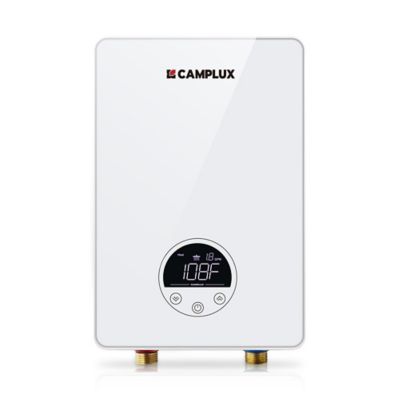
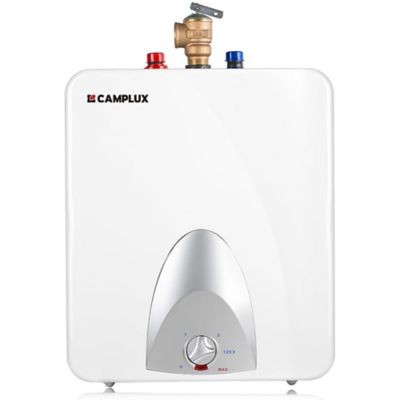
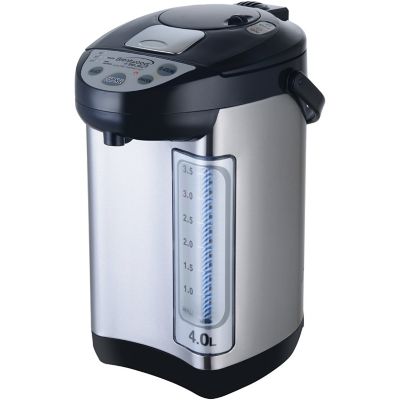
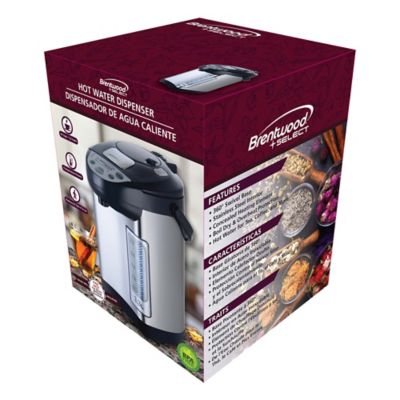
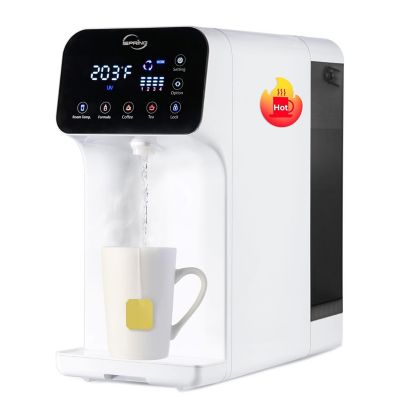
Kitchen hot water dispensers put hot water within easy reach for tea, instant coffee, oatmeal and everyday meal prep, without bringing a full kettle to a boil each time. They fit into busy kitchens where the day might start with chores before daylight and end with a warm drink at the table. The main styles include under-sink hot water systems, countertop water boilers with holding tanks and tankless countertop dispensers that heat water as it flows. An under-sink system typically pairs a small insulated tank inside the sink cabinet with a separate dispensing faucet beside the main kitchen faucet. Many systems hold water near 200°F, though the temperature range depends on the appliance, and near-boiling water is not the same as water at a rolling boil. Countertop dispensers keep the appliance above the counter, often with a refillable reservoir, a dispensing spout and controls on the front or top. Some boil water and maintain a holding temperature, while others heat individual servings on demand. Tankless describes the heating method, so a tankless countertop model may still have a reservoir that needs filling. For households that prefer an appliance with a larger heated reservoir,
kitchen water boilers offer a related category to consider alongside dispensing systems. The best fit comes down to the rhythm of the kitchen: a cup before heading to the barn, several mugs over breakfast or repeated refills when family gathers during the cooler months. A dispenser can also provide hot water for soaking dried ingredients or starting a recipe, as long as its output meets the recipe’s requirements. It does not replace a stove for simmering food or tasks that require sustained boiling. Having a dedicated hot water source can keep beverage preparation separate from the main sink, especially when someone is rinsing vegetables or washing pans. For a coffee-and-tea corner, the convenience is less about adding another appliance and more about keeping a familiar daily task close at hand.
Capacity, temperature settings and dispensing clearance make a noticeable difference in everyday use. Countertop reservoirs around 2–3 quarts can suit lighter household demand, while larger 4–5 liter capacities may make more sense for frequent refills or several people sharing the kitchen. Total tank volume does not always equal the amount of hot water ready to dispense at once. Under-sink tanks need recovery time after a larger draw, and on-demand heaters have limits on flow and heating speed. A household filling one mug at a time has different needs from one filling a French press and several bowls of instant oatmeal together. Adjustable temperatures can help match water to the task, with lower settings suited to some green teas and higher settings suited to many black teas or hot cereal preparations; package directions remain the better reference for each food or drink. Controls may include preset temperatures, portion settings, a keep-warm function or an automatic shutoff, but these features vary by design. A tall travel mug needs enough room beneath the spout, and a removable drip tray can help accommodate larger cups while catching stray drops. For an under-sink installation, cabinet space has to accommodate the tank, tubing and any compatible filtration equipment without crowding the drain, disposal or stored cleaning supplies. Faucet mounting-hole requirements, countertop thickness, cold water connections and access to the electrical supply all matter, too. These systems generally require a compatible open-vent faucet rather than an ordinary kitchen tap, so matching the faucet and tank is important. Countertop appliances need a level surface, space for steam to escape where applicable and room to open the reservoir lid beneath overhead cabinets. A full reservoir can be heavy, making a removable tank or a convenient filling position helpful for anyone who would rather avoid carrying water across the room. Power requirements and outlet placement should follow the appliance instructions and local codes, with professional installation where needed.
Materials and care affect how well a kitchen hot water dispenser stands up to repeated heating, refilling and wiping down. Stainless steel tanks and interiors are common, while other designs may incorporate glass, food-contact plastics or coated heating surfaces. The materials touching the water matter as much as the outer housing, and a finish that wipes clean is handy near a sink where splashes are part of the day. Sturdy controls, a stable base and accessible parts for routine cleaning are worth considering in a hardworking kitchen. Mineral buildup is another practical concern, especially in homes with hard water. Scale can collect on heating surfaces and interfere with performance, so descaling should follow the manufacturer’s method and schedule rather than a one-size-fits-all cleaning routine. A countertop reservoir, lid and drip tray may each have different cleaning requirements; electrical bases should never be submerged unless expressly permitted by the manufacturer. Some systems accept filtration, but the filter’s stated capabilities determine what it reduces. A taste-and-odor filter may reduce chlorine without addressing hardness, and claims for lead or other contaminants should be backed by the appropriate certification. Homes on a private well should base treatment decisions on water testing rather than assume that heating or filtering in a dispenser makes the water safe to drink. For everyday operation, near-boiling water calls for care around children, pets and anyone reaching across the counter. Dispensing locks and guarded controls can help limit unintended operation, but they do not eliminate the risk of burns or replace supervision. Positioning the spout away from the counter’s edge, keeping cords out of reach and setting a cup securely before dispensing are sensible habits. Insulated reservoirs, sleep settings and timers may also matter when the kitchen sits quiet for long stretches, since holding water hot requires energy between servings. For a housewarming or a family member who enjoys hot drinks, a countertop dispenser can be a thoughtful gift when counter space, lifting needs and daily routines are already known. Whether the setting is a farmhouse kitchen or a small home with a busy breakfast counter, a well-matched dispenser makes room for hot drinks and food prep without getting in the way of the rest of the work.