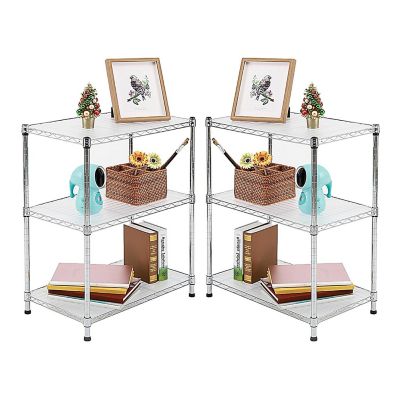
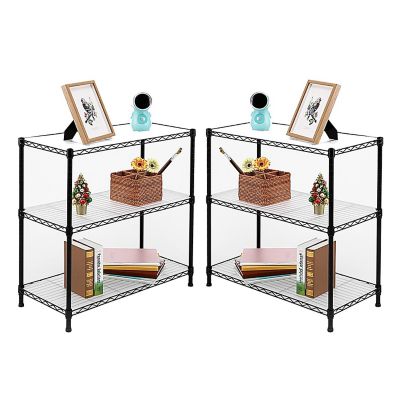
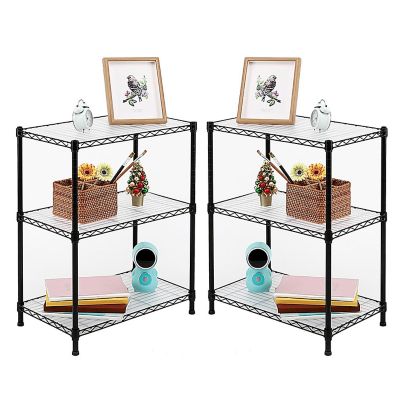
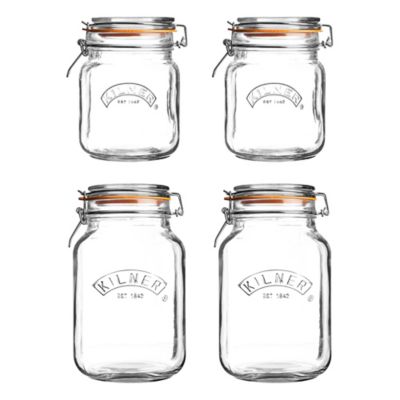
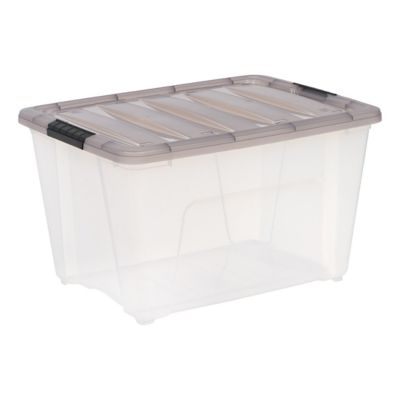
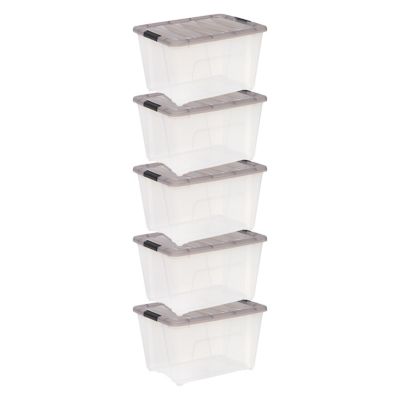
Pantry storage solutions help make room for everyday groceries, keep ingredients easier to find and cut down on food forgotten behind the front row. In a busy kitchen, that can mean grabbing oatmeal before chores, finding the flour without moving three bags or seeing what’s on hand before planning supper. The main options include food storage containers, open bins, baskets, shelf risers, turntables, door racks and freestanding cabinets. Each serves a different purpose: sealed containers hold dry ingredients, bins gather loose packages, risers lift back rows into view and cabinets add enclosed storage beyond existing shelves. A useful setup makes the contents visible and reachable without turning every meal into a search. For flour, sugar, rice and other dry staples, containers intended for direct food contact offer a cleaner alternative to loosely folded bags. Clear sides show how much remains, while wide openings leave room for a scoop or measuring cup. Square and rectangular shapes generally fit neatly beside one another on straight shelves. Round containers can work well where shelf space is less constrained, though the opening and lid still need enough clearance for everyday handling. Airtight lids help limit exposure to air and moisture when properly closed, but the seal design and care requirements matter. Glass offers visibility and resists odors, although its weight deserves consideration on high shelves or in a kitchen where children help themselves. Lightweight plastic is easier to lift, with washing instructions and intended food use varying by material. Metal canisters block the view of their contents, making clear labels especially helpful. Capacity matters as much as outside dimensions: a container should comfortably hold the amount normally brought home, with enough space to close the lid without compressing a bag or spilling flour over the rim. Keeping preparation directions, allergen information and expiration dates with transferred food also helps preserve the details that disappear when original packaging goes away. For ingredients handled often, lids that open comfortably and parts that come apart for cleaning can make a real difference.
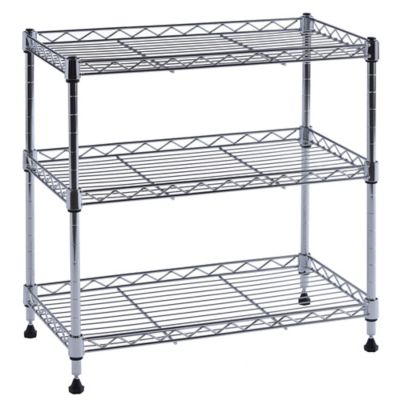
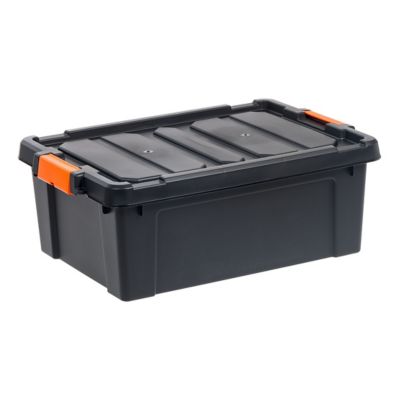
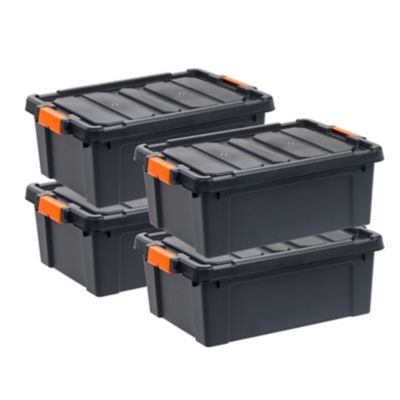
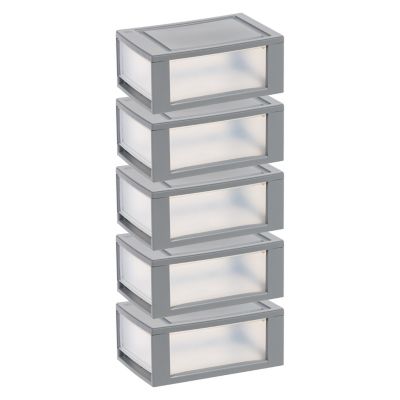
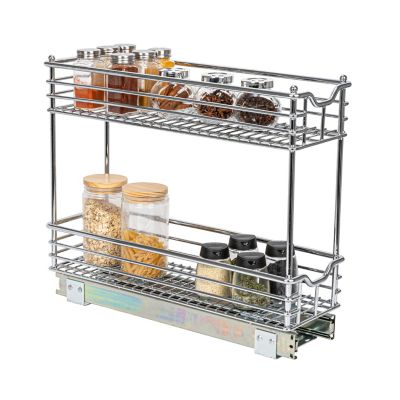
Shelves tend to work harder when storage matches their depth, height and access points. Open bins and baskets keep snack pouches, baking packets and other loose packages together, so a whole group can come forward instead of disappearing into a deep corner. Handles provide a useful grip, while lower front edges make contents easier to see. Clear bins offer a quick view; opaque or woven baskets keep mixed packaging out of sight but benefit from a readable label. Smooth plastic surfaces generally wipe down readily, while woven materials may need brushing or spot cleaning according to their care directions. Wire baskets allow visibility and airflow, although small packets may need an insert to stay upright. Shelf risers create stepped rows for cans and jars, helping the labels in back remain visible. Their depth, footing and weight limits matter, especially where heavier containers share a shelf. Turntables bring bottles and jars around from an awkward corner, provided there’s room for the platform to rotate without bumping a wall or door frame. A raised rim can help keep contents contained, but tall bottles still need steady placement. Over-the-door racks add storage for smaller pantry goods without taking up the full depth of a shelf. Hanger thickness, door clearance and loaded weight all affect whether a door closes properly, and some designs require mounting hardware. Pull-out storage needs similar attention to the opening width, hinge position and space in front of the cabinet. Where built-in storage falls short,
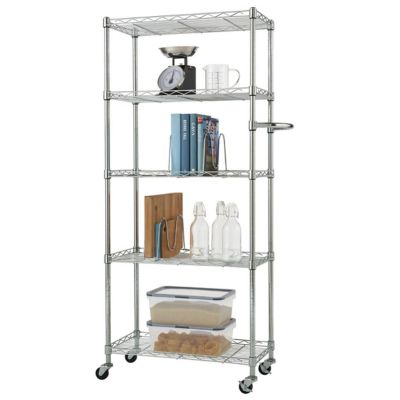
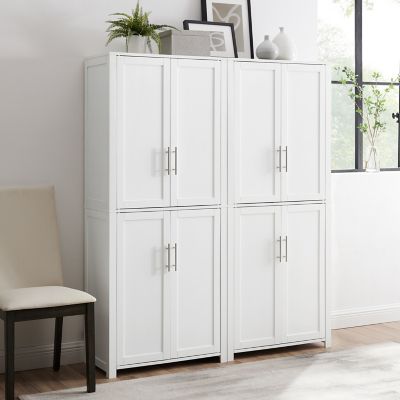
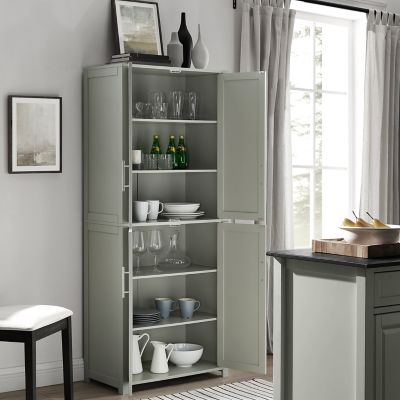
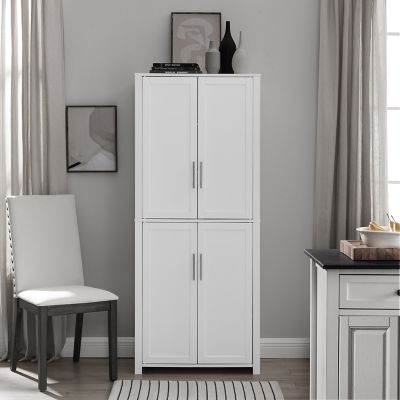
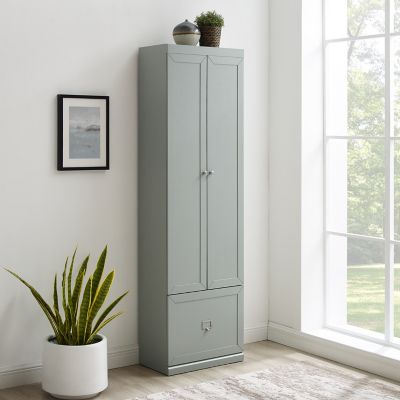
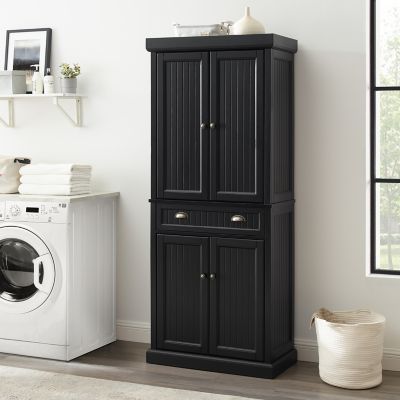
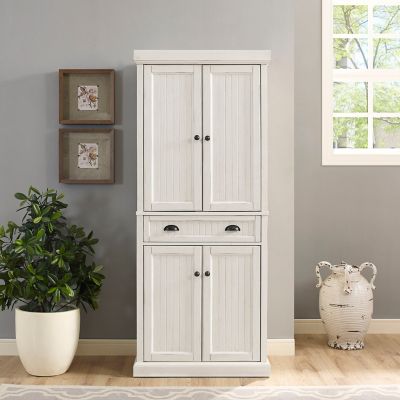
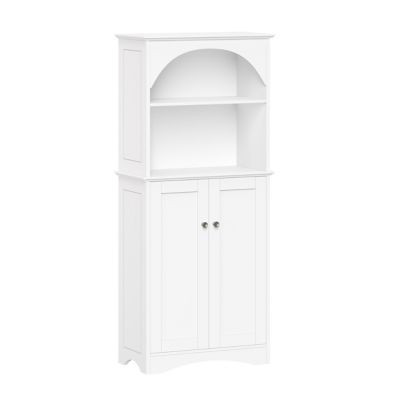
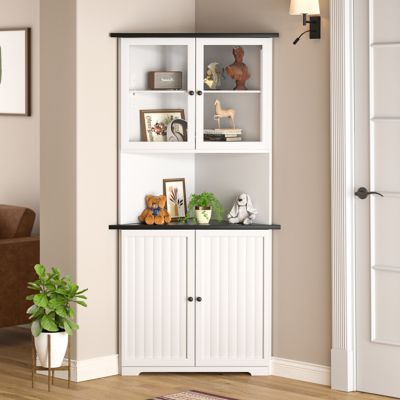
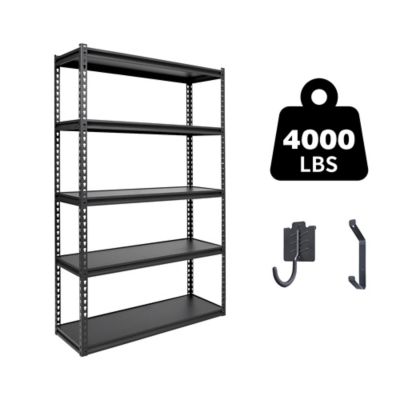
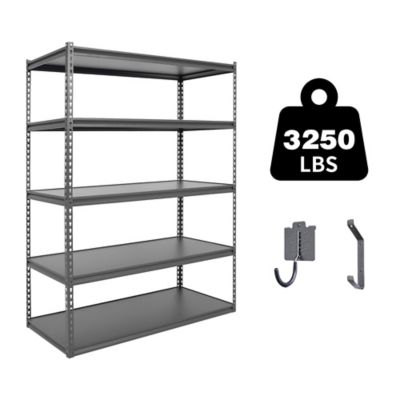
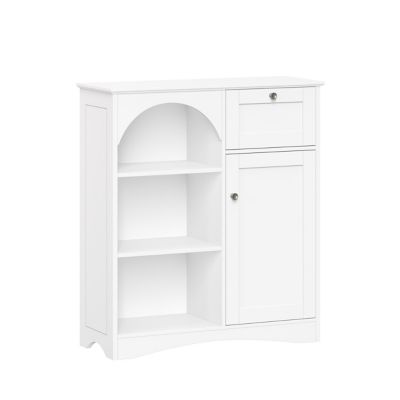
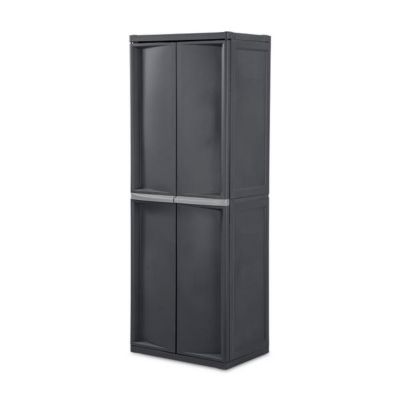
Pantry Storage Cabinets With Doors can provide enclosed shelf space in a kitchen, dining area or nearby utility room. Adjustable shelves accommodate different package heights, while the cabinet’s outside measurements determine how it fits beside trim, outlets and walkways. Doors need room to swing, and drawers or pull-out sections need room to extend. A freestanding cabinet should sit level and be secured as directed by the manufacturer, with heavier contents placed low rather than concentrated on upper shelves. Those details matter in a compact farmhouse kitchen just as much as in a walk-in pantry.
The right pantry organization also reflects the people reaching for it every day. A household that bakes often may need generous container openings, room for measuring tools and a bin that keeps smaller baking supplies together. A family packing lunches may get more benefit from shallow snack bins within easy reach. Frequent cooks often appreciate separate spaces for breakfast staples, dinner ingredients and baking supplies, with everyday goods near the front and less frequently needed pieces farther back. These groupings don’t require matching containers from top to bottom; they simply give each category a sensible home. A shelf with enough open space to lift a container straight out is often more practical than one packed tightly from edge to edge. Readable labels help family members find ingredients and return them to the same spot, especially when similar-looking staples sit side by side. Food that arrived earlier belongs where it’s easy to notice, helping it get eaten before another package is opened. Storage for fresh produce calls for different features than storage for dry ingredients: ventilated baskets can suit foods that need airflow, while sealed canisters are intended for appropriate dry goods rather than every kind of food. Cleaning needs deserve a place in the decision, too. Removable lids, accessible corners and washable liners can make crumbs and spills easier to manage. Gaskets need attention around their grooves, and all parts should dry fully before dry ingredients go back inside. Dishwasher compatibility varies, so the manufacturer’s directions are the right reference for containers, lids and seals. Cabinet shelves and hardware also have their own cleaning and load requirements. For a housewarming gift or a household setting up its first kitchen, practical pantry organizers can be a thoughtful choice when the available space and daily routine are known. Whether the storage area is one cupboard or a room off the kitchen, well-fitting pantry storage keeps the work of feeding a household a little more straightforward.