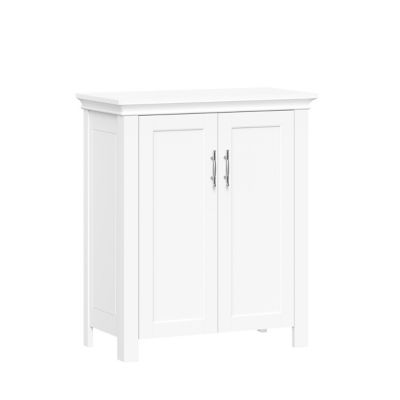
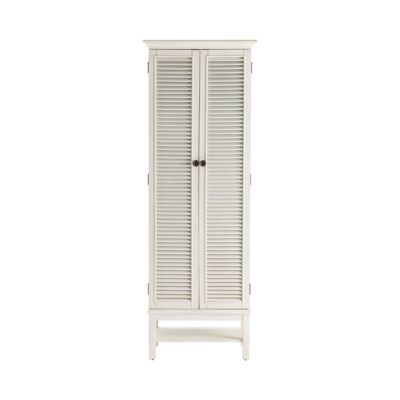
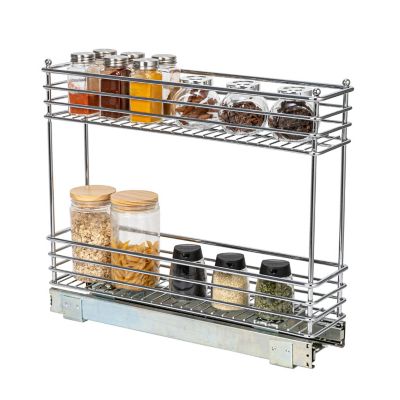
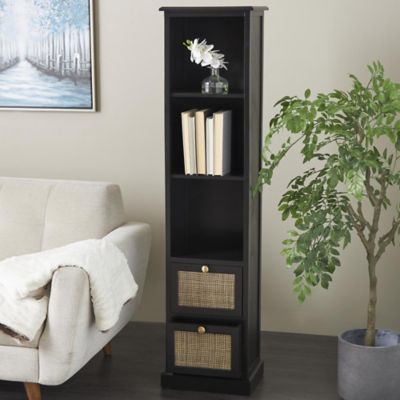
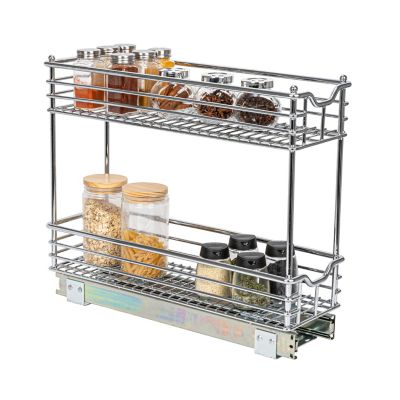
Cabinet storage solutions make better use of the space behind the doors, whether that means getting another level out of a tall shelf or bringing the back of a deep cupboard within reach. Shelf risers divide open space vertically, so a stack of small bowls can sit above the plates without either stack getting in the way. Pull-out trays and baskets bring the back row forward, which is handy in a low cabinet where the mixing bowl needed for supper always seems to end up behind everything else. Dividers give flat belongings like pan lids and cutting boards a place to stand on edge, where they’re easier to grab without lifting a pile. And a turntable can make good sense in a corner that’s just wide enough for bottles to disappear behind each other. The layout that works best has as much to do with what gets reached for every day as with how much the cabinet can hold. In a busy kitchen, keeping the everyday dishes in a short, easy-to-reach stack can do more good than squeezing another stack onto the same shelf. In a pantry, a riser can make the back row easier to see, but it still needs enough room underneath to slide things in and out without tipping them. A cabinet under the sink has a different job altogether. Low bins or trays can fit alongside plumbing, and lifting one out leaves room to see around the pipes instead of turning every reach into a rummage. Not every shelf needs an insert, either. An open stretch of shelf still comes in handy for tall containers and awkward shapes that never quite fit a divided space. The point is to give the things that get in each other’s way a place of their own, without making the cabinet harder to put back in order at the end of the day.
Fit comes down to the room an organizer needs when it’s doing its job, not just the space it takes up when it’s empty. A cabinet may be wide inside but have a narrower opening once the door, hinges and face frame are factored in. That matters most for sliding storage: a tray needs to clear the opening and have enough room in front of the cabinet to extend. In a tight kitchen or laundry room, a handle on a neighboring door can get in the way, especially at a corner. Height matters, too. A shelf riser needs clearance for what sits on top as well as what goes underneath, and a door-mounted organizer has to clear the shelf edges and whatever sits near the front when the door shuts. Materials matter most where there’s weight, moisture or a lot of daily handling. A solid tray supports narrow containers and catches small spills, while an open wire basket makes it easier to see what’s inside and lets air move through. Smooth plastic can be easy to lift out and wipe down in a mudroom or laundry cabinet. A wood organizer is better suited to a spot that stays dry, and coated steel is worth considering for heavier storage where a little extra rigidity helps. For a pull-out that will hold cookware or tools, check the stated load limit and mounting requirements against what the tray will actually carry. How firmly the hardware can be fastened matters as much as how sturdy the tray feels on its own. A freestanding insert makes sense when the layout might change or drilling isn’t an option, as long as it sits level and doesn’t shift when something is lifted off it. A quick wipe when crumbs or grit collect helps keep surfaces clean, and drying things off before they go back keeps moisture from sitting against the shelf.
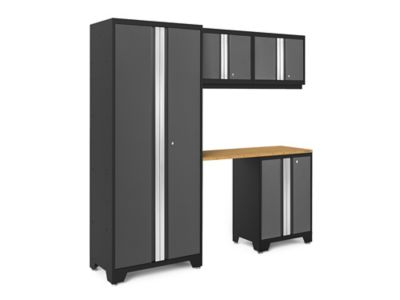
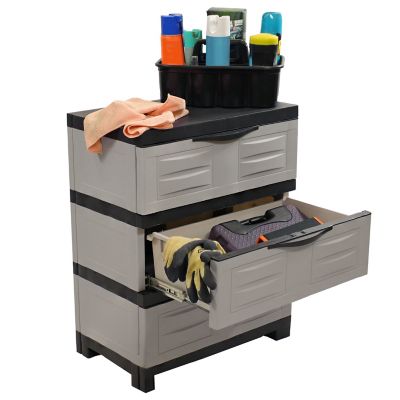
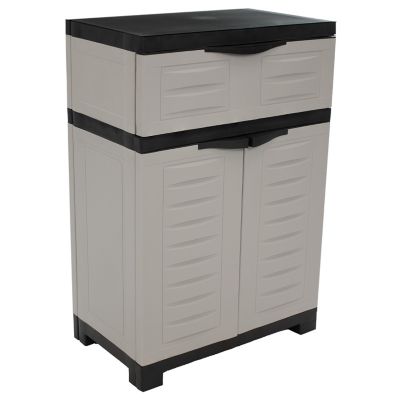
The same cabinet organization that helps in the kitchen can earn its keep out by the back door or in a workshop. In a mudroom, shallow compartments can keep work gloves paired up and leave room for bigger gear underneath. In a shop, dividers can keep little parts from spilling into each other, while a pull-out can spare someone from kneeling on the floor to reach supplies at the back. A laundry cabinet may benefit more from a wipeable tray that catches drips than from an extra shelf, especially if the bottles going in there need most of the height. Any cleaners or shop chemicals belong apart from food and feed and in secure storage out of reach of children and animals. Where there’s no cabinet to start with,
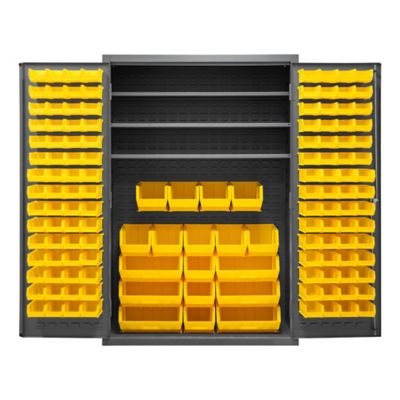
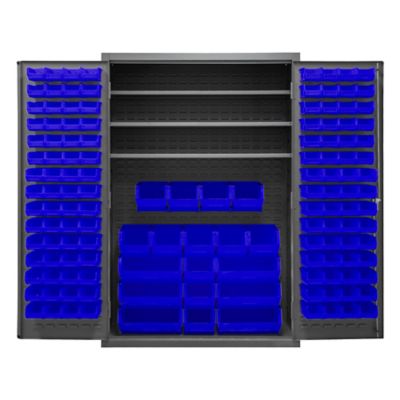
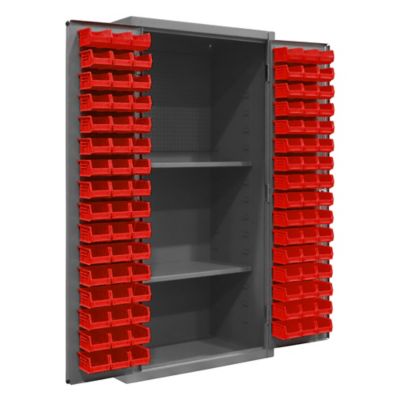
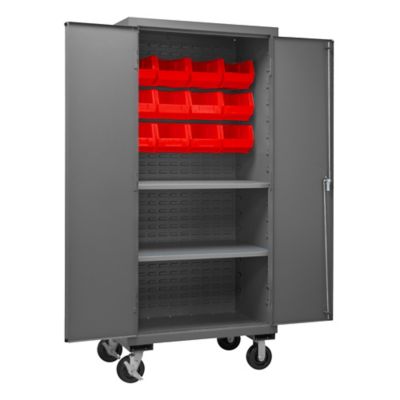
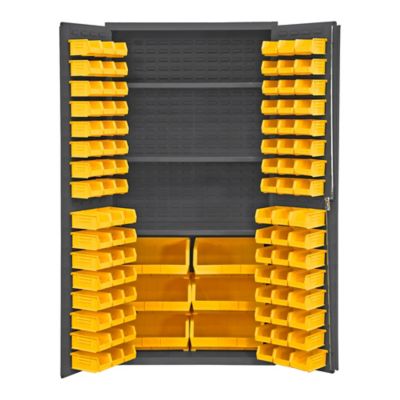
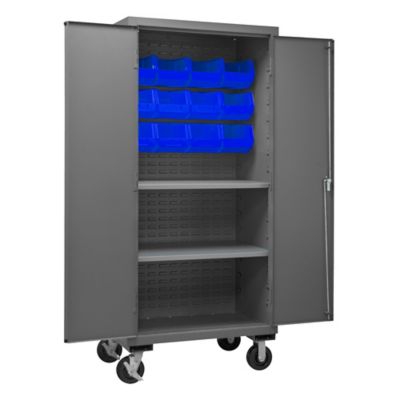
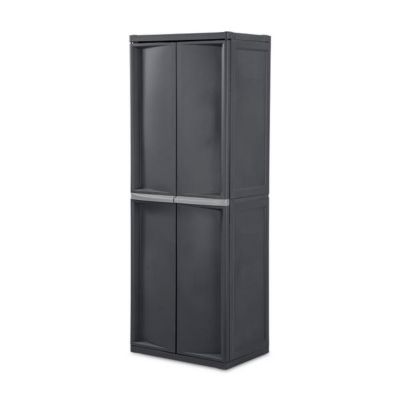
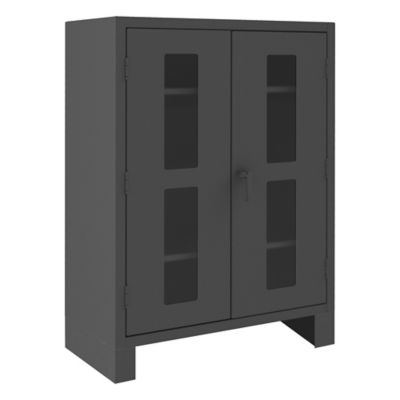
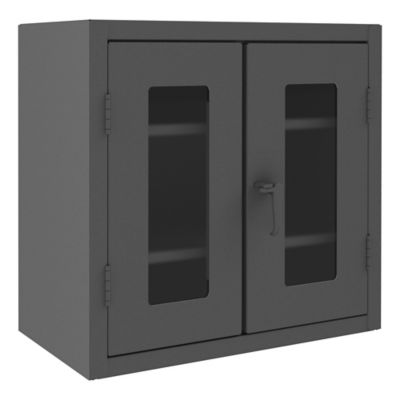
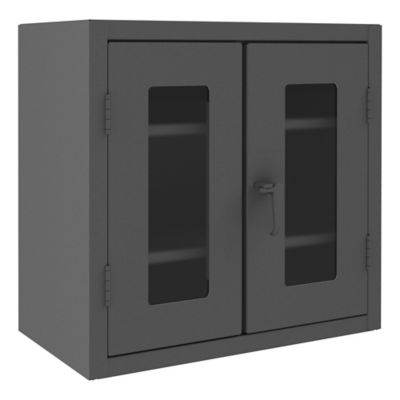
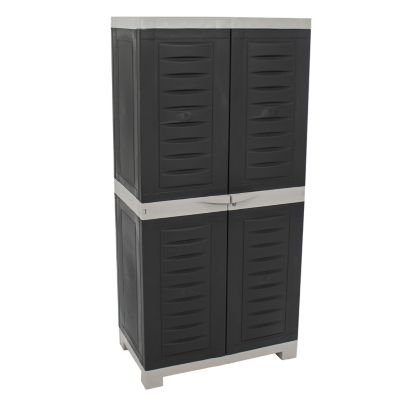
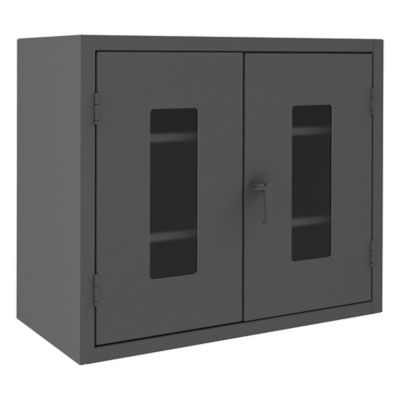
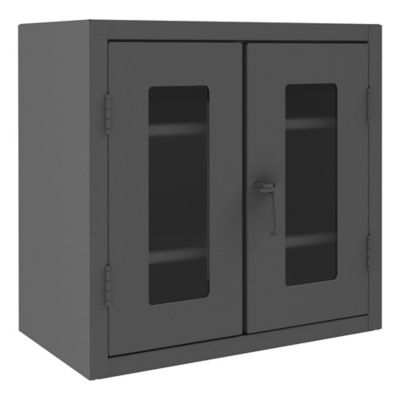
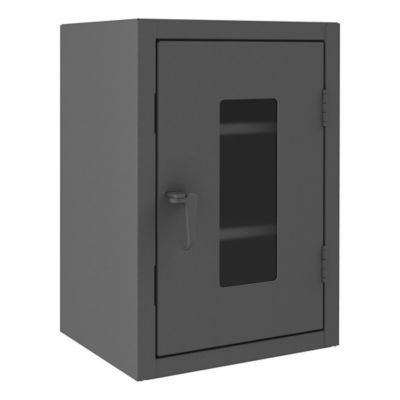
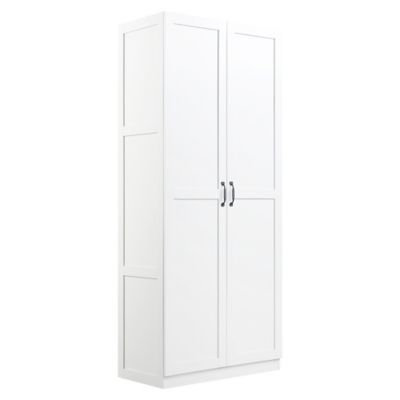
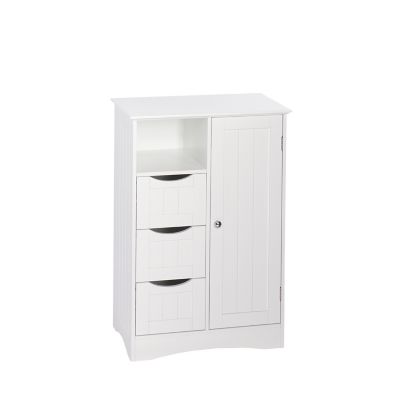
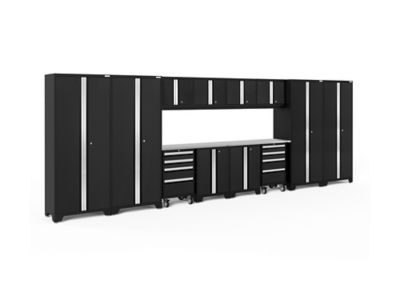
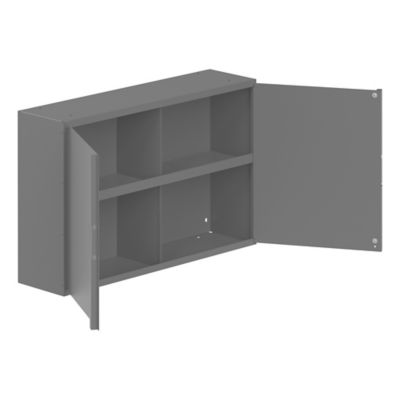
Utility Cabinets can give gear an enclosed home in a garage, mudroom or work area. The same fit considerations apply inside a stand-alone cabinet, especially if the shelves have lips or supports that cut into the space an insert needs. For renters or anyone setting up a first kitchen, movable cabinet storage can make an unfamiliar layout easier to live with without changing the cabinet itself. A freestanding organizer can also make a practical housewarming gift when the shelf dimensions and the recipient’s storage needs are known. In a shared space, a simple layout often holds up better than squeezing in as many compartments as possible. A wide spot for gloves that get grabbed on the way out the door or a low tray that keeps everyday dishes easy to reach can make more difference than a cabinet packed from edge to edge. The best fit leaves enough room to take things out and put them back without moving half the shelf.