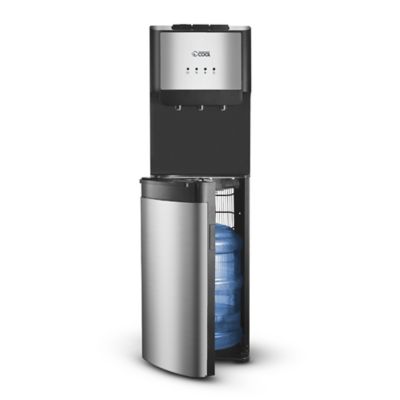
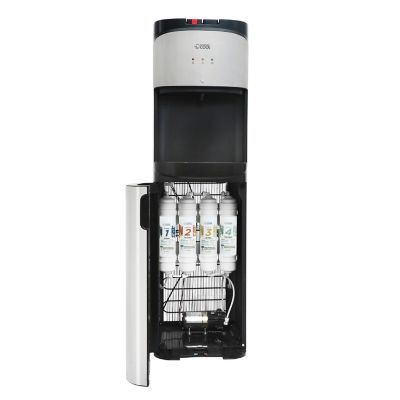
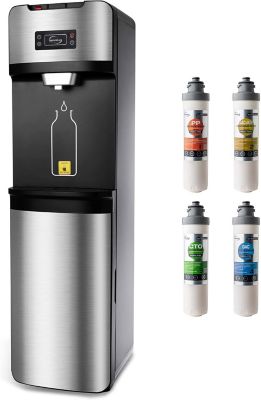
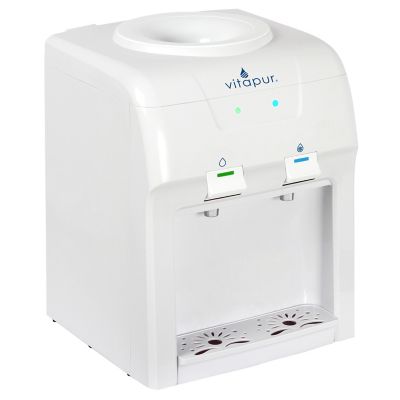
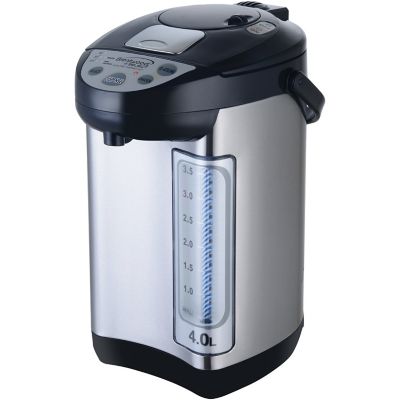
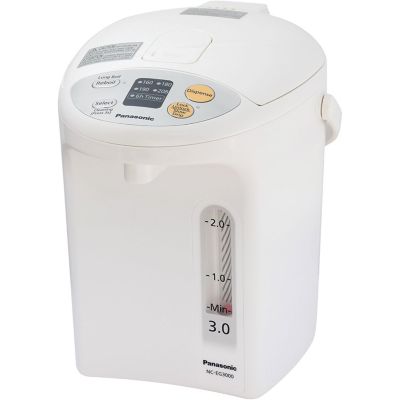
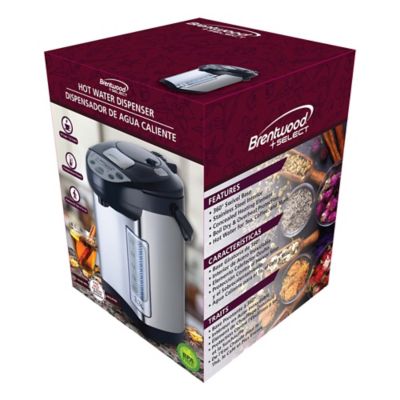
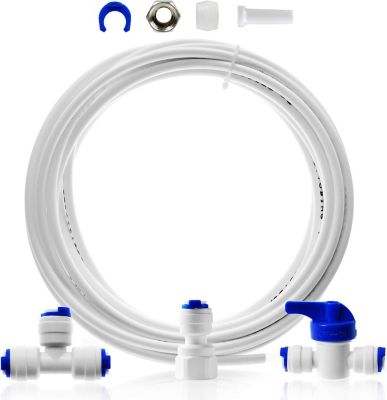
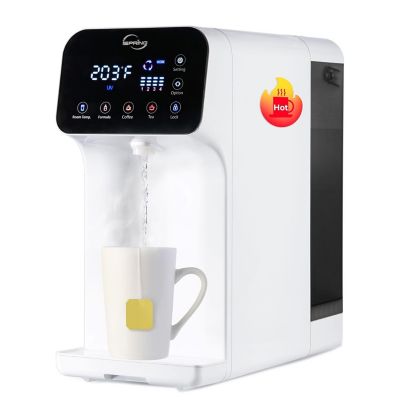
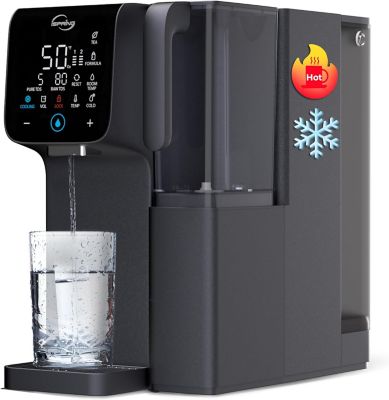
Water dispensers keep drinking water close at hand, whether the busiest spot is the kitchen, a break room or the office beside the barn. The main types are top-loading, bottom-loading, bottleless and countertop dispensers, with differences in how they hold water, how much room they take up and whether they heat or chill each serving. Top-loading water dispensers hold an inverted bottle above the cabinet, so the water level is easy to see. Many accept 3- or 5-gallon bottles, though bottle size and neck compatibility depend on the dispenser. Changing a top-mounted bottle means lifting and turning a full jug, which matters when choosing a setup for everyday use. Bottom-loading water dispensers keep the bottle inside a lower compartment and draw water through a tube with a pump. That arrangement cuts out the overhead lift, although the bottle still needs to be moved into place. Bottleless water dispensers connect to a drinking-water supply line instead of a removable jug. Some include filtration, and their installation needs depend on the plumbing connection, filter arrangement and electrical requirements. Countertop water dispensers take up less floor space, making them a practical fit for smaller kitchens, shared offices and work areas with a sturdy counter. Countertop describes placement rather than one particular water source; these dispensers may draw from a bottle or connect to a supply line. Simple gravity-fed dispensers provide water without powered heating or cooling, while electric designs may offer cold, hot or room-temperature options. Those settings vary, so a dispenser meant mainly for filling drinking glasses can have different features from one serving mugs of tea or instant oatmeal. Hot-water output also varies and should not be assumed to reach a boil. Across these styles, the best fit comes down to the space, the water source and the people filling cups throughout the day.
A water dispenser needs to fit the routine as well as the room. A household filling a few glasses at supper has different demands from a farm office where several people refill large bottles before heading back to chores. Bottle capacity tells how much water a jug holds, but it does not tell how quickly an electric dispenser can chill or heat the next serving. Reservoir capacity and recovery rate help explain how a unit handles back-to-back fills. Spout height and clearance are worth a close look, especially for tall tumblers, insulated bottles and coffee mugs that need room beneath the outlet. A recessed dispensing area can help contain splashes, while a removable drip tray makes small spills easier to manage. Cabinet dimensions include more than the footprint on the floor: a top-loading dispenser needs room above it for the bottle, and a bottom-loading cabinet needs clearance for the door to swing open. Ventilation space around powered models also affects where they belong. Stainless steel exterior panels can suit a busy shared space and wipe down readily, while plastic housings may be lighter to move. Surface finish, cabinet construction and access to replaceable parts all play a part in long-term upkeep. Water-contact components should be intended for drinking-water service, and a sturdy base helps the dispenser sit securely on a level surface. Controls range from simple push levers to buttons and touch panels. Clearly marked settings help people tell outlets apart, and hot-water safety locks add a barrier against accidental dispensing without replacing adult supervision around children. For a dispenser near a desk or kitchen table, compressor and pump sound may matter, too. An empty-bottle indicator can make it easier to spot when a change is due, particularly when the jug sits behind a cabinet door. These everyday details often matter more than an extra setting that rarely gets a turn.
Keeping drinking water pleasant to serve takes regular attention to the parts it touches. Spouts, drip trays, bottle collars and internal reservoirs each have care needs, and accessible surfaces make routine cleaning less of a chore. Removable trays can catch the last few drops from a hurried refill, but they still need emptying and washing rather than a quick wipe around the edges. Manufacturer instructions set the right cleaning method and schedule for the dispenser, including any approved sanitizing process. A self-cleaning feature does not necessarily clean every exterior surface or replace all hands-on care. On filtered water dispensers, cartridge replacement depends on the filter’s rated service life, water conditions and the amount passing through it. Filtration claims also differ: a filter intended to reduce chlorine taste and odor should not be assumed to address every possible contaminant. A drinking-water dispenser is not a substitute for treatment when the source water is unsafe. In homes and workspaces supplied by a private well, testing and any necessary treatment belong upstream of everyday serving convenience. Bottled setups have their own practical considerations, including a clean place to store full jugs and enough room to handle empties without blocking a walkway. Keeping the bottle neck and dispenser connection clean helps protect the water during a change. Placement matters on working properties, too. A people-focused drinking station belongs away from feed dust, chemicals and animal traffic, with electrical connections protected according to the unit’s installation requirements. An indoor dispenser should not be assumed suitable for a barn aisle or other exposed location unless its manufacturer specifies that setting. Household drinking-water equipment also serves a different job from livestock watering equipment. For water access in a cattle pen or pasture,
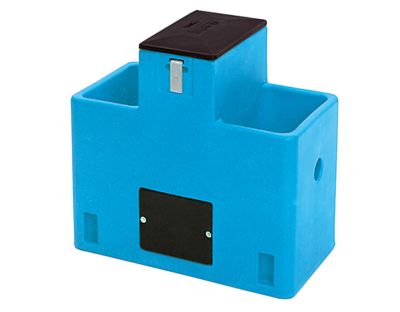
Cattle Waterers covers equipment intended for the herd rather than the kitchen or break room. Matching the equipment to its actual job keeps drinking stations practical, manageable and ready for the next refill.