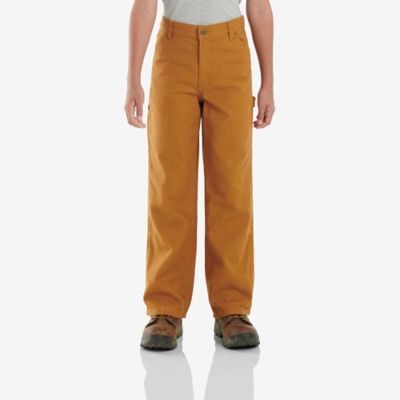
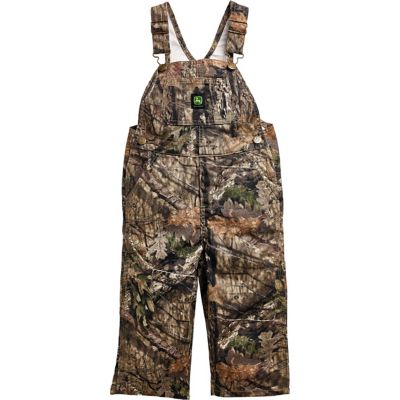
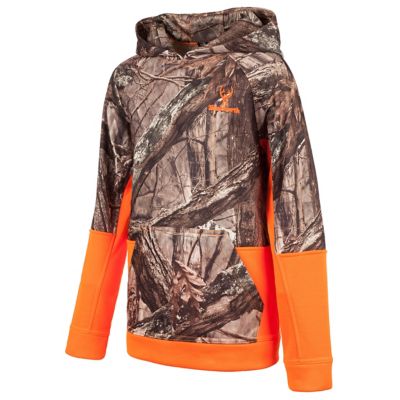
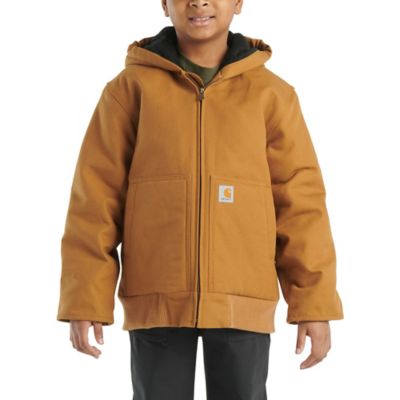
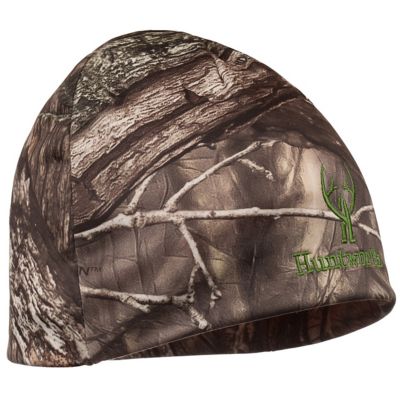
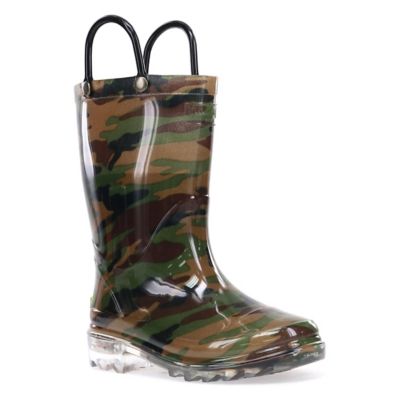
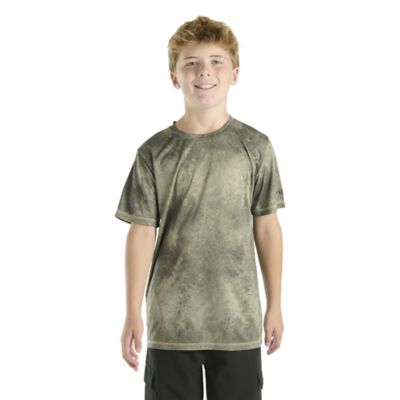
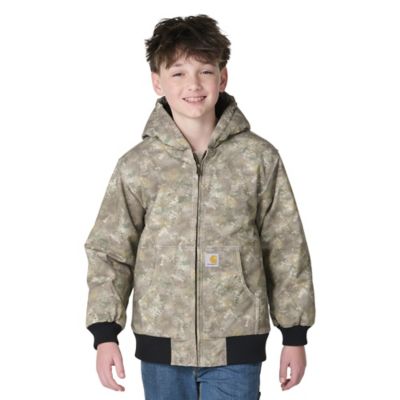
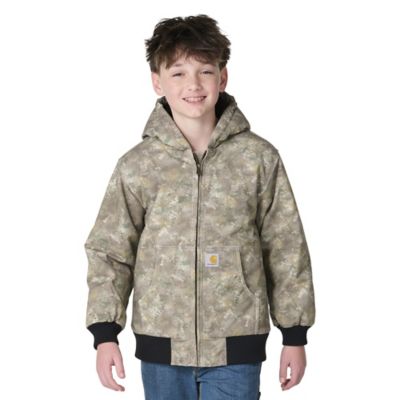
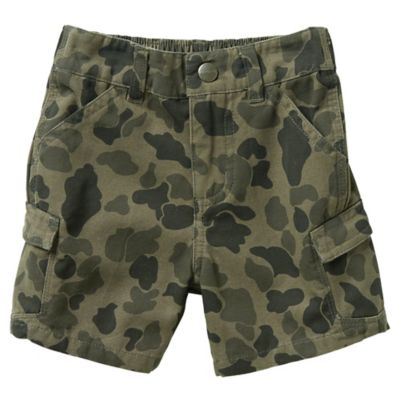
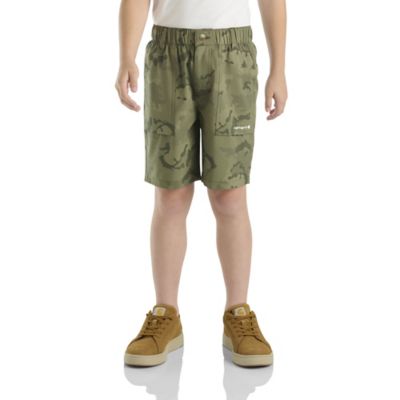
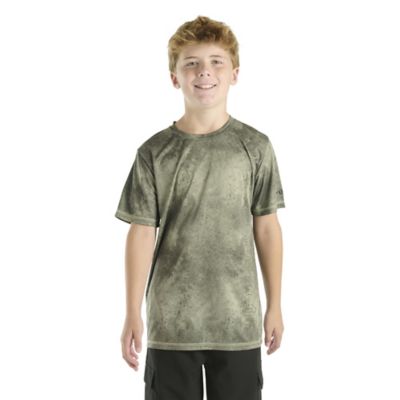
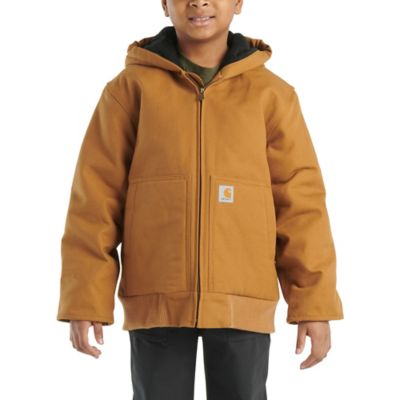
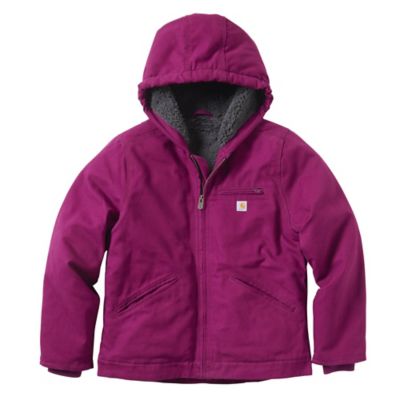
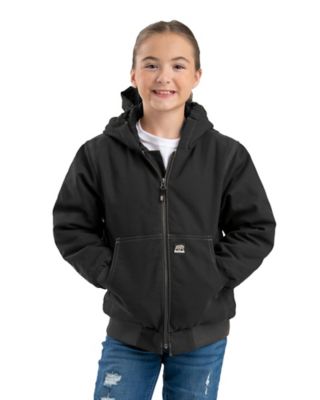
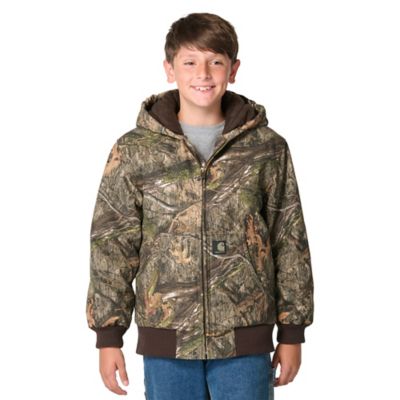
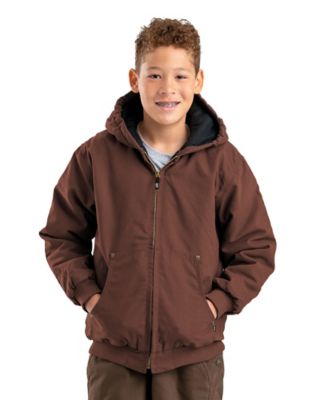
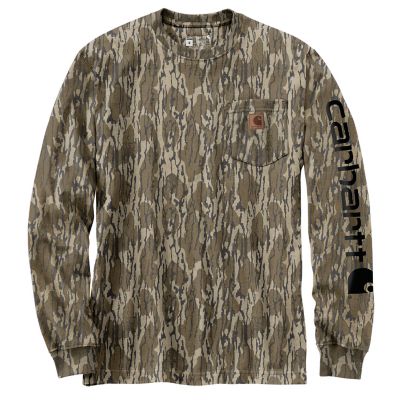
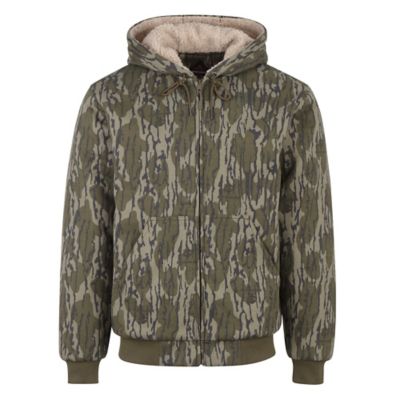
Kids’ hunting clothes are made for young outdoor enthusiasts who spend time in the woods, fields, blinds, and camp with family. The right outfit helps a child stay warm, dry, comfortable, and ready for a long morning outdoors, whether they are learning to sit quietly in a ground blind, walking along a trail, checking a tree stand with an adult, or enjoying time around camp. Youth hunting apparel commonly includes camouflage shirts and hoodies, durable pants, bib overalls, jackets, coveralls, hats, gloves, and other layers designed for changing conditions. When shopping, start with the expected weather and the kind of movement involved. A lightweight long-sleeve shirt can be a good choice for mild days and early-season outings, while a fleece pullover or insulated jacket adds warmth when the air turns crisp. For wet or windy conditions, look for outer layers that help block moisture and drafts without making it hard for a child to bend, climb, or carry a small pack. During the cooler months, a layering system usually works better than one oversized coat. A moisture-managing base layer can help move perspiration away from the skin, a warm middle layer can hold in heat, and a weather-resistant outer layer can help keep wind and light rain from cutting through. This setup also makes it easier to adjust as the day warms up or a child moves between the truck, cabin, and outdoors. Fit matters just as much as insulation. Kids should have enough room to move their arms, sit comfortably, and wear an extra shirt underneath, but clothing should not be so loose that cuffs, hems, or drawstrings catch on brush or equipment. Check the size chart, compare sleeve and inseam measurements, and remember that children grow at different rates. Adjustable waistbands, flexible fabrics, articulated knees, and roomy pockets can add comfort without making clothing feel bulky. If you are shopping for a growing child, a little extra room may be useful, but avoid sizing so far ahead that the garment gets in the way. A good fit helps a young hunter focus on the sights, sounds, and lessons of the outdoors instead of tugging at sleeves or pulling up pants.
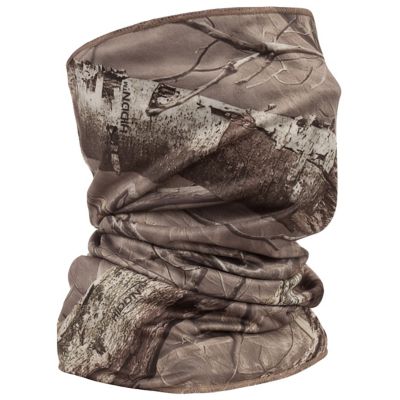
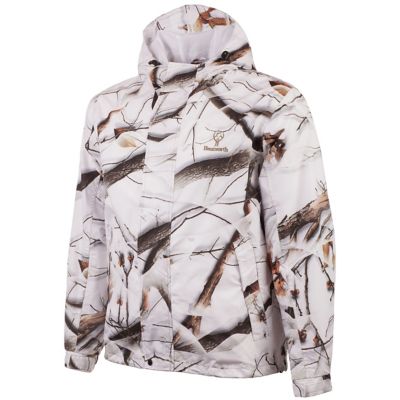
Durability is another important part of choosing kids’ hunting clothes. Children often move through rough grass, thorny edges, muddy paths, and damp leaves, so sturdy fabric and reinforced areas can make a noticeable difference. Look for pants with reinforced knees or seat areas, dependable stitching, and pockets that close securely enough to hold small necessities. Bibs and coveralls can provide extra coverage when a child is sitting on wet ground or brushing past low vegetation, while cargo-style pants offer easy access to gloves, calls, snacks, or other small items under adult supervision. A quiet fabric may be helpful for children who are practicing stillness in the field, especially when outerwear is likely to rub against a seat or pack. Camouflage patterns can help clothing blend with the surrounding terrain, but visibility and safety should always come first. Follow local hunting regulations and use the required hunter-orange clothing or accessories whenever appropriate. A blaze-orange vest, hat, or other visible layer can help adults keep track of children in wooded or open areas, particularly when more than one person is moving through the field. Clothing should also work with the rest of a child’s gear. Make sure a jacket fits comfortably beneath a safety vest, pant legs sit properly over boots, and cuffs do not interfere with gloves. Warm socks and weather-ready footwear are just as important as the jacket when a child will be standing or sitting for long periods. Hats that cover the ears, gloves that allow some finger movement, and neck gaiters or similar face coverings can help with comfort when temperatures drop. For snowy landscapes or late-season outings, you can also explore
Snow Camo Hunting Clothes for options suited to bright, wintry surroundings. Before heading out, wash new clothing according to the care instructions and check pockets, closures, and drawcords. On returning home, let damp garments dry fully before storing them, brush off mud once it has dried, and avoid high heat when the label calls for gentler care. A little upkeep helps hunting clothes stay dependable from one outdoor season to the next.
Kids’ hunting clothes can make a thoughtful gift for a child who enjoys tagging along with a parent, grandparent, older sibling, or family friend. They are useful for birthdays, holidays, the start of a new hunting season, or any occasion that marks a young person’s growing interest in outdoor skills. A simple camo shirt or warm hat can be an easy gift for a child who is just getting started, while a complete layering setup may be more useful for a child who already spends long days outside. If you are buying for someone else, consider choosing a versatile color or pattern, a practical size based on current measurements, and pieces that can be worn for more than hunting. Durable pants, fleece layers, insulated vests, and weather-resistant jackets can also serve well for hiking, camping, fishing, chores, wildlife watching, or cool mornings at a ball field. Think about the child’s personality and habits, too. Some kids prefer soft pullovers they can put on quickly, while others appreciate pockets, zippered fronts, or bibs that keep mud off their shirts. Younger children may need easy closures and simple layers they can manage with limited help. Older kids may value a more grown-up fit, stretch panels, technical fabrics, or clothing that works comfortably with a daypack. It is also wise to consider how much time the child will spend standing still compared with walking. A child who stays in a blind may need more insulation and room for layered clothing, while a child walking hilly ground may benefit from lighter fabrics, stretch, ventilation, and less bulk. Keep safety conversations part of the routine by teaching children to stay with their adult, follow posted rules, wear the proper visibility gear, and speak up when they feel cold, wet, tired, or uncomfortable. The best kids’ hunting clothes support those lessons while giving children the freedom to enjoy the familiar smell of damp leaves, the quiet before sunrise, and the excitement of learning something new outdoors.