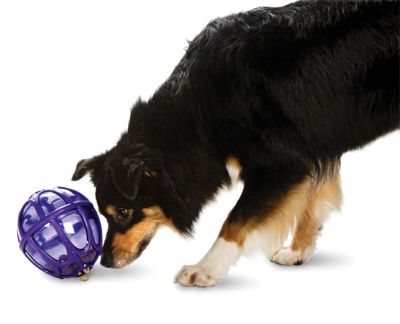
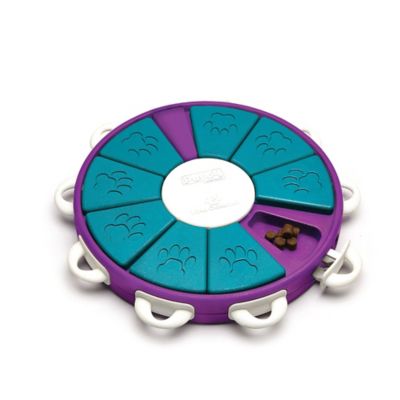
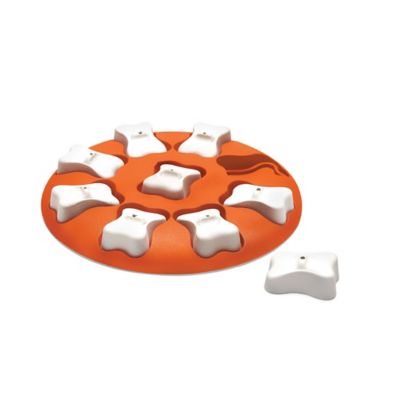
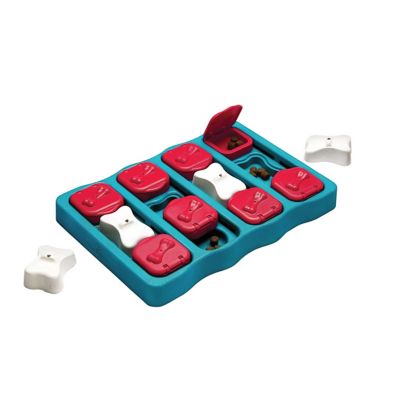
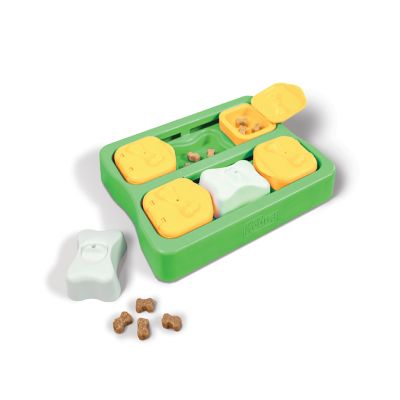
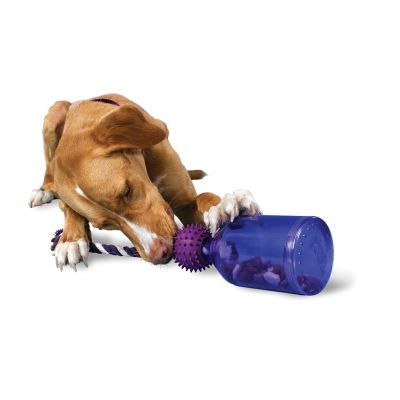
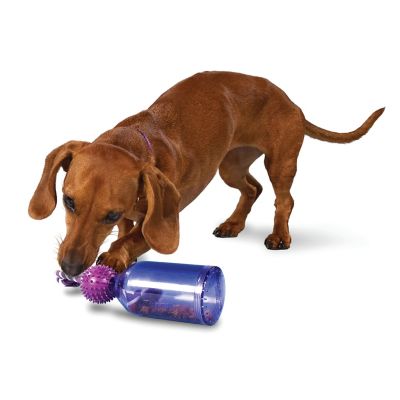
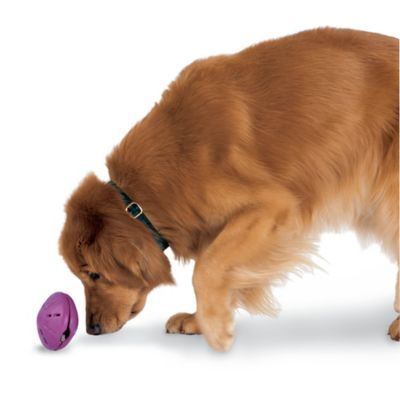
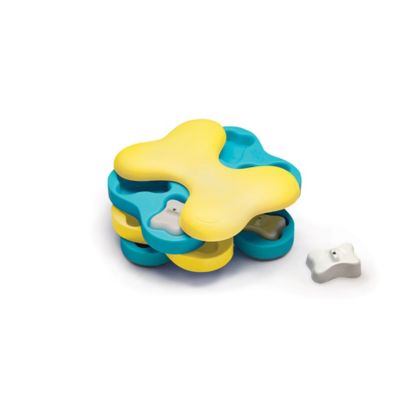
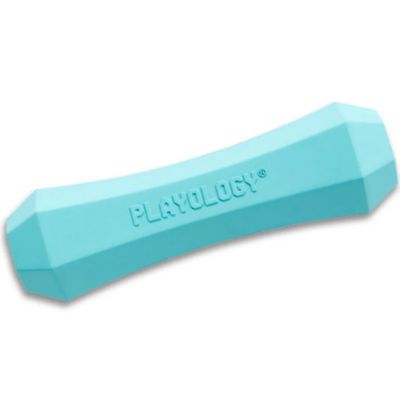
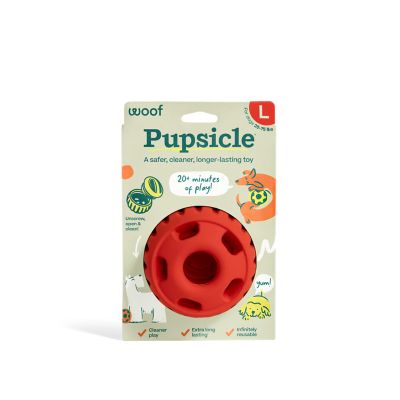
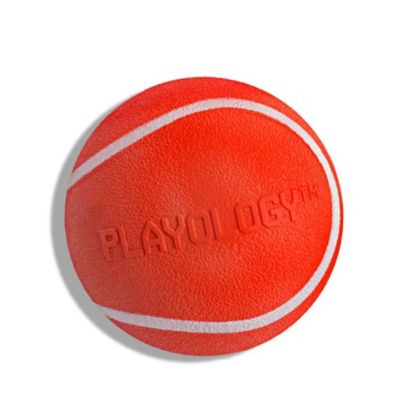
Interactive puzzle toys for dogs turn snack time and playtime into a chance to think, sniff, paw, nudge and work toward a reward. Instead of getting every bite from a bowl, your dog may need to slide a cover, lift a flap, spin a tier, roll a dispenser or nose a toy across the floor to uncover kibble or treats. That extra effort gives busy dogs a job to do and can help take the edge off boredom, especially when bad weather, a full workday or a change in routine means less time outdoors. Mental exercise can be just as valuable as a long walk for dogs that enjoy figuring things out. A puzzle toy may help break up an afternoon for a young dog with energy to spare, give a clever adult dog a new challenge, or offer a senior dog a gentler way to stay engaged. Begin with an activity that matches your dog’s experience rather than choosing the most complicated design on the shelf. Dogs new to puzzles often do best with easy-access compartments and visible rewards. Once your dog understands that nudging, sliding or lifting leads to food, you can introduce more steps and hidden spaces. Keep the first few sessions short and upbeat. A little encouragement, along with a few pieces of your dog’s regular kibble, can help the game click without leaving your pup frustrated. For younger dogs, explore options in
Puppy Puzzle Toys that are sized for smaller mouths and growing bodies.
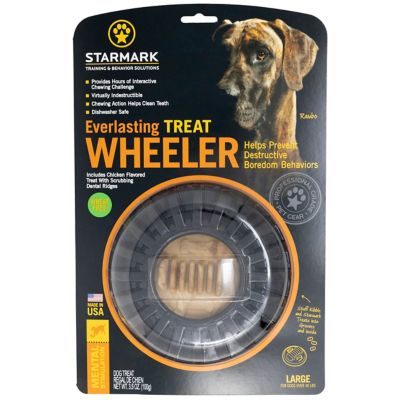
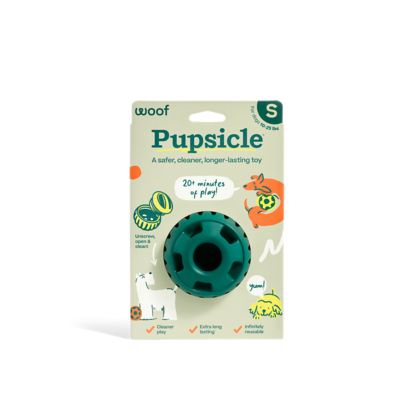
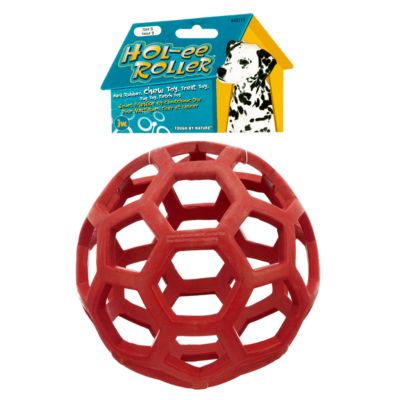
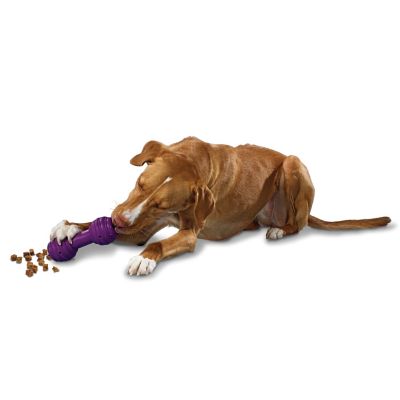
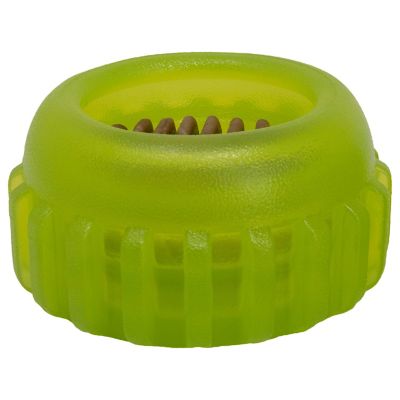
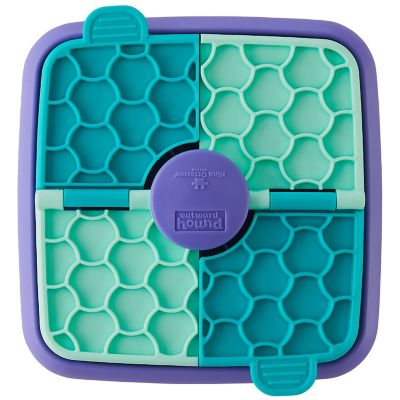
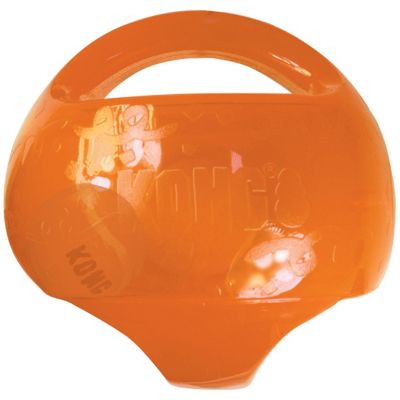
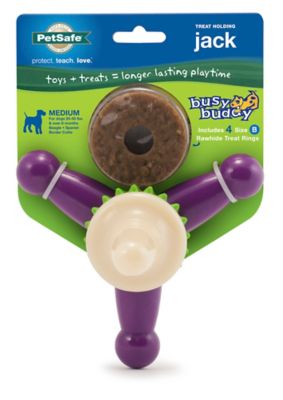
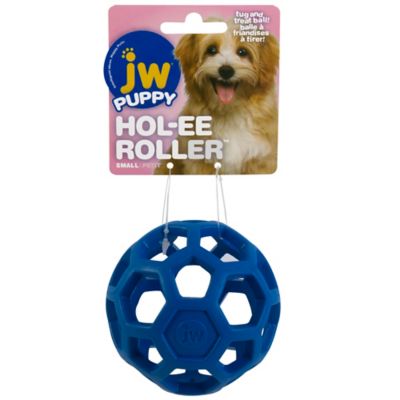
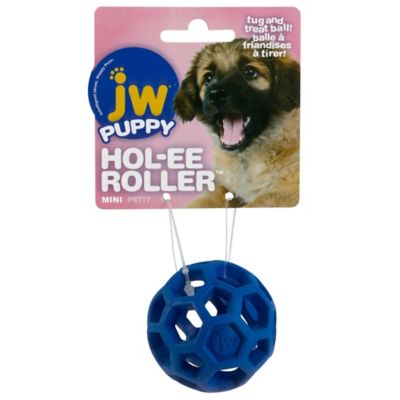
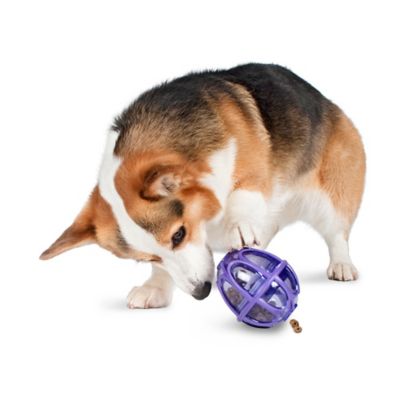
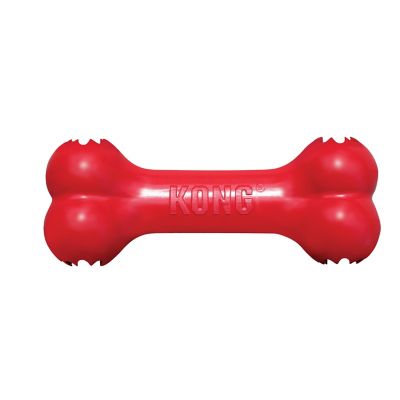
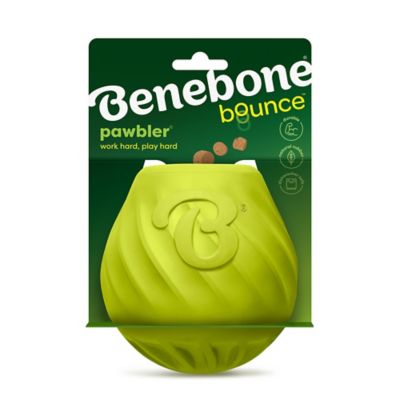
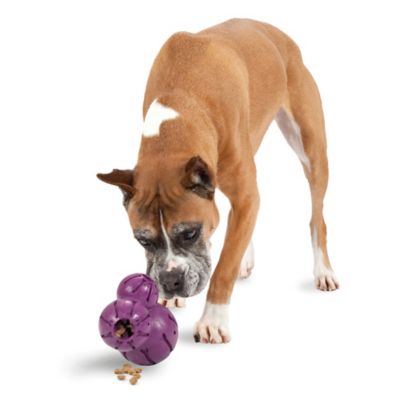
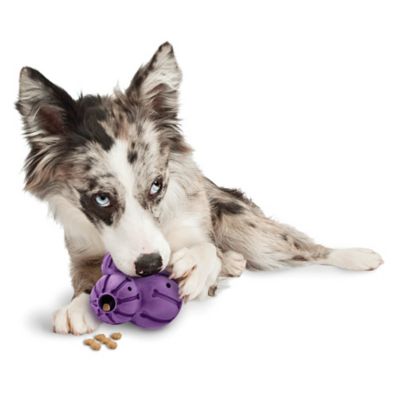
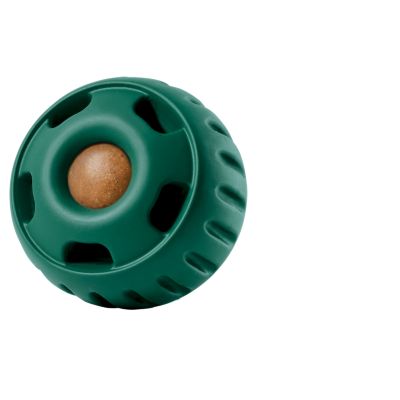
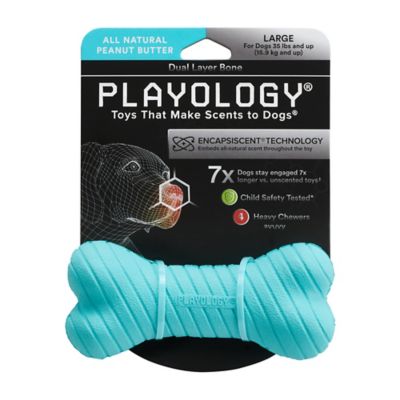
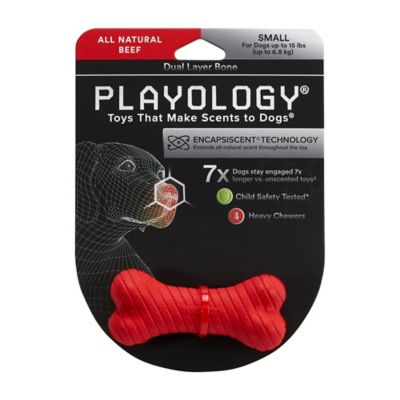
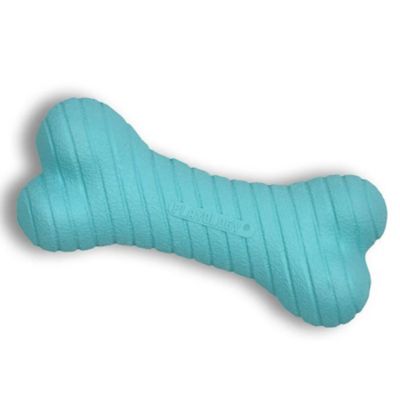
The best choice also depends on how your dog plays. A gentle sniffer may enjoy a soft, slow-paced search for hidden food, while a determined problem-solver may prefer rotating sections, sliding knobs or multiple treat compartments. Dogs that eat too quickly can benefit from puzzle designs that double as slow feeders, stretching a meal into a more thoughtful activity instead of letting your pup gulp it down in a few bites. Treat-dispensing toys that roll or wobble can add movement and work well for dogs who like to chase, nudge and follow a reward around the room. For dogs that love to chew, look for a sturdy, dog-safe design that can hold an appropriate long-lasting chew or a small amount of dog-friendly filling. Some fillable toys can be chilled or frozen to make the reward last longer during warm stretches or when you need a quiet activity inside. Use only ingredients your veterinarian considers safe for your dog, and avoid foods containing xylitol or other unsafe sweeteners. Size matters, too. The toy should be large enough that your dog cannot swallow it, but not so large or difficult that the game becomes impossible. A powerful chewer may need a more rugged option than a dog who gently carries toys from room to room. Watch the first few play sessions to see whether your dog solves the puzzle calmly or tries to pry, shred and bite through it. Even durable materials can wear down, and any toy with cracks, loose pieces or sharp edges should be taken out of rotation. Hard puzzle toys may also make a lively clatter on wood, tile or concrete floors, so a washable mat or rug can protect the floor and keep the game more peaceful.
Puzzle toys are useful for more than filling spare time. They can become part of a daily feeding routine, a reward after training, a calm activity before guests arrive or a thoughtful gift for someone bringing home a new dog. During the warmer part of the year, they give dogs a way to stay busy indoors when pavement is hot or outdoor play needs to be limited. As the weather turns cooler, a food-filled puzzle can add interest to quiet evenings and help keep an active dog from making its own entertainment out of shoes, cushions or the corner of a blanket. They can also be handy for households with multiple dogs, although each dog should have enough space to enjoy the activity without guarding or stealing. Start with separate play areas when needed, and keep an eye on dogs that become possessive around food. For clean-up, choose puzzles that are easy to take apart and wash, and remove leftover food before it dries in small openings. Rotate a few different styles rather than leaving every toy out at once; bringing back a familiar puzzle after a few days can make it feel fresh again. Supervision is important, particularly for puppies, aggressive chewers and dogs learning how the toy works. Interactive puzzles are meant to encourage safe problem-solving, not replace attention, exercise or companionship. With the right difficulty, size and reward, they can add a satisfying little ritual to the day—the sound of paws tapping across the floor, a nose working carefully along a seam, and the happy tail wag that follows a well-earned bite.