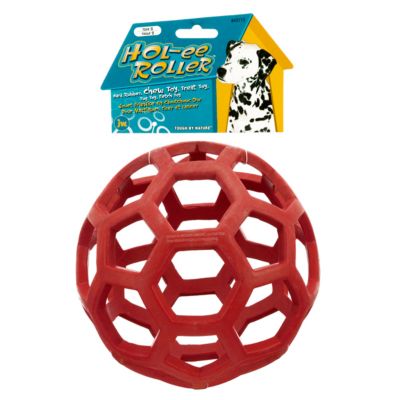
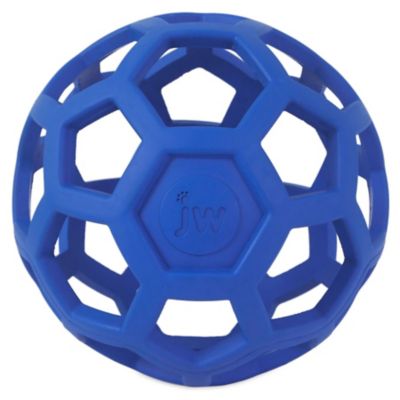
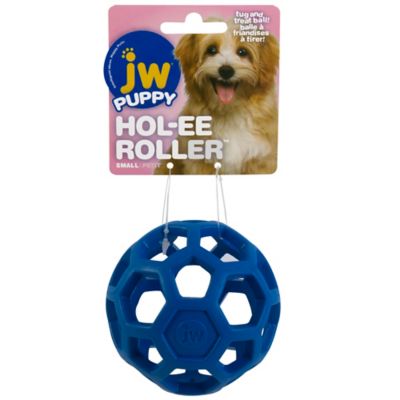
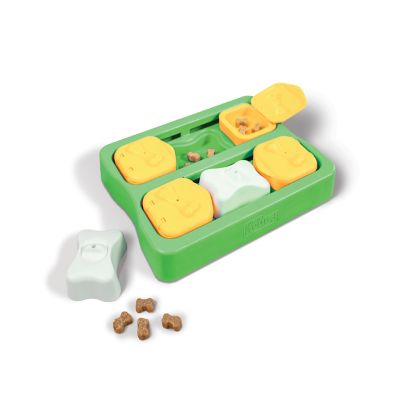
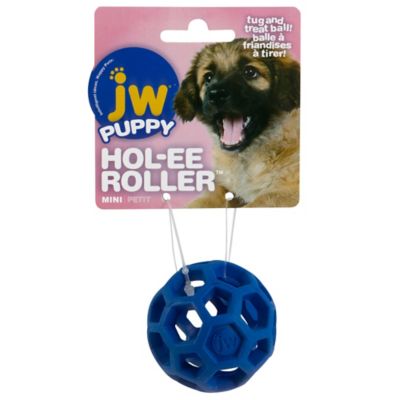
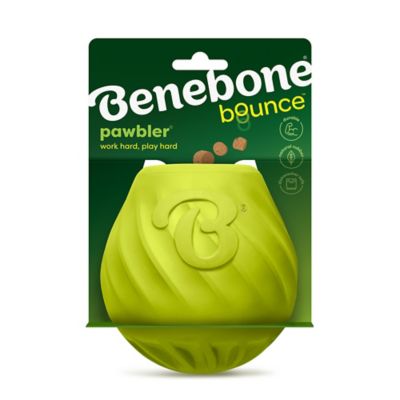
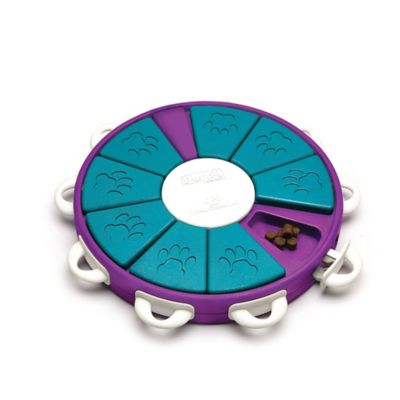
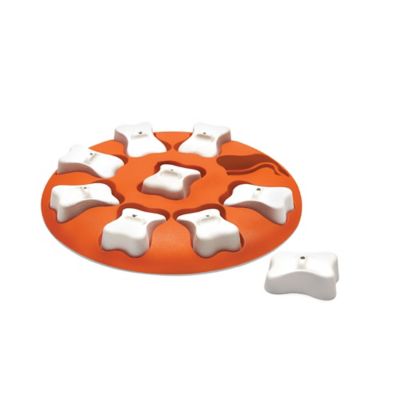
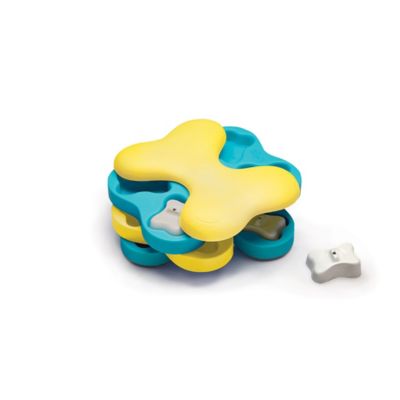
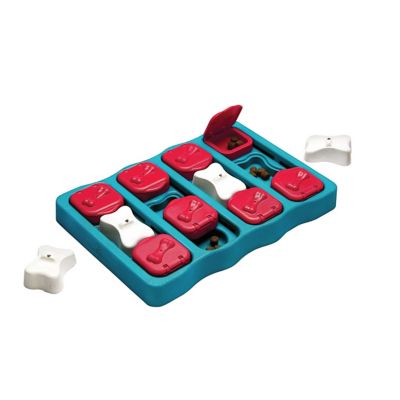
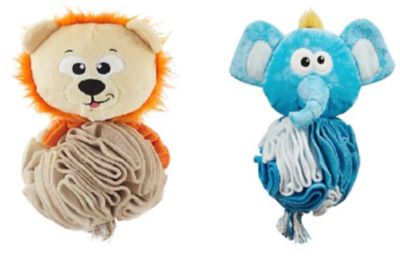
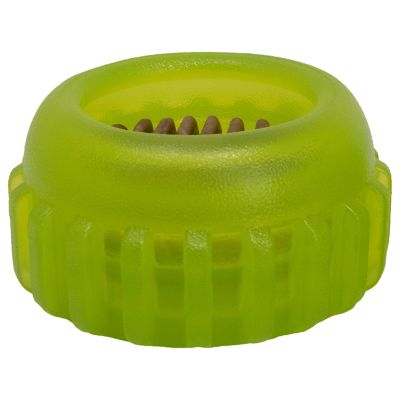
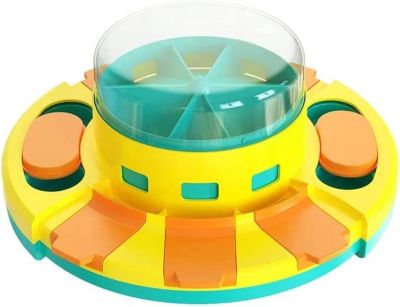
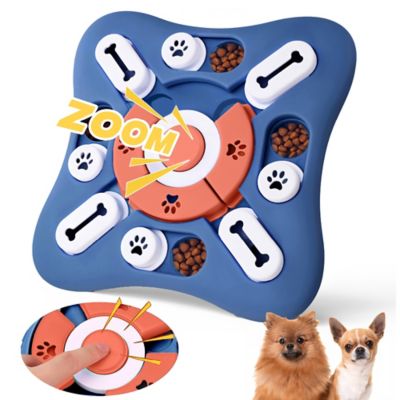
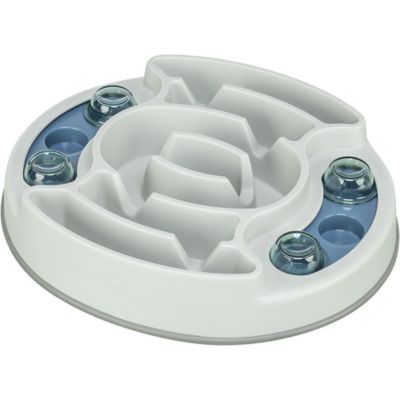
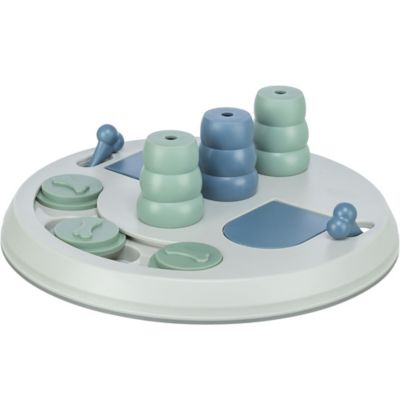
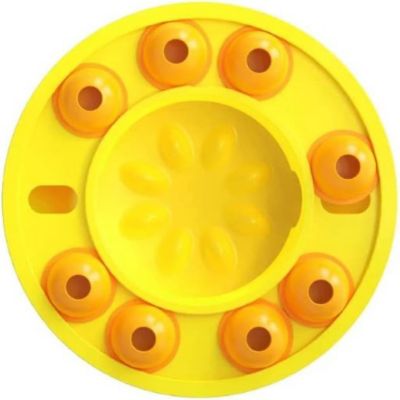
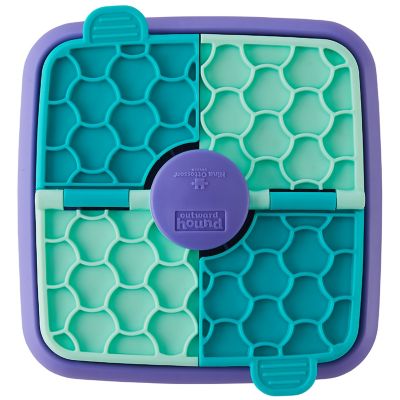
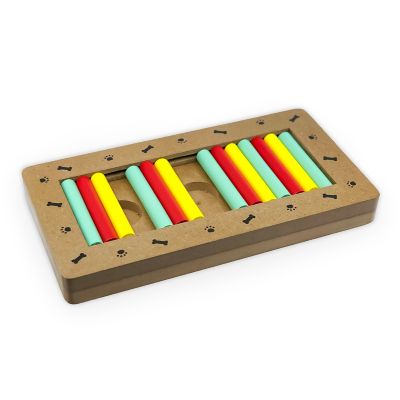
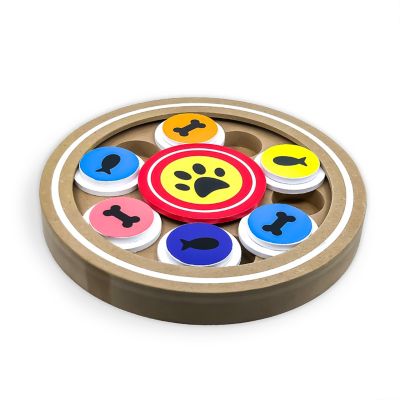
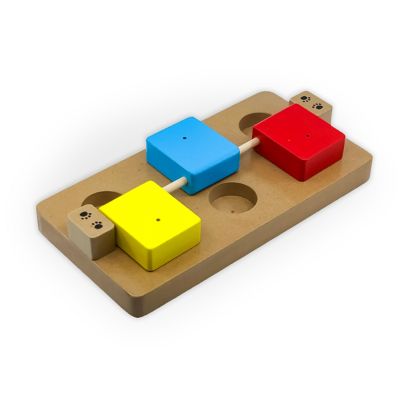
Dog treat puzzles are food-reward toys that give dogs something to figure out before they reach a bite of kibble or a treat. They encourage sniffing, searching, pawing, and problem-solving, turning a snack into an activity instead of a quick gulp. That mental work can help relieve boredom and give an eager dog a rewarding way to settle into a quieter part of the day. Some designs can also slow fast eating by releasing food a little at a time, though the result depends on the dog and the puzzle. Different styles call for different moves: sliding covers hide small food compartments, rotating layers reveal rewards underneath, and lift-up lids ask a dog to work with its nose or paws. Rolling and wobbling designs dispense bites as they move, while fabric foraging puzzles tuck food among folds or pockets. A flat puzzle board generally keeps the action in one spot; a rolling dispenser needs room to travel without disappearing beneath a couch. The best match depends less on how clever a toy looks and more on how the dog likes to investigate. A dog that noses through every corner of the feed room may enjoy searching hidden pockets, while one that bats a ball across the floor may take readily to a moving dispenser. Beginners benefit from easy-to-reach rewards and simple movements. More practiced dogs may enjoy several actions in sequence, such as sliding a cover before lifting a lid. Difficulty labels offer a starting point, but patience, experience, and physical comfort matter just as much. A puzzle should provide a manageable challenge, not leave a dog barking at a closed compartment or trying to break through it. Short, supervised sessions can fit between walks, after basic training, or while the household settles down. Treat puzzles add variety to a dog's routine, but they do not replace exercise, companionship, or a chance to get outside and sniff.
Size, construction, and ease of cleaning make a real difference in everyday use. A puzzle needs enough room for the dog's muzzle and paws without presenting small parts that could fit entirely inside its mouth. Tiny compartments may frustrate a broad-muzzled dog, while heavy lids or stiff moving pieces may be too demanding for a small dog or one with limited mobility. Puppies, adult dogs, and seniors can all enjoy food puzzles when the design suits their abilities and chewing habits. For an older dog, easy access and a steady base may matter more than a complicated challenge. For a strong chewer, resistance to bites deserves close attention, but even a sturdy puzzle is not automatically a chew toy. Molded plastic can offer defined tracks and compartments that are easy to inspect, although seams and moving joints need checking for trapped crumbs and signs of damage. Rubber designs vary in firmness and flexibility, so the maker's size and chewing recommendations matter. Fabric puzzles offer a different searching experience, but loose threads, torn pockets, or missing sections are reasons to stop play. Food-contact materials and cleaning directions should be clearly identified by the manufacturer. A nonslip bottom can help keep a board from skittering across a hard floor, especially when an enthusiastic dog leans into the task. Removable sections may make cleanup easier, provided they stay secure during play and are not a swallowing risk. Dishwasher compatibility varies, and a puzzle should go into the dishwasher only when its care directions allow it. Otherwise, cleaning with appropriate soap and water, rinsing thoroughly, and drying every compartment helps keep food residue from lingering. Soft fillings need particular attention because they can cling beneath lids and inside narrow openings. Regular checks for cracks, rough edges, loosened parts, and damaged fabric help determine when a puzzle needs replacing. In a home with several dogs, separate play spaces can keep a food activity from turning into competition. Supervision also makes it easier to notice when a dog has finished searching and started chewing the puzzle itself.
The food going into a dog treat puzzle matters as much as the puzzle's moving parts. Dry kibble works well with many dispensing designs, but the pieces must fit through the openings without pouring out all at once or jamming inside. Small training treats may suit shallow compartments, while some enclosed designs accommodate soft fillings when the manufacturer allows them. A tight opening does not necessarily make a better challenge; it can simply prevent the reward from coming out. Treat texture should also suit the dog's age, teeth, and eating habits. Hard bites may not be appropriate for a dog with dental trouble, and rich snacks can be a poor match for a sensitive stomach. For dogs following a prescribed diet or managing a health concern, a veterinarian can help identify suitable rewards. Setting aside part of the day's regular food for puzzle play can keep extra snacks from quietly adding up. Treats generally should account for no more than 10 percent of daily calories unless a veterinarian recommends otherwise. When a puzzle serves part of a meal, its capacity and dispensing pace should suit that purpose, and any remaining portion still needs to be accounted for. A slow-feeding design may lengthen mealtime, but it does not guarantee relief from a digestive condition. For a new puppy household, an active adult dog, or a senior that still enjoys a good sniff, these puzzles can make a thoughtful gift when the dog's size, diet, and play style are known. The broader range of
Dog Treat Toys includes food-reward play styles that suit different routines and levels of interaction. A practical choice is one that the dog can work comfortably, the person filling it can clean thoroughly, and both can return to without a lot of fuss. Easy access for filling, sensible portion sizes, secure moving parts, and a challenge the dog can actually solve matter more than a long list of features.