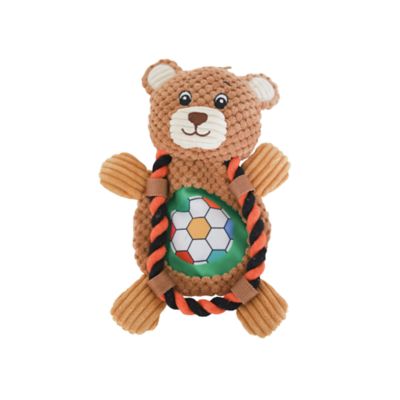
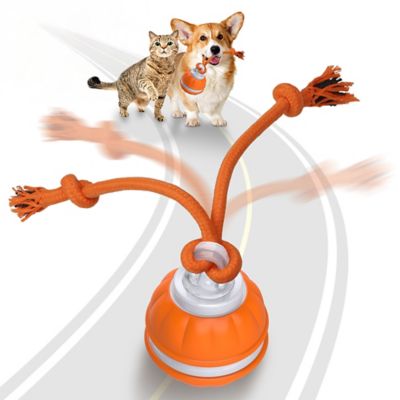
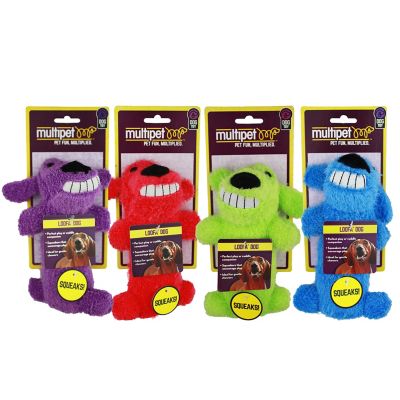
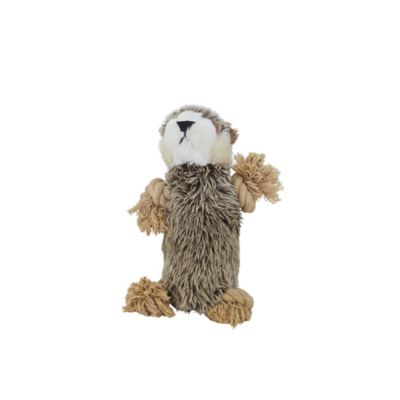
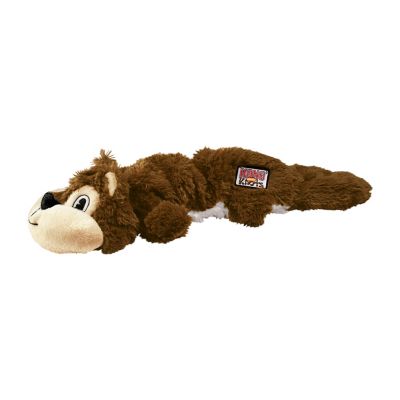
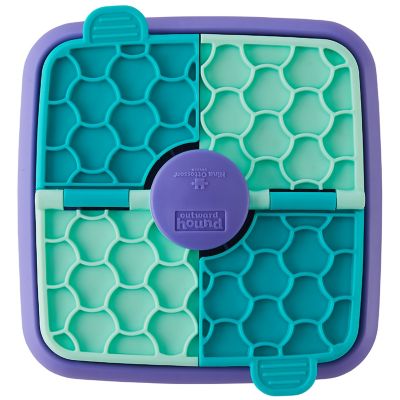
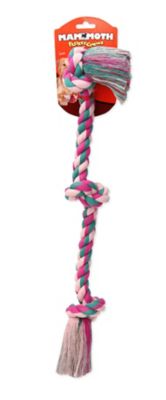
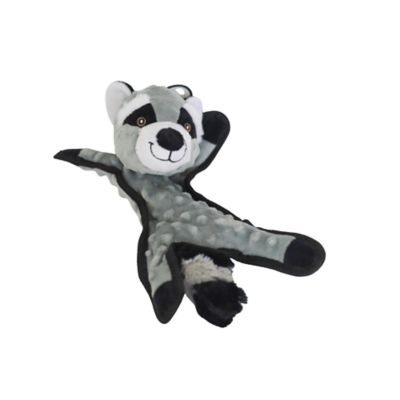
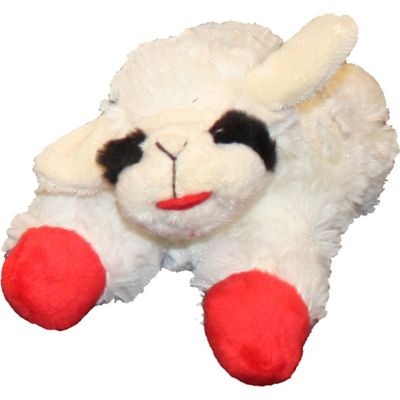
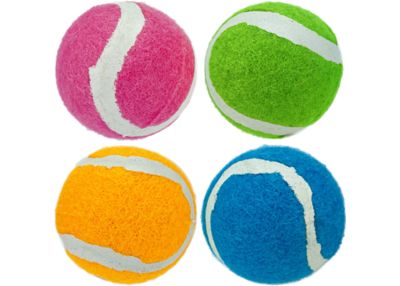
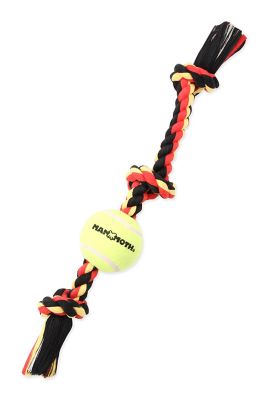
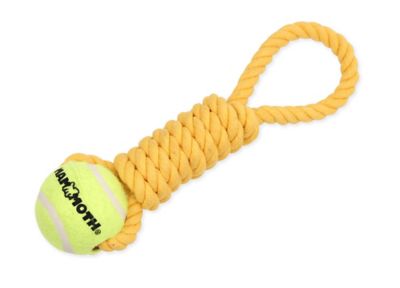
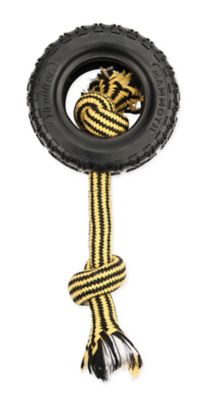
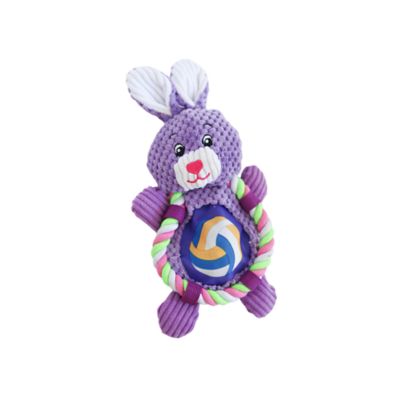
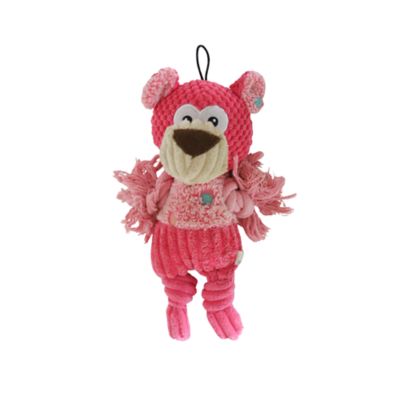
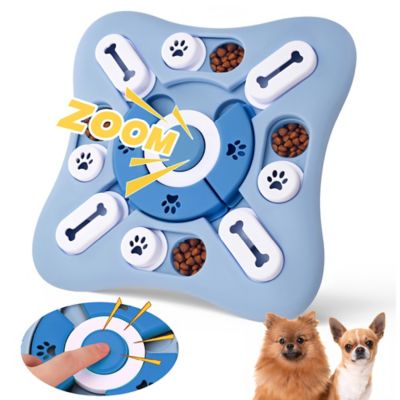
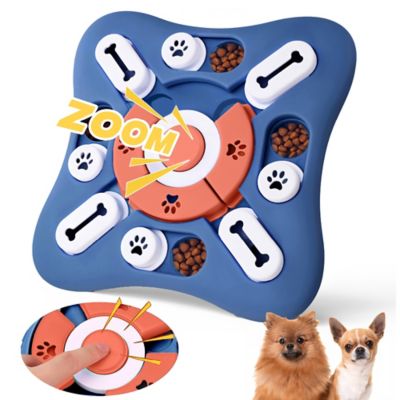
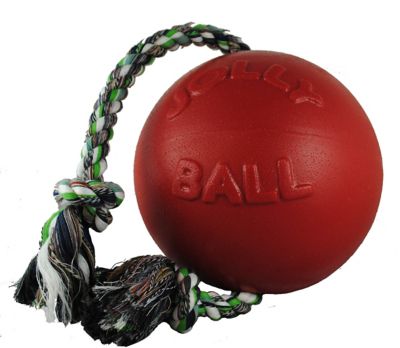
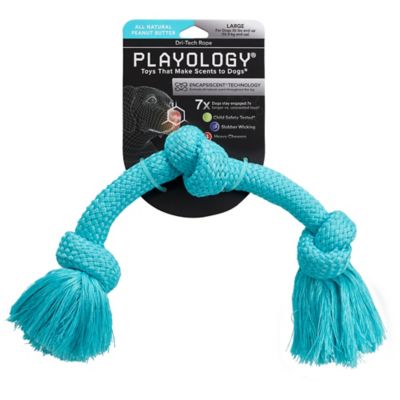
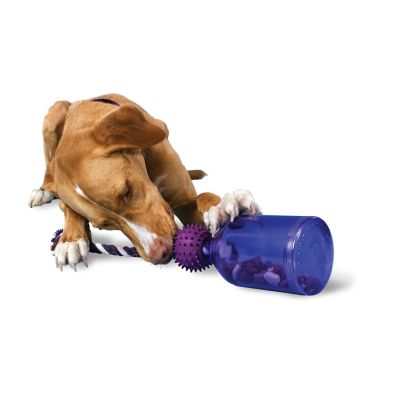
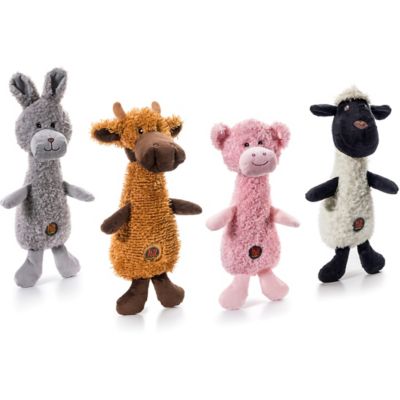
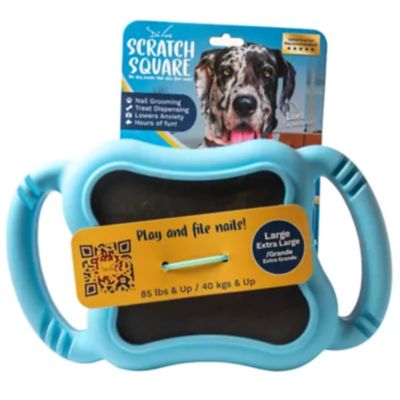
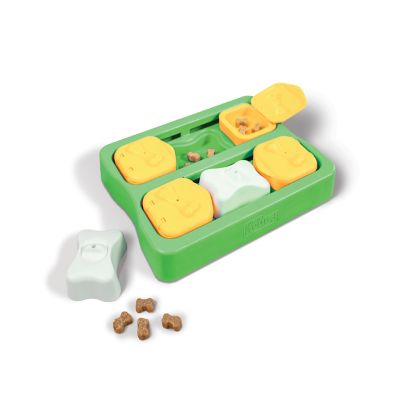
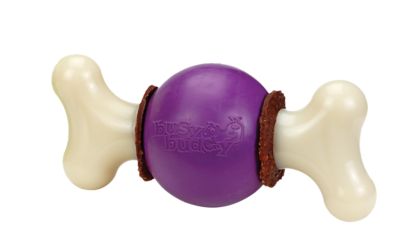
Interactive dog toys for small dogs give little paws and busy noses something to work on, with treat-dispensing puzzles, licking toys, rolling dispensers and plush hide-and-seek designs offering different ways to play. These toys invite a dog to nudge, sniff, paw, lick or retrieve rather than simply carry a toy from room to room. A sliding puzzle can turn a few pieces of kibble into a problem-solving activity, while a wobbling dispenser rewards a gentle nose bump with a small bite. Textured licking surfaces and hollow toys designed for food filling encourage a different pace, letting a dog settle in and work at reaching a tasty reward. Plush hide-and-seek toys appeal to dogs that enjoy pulling smaller pieces from a larger opening, especially when a person joins in to tuck the pieces back inside. The best match depends on what gets that particular dog's tail going. A terrier that noses into every corner may enjoy searching compartments, while a little companion dog that carries soft toys everywhere may take more interest in a fabric puzzle. For a dog that likes chasing movement, a rolling toy can make a stretch of open floor part of the game. Shape matters here: round toys tend to travel, while uneven shapes may wobble or change direction when pushed. Interactive play can add variety to everyday routines, whether a dog is working through a food puzzle near the kitchen table or sharing a hide-and-seek game after the feeding chores are done. These activities provide mental stimulation alongside walks, training and time together, not in place of them. Short sessions with a reachable reward often hold a dog's attention better than a challenge that feels impossible. A toy that invites another try without causing frustration can become a welcome part of the day, especially for a small dog with plenty of curiosity and energy to spare.
Size and construction make a real difference in how an interactive toy handles for a small dog. A small-breed label is a starting point, but the toy's dimensions, weight, openings and intended chew level tell more of the story. A dog needs to move the toy or reach its working parts without having to wrestle something too heavy or stretch around an oversized shape. At the same time, the whole toy and any accessible loose pieces need to be large enough to avoid swallowing hazards. Food openings should suit both the dog's muzzle and the size of the treats going inside; a dispenser that traps every piece can quickly lose its appeal. Rubber offers some give, although firmness varies, and suitability for chewing depends on the individual design. Silicone licking surfaces can provide shallow grooves for soft food, but they are not necessarily meant for chewing. Rigid plastic puzzles provide defined tracks, lids and compartments, making them a different choice from toys intended for carrying or gnawing. Fabric hide-and-seek toys bring softness and texture, but seams, stuffing and squeakers need particular attention with dogs that pull things apart. Small size does not mean a gentle bite, and a determined little chewer can put plenty of wear on a toy. No material makes a toy indestructible, so matching the construction to the dog's habits matters more than judging by appearance alone. Non-slip bases can help keep stationary puzzles from scooting away, while lighter moving toys may be easier for a small dog to push. Puppies bring another set of needs as their mouths grow and chewing habits develop;
Dog Toys For Small Puppies offers a related category for that stage. Older dogs may appreciate easy-to-reach rewards and pieces that move with a light nudge. Dental concerns, limited vision or stiff joints can also affect which motions feel comfortable, making a simple, accessible design a better fit than a complicated puzzle.
Everyday care helps keep interactive small-dog toys ready for the next round. Food-contact surfaces need cleaning according to the manufacturer's directions, with close attention to grooves, seams and hollow spaces where crumbs or soft fillings can collect. Dishwasher suitability varies by toy, and fabric pieces may have different washing requirements from rubber or plastic components. Thorough drying matters before storage, especially inside enclosed spaces. Designs with accessible compartments or parts intended to come apart for cleaning can make that upkeep less of a chore. Treat size also affects the experience: pieces that are too large may jam a dispenser, while tiny crumbs can fall out before a dog has much work to do. Part of a dog's regular kibble portion can serve as the reward when the toy is designed for it, and treats or fillings count toward the day's food intake. Fillings need to be appropriate for dogs and consistent with any dietary restrictions; peanut butter, for example, must be free of xylitol. Not every dog needs a food reward, either. Finding a hidden plush piece or sharing a gentle retrieve game can be the payoff for dogs that enjoy those activities. Supervision gives a person the chance to notice whether a toy is engaging, too difficult or turning into a chewing project. Cracked surfaces, torn fabric, exposed stuffing and loosened pieces are reasons to take a toy out of play. Keeping a few different play styles in rotation can add interest without making every session more complicated. One day may call for an easy nose-work puzzle, another for a rolling dispenser in a clear space away from stairs. Interactive toys can also make thoughtful gifts for small-dog households when the dog's size, chewing habits and food needs are known. The most useful choice fits both the dog's way of playing and the household's routine, with manageable cleaning, comfortable handling and plenty of chances for a person and dog to enjoy the game together.