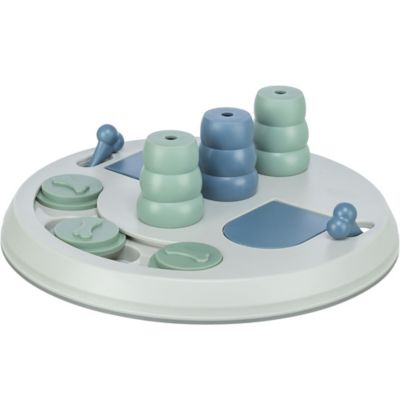
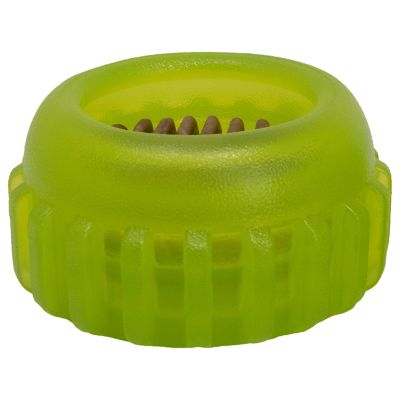
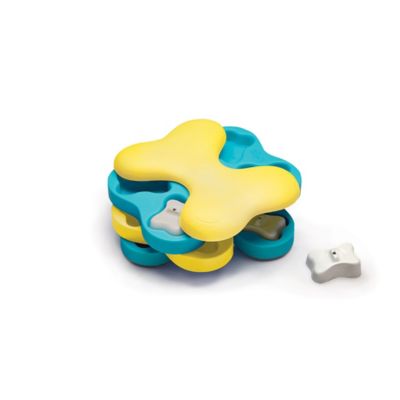
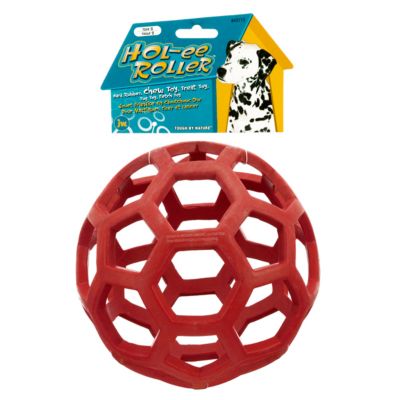
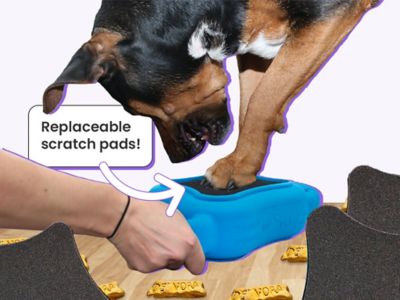
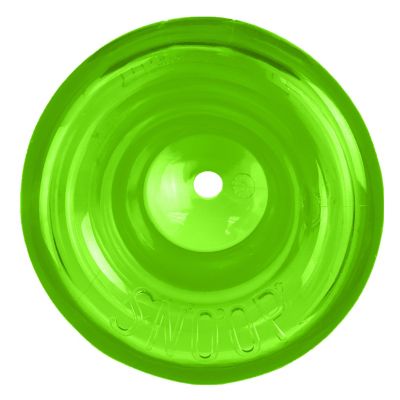
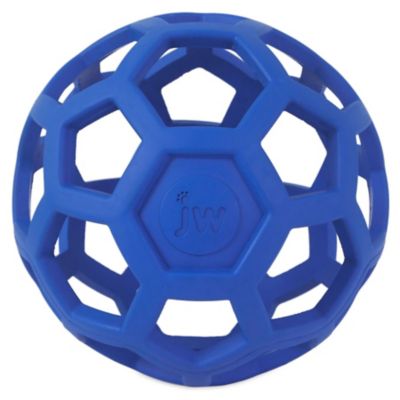
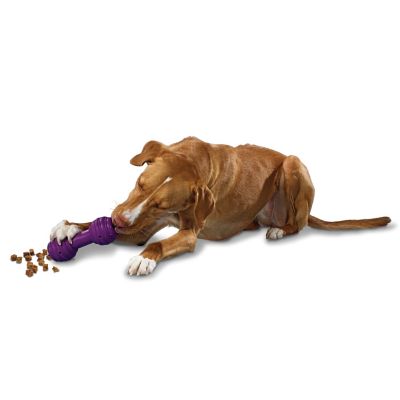
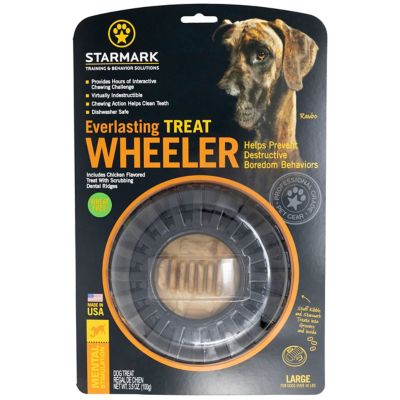
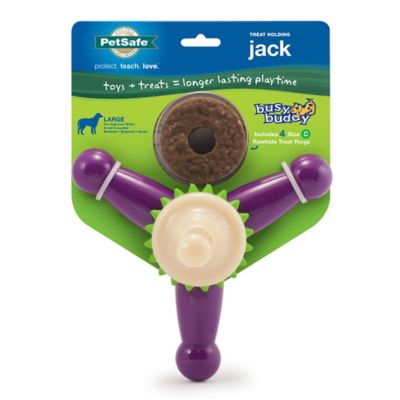
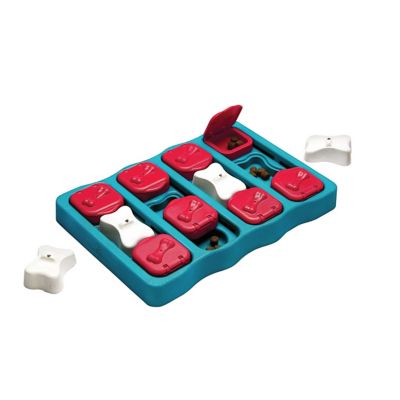
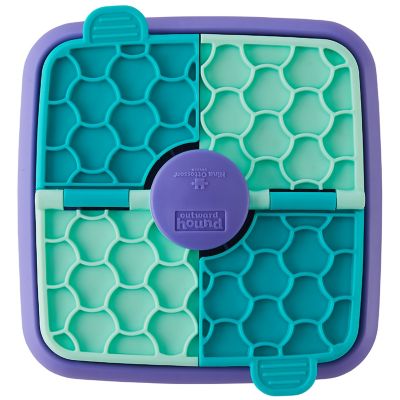
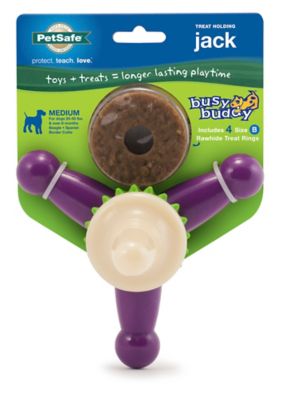
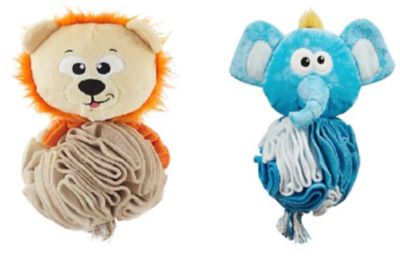
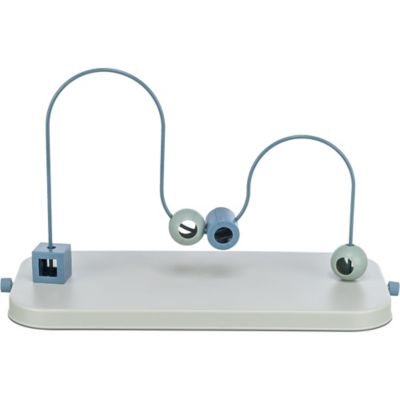
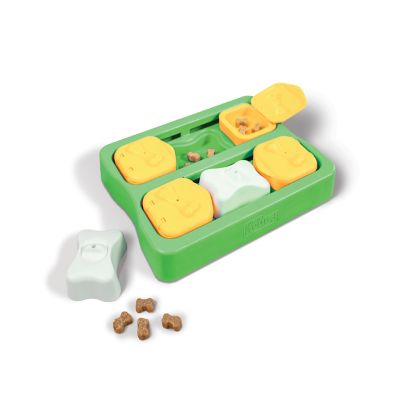
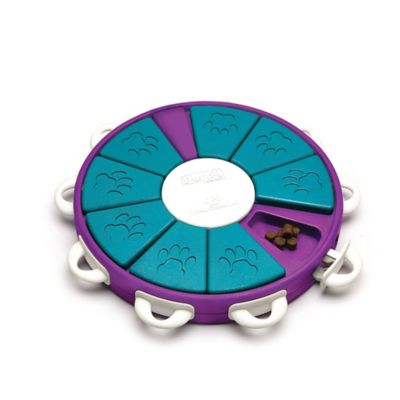
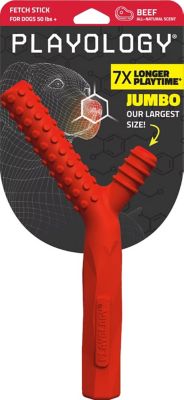
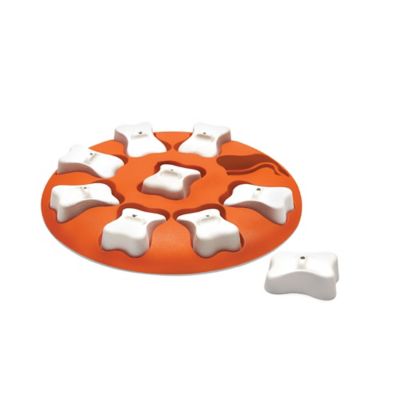
Dog puzzle toys for large dogs give busy noses and big paws something to work on beyond the usual game of fetch. These toys turn treats or part of a meal into a small problem to solve, whether a dog nudges a rolling dispenser, noses open a compartment, or searches through fabric folds. A good fit combines appropriate sizing, manageable challenges, and materials suited to the dog’s play style. Large dogs need room to reach rewards without squeezing their muzzle into tight spaces, and any accessible parts need to be sized so they cannot easily become swallowing hazards. Size alone does not tell the whole story, though. A gentle giant that carefully sniffs every pocket may enjoy a different puzzle than an energetic dog that leads with a paw. A larger body also does not automatically call for a harder challenge. Simple treat-release designs can hold a beginner’s attention, while sliding covers and linked actions offer more steps for dogs already familiar with puzzle play. Food-dispensing toys add movement as a dog pushes them across the floor, while stationary puzzles keep the activity in a smaller area. Foraging mats encourage searching with the nose rather than chasing a moving object. Each style brings a different kind of engagement, making the dog’s habits more useful than breed size alone when comparing options. The shape of the rewards matters, too: small pieces may fall through an opening too quickly, while larger pieces can jam inside and leave a dog working without a payoff. Product dimensions, opening sizes, and feeding directions help make those differences clear. A broad base can give a big dog more working room, and a nonslip underside may help keep a stationary puzzle from skidding with every nudge. Enough clear floor space allows the dog to move around the toy without knocking into chair legs or reaching beneath furniture. That makes puzzle time easier to manage beside the kitchen table or in another quiet spot around the house.
Materials and construction matter because solving a puzzle and chewing a toy are two different activities. Molded rubber can offer some give, while rigid plastic can support sliding tracks, covers, and compartments. Fabric designs provide places to tuck food for sniffing and searching, but they may not suit a dog that grabs, shakes, or tears loose material. No material is chew-proof, and a puzzle board intended for nose-and-paw interaction is not a substitute for a chew toy. A powerful chewer may need close attention even with a generously sized puzzle, especially once the food is gone and chewing becomes the next activity. Loose covers, removable cups, and other small components deserve particular attention around dogs that pick up and carry whatever they can reach. Supervised play makes it easier to notice that change from problem-solving to pulling things apart. A dog that starts biting at edges, splintering plastic, or swallowing fabric needs the activity stopped and the toy checked. Cracks, missing pieces, sharp edges, and exposed filling are reasons to take a puzzle out of play. Fit also includes comfort: a heavy toy may be awkward for a dog with neck discomfort, and deep compartments can be difficult for some muzzle shapes. Older dogs may appreciate shallow openings, easy movement, and a steady surface rather than a puzzle that demands hard pawing. Care requirements are worth considering before food gets packed into every corner. Smooth surfaces and accessible compartments make it easier to remove crumbs and residue. Removable sections can help with cleaning when the design allows them, but washing methods should follow the manufacturer’s directions. Dishwasher suitability varies, and fabric pieces need thorough drying after washing. Wet food and sticky fillings call for prompt cleanup, while dry kibble still leaves crumbs and oils behind. Putting a clean, fully dry puzzle away between sessions helps keep the next round of play ready to go.
The most satisfying dog puzzle toys for large dogs offer a challenge the dog can actually finish. An easy first session might involve a few visible treats and a cover left partly open, giving a curious nose an obvious place to start. Once the dog understands how the reward appears, more compartments or extra movements can add interest without making every attempt a struggle. Skill levels on packaging are a starting point rather than a promise; patience, experience, food interest, and paw control all affect how a dog approaches the same task. A dog that pushes a puzzle aside may need a simpler setup, while one that clears it quickly may enjoy a different action rather than just more food. Short, successful sessions often fit better into everyday life than a long stretch of frustration. After a walk, a little nose work can offer another kind of activity while the household settles down, but puzzle play does not replace exercise, social time, or training. For dogs that rush through meals, some food-dispensing designs can spread out access to kibble, provided the toy suits the food size and the dog’s eating habits. Measured portions keep those rewards part of the day’s feeding plan instead of an unnoticed extra meal. Treat size and ingredients should also match any dietary restrictions, with veterinary advice for dogs managing a health condition. In homes with several dogs, separate puzzle sessions can reduce competition and give each dog room to work without guarding food. Households raising a large-breed youngster can also explore
Puppy Puzzle Toys for that early stage, with fit checked often as the dog grows. For an adult dog, the right match comes back to practical details: enough room for a broad muzzle, parts appropriate for a large mouth, a challenge that rewards effort, and construction that fits the intended activity. Those details help turn a food reward into an engaging part of the dog’s regular routine.