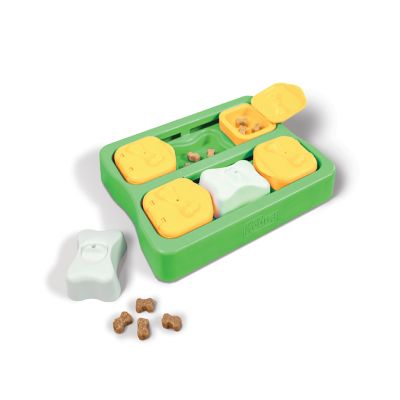
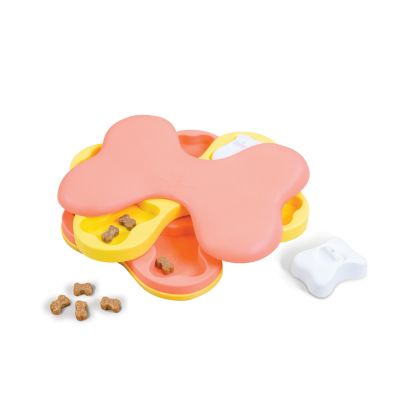
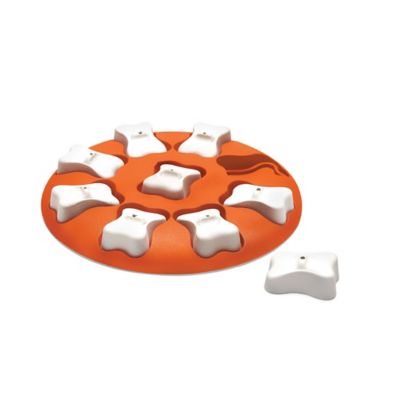
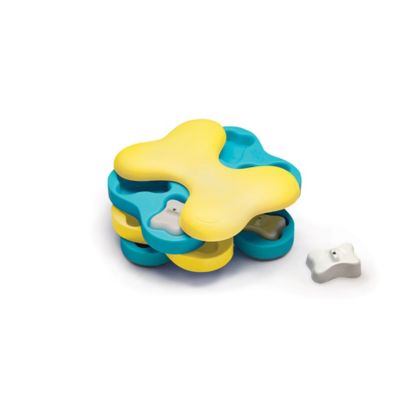
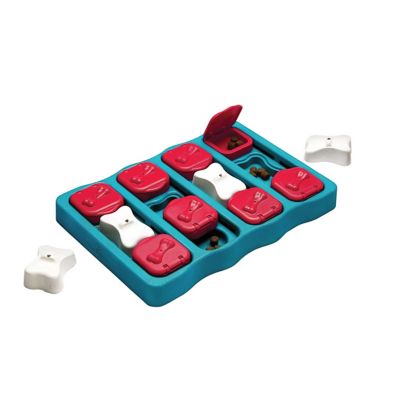
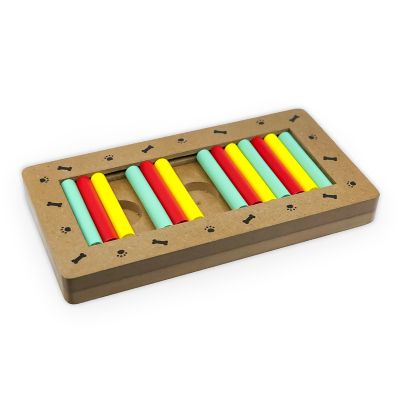
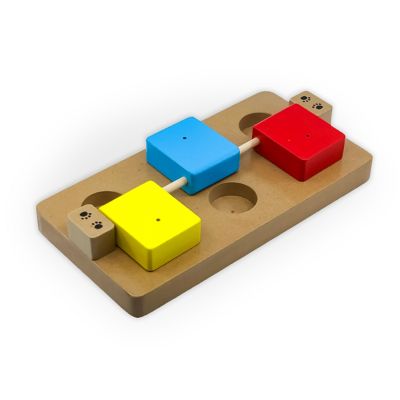
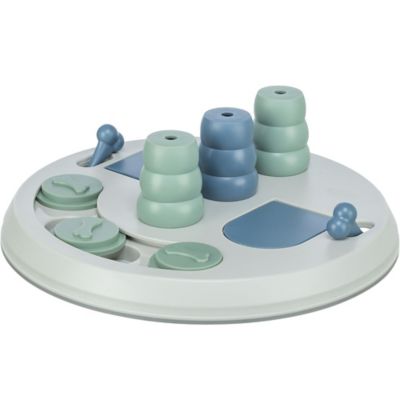
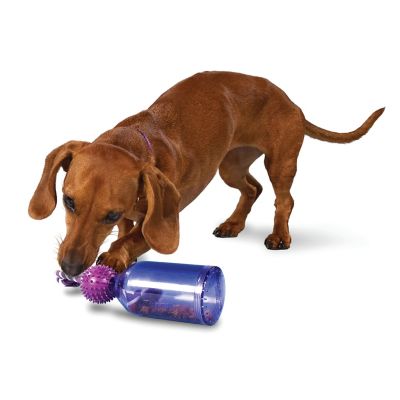
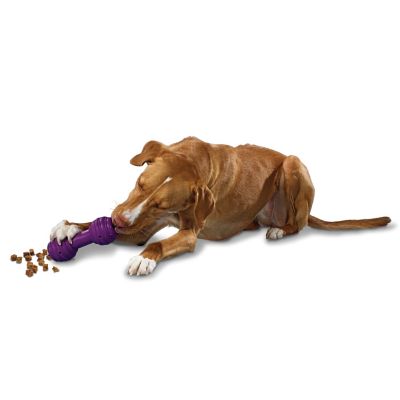
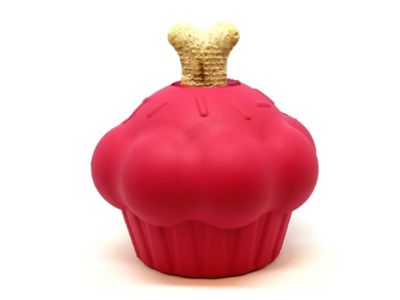
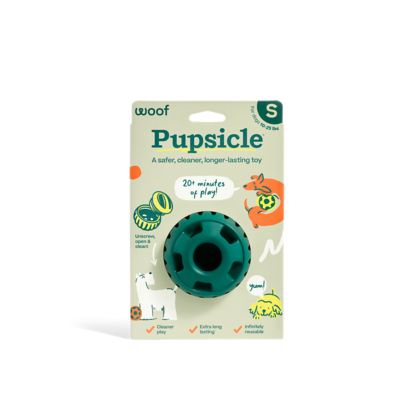
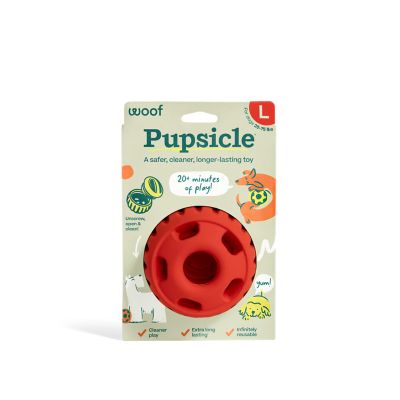
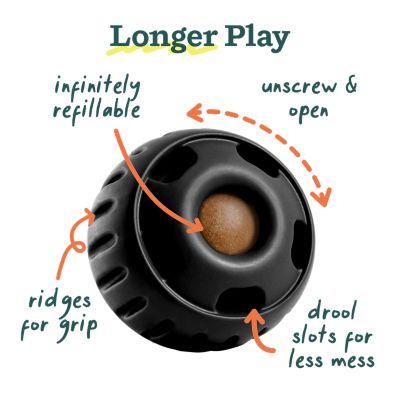
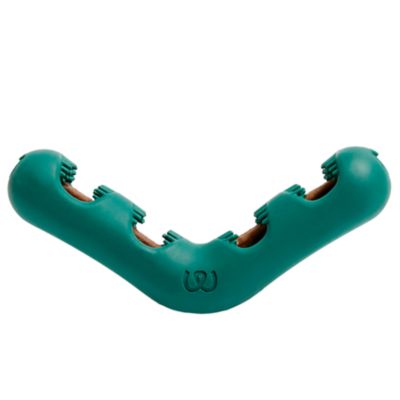
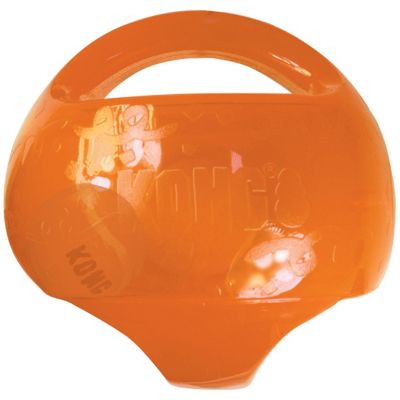
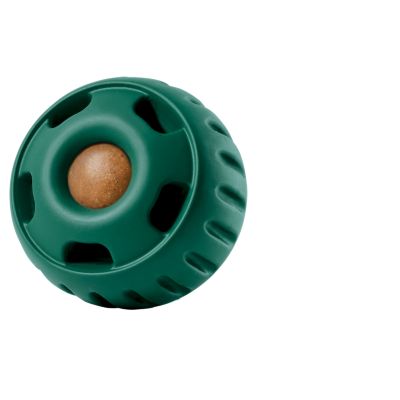
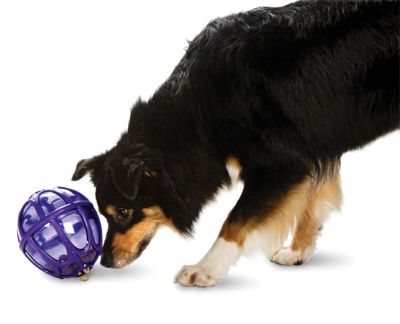
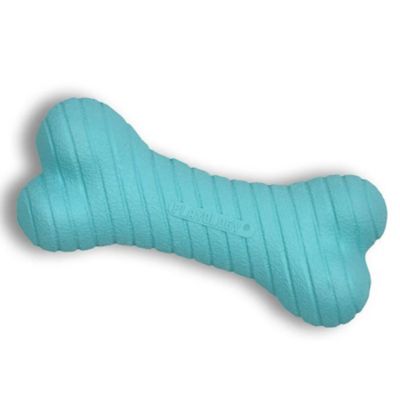
Puppy puzzle toys give young dogs a job to do when a walk around the yard or a round of fetch does not quite take the edge off their energy. These interactive toys are made for sniffing, nudging, sliding, lifting, pawing, and working out how to reach a hidden treat or piece of kibble. That kind of play taps into a puppy’s natural curiosity and nose-led instincts while helping build patience and focus. A busy puppy may be more likely to settle down after spending time solving a simple food puzzle, especially during the cooler months when outdoor play is shorter or on rainy days when muddy paws need to stay inside. Puzzle toys can also help redirect chewing, digging, and general mischief toward something appropriate. They are useful for puppies learning to spend a little time on their own, dogs that need a change from the same old ball, and families looking for an engaging way to make everyday meals more interesting. They can even make a thoughtful gift for a new puppy, a growing dog that seems to have endless get-up-and-go, or a friend welcoming a rescue pup home. For more playtime ideas across different ages, sizes, and activity levels, browse
Best Dog Toys.
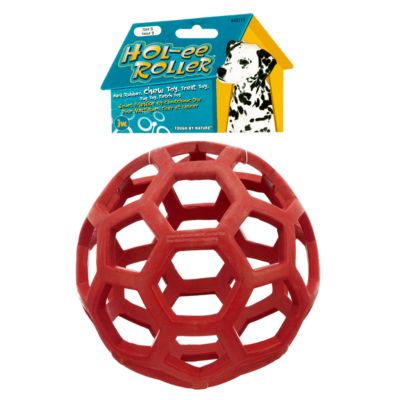
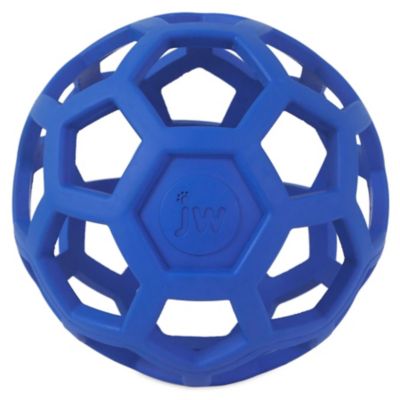
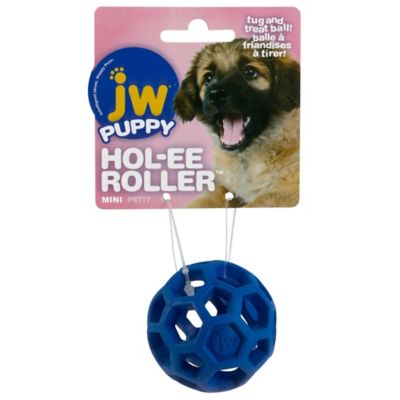
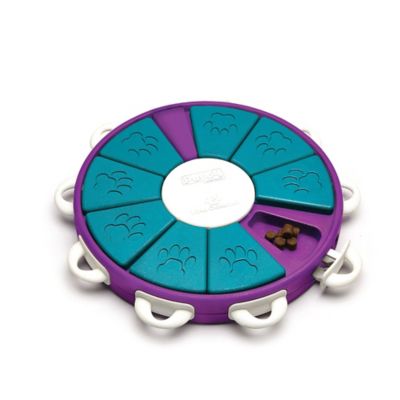
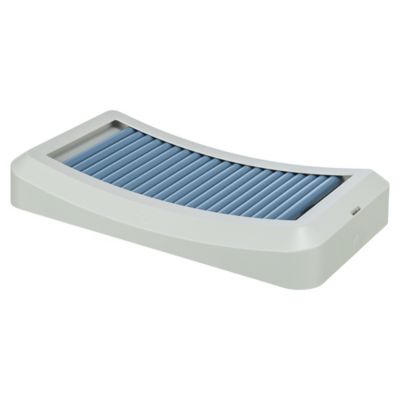
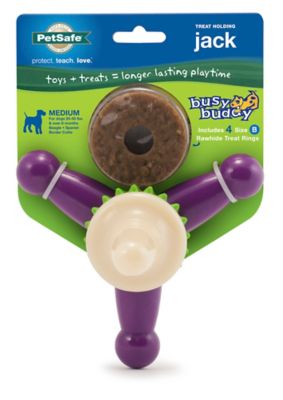
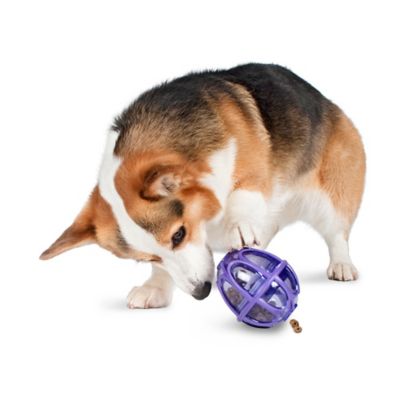
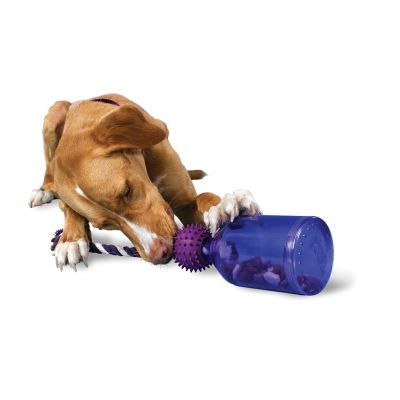
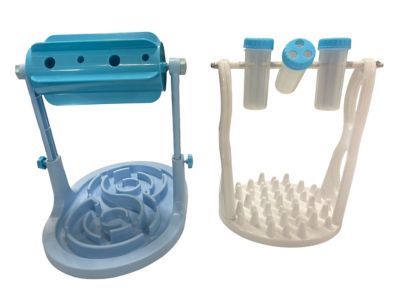
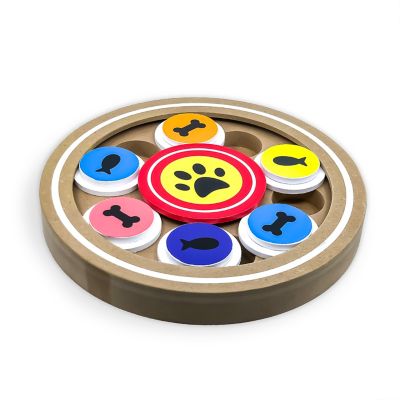
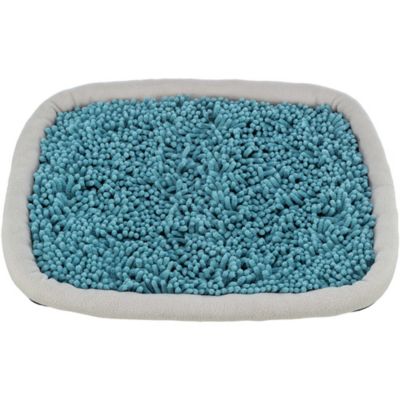
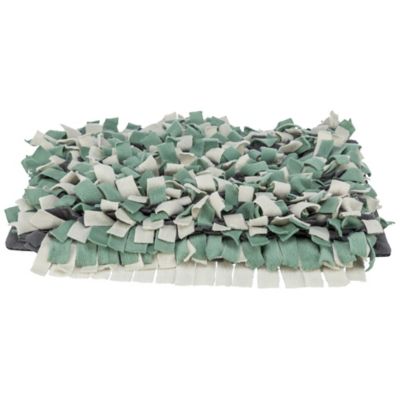
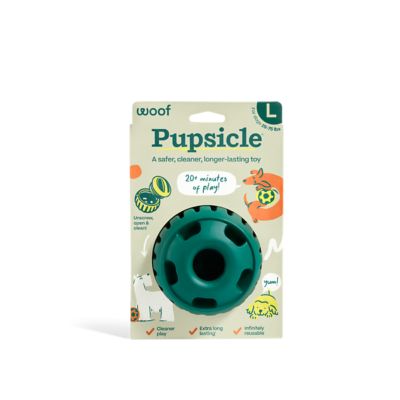
When choosing puppy puzzle toys, start with your dog’s age, size, confidence, and chewing style. A young puppy that is new to interactive play will usually do best with a beginner-friendly design that has easy-to-find openings and a straightforward way to get the reward. Once your pup understands the game, you can move to puzzles with more steps, covered compartments, sliding pieces, or areas that require a little extra nose and paw work. Treat-dispensing balls and weighted wobblers can turn a few bites of food into a slow, active game as your puppy bats, nudges, and rolls the toy across the floor. Snuffle mats use fabric folds and pockets to hide scattered kibble, encouraging the kind of steady sniffing that can help a busy pup slow down and settle. Some puzzle boards and mats also work well as slow feeders for puppies that gulp their meals. Soft hide-and-seek toys offer a different sort of challenge, giving puppies a chance to pull smaller pieces from a larger shape while enjoying a little squeaky fun. Use part of your puppy’s regular meal in place of extra treats when possible, and keep richer rewards in small portions. A few minutes of focused searching can go a long way, and the experience should feel like a game rather than a test. Begin by showing your puppy how the toy works, then let them take over. Praise calm effort, and make the puzzle easier if your dog becomes frustrated, loses interest, or starts chewing the toy instead of solving it.
Safety and supervision matter with any puppy puzzle toy, especially while your dog is learning how to use it. Pick a size that cannot be swallowed and avoid pieces that are loose, cracked, splintered, or small enough to lodge in a puppy’s mouth or throat. Puppies have sharp little teeth and plenty of determination, so inspect toys often for torn fabric, broken plastic, damaged seams, or missing parts. Soft toys may be a good fit for gentle players, while strong chewers need sturdy construction and close supervision; no toy is completely indestructible. Take away a puzzle if your puppy begins shredding it, guarding it, or trying to force open a compartment with their teeth. Place food puzzles on a washable surface, since scattered kibble can roll beneath furniture and snuffle mats can hold crumbs if they are not cleaned regularly. Follow the care directions, wash items as needed, and let fabric pieces dry fully before putting them back into rotation. It is also helpful to offer one puzzle at a time and rotate several styles so your puppy stays interested without becoming overwhelmed. Keep sessions short at first, then gradually add time as your dog gains confidence. During warm stretches, provide fresh water and use food puzzles indoors or in a shaded spot; during wet or chilly weather, they can add useful mental exercise when outdoor time is limited. With the right match and a little supervision, puppy puzzle toys can turn breakfast, dinner, or a quiet afternoon into rewarding work that helps a young dog learn, sniff, think, and relax.