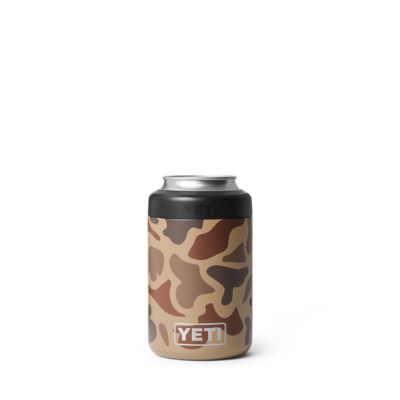
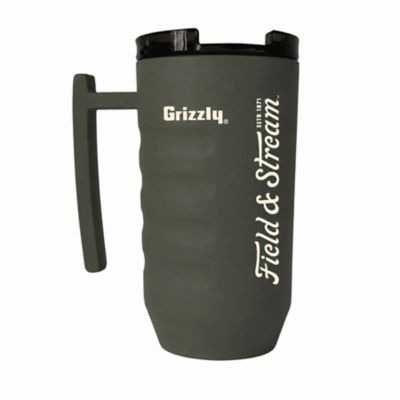
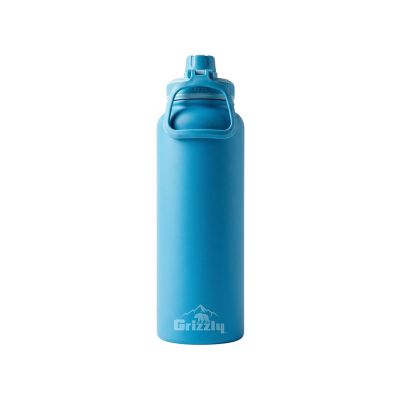
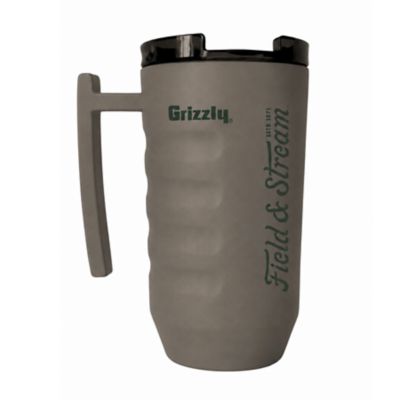
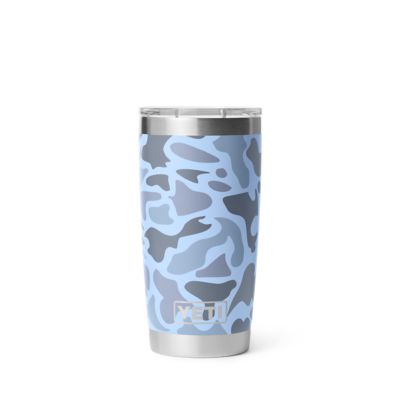
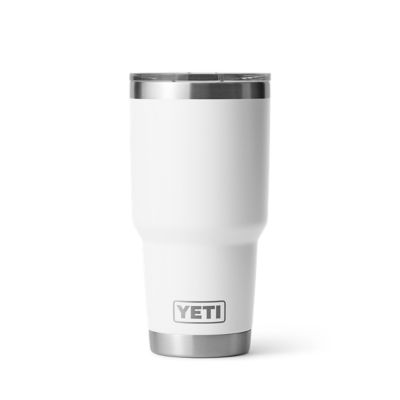
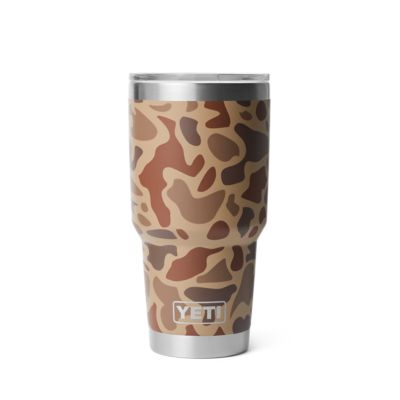
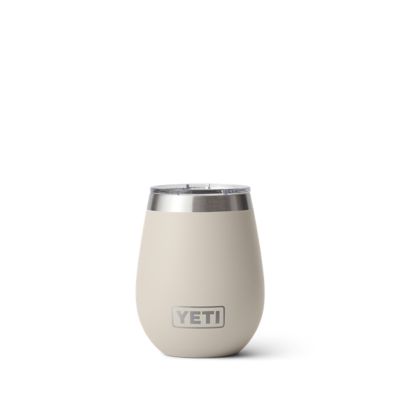
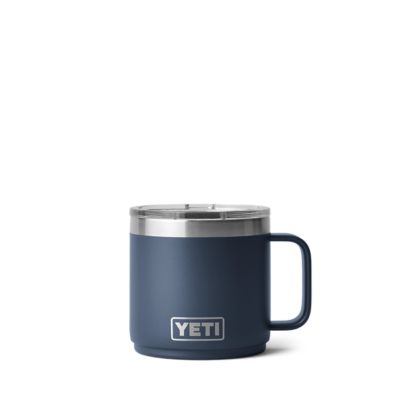
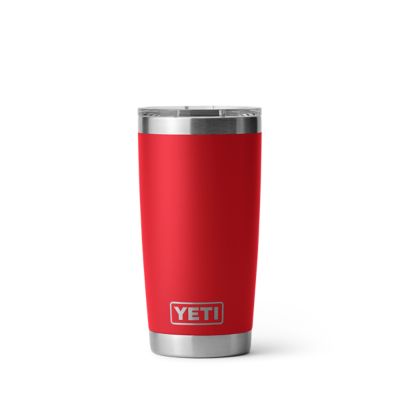
Insulated drink holders help keep beverages cold or hot by slowing heat transfer between the container and the air around it. Depending on the style, they surround a can, bottle, cup, or jug with foam, neoprene, or a rigid insulated shell. Double-wall stainless steel holders may have a vacuum between the walls to limit heat transfer, while flexible sleeves rely on insulating material wrapped close to the container. Neither style chills a drink on its own; the starting temperature, fit, insulation, and amount of exposed container all affect how long a beverage stays the way you like it. For a cold drink carried along on fence checks or set beside a camp chair, a snug holder can make each sip more enjoyable without adding much fuss. Foam sleeves are generally lightweight and easy to tuck into a lunch bag, glove compartment, or tackle box. Some fold flat, making them handy when space is tight. Neoprene sleeves have a little stretch and often feature a fabric outer surface that feels comfortable in the hand. Rigid stainless steel holders offer a more substantial feel, with designs that may include a retaining collar, padded base, or textured grip. The insulation can also help reduce condensation on the outside, keeping hands and nearby surfaces drier, though moisture can still collect around exposed parts of the beverage container. A sleeve meant for cold cans is different from one designed for hot cups, so intended use matters just as much as material. Hot-drink holders need a suitable fit and a design intended for that purpose. Across these styles, the appeal is straightforward: a familiar drink stays comfortable to hold and closer to its starting temperature while chores, conversation, or a long afternoon at the fishing hole carry on.
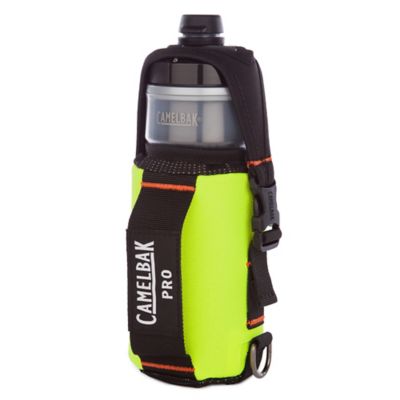
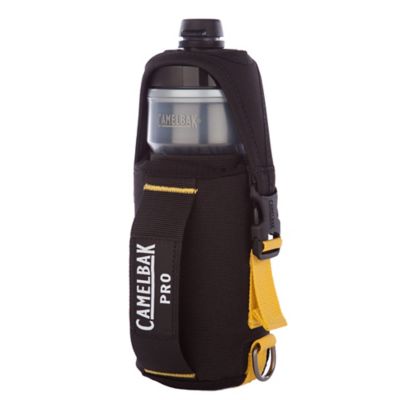
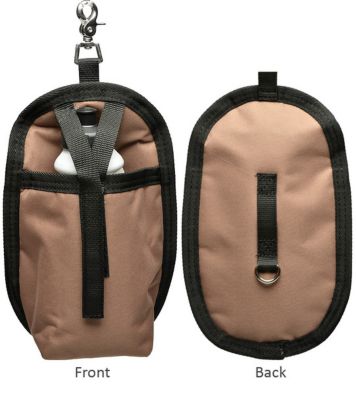
Fit makes a big difference with insulated can and bottle holders. A standard 12-ounce can and a slim 12-ounce can hold the same amount, but their shapes call for different openings. Taller cans, narrow bottles, and wide containers bring their own fit requirements, so capacity alone does not tell the whole story. Container diameter, height, and the shape of the shoulder are worth comparing with the holder’s specifications. A close fit helps limit gaps, but the container should still slide in and out without a wrestling match. Stretch sleeves can accommodate some variation, while rigid holders usually work within a narrower size range unless their design includes an adapter or an adjustable component. On bottle holders, the neck should remain accessible, and the sleeve should not interfere with opening the cap or taking a drink. Can holders need enough clearance around the rim for comfortable sipping. Retaining rings and collars can help keep a container seated, but they do not turn an open can or bottle into a spillproof travel mug. That distinction matters on a bumpy ride across the property or when a drink gets knocked against a chair arm. A nonslip base can help a holder sit more securely on a suitable surface, while a textured exterior gives hands something to grip. For a truck console, tractor cab, or folding chair, the holder’s outside width matters as much as the beverage size inside it. Added insulation can make an otherwise familiar can too wide for a cup holder. Weight also changes the feel: a flexible sleeve adds little to carry, while a metal shell has more heft and may feel steadier on a table. Handles, loops, and other carrying features suit different routines, provided they do not get in the way of the place where the drink usually rides. The best match is a holder that fits both the container and the everyday setup around it.
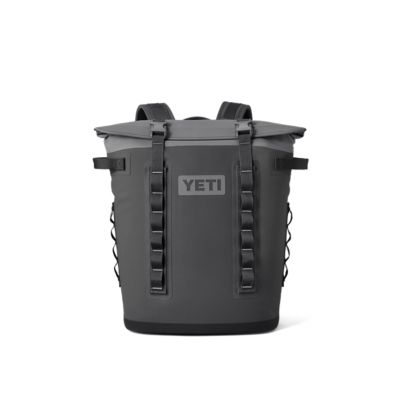
Day-to-day care helps insulated drink holders stay pleasant to handle and ready for the next outing. Smooth interiors and openings wide enough to reach make it easier to clear away sticky splashes, dust, and the bit of grit that can follow a drink back from the barn. Removable collars or gaskets may make cleaning easier, but their care requirements can differ from those of the main body. Manufacturer directions should determine whether a holder belongs in the dishwasher or needs hand-washing with mild soap. Metal holders should stay out of the microwave, and printed finishes, fabric coverings, and glued seams may need gentler treatment than a plain outer shell. Flexible sleeves benefit from drying completely before being tucked into a closed bag or drawer, especially when moisture has collected between the sleeve and the container. Rigid holders also need attention around bottom pads, threads, and any recessed areas where water can linger. For working settings, construction details such as finished edges, well-fitted collars, and secure stitching deserve a close look. A holder tossed into a toolbox faces different wear than one kept on a porch table, and a soft sleeve may be easier to pack while a rigid shell offers more structure. Neither replaces sensible placement away from moving equipment or a secure spot for drinks during travel. For outings that call for carrying several beverages,
Insulated Cooler Backpacks complement individual holders by keeping drinks together until it is time to take one out. Individual holders also make practical gifts for anglers, campers, gardeners, and folks who spend plenty of time tending animals or working around the place. Matching the holder to a favorite can, bottle, or cup makes that gift more useful than choosing by appearance alone. Simple colors, easy-to-hold surfaces, manageable weight, and straightforward cleaning all contribute to something that earns a regular spot beside the lunch pail, fishing gear, or porch chair.