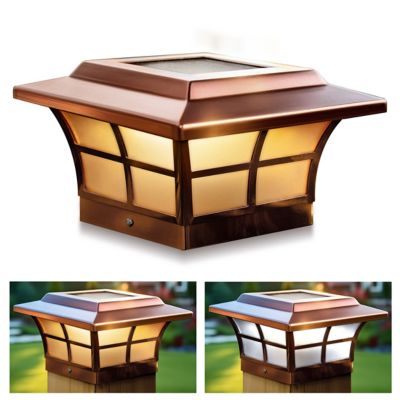
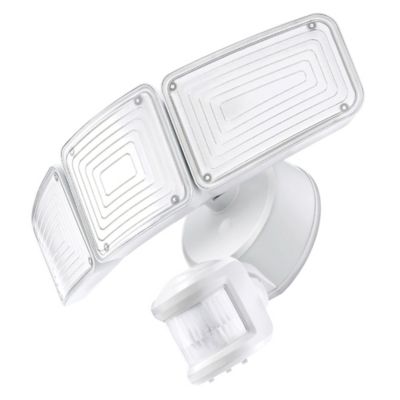
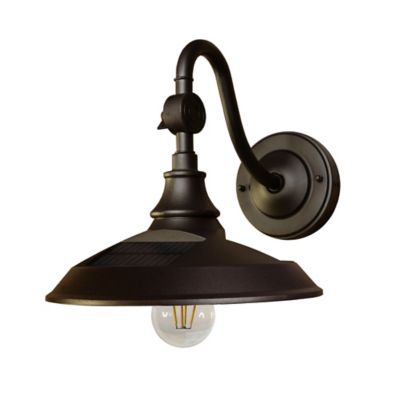
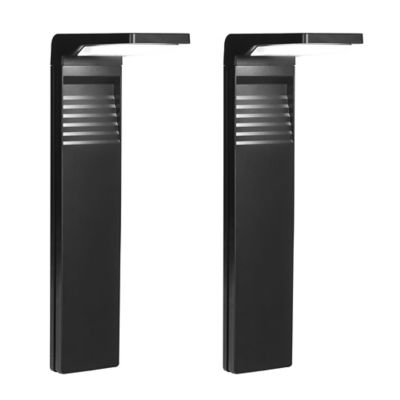
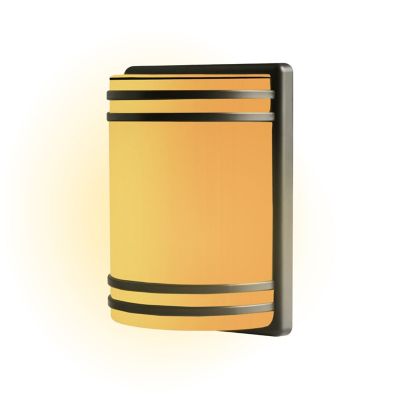
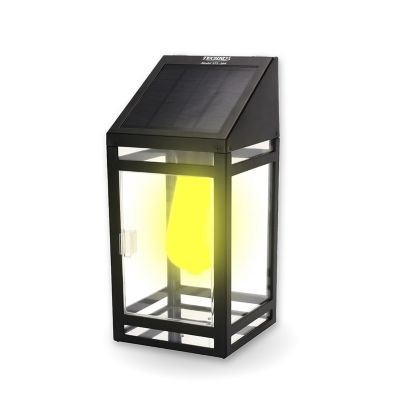
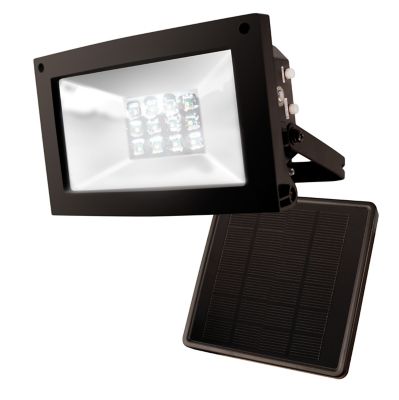
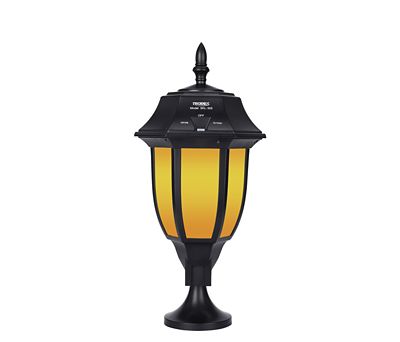
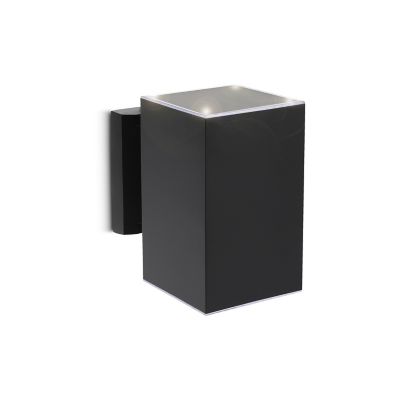
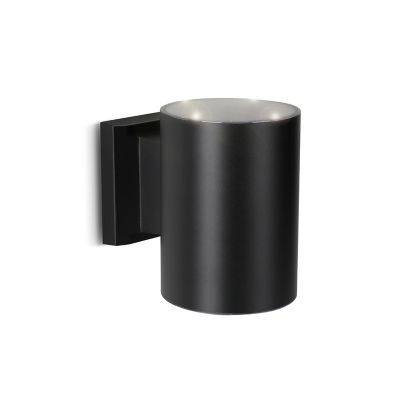
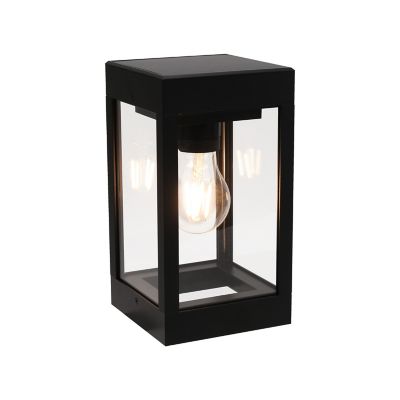
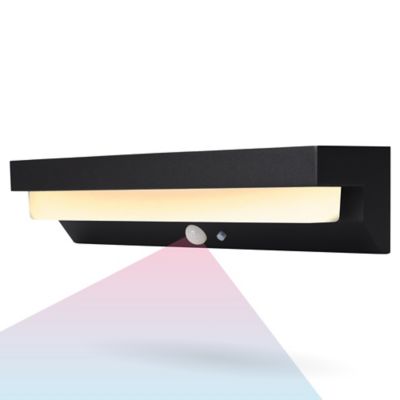
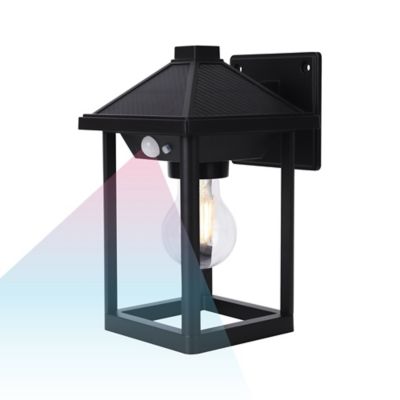
Outdoor LED fixtures bring practical light to the places where the day’s work carries on after sundown, from the back porch and garage to the walk between the house and barn. These lights use light-emitting diodes to turn electricity into illumination, generally drawing less power than incandescent or halogen lighting with comparable light output. Some LED fixtures carry rated life spans of 50,000 hours or more, though actual service life depends on operating temperature, moisture protection, electrical components, and daily run time. The range includes wall lanterns for entryways, broad-beam floodlights for open ground, compact step lights, and low-mounted fixtures that mark a walkway without lighting up the whole yard. Each serves a different purpose: a porch light helps someone find the lock with an armful of groceries, while a floodlight can make it easier to see around a parked trailer or spot obstacles near a shop entrance. Lumens describe how much visible light a fixture produces, making them a better brightness comparison than watts, which measure power consumption. Beam angle and mounting height matter, too. A narrow beam concentrates light in a smaller area, while a wide beam spreads it across more ground. More lumens alone will not fix a poorly placed light that shines into someone’s eyes or leaves a deep shadow at the bottom step. Color temperature, measured in kelvins, shapes how a space feels. Warm white light around 2700K to 3000K suits a porch, patio, or seating area, while light around 4000K to 5000K has a cooler appearance that can suit garages and task areas. Keeping nearby fixtures within a similar color range gives the exterior a more consistent look. For homes, small farms, and workshops, the best match is lighting that puts enough light on the job without making the property feel like a ball field.
Materials, weather ratings, and mounting details make a real difference when outdoor LED lighting faces windblown rain, dust, frost, and long nights during the cooler months. Fixture housings may be aluminum, steel, or molded polymers, with glass or plastic lenses protecting the light source. Aluminum resists rust, coated steel benefits from an intact finish, and polymer housings avoid metal corrosion, though resistance to sunlight and temperature changes varies by material. Sealed construction helps protect internal parts, but a fixture’s listed location rating remains the deciding factor for exposure. Wet-location-rated fixtures are intended for locations subject to direct rain or snow. Damp-location-rated fixtures belong in protected areas where moisture may be present but water does not directly reach the fixture; a roof overhead is not enough if wind drives rain beneath it. Temperature ratings also deserve attention around an unheated outbuilding or an exposed driveway, especially where winters get bitter. Fit includes more than the fixture’s appearance against siding or brick. The backplate needs to work with the mounting box, the housing needs clearance from trim and doors, and the mounting surface must support the fixture properly. A large wall light can crowd a narrow entry, while a small light high on a broad garage wall may not deliver useful illumination where feet meet the ground. Shielded fixtures that direct light downward help limit glare and spill into neighboring windows, animal areas, and the night sky. Actual dark-sky certification or compliance should be confirmed in the fixture specifications rather than assumed from its shape. For wider spaces,
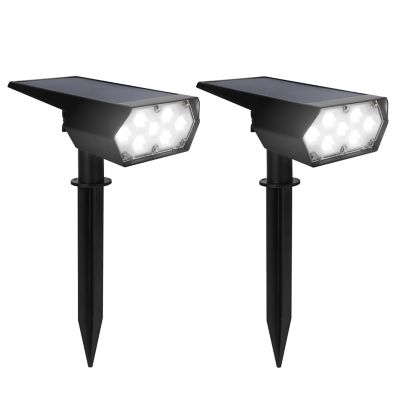
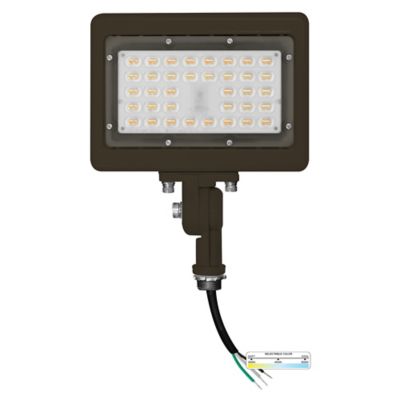
Outdoor Landscape Flood Lights offer a related lighting category for illuminating open areas or landscape features. Adjustable heads can help place the beam where it belongs, though aiming still matters around roads, property lines, and bedroom windows. Near livestock housing, focused lighting along access routes can support evening chores without flooding resting areas with unnecessary light.
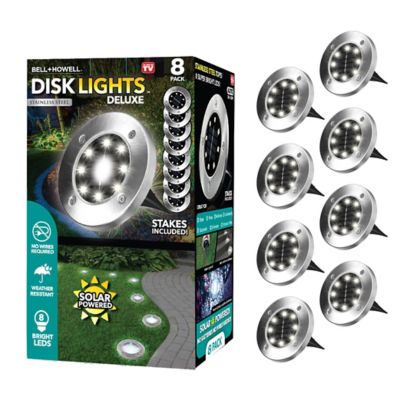
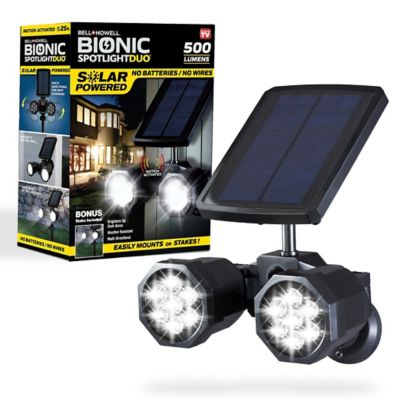
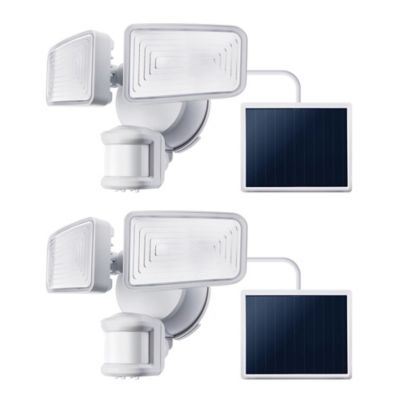
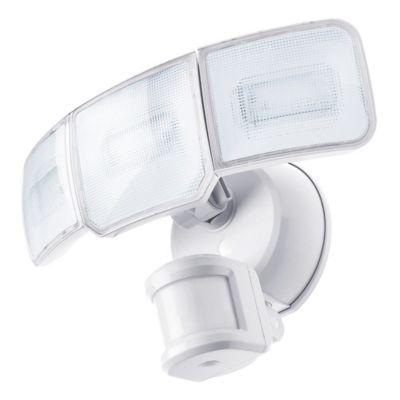
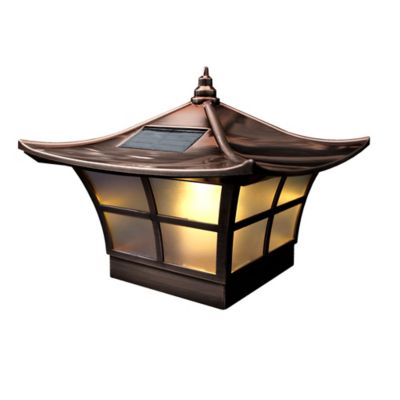
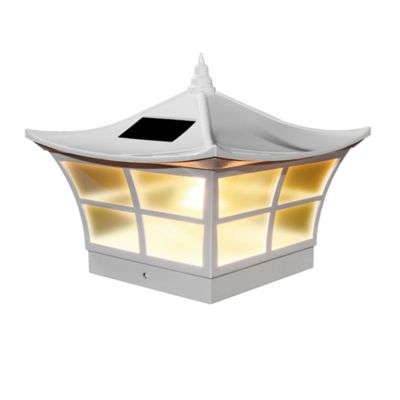
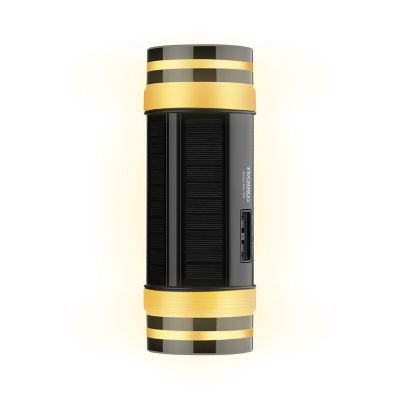
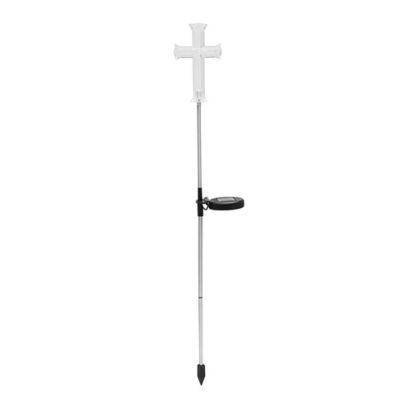
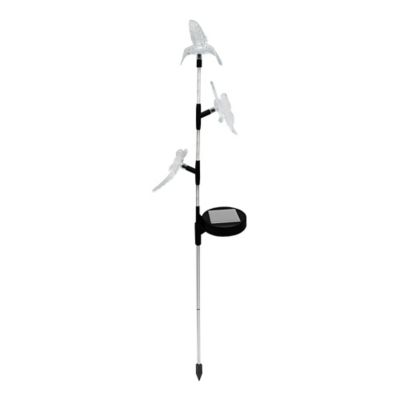
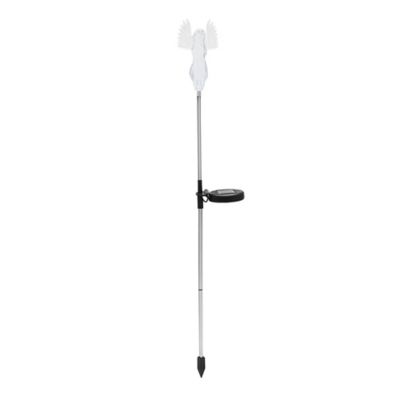
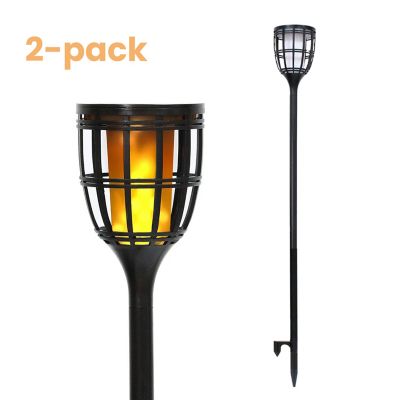
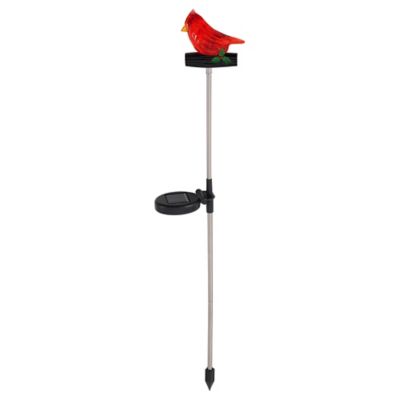
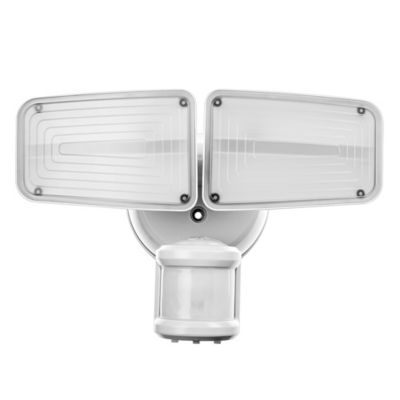
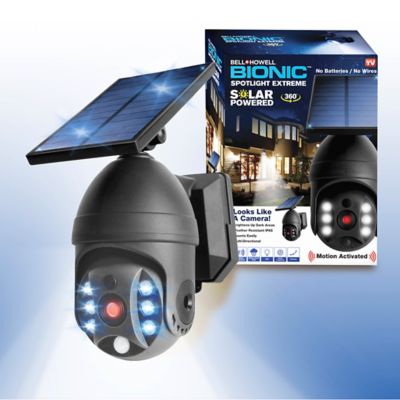
Controls and power connections shape how outdoor LED fixtures fit into everyday routines. A dusk-to-dawn photocell responds to surrounding light levels, switching illumination on as daylight fades and off when daylight returns. Motion sensing brings light on when movement is detected within the sensor’s coverage area, which can be handy beside a garage or along an approach to the back door. Detection range, field of view, sensitivity, and shutoff delay vary, so those details matter on a property where passing traffic, pets, or moving branches may trigger the light. A photocell needs a placement where nearby lighting will not interfere with its operation, and a motion sensor needs a clear view of the intended approach. Fixtures with manual override can add flexibility for unloading a truck or finishing a task outdoors, when offered and connected as directed. Hardwired lighting needs the correct supply voltage, suitable wiring connections, and installation that meets local electrical requirements; a qualified electrician is a sensible choice for new circuits or unfamiliar wiring. Low-voltage pathway systems typically need a compatible transformer, with cable length and total lighting load taken into account. Solar-powered fixtures avoid a wired power connection, but their nighttime performance depends on panel exposure, battery condition, weather, and the shorter daylight hours of the cooler seasons. Integrated LED fixtures contain a built-in light source, while other outdoor fixtures take replaceable LED lamps. That distinction affects long-term upkeep, since not every integrated light engine or driver can be replaced separately. Dimming also requires compatible fixtures and controls, not simply an existing dimmer switch. Routine care is straightforward: disconnect power before cleaning, follow the manufacturer’s directions, and clear away cobwebs, leaves, and dirt that can cover lenses or sensors. Gentle cleaning protects finishes and seals better than harsh chemicals or a pressure washer. Periodic checks for loose mounts, damaged gaskets, corrosion, and water inside a lens help catch trouble early. With sensible placement and regular attention, outdoor LED fixtures can keep steps, gates, and work areas easier to navigate when chores start before sunrise or stretch past dark.