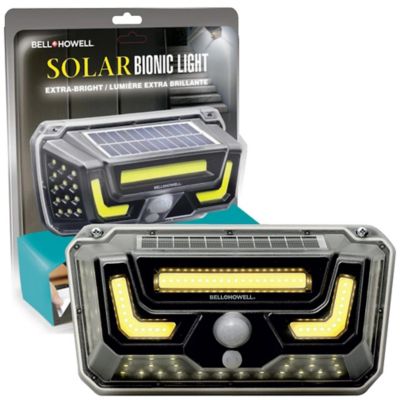
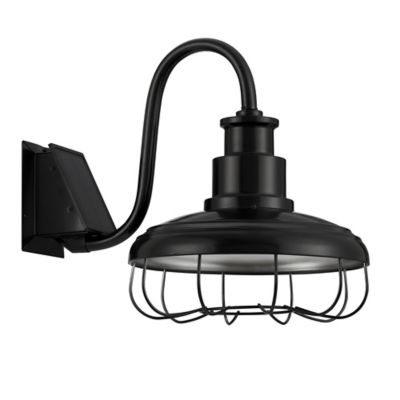
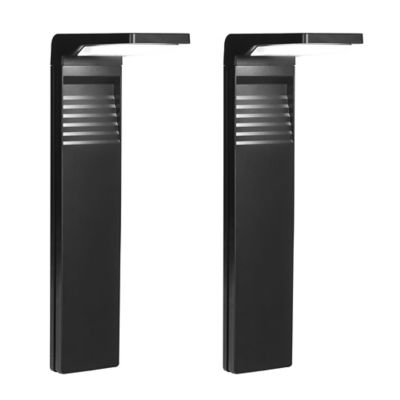
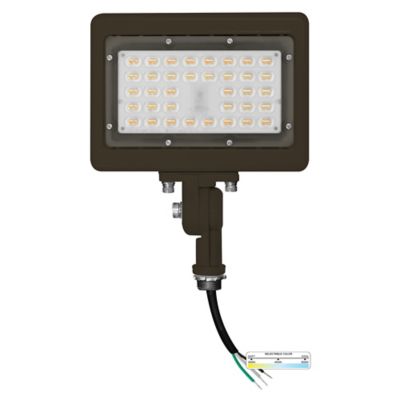
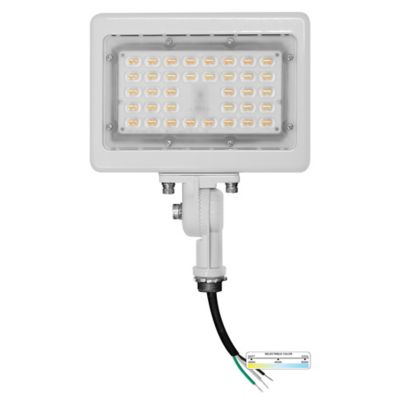
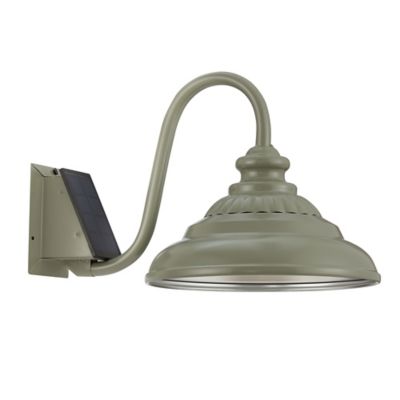
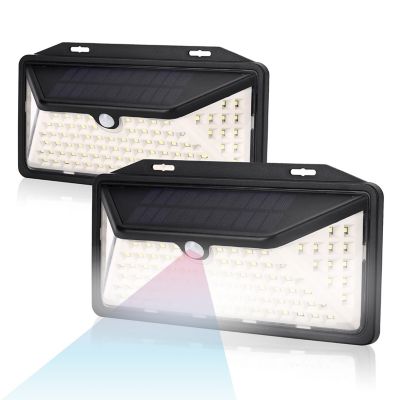
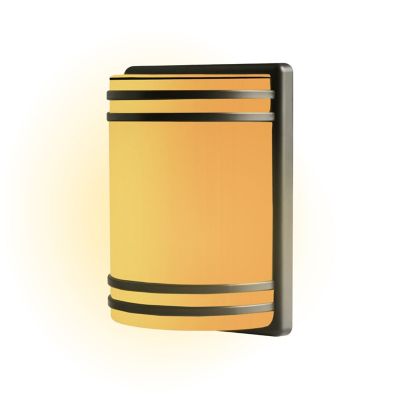
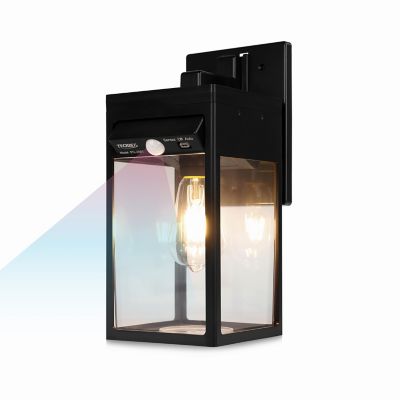
Weather-resistant outdoor wall lights help make the spaces around a home, barn, garage, shed, or shop safer and easier to use when daylight fades. Mounted beside a front door, back entry, driveway gate, mudroom entrance, or outdoor work area, they can brighten steps, show the edge of a walkway, and make it easier to find a key while carrying feed, groceries, or tools. They also add a finished look to exterior walls, whether your place has a farmhouse feel, a clean modern style, or a more rugged country character. When comparing outdoor wall lights, start with the location where each fixture will be installed. A light under a deep porch roof may only need a damp rating because it is protected from direct rain, though it can still be exposed to humidity, blowing moisture, and condensation. A fixture on an open wall, beside an uncovered door, or near a driveway should be wet-rated for direct contact with rain and snow. Weather-resistant construction matters in these exposed spots, especially where wind can drive water against the fixture. Look for durable materials such as powder-coated aluminum, stainless steel, or brass, along with sealed housings and weather-ready finishes that help resist rust, corrosion, and fading from sunlight. A rating marked IP65 indicates protection from dust and low-pressure water jets, while IP66 offers a higher level of water resistance for harder downpours and rougher conditions. These ratings are useful points of comparison, but the fixture should still be installed according to its instructions and local electrical requirements.
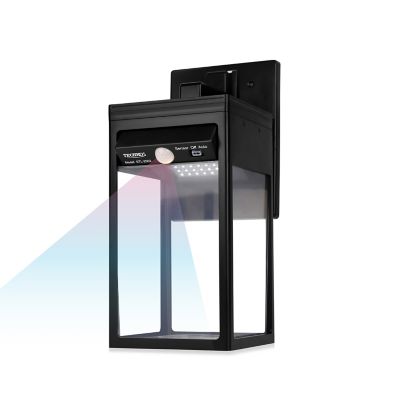
The right amount of light depends on the job at hand. A wall light beside a door usually needs enough brightness to show the lock, threshold, and nearby steps without shining harshly into the eyes of people coming up the walk. Lights placed along a garage, machine shed, or stock area may need broader coverage so you can see handles, equipment, and uneven ground. Up-and-down designs can cast an attractive wash of light over siding or masonry, while a downward-focused fixture is often helpful above steps or a work entrance. Consider the light color, too. Warm white light creates a softer, welcoming glow that suits porches and entryways, while a cooler white can make larger work areas feel brighter and more visible. Integrated LED fixtures are a practical choice for many outdoor locations because they use energy efficiently, start quickly in cold weather, and generally require less bulb changing. Fixtures with replaceable bulbs give you more freedom to choose brightness and color temperature over time. Motion sensors can be handy beside a garage or side door, turning on when someone approaches and shutting off after a set period. Dusk-to-dawn controls are useful for pathways and entrances that need steady lighting through the darker hours. If a light will be near a bedroom window, a neighboring property, or a road, check the sensor range and aim carefully so it does not switch on with every passing animal or vehicle. During the cooler months, thoughtful placement can save a slippery trip across a dark porch or help you spot mud, ice, and wet leaves before stepping inside.
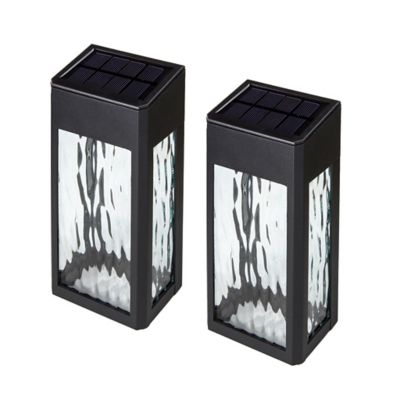
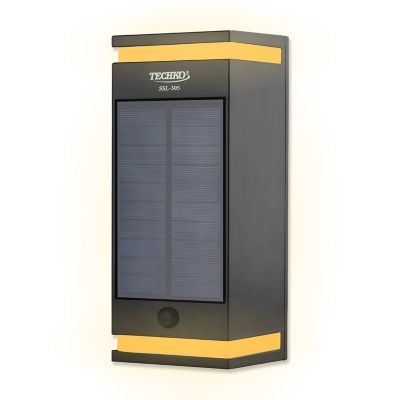
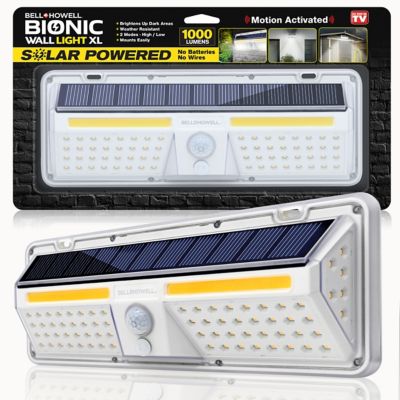
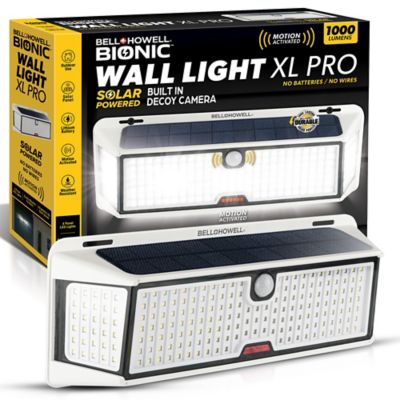
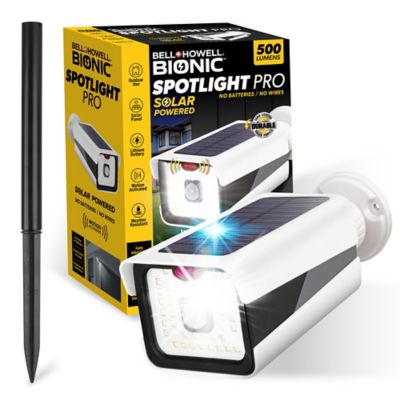
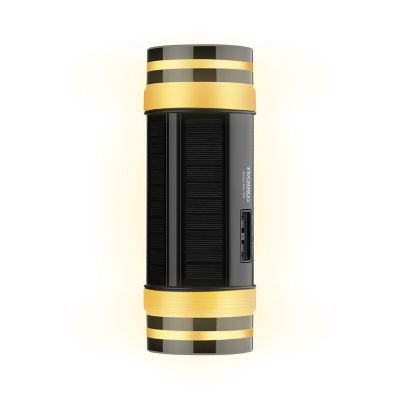
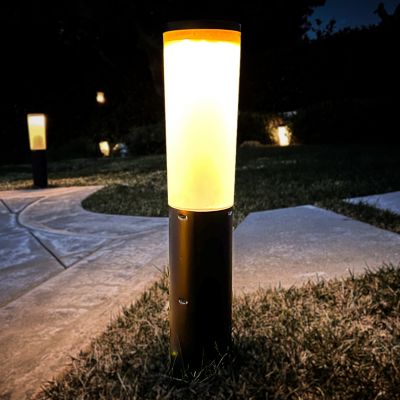
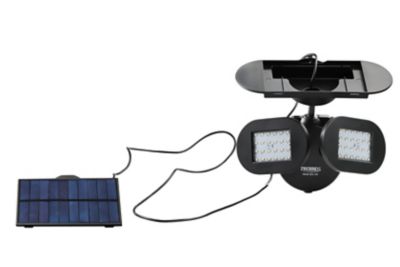
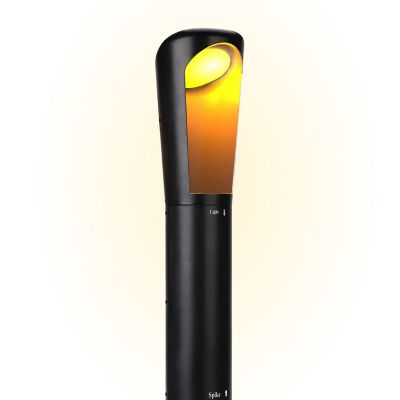
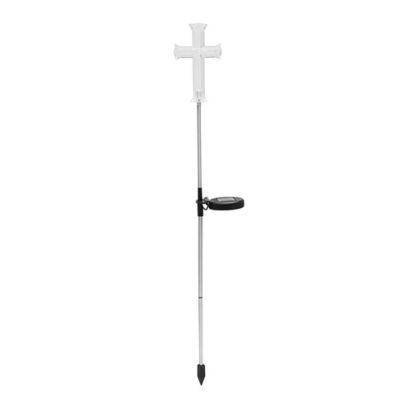
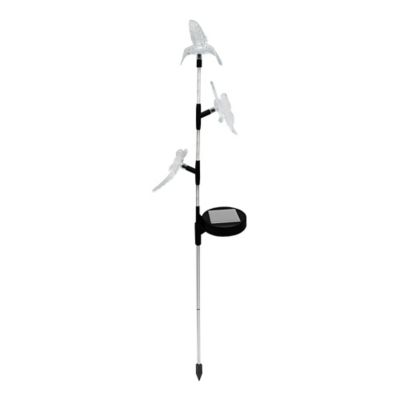
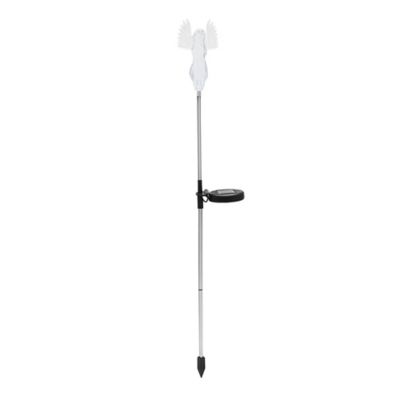
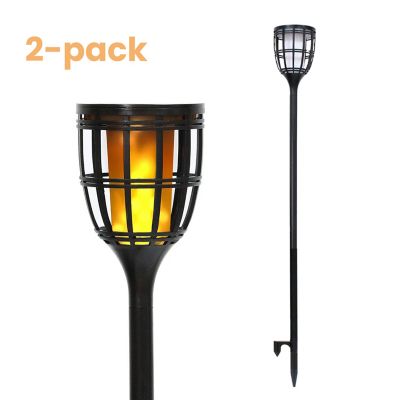
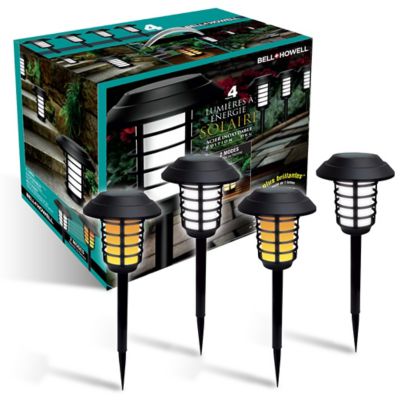
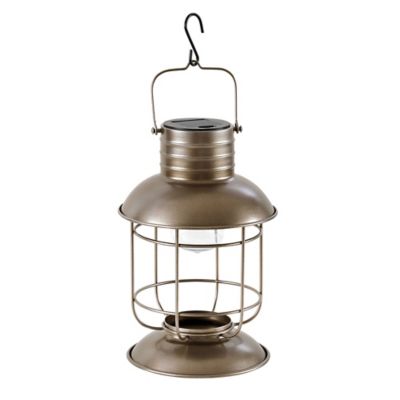
Outdoor wall lights can also be a practical housewarming gift for someone settling into a new home, fixing up an older farmhouse, or improving a cabin, workshop, or hunting property. They are especially useful for people who spend time outdoors before sunrise or after sunset, including gardeners, hobby farmers, rural homeowners, and anyone who keeps a busy garage or outbuilding. For a gift or a home project, take note of the mounting surface and the available wiring before choosing a style. Brick, stone, wood siding, metal siding, and concrete may each call for different anchors or mounting hardware, and a fixture should be secured firmly so it can stand up to wind and vibration. If there is no existing electrical box, installation may require a qualified electrician rather than a simple fixture swap. Solar-powered lighting can be another option for areas where running wiring is difficult; browsing
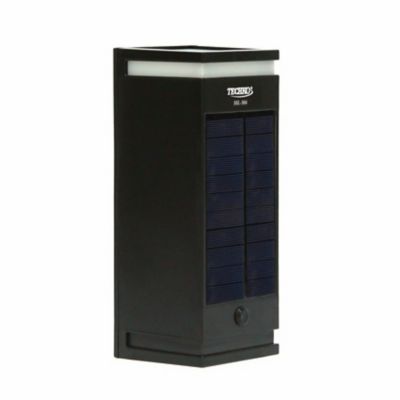
Waterproof Outdoor Solar Lanterns may help when a gate, fence line, remote shed, or garden path sits away from the main power supply. Keep solar panels clear of heavy shade and place them where they can collect daylight. No matter which style you choose, inspect outdoor fixtures from time to time for loose screws, cracked seals, peeling finishes, insect buildup, or moisture inside the housing. Wipe away dirt with a soft cloth and follow the care instructions, avoiding harsh cleaners that can damage protective coatings. A well-placed, properly rated wall light can keep an entry welcoming and useful from the first cool evening through wet, windy weather, while giving the outside of your home a little extra character.