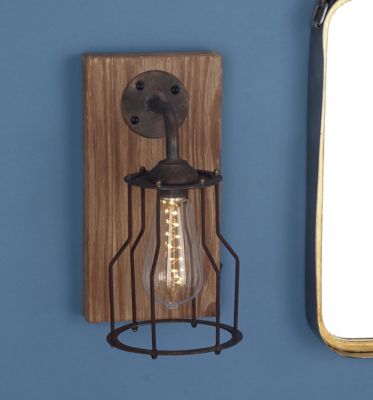
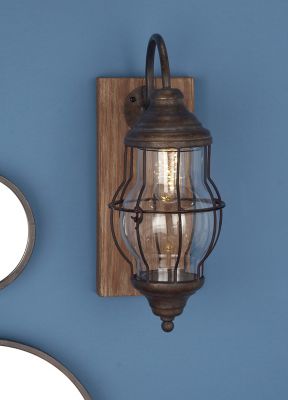
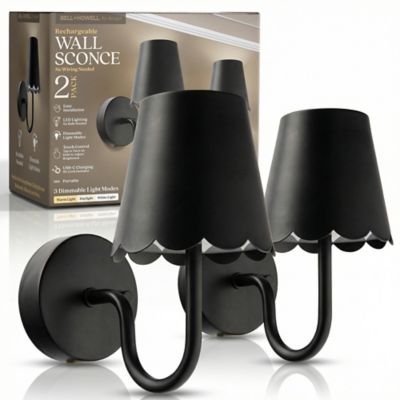
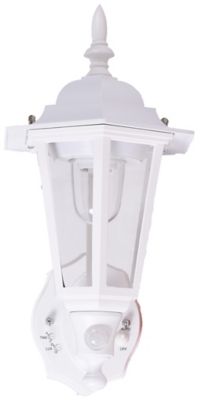
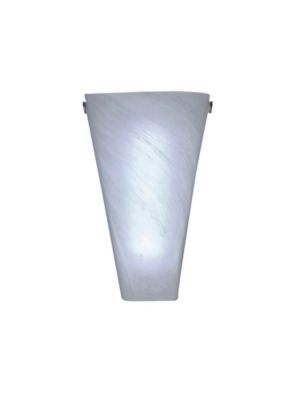
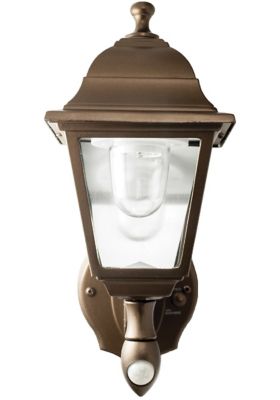
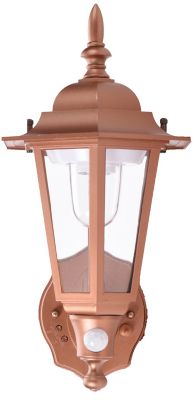
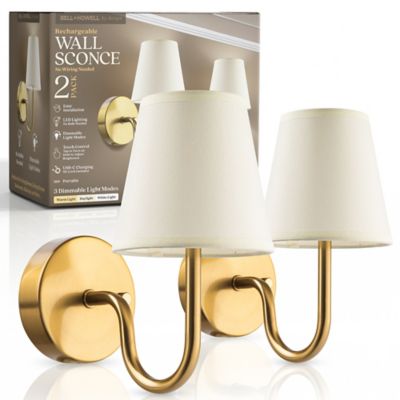
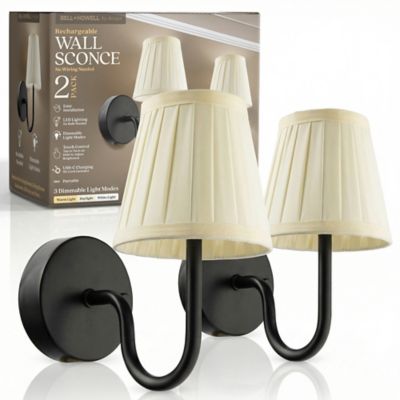
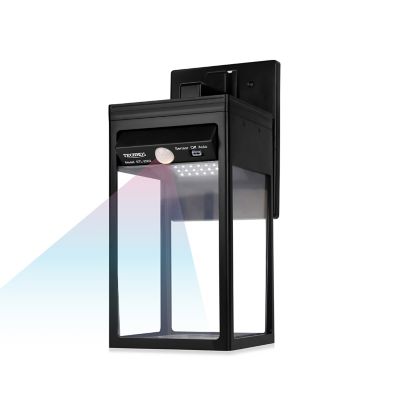
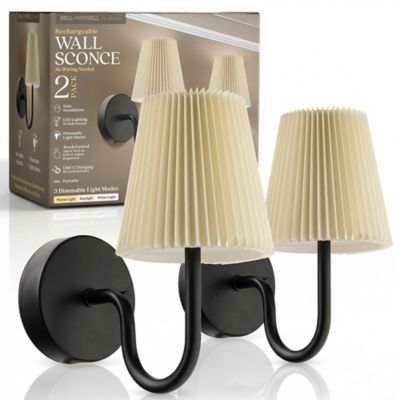
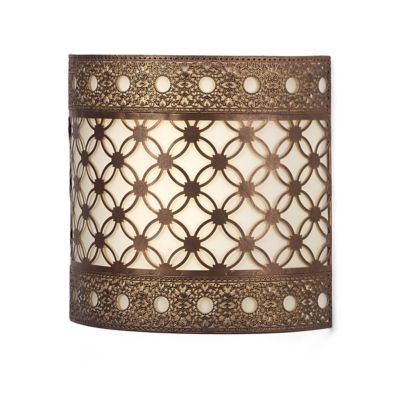
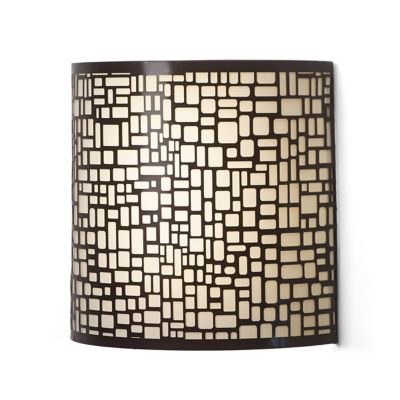
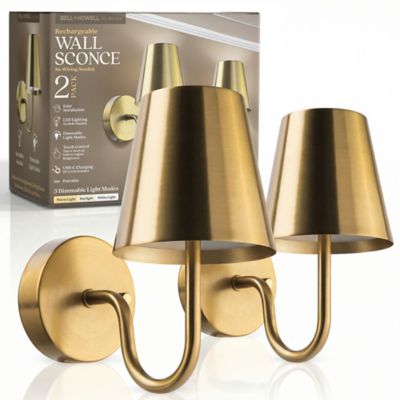
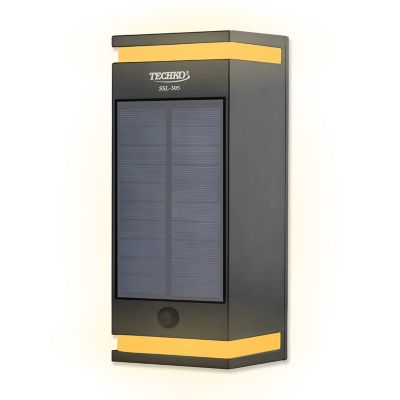
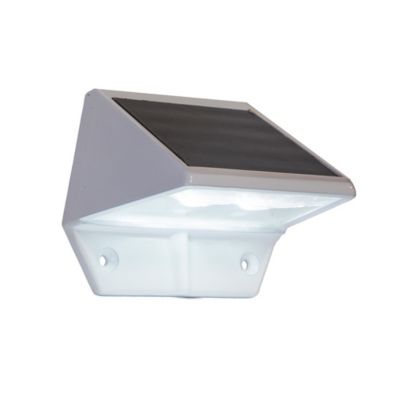
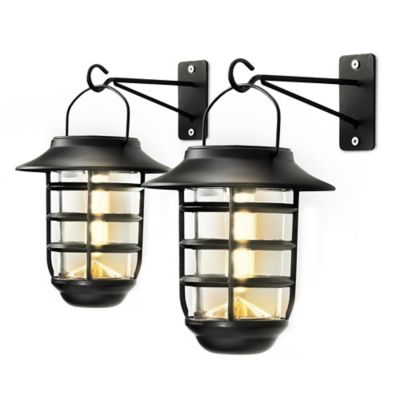
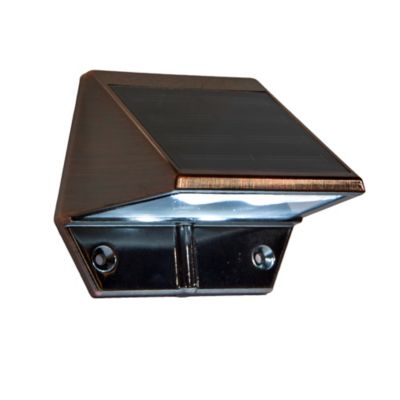
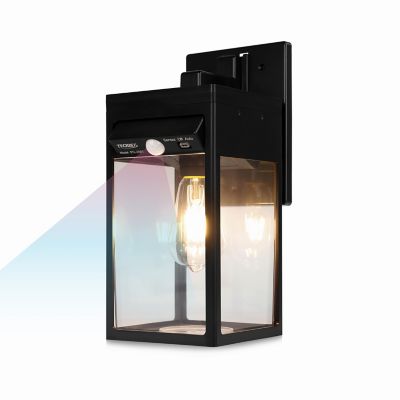
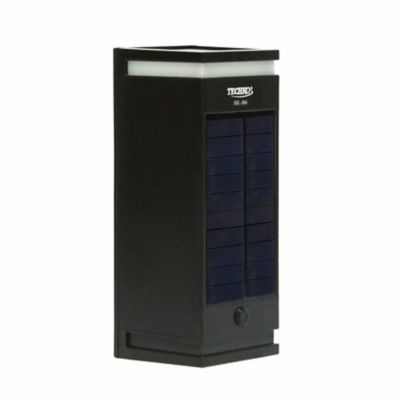
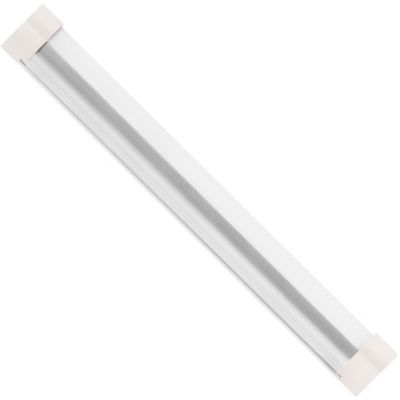
Battery-operated wall sconces are cordless wall lights that run on replaceable or rechargeable batteries instead of a connection to household wiring. They bring light to places where an outlet is out of reach or a hardwired fixture would mean opening the wall. That makes them a practical fit beside a farmhouse bed, along a hallway, over a reading chair or near the bench where boots come off. Depending on the design, the battery may sit inside the fixture, come out for charging or power a removable light module. These lights generally serve as accent or supplemental lighting, though some provide enough directed light for reading and other close-up tasks. Their wall-mounted shape leaves room on a nightstand or narrow console, a welcome feature in smaller bedrooms and busy entryways. The style of the shade and arm makes a difference in both appearance and function. Fabric shades soften light and help a bedroom feel settled, while glass shades can spread light more openly, depending on their color and finish. Metal shades often direct the beam toward a book, tabletop or section of wall. Slim light bars keep a low profile, and adjustable arms or rotating heads allow more control over where the beam lands. Black, brass-tone and brushed metal finishes can work alongside wood furniture, painted trim and familiar farmhouse furnishings without making the room feel fussy. Materials matter beyond appearance, too: fabric can collect dust, glass needs careful handling, and painted metal benefits from gentle cleaning that protects its finish. Proportion is worth considering alongside style. A broad shade may suit a roomy living area but crowd a tight bedside corner. The fixture’s height, width and distance from the wall all affect how comfortably it fits, especially near doors, cabinet fronts and the spot where someone sits up in bed.
Battery power gives these sconces flexibility, but battery type, light output and daily use determine how well they fit a household’s routine. Replaceable batteries allow fresh cells to go in when the light runs down, while rechargeable designs need access to a compatible charging source. Some rechargeable sconces have a removable light or battery pack, so the wall bracket can stay in place during charging. USB charging, including USB-C on some designs, can make that routine straightforward, though the required cable, adapter and charging specifications vary. There is no single run time that applies to all battery-operated wall sconces. Battery capacity, brightness setting, operating mode and time spent switched on all affect the interval between charges or battery changes. A light that runs briefly beside an entry bench has different demands than one kept on through a long evening of reading. Published run times are most helpful when considered alongside the brightness setting at which they were measured. Lumens describe light output, while color temperature describes whether the light looks warmer and more yellow or cooler and whiter. Warm white light around 2700 to 3000 kelvin often suits bedrooms and relaxed sitting areas; neutral white around 4000 kelvin can give a crisper appearance where clearer visibility is preferred. Shade construction and beam direction also affect how much light reaches the task, so lumen numbers alone do not tell the whole story. Dimming gives a fixture more range, from a brighter reading setting to a softer glow beside the bed. Controls may include a switch, touch surface or handheld remote, depending on the design. A remote can be handy for a light mounted beyond easy reach, while an accessible switch keeps operation simple for guests. Timer functions can limit unnecessary battery drain. For folks who want matching lights on either side of a bed or sofa, control options also affect whether each light can operate separately.
Mounting and everyday care play a big part in how battery-operated wall sconces hold up around the house. Cordless operation removes the need for a wired electrical connection, but the fixture still needs a secure attachment suited to its weight and the wall surface. Drywall, plaster, brick and wood paneling can call for different fasteners, and an attachment method that works on one surface may not suit another. Adhesive mounting is an option only when the fixture and mounting system specifically allow it; a heavier shade or projecting arm needs the support specified by its manufacturer. Wall-mounted does not always mean permanent, either, since some designs lift off a bracket for charging or cleaning. That feature can be helpful in a rental, although screws, anchors and adhesives may still leave marks or require permission. Placement also affects comfort. A bedside light works best when its beam reaches the page without shining straight into someone’s eyes, and hallway fixtures need enough clearance to stay out of the path of shoulders and carried laundry baskets. Most indoor sconces belong in dry locations unless they carry a rating for damp or wet conditions; battery power alone does not make a fixture suitable for a bathroom, porch or wash area. Routine care is generally simple, with a soft, dry cloth for the body and cleaning methods suited to the shade material. Moisture should stay away from charging ports, battery compartments and electrical parts. Following battery replacement and charging directions helps protect the light, and loose batteries belong out of reach of children and animals. For a housewarming gift, these sconces can suit someone furnishing a bedroom or making a reading nook more comfortable, provided the mounting needs and style fit the space. Alongside
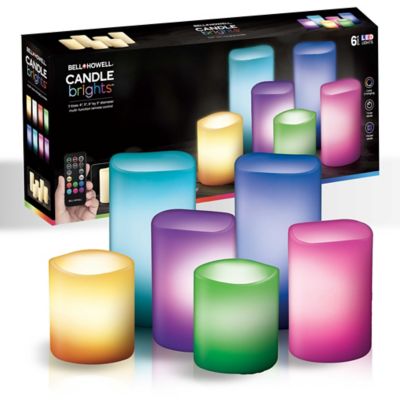
Battery Powered Pillar Candles on a nearby shelf or mantel, they can create layers of gentle light without an open flame. The result is a room that feels welcoming, with light placed where everyday life happens.