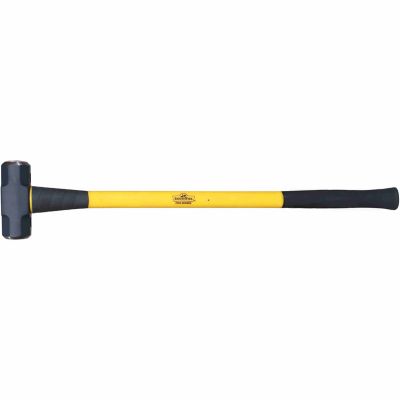
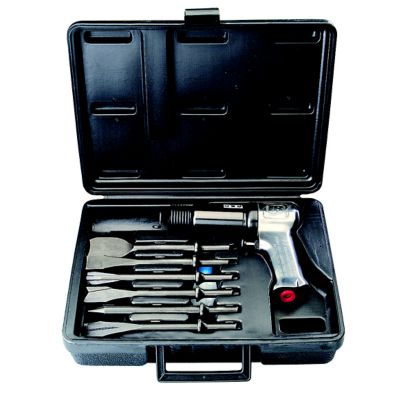
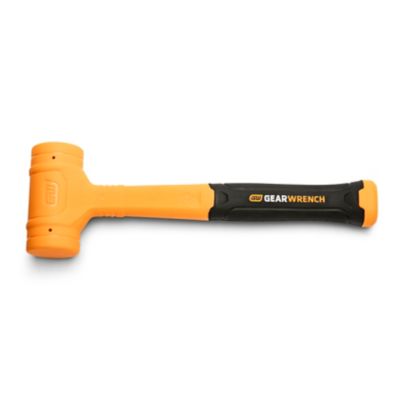
Impact hammers are built for jobs where a regular claw hammer or standard mallet does not quite give you the control, force, or durability you need. In many farm, shop, automotive, and fabrication settings, the term refers to a heavy-duty dead blow hand tool with a durable striking face and a head filled with steel shot. When the hammer lands, the internal shot moves forward to help transfer force into the work while reducing bounce and recoil. That makes an impact hammer useful for seating bearings, loosening stubborn parts, aligning equipment, fitting joints, and bringing components together without putting the same sharp shock into the surrounding surface. A good dead blow hammer can hit with authority while helping protect finished metal, painted surfaces, housings, and other parts that could be dented by a bare steel face. Look for a head and handle that feel solidly joined, with a face that is bonded or securely attached rather than likely to peel, twist, chip, or separate after repeated use. Fully welded steel construction and heat-treated tool steel can add strength for demanding work, while polyurethane or other nonmarring faces offer a practical balance between toughness and surface protection. Internal shot should move freely inside the head, since that movement helps absorb rebound and keeps the hammer from jumping back after contact. The right size depends on the job and the person using it. A lighter hand-sized hammer is easier to control for general maintenance, light assembly, and work around equipment, while a larger head provides more driving force for heavy components, farm implements, and stubborn shop repairs. Keep in mind that more weight is not automatically better; a hammer that is too heavy can make accurate placement harder and may lead to tired hands, sore shoulders, or accidental damage. Match the striking face, head weight, and handle length to the material being worked and the amount of room available around it.
An impact hammer can earn its keep in a rural workshop because it handles the kind of work that turns up without much warning. It may help settle a fence gate hinge into alignment, seat a wheel component during equipment service, tap a sleeve into place, or bring a stubborn piece of machinery back into position after dirt, rust, and vibration have worked it loose. Mechanics, maintenance crews, welders, fabricators, farmers, ranchers, and serious do-it-yourselfers can all find a use for one. In a fabrication shop, a dead blow face can help adjust metal without leaving the deep marks that a conventional steel hammer might create. Around a tractor or utility vehicle, it can provide controlled force when a part needs encouragement but the housing, threads, or finished surface needs protection. It is still important to use the tool within its intended limits. Wear eye protection, keep hands clear of pinch points, inspect the face and handle before each use, and replace the hammer if the striking surface is badly worn, cracked, loose, or otherwise damaged. Use a hammer that is rated for the material and task, and never substitute an impact hammer for a sledgehammer when the job calls for a tool designed for extreme heavy striking. Clear the work area of bystanders, secure the part on a stable surface, and make sure the swing path is free of hoses, cords, and loose material. During the cooler months, tools often get used in drafty barns, unheated garages, and outdoor work areas where gloves can reduce grip and metal surfaces can become slick with condensation. A textured handle, balanced head, and comfortable grip can make a noticeable difference when the work runs long. Keeping the hammer clean and dry, storing it away from direct weather, and wiping down exposed metal after use will also help it stay ready for the next repair.
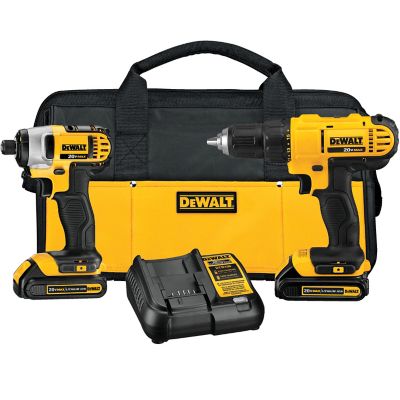
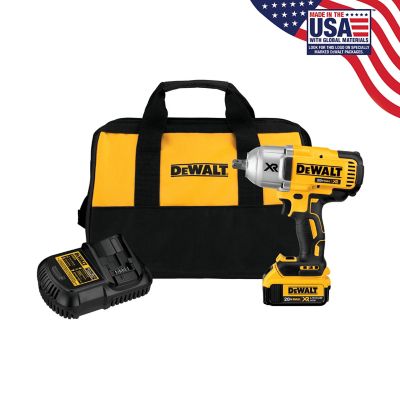
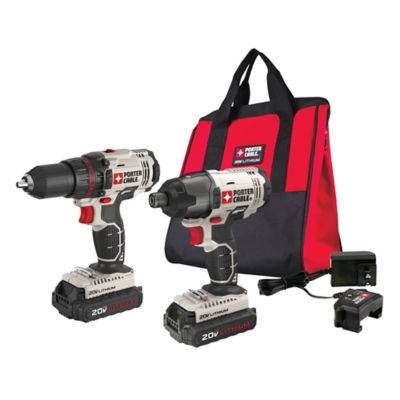
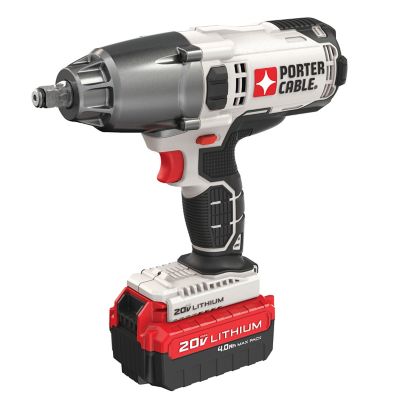
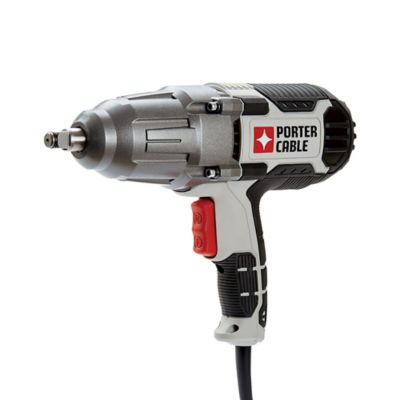
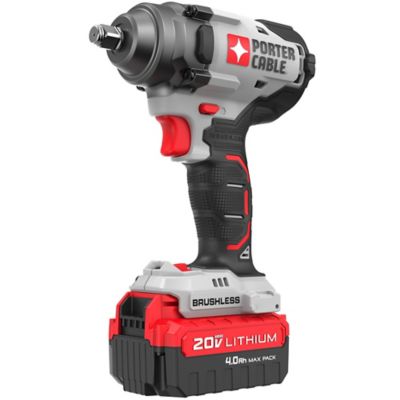
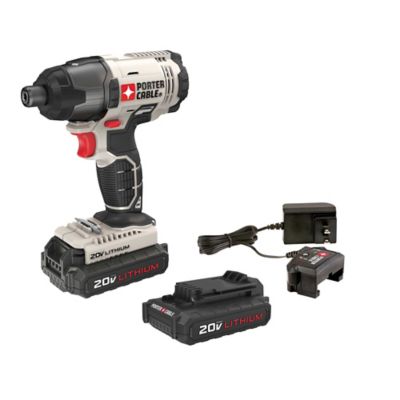
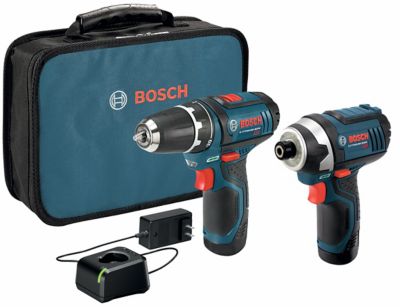
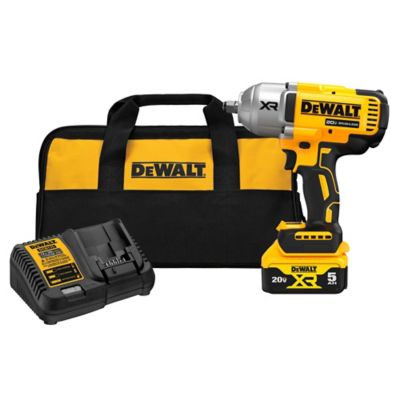
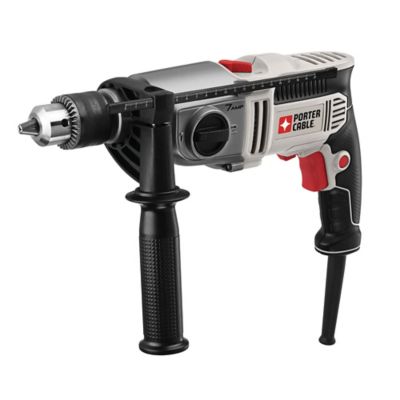
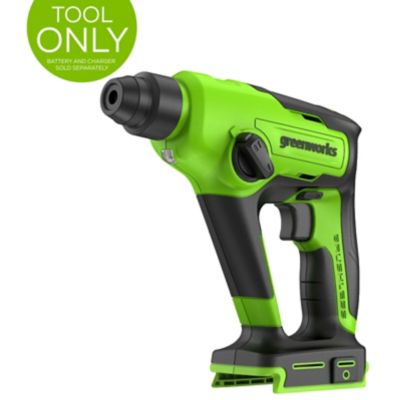
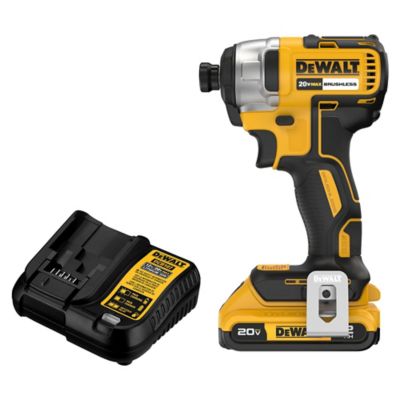
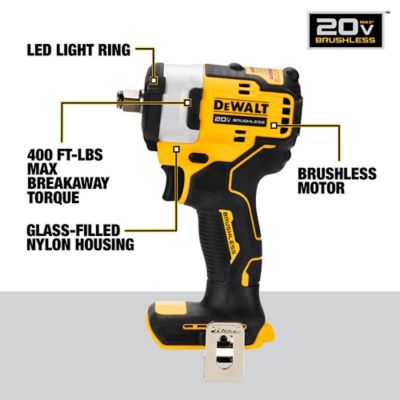
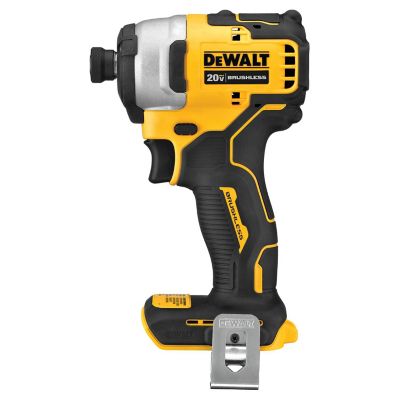
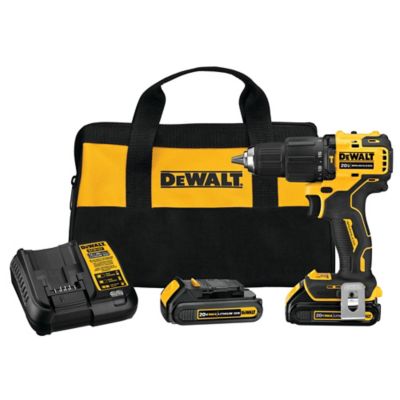
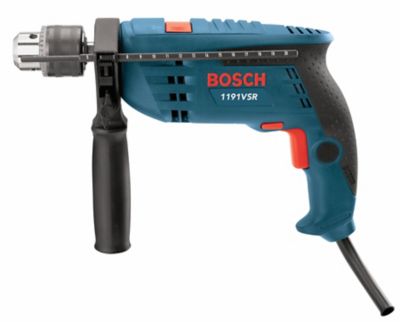
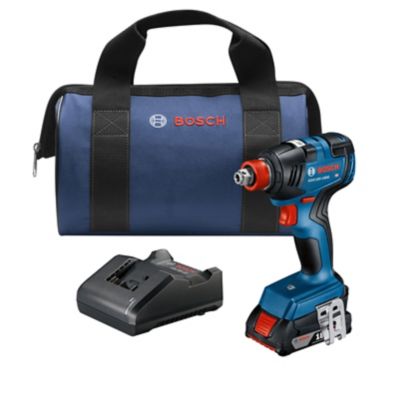
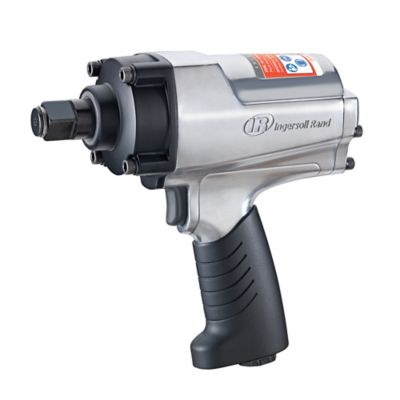
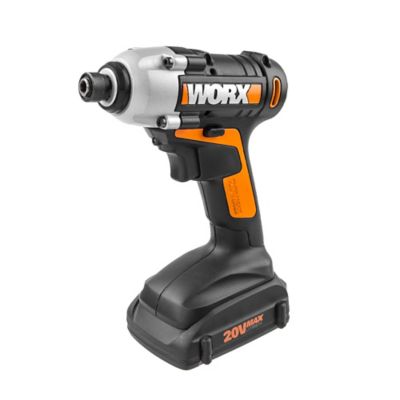
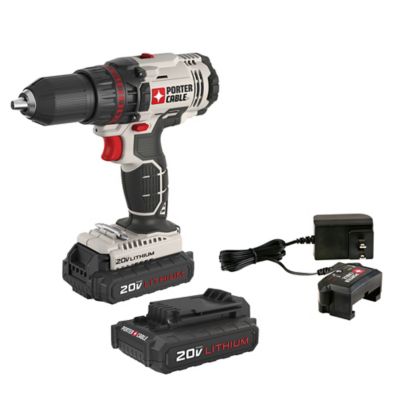
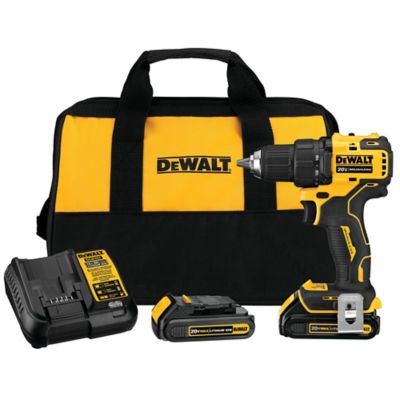
When comparing impact hammers, start with the kind of work you do most often, then consider head weight, face material, handle design, overall length, and construction quality. A softer face may be a smart choice for finished or easily marked surfaces, while a tougher face may better suit rugged maintenance and fabrication work. Dual-faced designs can be handy when one side is intended for a different level of protection or hardness, but the face still needs to match the material being struck. Balance matters just as much as raw weight: the hammer should swing naturally, stay steady on contact, and feel manageable after several repetitions. For a home shop, a midweight option is often a versatile starting point, while professional crews may keep several sizes on hand for everything from delicate alignment to heavy equipment service. Impact hammers can also make a thoughtful gift for someone setting up a first workshop, maintaining a homestead, restoring an older vehicle, or building a practical tool collection. They take up little storage space compared with larger shop equipment and can solve a surprising number of everyday problems. Do not confuse a hand impact hammer with an electric impact tool. Electric impact drivers use a powered motor and rotating impact mechanism to drive fasteners, making them useful for screws, bolts, and other fastening work; browse
Electric Impact Drivers when that is the type of tool the project calls for. In engineering and quality-control settings, “impact hammer” may also describe a specialized test instrument with force sensors and interchangeable tips used to study structural vibration, damping, and frequency response. That equipment serves a very different purpose from a dead blow hand hammer and is generally selected according to testing standards, sensor compatibility, and measurement requirements. For everyday maintenance, repair, and shop work, focus on a well-built hand tool with dependable impact control, a suitable face, and a size you can use safely and confidently.