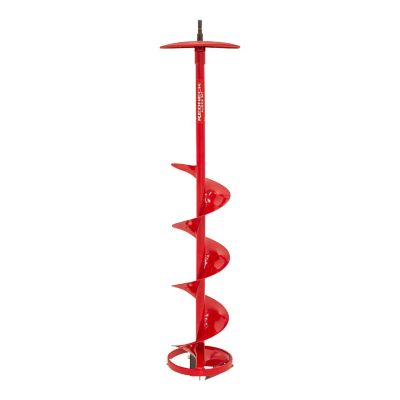
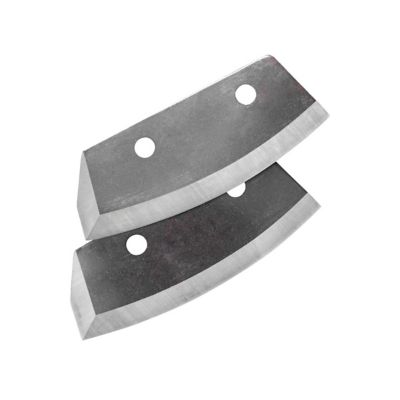
A good day on the ice starts with gear that’s ready to cut, whether the plan is a few holes beside the fish house or a longer walk to check several spots across the lake. Ice auger accessories and replacement parts help keep that setup working without replacing the whole rig when a cutting edge wears down, a connection loosens or a guard goes missing. The right fit matters more than a part’s general appearance. Augers with similar cutting diameters can have different blade shapes, mounting patterns, shaft connections and hardware requirements, so the manufacturer’s model information is an important part of matching components. Cutting performance depends on that match, especially when an auger has begun taking more effort to bite or leaves a rougher hole than expected. Replacement blades may have straight, curved or serrated cutting profiles, with each design intended for a particular cutting system rather than as an interchangeable option. Blade material, edge geometry and the condition of the mounting surface all affect how the cutting head meets the ice. Hardened steel provides a working edge, while protective finishes can help limit corrosion; neither takes the place of careful handling and dry storage. Sand, grit and contact with the lake bottom can dull an edge, even when the blade still looks sound at a glance. For anglers who move often, consistent cutting helps make the work of opening another hole more manageable. For those fishing close to a shelter, a properly matched cutting assembly supports a steady setup without unnecessary pushing or strain. Blade covers matter just as much between holes, keeping sharp edges shielded from hands, clothing and other gear during transport. The cover’s diameter, fastening method and clearance around the cutting head deserve the same attention as the blades themselves. A secure cover should fit the assembly it protects rather than depend on a loose strap or an improvised tie. Those small details make a difference when the sled is packed tight and everything needs to travel together.
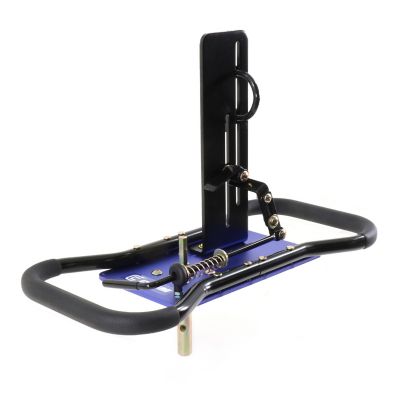
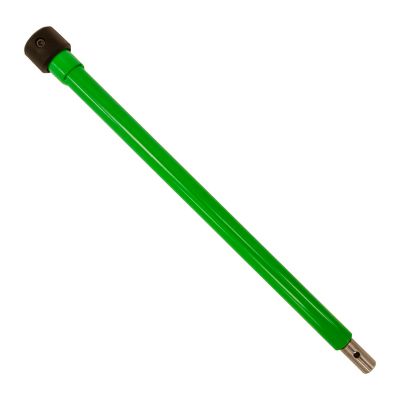
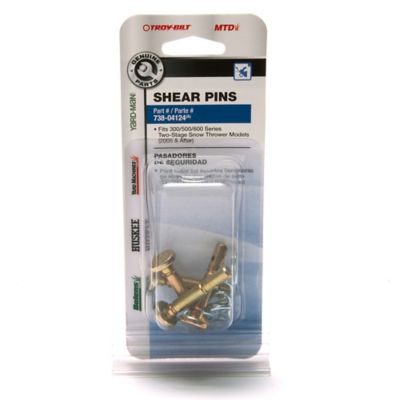
Connections between the power source, shaft and cutting head take plenty of strain, making fit and fastening details important throughout an auger setup. Replacement bolts, retaining pins and couplers need the correct dimensions and fastening arrangement for the equipment, not simply a close match from the hardware drawer. A connection with extra play can affect control and place strain on adjoining parts, while the wrong fastener can interfere with assembly or fail to hold as intended. Shaft extensions serve a different purpose: adding reach when ice thickness calls for more drilling depth within the auger manufacturer’s limits. Their length, connection style and compatibility with the powerhead and cutting assembly all matter, along with the overall weight and handling of the extended setup. Extra reach does not make questionable ice safe, and ice conditions still require a separate assessment before anyone travels or fishes. For drill-powered arrangements, adapters must match both the auger and a drill that meets the equipment maker’s requirements for torque, chuck size and control. An adapter alone does not make every drill suitable for ice drilling. Support handles, retention features and other required components belong to the complete system, with the manufacturer’s directions setting the limits for assembly and operation. Gas, battery and hand-powered augers also have different service needs, so a familiar-looking part may not belong on every setup. Battery connections and electrical fittings call for particular care around moisture, while engine-related components must match the engine and its specifications. Materials matter at these connection points, too. Steel shafts and fasteners need protection from corrosion, and molded covers or housings need enough clearance to seat properly without forcing them into position. Weight can be a consideration for an angler pulling a sled a long way, while ease of assembly may matter more when working with gloves on. Across these setups, compatibility is what lets individual parts work together as intended rather than creating another problem out on the lake.
Care between trips helps preserve cutting edges, hardware and protective covers through repeated outings. Meltwater left inside a blade cover or around a connection can encourage rust, so clean, dry storage matters even for gear built for wet surroundings. A soft cloth can remove surface moisture, while any cleaner, lubricant or corrosion treatment should suit the component and follow its manufacturer’s care directions. Cutting edges require particular caution: reaching beneath an uncovered auger head or wiping directly along a blade creates needless risk. Maintenance and part changes belong on a stable surface with the power source disconnected or otherwise secured according to the equipment instructions. Blade sharpening also depends on the cutting design; changing the original angle can hurt performance, and some blades call for replacement or professional servicing instead of sharpening at home. During transport, secure mounting helps keep the auger from bouncing against a sled frame, shelter poles or tackle containers. Covered edges and separated loose hardware also make loading and unloading less of a scramble at the truck. Small replacement components are easier to keep track of in a closed container than loose in a coat pocket, especially when snow and slush get into the mix. For the angler who spends long stretches away from the landing, a modest set of compatible service parts can help address ordinary wear without carrying unnecessary weight. Broader
Ice Fishing Accessories can round out the fishing setup, while auger-specific components keep attention on cutting, connections and protection. These parts can also make a practical gift for someone who already has an auger they like, provided the model, cutting diameter and attachment details are known beforehand. Someone drilling a handful of holes near shore may have different needs from an angler moving between several fishing spots, but both benefit from parts matched to the equipment and the way it travels. With sound connections, protected edges and proper care, an auger stays better prepared for the work waiting beneath the snow.