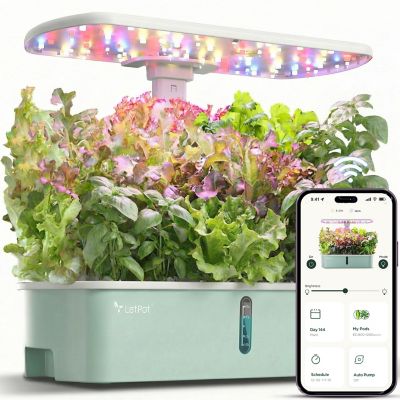
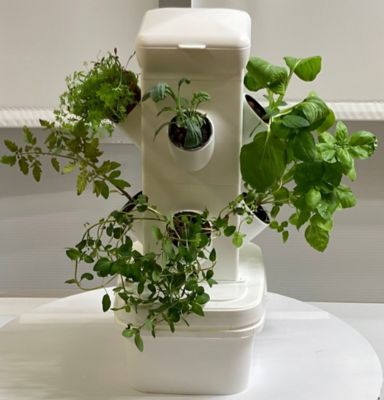
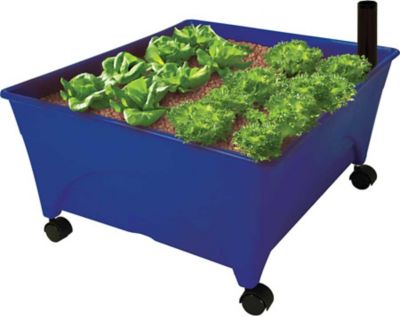
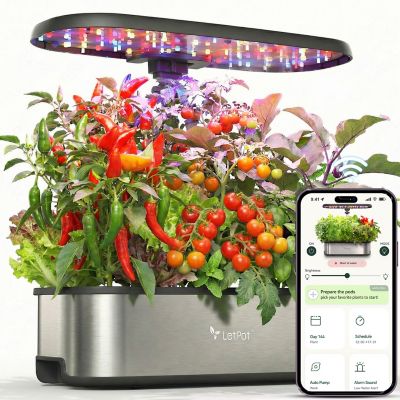
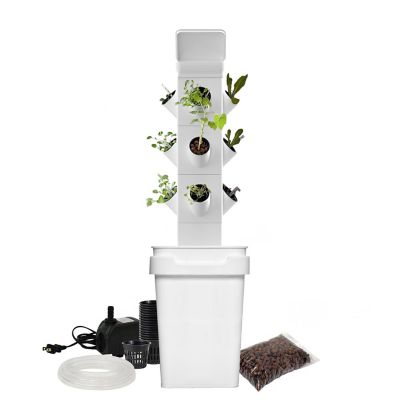
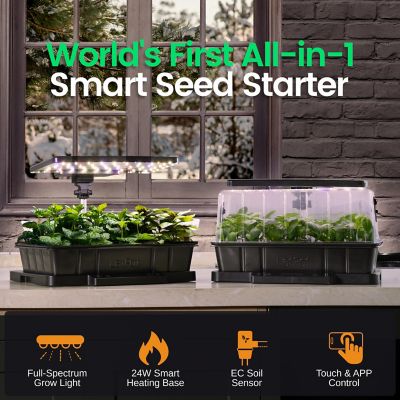
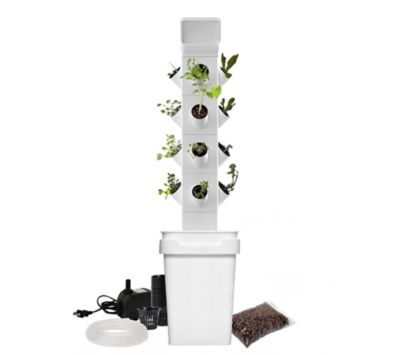
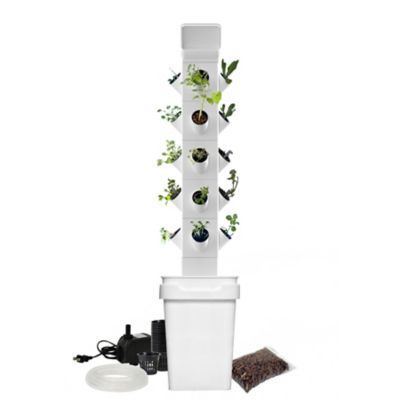
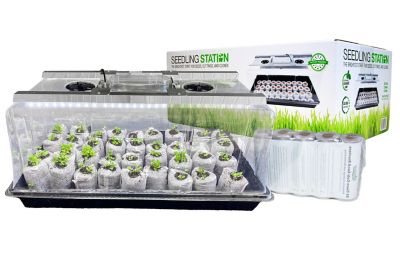
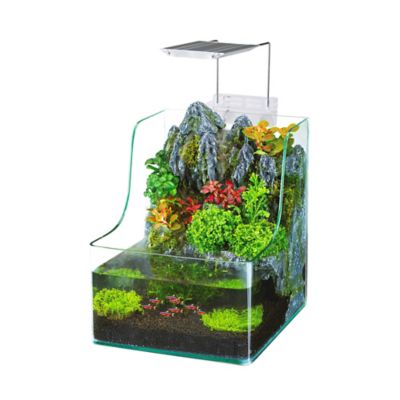
Hydroponic kits are soil-free growing setups that supply plant roots with water and dissolved nutrients. They bring the growing space closer to home, whether that means basil beside the kitchen counter, lettuce in a utility room or a larger planting area in a greenhouse. Depending on the design, a kit may include a water reservoir, planting cups, a growing medium, a pump, tubing and lighting. Nutrients, seeds and testing supplies may be separate, so the included components matter just as much as the number of planting spaces. The growing medium supports the plant rather than serving as soil; materials such as clay pebbles, fiber plugs or rockwool give roots somewhere to take hold while allowing access to moisture and air. Different kits handle that balance in different ways. Deep water culture systems hold roots in a nutrient solution, generally with an air pump supplying oxygen. Recirculating designs move nutrient solution through channels or planting areas, while wick systems draw moisture toward roots without a powered water pump. These differences affect the setup’s space needs, electrical requirements and everyday care. For someone getting started, a compact kit with an accessible reservoir and straightforward controls can make it easier to get familiar with the growing process. A gardener who already raises vegetables may prefer more room for roots, flexible planting positions or separate controls for lighting and water circulation. Herbs and leafy greens are often a good match for smaller systems because many stay manageable and can be harvested a little at a time. Fruiting plants need closer attention to mature size, support, lighting and pollination, and not every kit has the room to carry them through harvest. A small seedling that fits neatly beneath a light can become a much larger plant, so the best fit depends on what it will hold after several weeks of growth, not just how it looks at planting time.
Space is a big part of choosing among
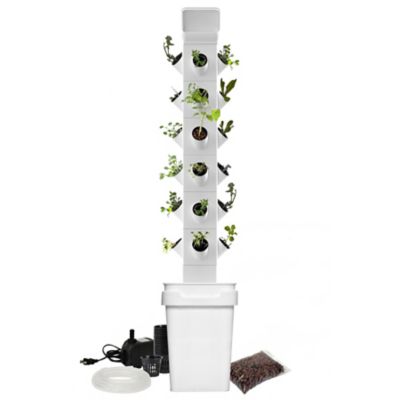
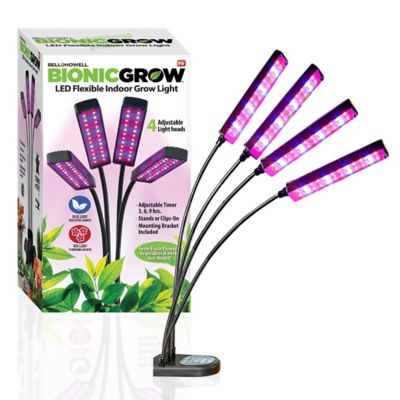
Indoor Hydroponic Garden Systems, especially when a counter also needs to hold the coffee pot or leave room for supper prep. The full footprint includes more than the reservoir. Light supports, power cords, access lids and spreading leaves all take up space, and a filled tank can be awkward to move. A level surface that can support the full water weight gives the setup a sound home, while room around the sides makes refilling and checking roots less of a chore. Vertical arrangements can make good use of floor space, but their height and planting layout affect access to upper plants and lower reservoirs. Lighting deserves the same attention as the planting area. Kits with built-in grow lights can provide a dedicated light source, though coverage, adjustment range and run time still need to suit the crop. An adjustable light helps maintain the manufacturer’s recommended distance as plants grow, and a timer keeps the lighting schedule consistent without a daily reminder. Systems without lights need a suitable light source for the plants being grown; ordinary room lighting generally is not enough. Plant spacing also matters more than a planting-hole count might suggest. A cluster of small basil starts may fit comfortably at first, then crowd neighboring plants as the leaves fill out. Larger greens may need open spaces between them, and climbing crops may require supports beyond the kit itself. For a household that wants a few fresh snips for cooking, easy access and a modest footprint may matter most. For a gardener hoping to harvest several heads of lettuce at a time, root space, reservoir capacity and room between plants become bigger considerations. Pump sound and light spill are worth considering, too, particularly if the kit will sit near a dining table, television or sleeping area.
Materials and access points make a real difference once a hydroponic kit becomes part of the daily routine. Opaque reservoir walls help limit light reaching the nutrient solution, which can reduce algae growth, while smooth surfaces and removable lids make cleaning easier between plantings. Reservoirs and other parts that contact the solution should be intended for growing edible plants when that is the goal. Sturdy light supports, well-fitting planting cups and secure tubing connections help the setup stay steady through refills and routine handling. Components that come apart without a struggle are especially helpful when roots need inspection or the tank needs a thorough rinse. A larger reservoir may need topping off less often than a smaller one, but it also means more water to handle when it is time to empty and clean the system. Soil-free growing still involves regular attention: plants take up water and nutrients at different rates, roots need oxygen, and the solution’s pH affects nutrient uptake. Some kits include meters or indicators, while others leave those checks to separate tools. Plant nutrients should be intended for hydroponic growing and mixed according to their directions rather than treated like ordinary garden fertilizer. Accessible fill ports, visible water-level markings and clear operating instructions can make those tasks easier to keep up with. For powered setups, a location near an appropriate outlet helps keep cords orderly and away from spills, and small growing parts and nutrient concentrates belong out of reach of children and pets. Hydroponic kits can suit apartment dwellers, folks with limited planting space and longtime gardeners who enjoy tending a few crops close at hand. They can also make a thoughtful gift for a cook who reaches for fresh herbs or a plant lover ready to try a different growing method. The strongest match is a kit whose size, crop capacity and care needs fit the recipient’s everyday life, with enough room to grow and enough access to keep the whole setup clean.