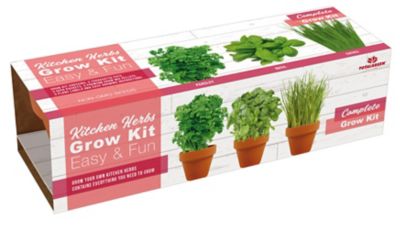
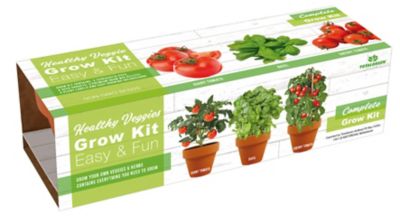
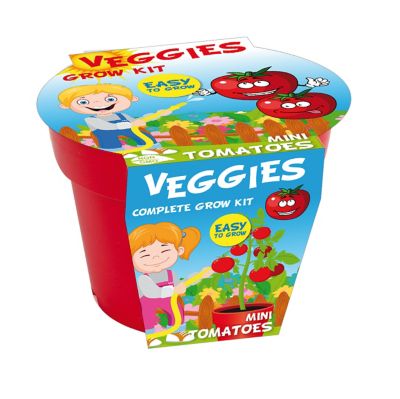
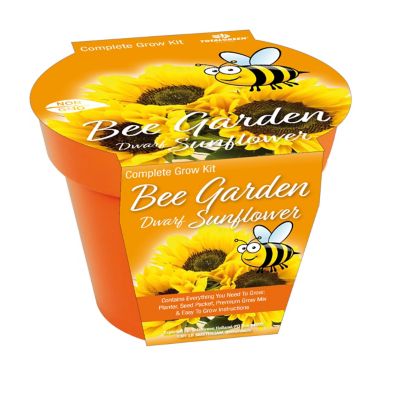
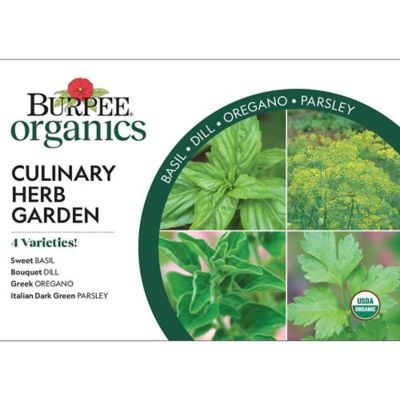
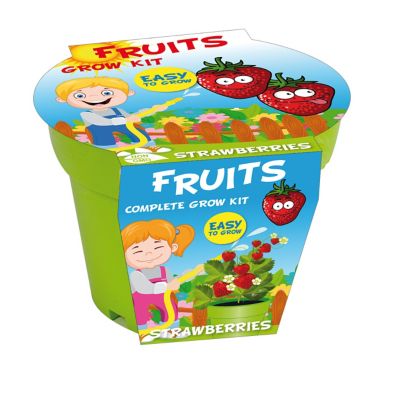
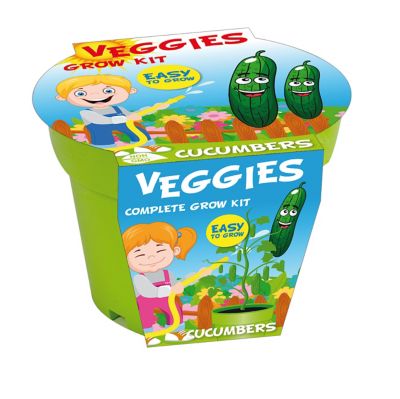
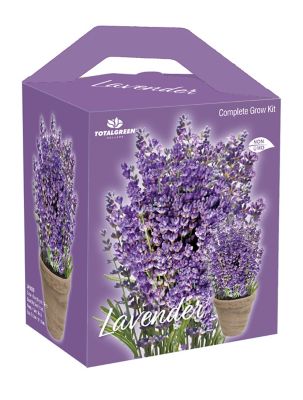
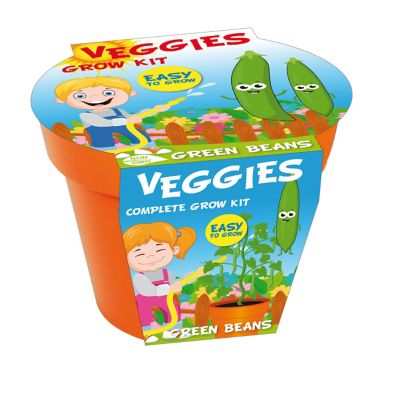
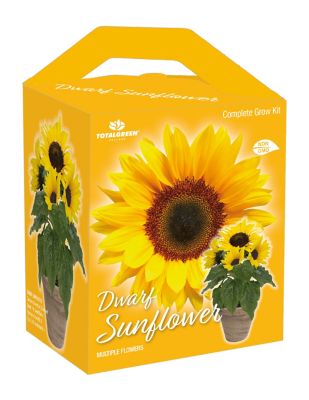
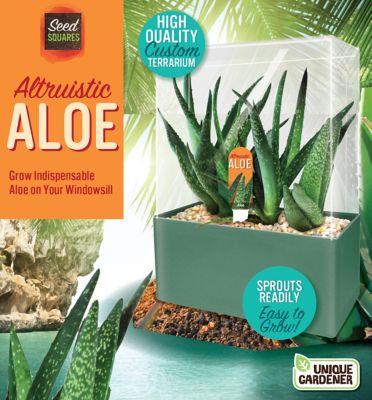
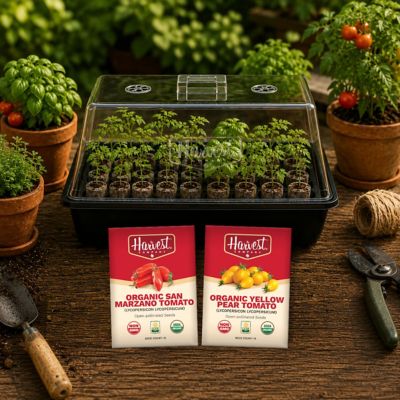
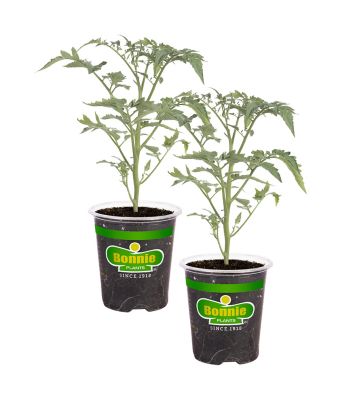
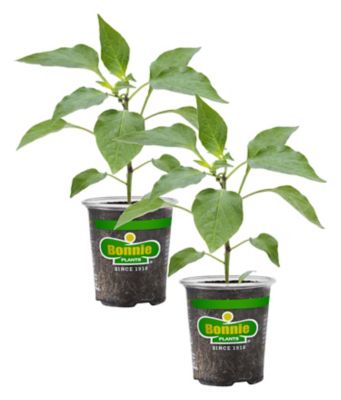
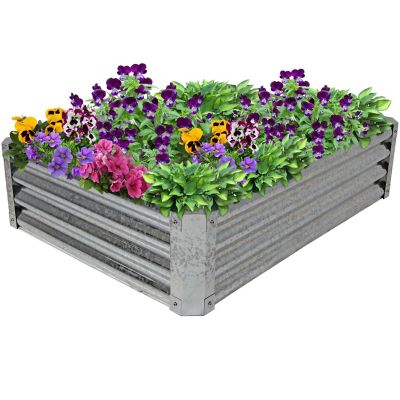
Home gardening kits bring together supplies for growing herbs, vegetables, flowers, or other plants in a manageable space, whether that means a kitchen counter, a porch, or a small patch beside the house. Some focus on starting seeds, while others support plants through more of their growth with containers, growing media, watering features, or lighting. Contents vary, so the difference between a seed assortment and a more complete growing setup matters. A kit might contain seeds and plant markers but leave the potting mix and containers to the gardener; another might include a tray, individual cells, a clear cover, and compressed growing pellets. That mix of supplies gives beginners a practical place to start and gives experienced gardeners a way to organize smaller planting projects. An herb setup near the kitchen suits someone who likes snipping a few leaves for supper, while a flower-growing kit can turn a porch corner into a spot worth lingering beside. Vegetable kits offer another option for anyone interested in raising a little of what ends up on the table, though plant size and root space help determine what makes sense. Leafy greens and compact herbs generally fit smaller containers better than sprawling vines or large fruiting plants. A
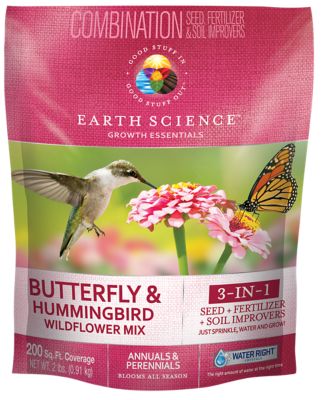
Garden Seed Kit can be a starting point for shoppers who already have pots or a planting bed and want the focus to stay on what they grow. For any style of kit, the package contents, plant varieties, expected mature size, and intended growing location tell more than the container’s appearance alone. Seed starting and growing a plant all the way to harvest are different jobs, and not every starter tray is meant to be a permanent home for established roots. Clear labeling also makes it easier to keep track of seedlings when several varieties look much alike in their first small leaves.
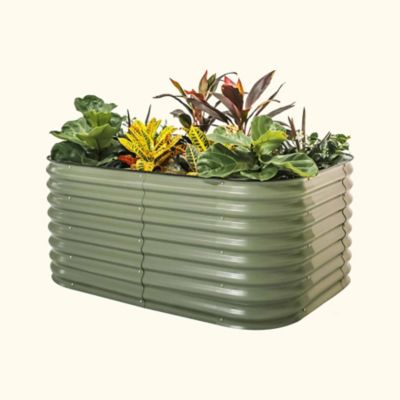
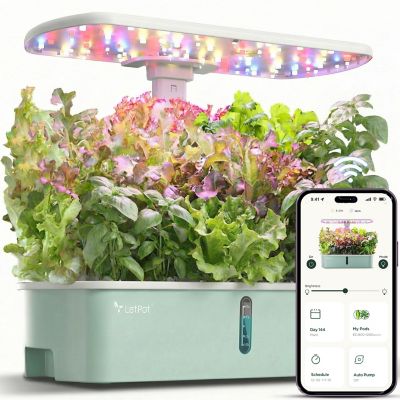
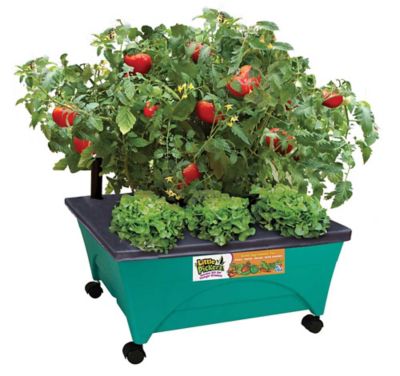
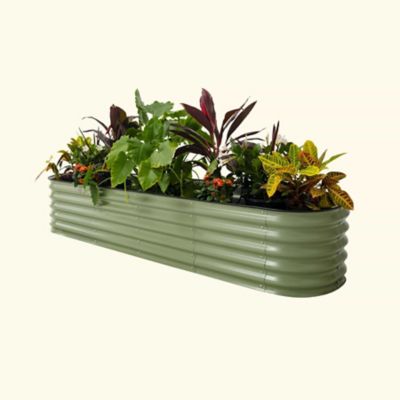
The right physical fit involves more than finding an empty bit of countertop. Containers need room for their mature plants, and a tray that fits neatly beside a sink may still need additional clearance once leaves spread and stems reach upward. A nearby outlet matters for setups with grow lights or powered watering components, while a convenient water source makes routine care less of a chore. Light needs also vary by plant: a bright-looking room does not necessarily provide enough usable light for steady growth, and many fruiting vegetables need stronger light than leafy crops. Kits intended for indoor growing may include lighting, but others depend on a suitable window or a separate light source. Material choices affect weight, handling, and cleanup. Plastic pots and trays are often lightweight and easy to move, while ceramic containers can add heft that helps anchor a taller plant. Unglazed clay lets moisture pass through its walls, which can mean more frequent watering than with less porous containers. Metal vessels need particular attention to drainage and any liner that separates the planting area from the outer shell. Wood planters vary by construction and finish, and materials around edible crops should be intended for that purpose. Drainage holes let excess water leave the root zone; a catch tray helps protect a table or shelf, but standing water in that tray can keep roots wetter than intended. Self-watering designs often have a reservoir and a wick or another connection that draws moisture toward the growing mix, though they still need checks and refills. Hydroponic gardening kits grow plants without soil, using water and nutrients along with whatever root support the system requires. Those systems have different feeding and cleaning needs from pots filled with growing mix. Sturdy joints, a base that sits flat, accessible reservoirs, and parts that separate for cleaning are practical details that matter long after the box is opened. For a kitchen or living area, a waterproof surface underneath adds another layer of protection against drips and spills.
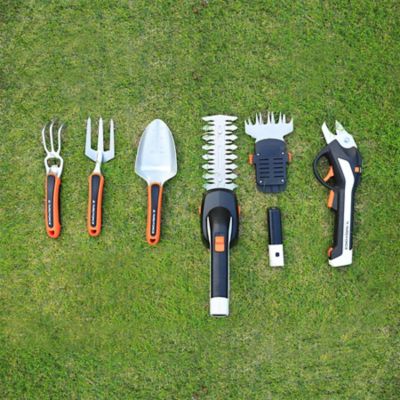
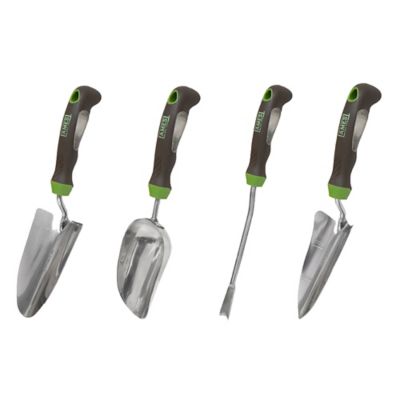
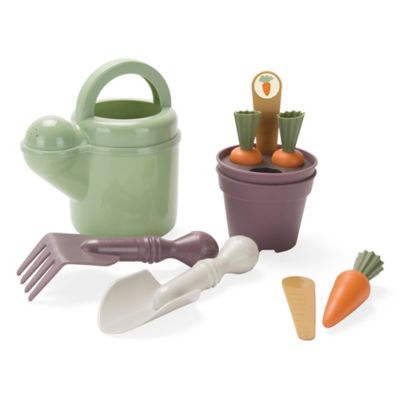
Everyday care is where a home gardening kit becomes part of the household routine. Clear seed labels, readable planting information, and containers that are easy to reach can make that routine simpler. Germination times differ among plants, and seeds in the same tray may not all sprout together. Seed-starting mixes are generally light and fine-textured, while mixes for established container plants are formulated to balance moisture, drainage, and root support. Growing pellets, fiber pots, and other starter components also differ in how long they hold together and whether a seedling needs a larger container before its roots become crowded. Even a kit with fertilizer or plant food included may need replenishment as plants grow, and feeding requirements depend on the crop and growing method. Watering is similar: a fixed schedule is less helpful than a setup that makes it easy to check moisture and understand how the reservoir or growing mix behaves. Washable trays and removable inserts help with cleanup between plantings, and tools that fit comfortably in the hand are easier to handle around tender stems. Saved seed packets are best kept dry and clearly labeled, with packet directions providing the reference for storage and planting. Households with children may appreciate larger seeds, easy-to-handle pots, and visible changes to follow, with an adult handling fertilizers, electrical components, and other supplies as appropriate. Around pets, plant selection matters too, since not every herb, flower, or houseplant belongs within nibbling reach. As a gift, a home gardening kit suits a cook who likes fresh herbs, someone settling into a new home, or a gardener who enjoys tending a small growing space. A thoughtful match considers the recipient’s available light, room for containers, and interest in regular care rather than assuming every kit works in every home. From a modest tray of seedlings to a countertop growing setup, the appeal is having plants close enough to notice new leaves, check their progress, and enjoy a little hands-on growing without needing a large garden.