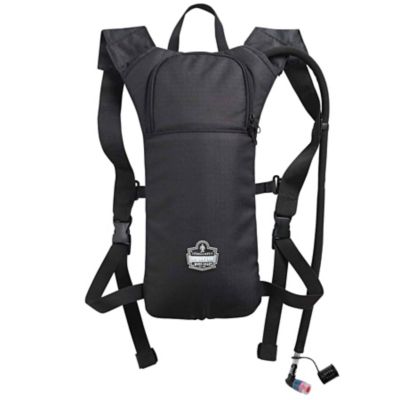
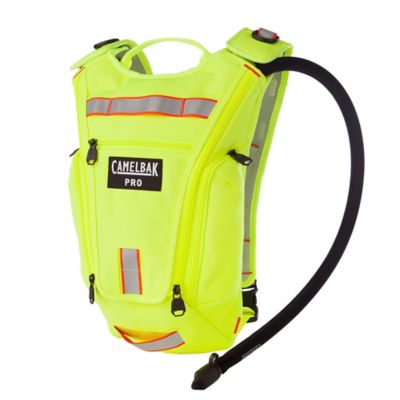
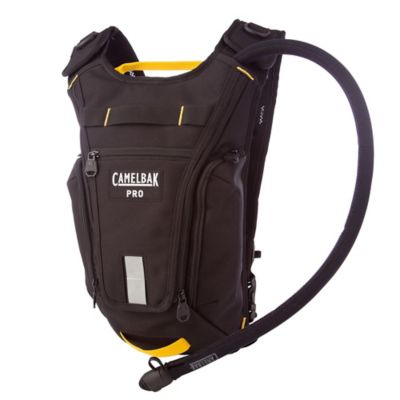
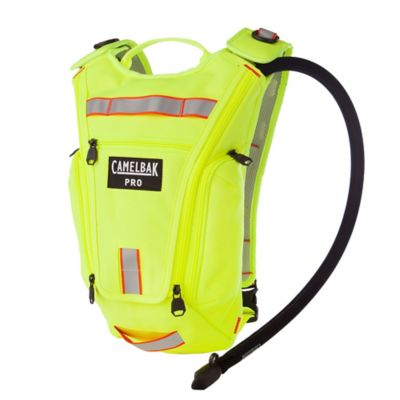
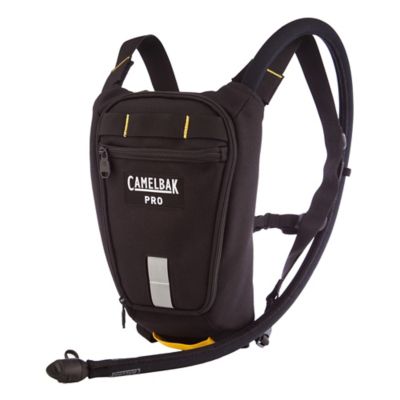
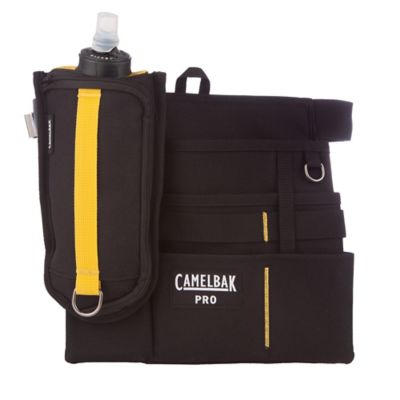
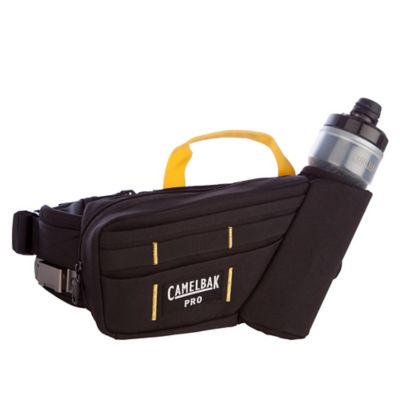
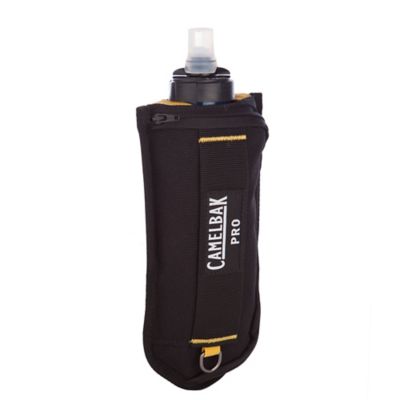
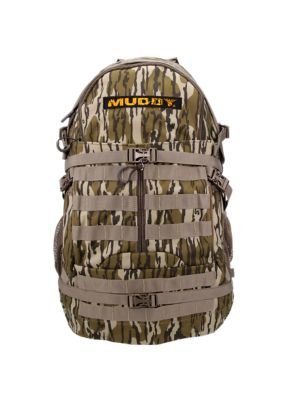
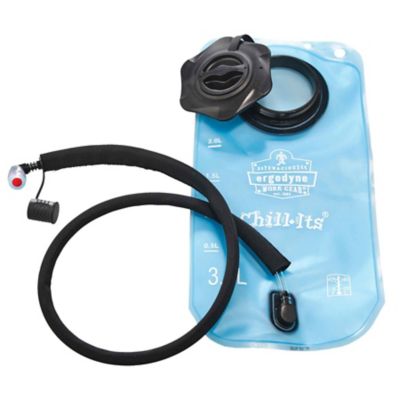
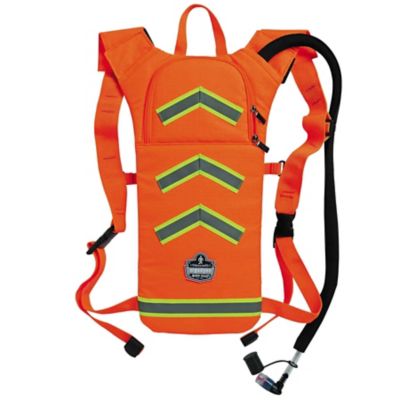
Hydration packs for outdoor activities keep drinking water close while leaving your hands free for the trail ahead. A reservoir, also called a hydration bladder, rides inside the pack, with a drinking tube routed over the shoulder and a bite valve within reach. That setup makes it easier to take small sips without digging a bottle out of a bag or setting your gear on the ground. Hikers, mountain bikers, trail runners and folks walking fence lines can all appreciate water that travels with them instead of occupying a hand. The right style depends on how far you’re headed, how much equipment you carry and how the pack moves against your body. Compact waist packs keep a lighter load around the hips, running vests hold water close to the torso, and backpack-style hydration packs leave room for food, navigation tools and other trail supplies. Some vests carry soft flasks in front pockets rather than a reservoir on the back; others accommodate both. Reservoirs commonly hold about 1 to 3 liters, while the pack’s overall storage capacity may be much larger. A 12-liter pack does not necessarily hold 12 liters of water, so those two measurements deserve separate attention. A short loop near home may call for a small, streamlined setup, while a longer hike away from refill points calls for more room for water and essentials. Water weighs about 2.2 pounds per liter, making the water in a full 3-liter reservoir roughly 6.6 pounds before counting the pack or anything else inside it. That weight matters when comparing a minimal running vest with a daypack intended to carry lunch, a first-aid kit and extra clothing. Planned distance, exertion, personal drinking needs and access to safe refills all affect how much water to carry. No single reservoir size suits every outing, and extra gear space works best when it matches what actually goes along.
Fit makes a noticeable difference once a hydration pack is loaded and the trail gets uneven. Adjustable shoulder straps help position the load, while a sternum strap can keep the straps from spreading apart as you move. A supportive hip belt on a larger pack can transfer part of the load toward the hips; a narrow waist strap mainly helps control movement. Running vests generally sit snug against the torso to limit bounce, while hiking packs may have more structure through the back panel. A pack that feels fine empty can behave differently with a full reservoir, so fit is best judged with a representative load and the clothing normally worn for the activity. The pack should stay settled without restricting breathing, pinching under the arms or knocking against the back of the head when looking up a trail. For younger hikers, torso length and a manageable filled weight matter more than choosing by age alone. Mesh shoulder straps and back panels allow airflow, and smooth edges around contact points can help reduce rubbing over a longer walk. Nylon and polyester are common outer fabrics, with fabric weight, weave and reinforcement influencing how well a pack handles repeated contact with brush, rocks and the truck floor. Ripstop construction can help keep a small tear from spreading, while reinforced bottoms and well-finished seams deserve attention on packs that regularly carry a heavier load. Reservoirs often feature flexible food-contact plastics, with silicone components common in bite valves. A wide fill opening can make access easier, and a secure closure helps keep the contents where they belong. Tube clips keep the hose from swinging, while a valve shutoff can help prevent accidental drips. Pocket placement matters, too: a snack within reach, a separate spot for keys and enough clearance around the drinking tube can make the whole setup less fussy when there’s ground to cover.
Care and compatibility have a lot to do with how well a hydration pack serves from one outing to the next. A pack labeled hydration-compatible may have a reservoir sleeve and hose opening without including the reservoir itself. Reservoir dimensions, hanging attachments, hose routing and connector styles all affect whether the pieces work together. A separate reservoir sleeve helps keep the water load close to the back and away from loose gear, though a full bladder still takes up room inside the bag. For outings that include a campsite,
hydration packs for camping bring the same drinking convenience, with added consideration for carrying food, a headlamp and other camp essentials. A reservoir carries water; it does not make untreated creek or pond water safe to drink. Refill plans should account for potable water or a suitable treatment method, especially beyond established facilities. After an outing, emptying the reservoir and following the manufacturer’s cleaning directions helps prevent lingering tastes and residue. Many systems can be cleaned with mild soap and appropriate brushes, but dishwasher use, cleaning tablets and beverage restrictions vary by material and design. Tubes, valves and caps need attention along with the main bladder, and every component should dry fully before storage. The fabric pack may have different care instructions from the drinking system, particularly when padding, coatings or structured panels are involved. Checking seams, buckles, hose connections and valve seals before heading out can catch a small problem before water ends up on the rest of the load. Accessible replacement valves, hoses or reservoirs can also matter over the life of the pack, provided the connections match. As a gift for a regular trail walker, cyclist or camping companion, a hydration pack makes the most sense when its fit, water capacity and storage match the recipient’s usual outings. A comfortable setup with straightforward care is something they can reach for whether the plan is a familiar path near home or a full day farther down the trail.